9 AI Tools That Help Build Systems Instead of Tasks

Riten Debnath
02 May, 2026
Last updated: May 2026
If your daily to-do list feels like a game of Whac-A-Mole, you aren't failing at work; you are just failing at building systems.
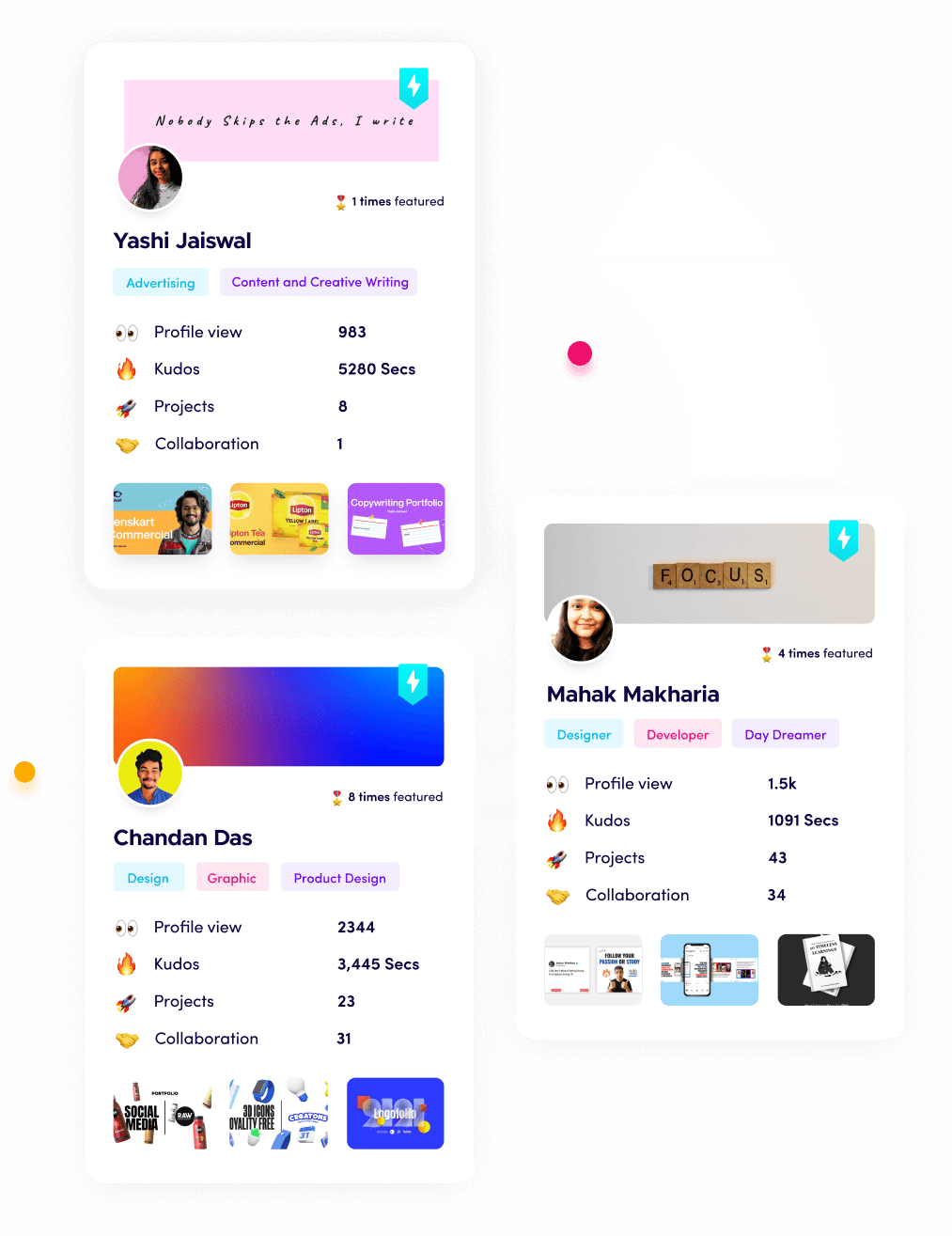
I’m Riten, founder of Fueler, a skills-first portfolio platform that connects talented individuals with companies through assignments, portfolios, and projects, not just resumes/CVs. Think Dribbble/Behance for work samples + AngelList for hiring infrastructure.
The Secret Shift: From Task-Doer to System-Architect
Most people wake up and start "doing tasks." They reply to one email, manually copy a lead into a spreadsheet, and then jump into a Slack channel to ask for an update. This is exhausting. It is the equivalent of carrying water from a well bucket by bucket. System architects, on the other hand, build a pipeline. They spend their time setting up the infrastructure so that when one thing happens, five other things follow automatically.
Building a system means you create a predictable, repeatable workflow. It is the difference between "I need to remember to follow up with this client" and "The system notifies me and sends a templated email the moment a client clicks my link." When you stop working on tasks and start working on the system, your career moves from linear growth to exponential scale.
At a glance: Comparing the AI Tools That Help Build Systems Instead of Tasks
1. Zapier
Best for: Universal app connectivity and beginner-friendly automation.
If you have ever wished that two apps would just talk to each other, Zapier is the translator you need. It connects over 8,000 different web services, allowing you to create "Zaps" that trigger actions based on specific events. For example, when someone fills out your contact form, Zapier can automatically create a lead in your CRM and send you a Slack notification instantly.
- Multi-Step Workflow Automation: This feature allows you to move beyond simple one-to-one connections by creating a single trigger that sets off a massive chain reaction across multiple software platforms simultaneously, ensuring that no manual data entry is ever required again.
- Advanced Filter and Delay Logic: You can set specific rules so the system only proceeds when certain criteria are met, and even add timed delays to make automated messages feel more human and less like an instant robot response to your clients.
- Built-in Data Formatting Tools: Zapier includes "Formatter" steps that can automatically fix messy data, such as capitalizing names, changing date formats to match your spreadsheet, or performing math calculations before the information is passed to the next app in your system.
- Conditional Pathing Logic: This allows you to create "if/then" branches within your automation, so high-priority leads can be sent directly to your phone via SMS while general inquiries are quietly filed away in a Google Sheet for a weekly review.
- Massive Integration Ecosystem: With support for thousands of apps, this tool ensures that your system remains future-proof, allowing you to swap out your email provider or project management tool without having to rebuild your entire business infrastructure from scratch.
Pricing:
Free plan available for basic tasks. Professional starts at $29.99/month (billed monthly), while Team plans are approximately $103.50/month for collaborative automation features.
Why it matters:
Zapier is the glue of the internet. It allows you to build a complex business infrastructure without writing a single line of code, making it the ultimate tool for turning manual drudgery into a hands-off system.
2. Make (formerly Integromat)
Best for: Visual learners who need complex, high-volume data processing.
Make is like Zapier, but for people who want to see their systems like a map. It uses a drag-and-drop visual canvas where you can watch the data flow through different bubbles. It is significantly more powerful for handling large amounts of data or complex logic that would be hard to track in a simple list view.
- Visual Scenario Designer: This interface allows you to physically map out your entire business process on a digital canvas, giving you a bird's eye view of how information moves through your organization and where potential bottlenecks might occur.
- Advanced Data Aggregators and Iterators: Unlike basic tools, Make can take a massive list of data, break it down into individual items to process them one by one, and then bundle them back together into a single, clean report for your end-of-day review.
- Real-time Execution Monitoring: You can actually watch the "bubbles" on your screen light up in real-time as the data passes through them, which makes troubleshooting and fixing errors incredibly intuitive because you can see exactly where a process stopped.
- Universal API Connectivity via HTTP: For the tools that don't have a direct integration, Make provides a robust HTTP module that allows you to connect to almost any web service with an open API, giving you nearly unlimited power to automate niche software.
- Granular Scheduling and Frequency Control: You have the power to set your automated scenarios to run at specific intervals as short as one minute or on specific days of the month, ensuring your system operates exactly when your business needs it most.
Pricing:
The free plan offers 1,000 operations. Core starts at $10.59/month, Pro at $18.82/month, and Teams at $34.12/month when billed monthly.
Why it matters:
Make turns you into a visual architect. It handles the "heavy lifting" of data manipulation, allowing you to build systems that are much more sophisticated and cost-effective than simple task-based automations.
3. Tally Forms
Best for: Creating sleek, professional forms without the "corporate" look.
Tally is the most intuitive form builder on the market today. Instead of a clunky drag-and-drop sidebar, it works just like a document. You type "/" and choose what you want to add. It is perfect for collecting work samples, lead information, or feedback in a way that feels modern and high-end.
- Document-Like Creation Interface: Building a form feels exactly like writing a blog post or a Notion page, which eliminates the learning curve and allows you to create complex, multi-page surveys in a matter of minutes rather than hours.
- Unlimited Forms and Responses for Free: Unlike almost every other competitor, Tally allows you to collect an unlimited number of submissions without hitting a paywall, making it the best system for scaling your lead generation without increasing your monthly costs.
- Advanced Conditional Logic and Calculations: You can create "smart" forms that change their questions based on previous answers, or even calculate a price or score in real-time to provide immediate value to the person filling out the form.
- Seamless Third-Party Embeds: You can easily tuck your forms into Notion, Carrd, or your personal portfolio website, ensuring that your data collection system looks like a native part of your brand rather than a clunky external link.
- Custom Success Pages and Redirects: Once a user finishes your form, the system can automatically send them to a specific URL or show a personalized thank-you message, helping you control the entire journey of your potential clients or employers.
Pricing:
The majority of features are 100% Free. Tally Pro is available for $29/month if you want to remove Tally branding, use custom domains, or collaborate with a large team.
Why it matters:
Forms are the front door to your systems. Tally makes that front door look professional and work perfectly, ensuring you never miss a lead because of a clunky, outdated interface.
4. Notion
Best for: Building a centralized "Second Brain" for all your projects and data.
Notion is more than a note-taking app; it is a database-driven workspace. Instead of having files scattered across folders, you can build a system where your tasks, documents, and client info are all linked together. It allows you to see your work from different angles, like a calendar, a list, or a gallery of work samples.
- Relational Database Architecture: This feature allows you to link different sets of information together, so that a task is connected to a specific project, which is then connected to a specific client, creating a fully integrated web of data.
- Customizable Dashboard Views: You can transform the same set of data into a Kanban board for project tracking, a Calendar for deadlines, or a Gallery view to showcase your portfolio, allowing you to work in whatever way is most productive for that moment.
- Collaborative Real-time Editing: The system allows multiple team members or clients to work on the same document at once, with a detailed version history that ensures you can always revert back if a mistake is made during the creative process.
- Template Engines for Consistency: You can create "one-click" buttons that instantly generate a pre-formatted project brief or meeting notes page, ensuring that every new piece of work follows the exact same high-quality system you have designed.
- Synced Blocks and Global Content: This allows you to update a piece of information in one place and have it automatically update everywhere else it appears in your workspace, saving you from the nightmare of manual copy-pasting across dozens of pages.
Pricing:
Free for individuals. Plus plan is $10/user/month, and Business is $15/user/month (billed monthly).
Why it matters:
Notion is the foundation of your system. It is where your ideas live and where your workflows are managed. Without a central hub like this, your "systems" will just be a collection of disconnected tasks.
5. Airtable
Best for: Managing complex data that a normal spreadsheet can't handle.
Airtable looks like a spreadsheet but acts like a powerful database. It is designed for people who need to organize massive amounts of information, like a content calendar with 500 posts or a directory of 1,000 potential employers, and want to automate the movement of that data.
- Hybrid Spreadsheet-Database Functionality: You get the familiar ease of a spreadsheet grid combined with the power of a professional database, allowing you to store images, long-form text, and linked records all in one organized row.
- Native Automation Trigger Builder: Airtable has its own internal "if this, then that" system, meaning you can send automated emails or update statuses internally without ever needing to pay for an external tool like Zapier for basic tasks.
- Interface Designer for Custom Tools: You can build a custom "app" interface on top of your data so that team members or clients can interact with specific information without seeing the messy backend of your primary database.
- Multi-Source Data Syncing: This system allows you to pull in data from Google Calendar, Zendesk, or Salesforce automatically, ensuring that your Airtable base is always the "single source of truth" for your entire business operation.
- Rich Field Types for Creative Work: Unlike Excel, you can include checkboxes, star ratings, multiple-choice tags, and even attachment fields for high-resolution work samples, making it perfect for managing a visual portfolio or content pipeline.
Pricing:
Free version available. Team plan is $24/seat/month, and Business is $54/seat/month when billed monthly.
Why it matters:
When your system grows, your data gets messy. Airtable is the tool that keeps that data clean, organized, and actionable, allowing you to scale without losing track of the details.
6. Calendly
Best for: Eliminating the "back-and-forth" of scheduling meetings.
Scheduling is one of the biggest "task" traps. Sending five emails just to find a time to talk is a waste of energy. Calendly turns scheduling into a system where you set your availability once, and the tool handles the bookings, time zone conversions, and reminders.
- Automated Time Zone Detection: The system automatically identifies the location of the person booking the meeting and shows your availability in their local time, completely eliminating the confusion and "math" of international scheduling.
- Custom Meeting Buffers and Caps: You can set the system to automatically add a 15-minute break between calls or limit the number of meetings you accept per day, ensuring that your schedule remains sustainable and you never burn out.
- Automated Email and SMS Reminders: Calendly can automatically send confirmation messages and "don't forget" reminders to your guests, which significantly reduces the number of no-shows and wasted time in your work week.
- Direct Payment Integration: For consultants or freelancers, the system can require a payment via Stripe or PayPal before a meeting is officially booked, turning your calendar into a seamless, automated revenue-generating machine.
- Team Scheduling and Round Robin: If you work with others, the system can automatically distribute meetings among team members based on who is available or who has had the fewest calls, keeping the workload fair and automated.
Pricing:
Free for one event type. Standard is $12/month, and Professional is $16/month for more advanced features and multiple event types.
Why it matters:
Your time is your most valuable asset. Calendly protects it by automating the administrative gatekeeping of your day, allowing you to spend more time on actual work and less time on coordination.
7. Buffer
Best for: Systematizing your social media presence without being online 24/7.
Being "active" on social media usually feels like a constant task. Buffer turns it into a system where you spend one hour a week scheduling all your content, and the tool drips it out at the perfect times. It allows you to build a brand while you sleep.
- Multi-Platform Content Queuing: You can write a single post and schedule it to go out across LinkedIn, X, Instagram, and Mastodon at different times, ensuring your work gets maximum visibility with minimal manual effort.
- Custom Posting Schedule Presets: The system allows you to pre-define the exact hours you want to post each day, so you can simply "drop" content into the queue and let the tool handle the timing based on when your audience is most active.
- Visual Content Calendar: Seeing your entire month of social media at a glance allows you to spot gaps in your strategy and ensures that your personal brand remains consistent without you having to think about it every single morning.
- AI-Free Engagement Tools: Buffer provides a unified dashboard to see and reply to comments across different platforms, turning a chaotic social media landscape into a streamlined, systematic conversation hub.
- Detailed Analytics and Reporting: The system tracks which of your work samples or posts are getting the most attention, providing you with the data you need to refine your system and focus on what actually gets you hired.
Pricing:
Free for up to 3 channels. The Essentials plan is $6/month per channel, and Team is $12/month per channel.
Why it matters:
Consistency is the key to getting noticed. Buffer ensures you stay consistent even when you are busy working on projects, building a "passive" marketing system for your career.
8. Carrd
Best for: Building high-converting, one-page system landing pages.
Sometimes you don't need a massive website; you just need a place for people to land and take action. Carrd is a specialized tool for building simple, responsive, one-page sites that act as the "hub" for your specific systems or portfolios.
- Ultra-Fast Responsive Design: Every site you build is automatically optimized for mobile, tablet, and desktop, ensuring that your system looks professional no matter what device your potential employer or client is using.
- Seamless Form and Tool Integration: Carrd is designed to play nicely with other tools on this list, allowing you to easily embed Tally forms or Calendly widgets to create a fully functional business hub in minutes.
- Simple "Drag-and-Drop" Section Building: You don't need to be a developer to create a high-end look; the interface is incredibly simple, allowing you to move elements around until your portfolio or landing page looks exactly how you envisioned.
- Custom Domain and SSL Support: The system makes it easy to point a professional domain name at your page and provides a free SSL certificate, ensuring your site is secure and trustworthy for all visitors.
- Built-in Google Analytics Tracking: You can easily see how many people are visiting your page and where they are coming from, giving you the insights needed to adjust your system and improve your conversion rates.
Pricing:
You can build sites for Free. Pro plans are incredibly cheap, starting at just $19/year (yes, per year) for custom domains and advanced features.
Why it matters:
A system needs a home. Carrd provides a professional, low-cost home for your workflows, making it easy for people to find you and enter your world.
9. Slack
Best for: Systematizing communication and reducing "inbox anxiety."
Email is a task-based mess where things get lost. Slack is a communication system. By using channels, you can organize conversations by project or topic, ensuring that the right information is always in the right place and searchable for later.
- Channel-Based Organization: Instead of one giant inbox, you create dedicated spaces for specific projects, topics, or teams, which keeps information organized and ensures that you only see the updates that are relevant to your current work.
- Robust Searchable Archive: The system indexes every message and file ever shared, allowing you to find a specific work sample or a past conversation in seconds, effectively building a searchable knowledge base for your career.
- App Directory Integrations: You can connect tools like Zapier or Google Drive directly into your channels, so the system automatically posts updates when a new file is uploaded or a lead is generated.
- Automated Workflow Builder: Slack allows you to create simple "slash commands" or buttons that trigger internal processes, like requesting a vacation day or submitting a project update, without ever leaving the chat interface.
- Granular Notification Controls: You can set the system to only alert you during work hours or for specific keywords, protecting your focus and ensuring that you are managing your communication system rather than letting it manage you.
Pricing:
Free version with 90 days of history. Pro is $8.75/month, and Business+ is $15/month when billed monthly.
Why it matters:
Communication is either a distraction or a system. Slack turns it into a system that supports your work rather than interrupting it, making it much easier to collaborate with clients and teammates.
Which one should you choose?
If you are just starting out, the answer depends on your biggest bottleneck. If you feel like you are manually moving data between apps all day, start with Zapier. It will give you the most immediate relief. If your "system" is just a mess of notes and files, move everything into Notion first to get organized. For those specifically looking to get hired, combining Tally (to collect inquiries) and Calendly (to book interviews) is the winning combo. You don't need all nine at once; pick the one that solves your most painful manual task today.
How does this connect to building a strong career or portfolio?
Employers in 2026 aren't just looking for people who can "do the work, "they are looking for people who can manage the work. When you show a portfolio that is built on these systems, you are proving that you are efficient, tech-savvy, and organized. Using a tool like Fueler allows you to showcase the actual outcomes of these systems. Instead of saying "I am good at automation," you can show a portfolio project where you used Zapier and Airtable to manage a content pipeline for a real brand. That is how you stand out from the crowd.
I mentioned Fueler earlier, and here is why it fits into this system-based world. While the tools above help you do the work efficiently, Fueler is where you show that work to the world. It acts as the final step in your career system. Once you’ve used these tools to build something great, you publish it on your Fueler profile to build your proof of work. It’s the easiest way to turn your "systems" into a magnet for high-paying opportunities.
Final Thoughts
The gap between "busy" people and "productive" people is getting wider every day. Busy people focus on clearing their inbox and finishing tasks. Productive people focus on building systems that eventually make the tasks disappear. By investing a few hours into setting up these tools, you aren't just saving time; you are building an asset that works for you. Start small, automate one repetitive thing today, and watch how it changes your career trajectory.
FAQs
What are the best free tools for building a career system in 2026?
Tally Forms and Notion offer the most powerful free tiers for individuals. Tally allows unlimited responses for free, while Notion gives you a complete workspace to organize your entire life without spending a dime.
How do I automate my portfolio updates?
You can use Zapier to connect your project management tool (like Notion) to your portfolio or social media. Every time you mark a project as "Complete," the system can automatically draft a post or update your list of work samples.
Is Airtable better than Google Sheets for small projects?
Yes, because Airtable allows you to link records and attach files directly to rows. If you are managing anything visually, like a portfolio of work samples, Airtable is a much stronger system than a traditional spreadsheet.
How can I stop spending so much time on emails?
Shift your communication to a system like Slack for internal work and use Calendly to handle meeting requests. This reduces the number of "quick question" emails and puts the scheduling power in the hands of the system.
Do I need to know how to code to use these tools?
Not at all. Every tool on this list is "No-Code," meaning they are designed for humans who use simple interfaces, drag-and-drop builders, and plain English to build their systems.
What is Fueler Portfolio?
Fueler is a career portfolio platform that helps companies find the best talent for their organization based on their proof of work. You can create your portfolio on Fueler. Thousands of freelancers around the world use Fueler to create their professional-looking portfolios and become financially independent. Discover inspiration for your portfolio
Sign up for free on Fueler or get in touch to learn more.

What should you do next?
You've read the article. Now turn your skills into proof of work and unlock more opportunities.
Build your proof of work portfolio
Create a clean portfolio with projects, assignments, resumes, and AI stack details that companies actually want to see.
Create your Fueler portfolio →Apply through assignments, not resumes
Stand out by solving real tasks from companies hiring on Fueler.
Explore assignments →Get discovered by companies
Make your work public and let recruiters discover your skills through actual projects instead of keywords.
Get discovered →