AI vs Traditional Freelancing: What’s Changing in 2026

Riten Debnath
14 May, 2026
Last updated: May 2026
The freelance economy just went through its biggest transformation in a decade. If you are still trying to sell your services using the 2022 playbook, you are likely finding it harder to land high-paying gigs. The market has split into two very distinct paths: those who work manually and those who have evolved into high-level strategists. In 2026, the "average" freelancer is struggling, but the "augmented" freelancer is making more than ever before.
I’m Riten, founder of Fueler, a skills-first portfolio platform that connects talented individuals with companies through assignments, portfolios, and projects, not just resumes/CVs. Think Dribbble/Behance for work samples + AngelList for hiring infrastructure.
The world does not care about your years of experience anymore; it cares about your proof of delivery. This blog is a deep dive into how the landscape has shifted and why your approach to work needs a complete reboot if you want to stay relevant this year.
The Shift from Hourly Billing to Outcome-Based Pricing
In the traditional world, freelancers were paid for the time they spent sitting at a desk. You would track your hours, send a spreadsheet, and get paid for your effort. In 2026, clients do not want to pay for your time because they know technology can speed up the process. They are now paying for the final result and the value it brings to their business. This means you can earn more by working faster and smarter rather than just working longer hours.
- Value-based pricing models are replacing the old hourly rate because clients care about the quality of the solution rather than how many hours it took you to type it out. This allows experts to decouple their income from their time, essentially getting paid for the years of knowledge they bring to a project rather than the minutes they spend executing it.
- Speed has become a premium commodity where freelancers who can deliver high-quality results in twenty-four hours can charge three times more than those who take a full week. In a fast-paced digital economy, being the first to market is often more valuable to a brand than a slightly more polished version delivered much later.
- Transparency in pricing is now focused on the Return on Investment for the client, requiring freelancers to explain how their work will actually grow the company's revenue or brand. You must become comfortable talking about business metrics like conversion rates and customer acquisition costs rather than just font choices or word counts.
- Retainer agreements have shifted from simple maintenance to growth goals, where you are kept on board to ensure a project continues to perform well in a fast-moving market. This creates a more stable partnership where the freelancer is viewed as a vital part of the team rather than a temporary, external resource to be used and discarded.
- Performance bonuses are becoming common in freelance contracts, allowing you to earn a percentage of the success your work generates for the brand you help. This aligns your incentives with the client’s success, turning you into a stakeholder who is personally invested in making sure the project hits its specific targets.
Research and Discovery in the Modern Era
Traditional research involved spending days browsing Google and taking manual notes to understand a topic. In 2026, the research phase is almost instantaneous but requires much higher critical thinking skills. You have to be able to filter through massive amounts of data to find the "golden nuggets" that a computer might overlook. The modern freelancer is a researcher who knows how to find deep insights that create a competitive edge for their clients.
- Deep data synthesis allows you to look at thousands of customer reviews or industry reports in minutes to find the exact pain points your client needs to solve immediately. This high-level overview helps you skip the guesswork and move straight into creating solutions that are backed by real-world evidence and current consumer behavior patterns.
- Fact-checking has become a specialized skill because the internet is flooded with generic content, making the human ability to verify truth and accuracy a high-value service. Clients are terrified of publishing misinformation, so your ability to provide cited, verified, and reliable data is a major reason they will choose you over a cheaper, less careful competitor.
- Niche expertise is more important than ever because general information is now a free commodity, meaning you must know the "inside secrets" of a specific industry to be useful. Whether it is understanding the legal nuances of fintech or the specific aesthetic trends of high-end fashion, your specialized knowledge is what makes you irreplaceable in the market.
- Competitive intelligence involves analyzing a client’s rivals to see what they are doing right and identifying the gaps where your client can swoop in and take over. By presenting a client with a map of their competitors' weaknesses, you position yourself as a strategic advisor who understands the broader market landscape rather than just a task-oriented worker.
- Trend forecasting is no longer a guessing game, as modern freelancers use data to predict what consumers will want six months from now, giving their clients a massive head start. Being able to tell a client what the "next big thing" is before it happens allows them to prepare their marketing and product lines, making your insight worth a significant premium.
Content Creation and the Death of "Average"
We used to live in a world where "good enough" was acceptable for blogs, designs, or code. In 2026, the internet is so crowded that "average" is invisible. Traditional freelancers who produce basic work are being replaced because that level of quality is now the baseline. To survive today, your work must have a unique soul, a specific voice, and a level of creativity that feels deeply personal and human.
- High-fidelity production is now the standard requirement for every project, meaning your rough drafts need to look as good as what used to be a final version years ago. The expectation for visual and technical polish has risen so high that you must be comfortable delivering work that is functionally perfect and aesthetically stunning from the very first submission.
- Storytelling has become the most important skill in your toolkit because people connect with human narratives and emotions that a cold machine simply cannot replicate effectively yet. Your ability to weave a brand’s values into a compelling story is what keeps an audience engaged in an era where everyone is constantly bombarded by generic and robotic marketing messages.
- Customization at scale allows you to create hundreds of variations of a single idea, ensuring that every piece of content feels like it was hand-crafted for a specific individual reader. This level of personalization is what drives modern engagement, as users are much more likely to interact with content that speaks directly to their unique interests, needs, and personal challenges.
- Interactive elements like polls, clickable graphics, and embedded tools are now expected in content, moving away from static text that people just scroll past without engaging with. A modern freelancer needs to understand how to keep a user active on a page, turning a passive reading experience into an active journey that leads them closer to a purchase or signup.
- Multimodal delivery means a modern freelancer rarely just writes a blog but instead provides a package that includes social clips, images, and audio versions of the same core idea. By providing a "content ecosystem" instead of a single file, you give the client more ways to use your work, which significantly increases the perceived and actual value of your service.
Client Communication and Relationship Management
The old way of freelancing was very transactional, you get a brief, you do the work, you send the invoice. In 2026, communication is the product. Clients are looking for partners who can consult and guide them through a confusing digital landscape. If you are just an "order taker," you will find your rates dropping. If you act as a consultant who communicates clearly and proactively, your value triples.
- Proactive consulting means telling the client what they actually need instead of just doing what they asked for, which often leads to better results and longer-lasting professional relationships. This demonstrates that you are thinking about their business success, not just trying to finish a task as quickly as possible to get paid and move on.
- Real-time collaboration tools have removed the "black box" of freelancing, allowing clients to see progress as it happens and provide feedback that saves everyone time and avoids major revisions. This level of transparency builds immense trust, as the client feels like they are part of the process and can see the work evolving and improving in front of them.
- Strategic onboarding processes help you set expectations from day one, ensuring that the client understands your value and respects your boundaries throughout the entire duration of the project. A smooth start prevents many of the common headaches freelancers face, such as "scope creep" or late payments, by establishing clear rules and goals before any work begins.
- Emotional intelligence is the secret weapon for modern freelancers because understanding a client's fears and goals allows you to build trust that keeps them coming back for years. Being able to read between the lines of a client's feedback helps you address their underlying concerns, making them feel supported and understood during stressful project launches or company changes.
- Community building is now part of the job, as many freelancers now manage the "fans" or "customers" of their clients, acting as a bridge between the brand and the real world. By understanding how to manage an online community, you provide a level of social proof and direct feedback that is incredibly valuable to any brand trying to grow in 2026.
Project Management and Workflow Efficiency
Gone are the days of messy folders and forgotten emails. The 2026 freelancer operates like a mini-agency. You need to have a seamless system that handles everything from the first "hello" to the final file delivery. While traditional freelancers are often disorganized, modern pros use structured workflows to ensure nothing falls through the cracks, allowing them to handle twice the workload with half the stress.
- Automated administrative tasks like invoicing, follow-ups, and scheduling now happen in the background, leaving you with more brain power to focus on the creative work you love. This shift allows you to act like a professional business owner rather than an overwhelmed artist, ensuring that you never miss a payment or forget a client meeting again.
- Standard Operating Procedures (SOPs) allow you to replicate your success for every client, ensuring a consistent level of quality that makes you a reliable partner for big companies. Having a set "playbook" for your services means you can deliver high-end results every single time, which is exactly what high-paying corporate clients are looking for when they hire external talent.
- Asynchronous communication is the new norm, where you use video updates and detailed docs to keep projects moving without needing to waste three hours a day on status update meetings. This style of working respects everyone's time and provides a permanent record of decisions, making it much easier for team members in different time zones to stay aligned on project goals.
- Scalable infrastructure means you can easily bring in other specialized freelancers to help with big projects, turning yourself into a project lead rather than just a solo worker. This ability to form "flash teams" allows you to take on massive projects that would normally go to a traditional agency, while keeping your own overhead costs low and your profits high.
- Security and data privacy have become top priorities, as clients expect freelancers to handle their sensitive company information with the same level of care as an internal employee. By demonstrating that you have secure systems for storing files and protecting passwords, you remove a major barrier that often prevents large companies from hiring independent contractors for important work.
The Evolution of the Personal Brand
In the traditional model, your resume was your brand. In 2026, your resume is almost meaningless. Your brand is now your digital footprint and your proof of work. People want to see what you have built, who you have helped, and what you stand for. The modern freelancer is a public figure in their niche, sharing insights and showing off their projects to attract the right kind of clients.
- Social proof is the strongest currency in the 2026 economy, where real-time testimonials and verified screenshots of your actual results carry more weight than a degree from a top-tier university. Clients want to see that you have solved their specific problems for others before they ever consider hopping on a discovery call with you to discuss a potential project.
- Thought leadership has moved away from generic LinkedIn posts to deep, insightful case studies that break down your specific methodology and showing exactly how you think and how you approach complex challenges. By sharing your "secret sauce," you actually attract more clients because they become confident that your process will work for their unique situation as well.
- Consistency across digital platforms ensures that no matter where a potential client finds you, they see a cohesive message regarding your expertise, which builds an immediate sense of trust. Whether they find you on X, LinkedIn, or your personal site, the tone and quality of your brand should be unmistakable and professional across every single channel.
- Networking has shifted from awkward physical events to high-value digital communities where you contribute genuine value and build relationships with peers and mentors. These digital spaces are where the most lucrative deals are often made, as you get to demonstrate your skills and your character in front of people who have the power to hire you.
- Personal storytelling allows you to humanize your brand by sharing your journey, your failures, and your successes, which creates a deep emotional connection with your audience. In a world of automated bots, being a real person with a real story is a massive advantage that makes people want to work with you specifically rather than just "someone who can do the job."
Specialized Skill Acquisition and Continuous Learning
Traditional freelancing allowed you to learn a skill once and use it for a decade. In 2026, the shelf life of technical skills is incredibly short. To stay at the top of the market, you must be a professional learner. The focus has shifted from knowing the "how" to understanding the "why," as the technical execution becomes easier while the strategic application becomes more complex and valuable.
- Micro-credentialing is replacing traditional education, where freelancers take short, intensive courses to master a specific new development in their field, allowing them to offer cutting-edge services. This rapid-response learning style ensures that you are always at the forefront of your industry, providing solutions that older, slower-moving competitors are not even aware of yet.
- Adaptability is now a core professional trait rather than just a soft skill, as the ability to pivot your entire service offering in response to a market shift is what determines your survival. You must be willing to unlearn old habits and embrace new ways of working as soon as they prove to be more effective for your clients and your own business growth.
- Deep work sessions are essential for mastering the complex concepts that still require human intuition, meaning the most successful freelancers have built disciplined habits that allow them to focus for hours. In an age of constant digital distraction, the ability to concentrate on one difficult task until it is solved is a rare and highly valuable skill that clients will pay a premium for.
- Knowledge management systems help you organize everything you learn so that you can quickly retrieve and apply information to client projects, turning your personal library of insights into a competitive advantage. By building a "second brain" of notes and resources, you can provide deeper insights and faster answers than someone who is relying purely on their memory or a quick Google search.
- Cross-disciplinary expertise is the new gold standard, where a writer who understands basic data science or a designer who understands consumer psychology can charge significantly more. By combining two or more distinct skill sets, you create a unique "category of one" where you are the only person who can solve a specific, multi-layered problem for a client.
The Globalization of the Freelance Talent Pool
The traditional freelance market was often limited by geography or local networks. In 2026, you are competing with the entire world. This means that "being the best in your city" is no longer enough to guarantee a high income. However, it also means your potential client base is now billions of people. The key to winning in a global market is extreme specialization and a world-class digital presence.
- Borderless payments and digital currencies have made it just as easy to work with a client in Tokyo as it is to work with one in your hometown, removing the friction of traditional banking. This financial flexibility allows you to accept work from any country without worrying about heavy exchange fees or long waiting periods to receive the money you have earned.
- Cultural intelligence has become a vital skill for freelancers who work with diverse international teams, as understanding different communication styles allows you to manage projects smoothly across different cultures. Being able to adapt your tone and project management style to fit a client’s local business customs makes you a much more attractive partner for global companies and startups.
- Niche positioning on a global scale means you can be the world's leading expert in a very specific sub-sector, which allows you to command premium global rates regardless of your location. When you are the "go-to" person for a specific problem, clients will hunt you down and pay your full rate because they know that local generalists simply cannot match your expertise.
- 24/7 project cycles are now possible by collaborating with other freelancers in different time zones, allowing you to offer "overnight" delivery to clients by passing off tasks to a trusted partner. This "follow the sun" model allows you to complete large projects in a fraction of the time it would take a single person, giving you a massive competitive advantage in terms of speed.
- Localized marketing strategies allow you to tailor your global brand to specific regions or languages, ensuring that your message resonates with the unique needs and values of different markets. By speaking the literal and figurative language of your target clients, you build an immediate bridge of trust that makes them feel comfortable hiring someone from halfway across the world.
Quality Assurance and the Human Touch
As the world gets flooded with automated content, the value of "human-verified" quality has skyrocketed. Traditional freelancers often skipped the deep polish, but in 2026, your human touch is your most expensive asset. It is the ability to spot the tiny errors, the awkward phrasing, or the off-brand colors that a machine might miss. You are no longer just a creator; you are a high-end editor and quality controller.
- Empathy-driven design and writing ensure that your work resonates with real human emotions and psychological triggers, something that automated systems still struggle to replicate with the same level of nuance. You understand the "feeling" a brand wants to evoke, and you can adjust your work to hit that emotional note perfectly, which is what truly drives long-term customer loyalty and brand connection.
- Ethical oversight is a new responsibility where freelancers must ensure that the work they produce is not only high-quality but also unbiased, inclusive, and factually accurate for the end user. As companies face more scrutiny over the ethics of their content, your role as a guardian of truth and fairness becomes a critical part of the value you provide to every client you work with.
- Brand voice preservation is a specialized service where you take generic ideas and massage them until they sound exactly like the client, maintaining a consistent personality across every touchpoint. This ensures that the brand doesn't lose its "soul" as it grows, keeping the communication authentic and recognizable to its audience even as the volume of its output increases significantly.
- Complex problem solving involves looking at the big picture of a client's business and identifying how a single project fits into their long-term goals, providing a level of strategic thinking. You aren't just "designing a logo" or "writing an article"; you are helping the client achieve a specific business objective, which makes your contribution far more valuable and harder to replace.
- Creative intuition allows you to make leaps of imagination that don't follow a logical pattern, resulting in truly original ideas that stand out in a world of derivative, data-driven content. These "spark" moments are what lead to viral marketing campaigns or revolutionary product designs, and they are something that purely data-driven systems simply cannot generate on their own.
Financial Management and Business Sustainability
Traditional freelancers often lived from invoice to invoice without much thought for the future. In 2026, the most successful independent professionals run their finances like a corporation. With the rise of the solopreneur movement, there is a much greater focus on building long-term wealth, managing taxes effectively, and creating multiple streams of income alongside your active client work.
- Diversified income streams protect you from the feast or famine cycle by combining high-ticket client work with digital products, paid newsletters, or even small software tools that you own. This means that even if you have a slow month with clients, you still have money coming in from other sources, providing you with the financial security to say "no" to low-paying or stressful gigs.
- Tax optimization for nomads and remote workers has become a specialized field, with freelancers using global legal structures to minimize their liabilities and maximize their personal savings and investments. By understanding the legal side of your business, you can keep more of what you earn and build a stronger financial foundation for your future and your family.
- Automated financial tracking ensures that you always know your profit margins, your expenses, and your projected income for the next six months, giving you the peace of mind to make smart decisions. No more guessing if you can afford a new laptop or a vacation; you have the data right in front of you to know exactly how your freelance business is performing at any given moment.
- Retirement and insurance planning are now handled through specialized platforms built specifically for the freelance economy, providing the same level of security that used to be reserved for corporate employees. You can now build a safety net that includes health insurance, disability coverage, and a robust retirement fund, allowing you to enjoy the freedom of freelancing without the traditional financial risks.
- Asset building is the ultimate goal, where freelancers turn their skills into intellectual property that they own and can sell, moving away from just selling hours and toward building a valuable brand. Whether it is a proprietary process you’ve developed or a set of templates you’ve designed, owning these assets allows you to earn money even when you aren't actively working at your desk.
How does this connect to Building a Strong Career or Portfolio?
In this new landscape, your portfolio is no longer just a collection of pretty pictures or links. It is living proof of your ability to adapt, think strategically, and deliver results. To win in 2026, your portfolio needs to show the "before and after" of your work. It should highlight the problems you solved, the strategies you used, and the real-world impact you had on a business.
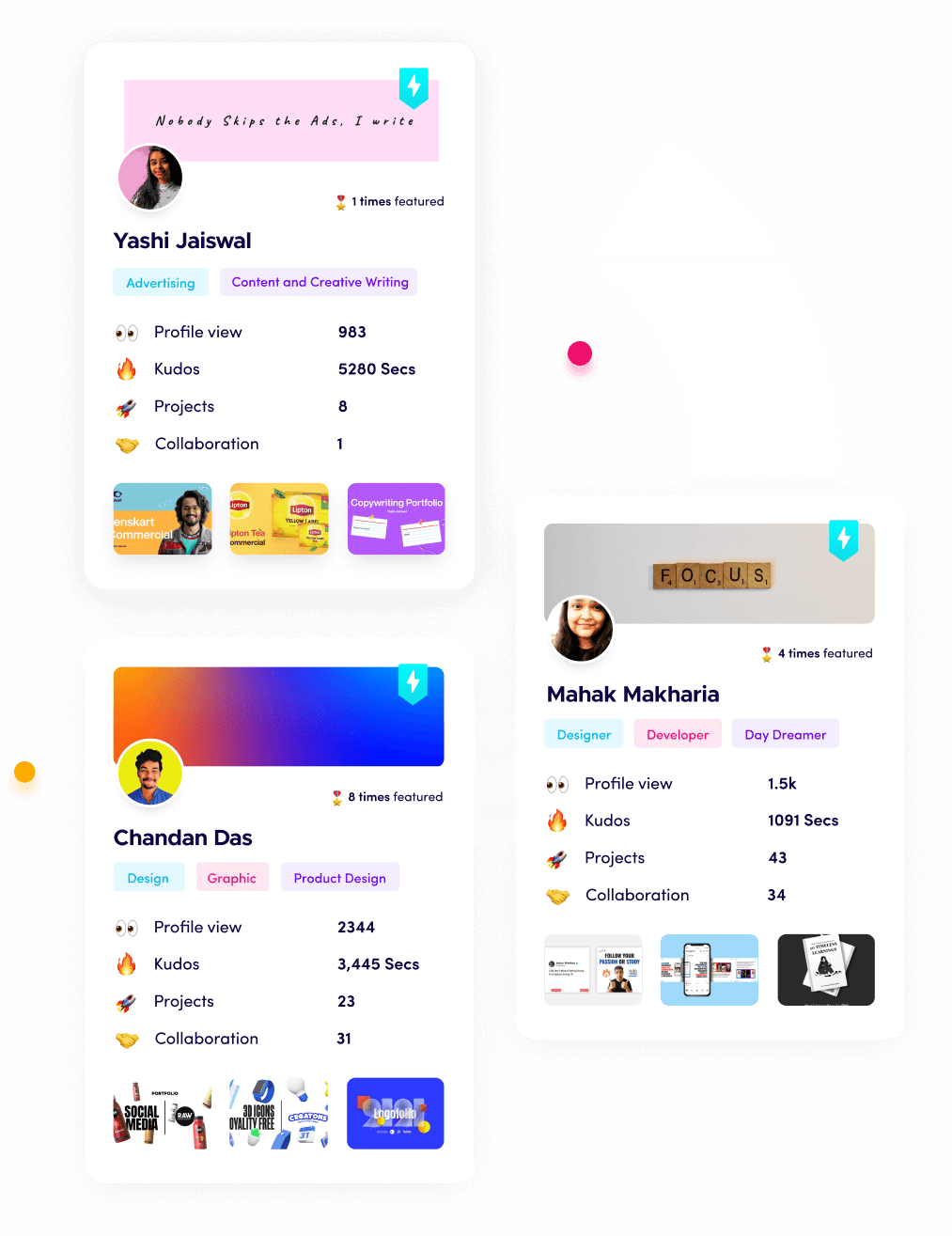
This is exactly where Fueler comes in. Instead of a boring, flat CV, Fueler allows you to showcase your assignments, projects, and actual work samples in a way that proves your skill set to potential employers. It turns your "proof of work" into a high-intent discovery engine, making it easier for companies to see your value and hire you for what you can actually do, rather than just what you say you can do on a resume.
Final Thoughts
The transition from traditional freelancing to the 2026 model is not a threat; it is a massive opportunity for those willing to learn and adapt. By moving from a "worker" mindset to a "strategist" mindset, you can earn more, work with better clients, and build a career that is truly future-proof. The tools have changed, but the demand for high-quality, human-led creative problem-solving is higher than it has ever been in history.
FAQs
1. Is traditional freelancing dead in 2026?
The old way of selling low-level, manual labor for cheap hourly rates is rapidly disappearing because automation can handle those tasks more efficiently. However, freelancing as a career is thriving for those who provide high-level strategy, deep creative insight, and specialized human expertise that machines cannot replicate.
2. How do I start a freelance career if I have no experience?
Instead of waiting for someone to hire you, start by building "proof of work" through personal projects, volunteer assignments, or mock case studies. Show potential clients that you can solve their problems by documenting your process and sharing the results on a professional portfolio platform like Fueler.
3. What are the most in-demand freelance skills for 2026?
The most valuable skills right now are those that combine technical ability with strategic thinking. This includes things like high-level content orchestration, data-driven marketing research, complex project management, and niche technical consulting in fields like sustainability, cybersecurity, and advanced digital design.
4. How can a freelancer compete with global talent?
To win globally, you must stop being a generalist and become a specialist in a specific niche. By focusing on a narrow industry or a very specific type of problem, you become the "go-to" expert for that topic worldwide, allowing you to charge higher rates regardless of where your competitors are located.
5. How often should I update my freelance portfolio?
Your portfolio should be a living document that grows as you do. In 2026, you should aim to add new proof of work or update your existing case studies at least once a month. This shows potential clients that you are active, continuously learning, and consistently delivering high-quality results in the current market.
What is Fueler Portfolio?
Fueler is a career portfolio platform that helps companies find the best talent for their organization based on their proof of work. You can create your portfolio on Fueler. Thousands of freelancers around the world use Fueler to create their professional-looking portfolios and become financially independent. Discover inspiration for your portfolio
Sign up for free on Fueler or get in touch to learn more.

What should you do next?
You've read the article. Now turn your skills into proof of work and unlock more opportunities.
Build your proof of work portfolio
Create a clean portfolio with projects, assignments, resumes, and AI stack details that companies actually want to see.
Create your Fueler portfolio →Apply through assignments, not resumes
Stand out by solving real tasks from companies hiring on Fueler.
Explore assignments →Get discovered by companies
Make your work public and let recruiters discover your skills through actual projects instead of keywords.
Get discovered →