Are Hosting Performance Metrics Maximizing Client Satisfaction?

Riten Debnath
21 Apr, 2026
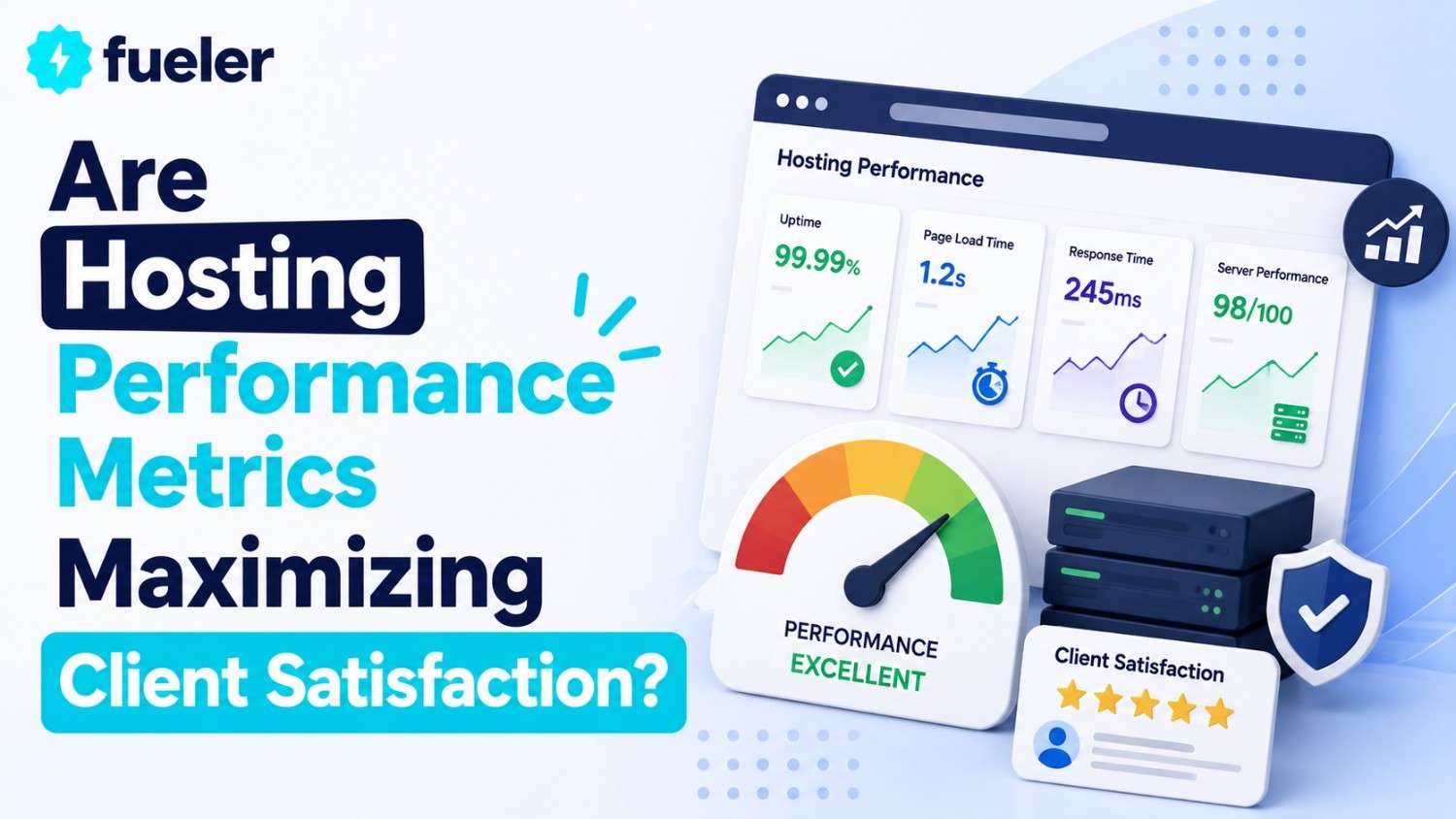
Performance metrics tell a story. Whether that story matches what clients actually experience is a different question. Many teams keep track of uptime percentages, server response times, and load speeds very carefully, but clients still worry about reliability and delays. There is a difference between what the dashboard shows and what users think is real, and it requires closer observation. Understanding how hosting metrics connect to client outcomes is the first step toward closing that gap for good.
What Hosting Metrics Actually Measure
Metrics like uptime, time to first byte (TTFB), and server response time are technical indicators. They reflect infrastructure behavior under specific conditions. What they don't always capture is the full picture of how a site performs for a visitor in the middle of their day, on their device, in their location. Metrics are proxies. They're useful ones, but treating them as the complete story leads to blind spots. The goal is to understand what each number actually represents and what it misses.
Uptime and What Clients Really Notice
A 99.9% uptime guarantee sounds strong. In practice, it allows for just under nine hours of downtime per year. For most sites, that's acceptable. For a client running time-sensitive operations or managing high-traffic campaigns, even a brief outage at the wrong moment causes real damage. Clients don't measure satisfaction in annual percentages. They remember the hour their site went down during a product launch. Uptime matters, but context matters just as much.
Page Speed and the Pressure It Creates
Load time is one of the most visible performance indicators for end users. Visitors form impressions quickly. A page that takes more than a few seconds to load creates friction, which drives people away. Research consistently shows that slower load times correlate with higher bounce rates and lower conversion rates. For clients who depend on their site to generate leads or revenue, page speed isn't a technical detail. It's a business outcome. Hosting infrastructure plays a direct role in how quickly pages render, especially during traffic surges.
How Agencies Can Align Metrics With Client Goals
The challenge for agencies isn't just tracking the right numbers. It's connecting those numbers to what clients care about. A client running multiple campaigns across several web properties needs hosting that holds up under that kind of demand without creating management headaches. Investing in purpose-built web hosting for agencies gives teams the infrastructure needed to match professional demands. When the hosting setup supports the way a team actually operates, translating technical performance into measurable client outcomes becomes far more straightforward.
Latency and the Geography Problem
Server location affects how quickly content reaches visitors. A site hosted on a server in one region may load noticeably slower for users in another. Content delivery networks help by distributing content across multiple locations, which reduces the distance data has to travel. Latency is often overlooked in metric reviews because it doesn't show up as dramatically as a full outage. But it quietly affects user experience, and clients with international audiences feel it more acutely than most. Reviewing latency data by region gives a more complete picture of actual performance.
Scalability and What Happens Under Pressure
Traffic spikes happen. A campaign launches, someone shares a piece of content, or a holiday event attracts a large number of visitors. The question isn't whether spikes will occur. It's whether the hosting infrastructure handles them without degrading performance. Metrics taken during normal traffic times won't show any problems with scalability. Load testing and real-time monitoring during busy times give you information that regular reporting can't. Clients notice when their site slows down under pressure, even if average performance numbers look fine.
Security Metrics and Client Confidence
Performance isn't purely about speed. Security is part of the experience too. SSL certificate status, malware scan results, and backup frequency are all metrics worth reviewing alongside speed and uptime data. A site that loads quickly but gets flagged by browsers for security issues creates a different kind of client problem. By showing security metrics along with performance data, clients can get a better picture of how healthy a site is and feel more confident in the infrastructure that supports their business.
Turning Metrics Into Conversations That Matter
Data is only as useful as the decisions it informs. Sending clients a monthly report filled with technical figures rarely drives meaningful outcomes. Translating those figures into plain-language insights, framed around business impact, is what builds trust. What did uptime mean for availability during peak hours? How did improved load speed affect session duration? When you present metrics to clients in plain terms, they become the foundation for stronger working relationships and better decisions all around.
Conclusion
Hosting performance metrics are valuable tools. But their real purpose is to improve the experience that clients and their visitors have every day. Tracking the right data, understanding what it reflects, and communicating it clearly transforms numbers into outcomes. When metrics and client satisfaction move in the same direction, that's when hosting infrastructure is truly doing its job.
What is Fueler Portfolio?
Fueler is a career portfolio platform that helps companies find the best talent for their organization based on their proof of work. You can create your portfolio on Fueler. Thousands of freelancers around the world use Fueler to create their professional-looking portfolios and become financially independent. Discover inspiration for your portfolio
Sign up for free on Fueler or get in touch to learn more.

What should you do next?
You've read the article. Now turn your skills into proof of work and unlock more opportunities.
Build your proof of work portfolio
Create a clean portfolio with projects, assignments, resumes, and AI stack details that companies actually want to see.
Create your Fueler portfolio →Apply through assignments, not resumes
Stand out by solving real tasks from companies hiring on Fueler.
Explore assignments →Get discovered by companies
Make your work public and let recruiters discover your skills through actual projects instead of keywords.
Get discovered →