Best 15 UX Design Courses for Global Jobs (2026)

Riten Debnath
14 Mar, 2026
So, you’ve decided to jump into UX design? You want to be the person who figures out why users are rage-clicking on your website and fixes it before the CEO has a meltdown? Smart move. UX design is essentially the bridge between what a business wants to sell and what a human actually wants to use. It is less about making things pretty and more about being a professional problem solver who happens to use pixels instead of a wrench. If you are ready to stop guessing what makes a great user experience and start designing like a pro, you have come to the right place. Let’s look at the best courses to get you hired globally in 2026.
I’m Riten, founder of Fueler, a skills-first portfolio platform that connects talented individuals with companies through assignments, portfolios, and projects, not just resumes/CVs. Think Dribbble/Behance for work samples + AngelList for hiring infrastructure.
1. Google UX Design Professional Certificate (Coursera)
This is the gold standard for anyone starting from square one. Google designed this to be a comprehensive, entry-level program that covers the entire design process, from empathy and research to wireframing and testing. It is structured like a university course but moves at your pace, making it perfect for those balancing a job or life while wanting to pivot into tech.
- Full Lifecycle Coverage: You do not just learn to draw boxes; you learn the entire UX process, including user research, information architecture, and usability testing. This breadth is essential for landing junior roles where you will be expected to handle tasks from start to finish without needing constant hand-holding from senior designers who are already swamped with their own projects.
- Three Solid Projects: You build three distinct portfolio projects from scratch, giving you tangible work samples to show employers that you can actually execute a design project independently. These projects range from mobile apps to responsive websites, ensuring your portfolio shows diversity and demonstrates that you have mastered the basics of user-centered design across different platforms and contexts.
- Industry Standards: You get hands-on time with Figma and Adobe XD, the exact tools professional teams use daily, ensuring your technical skills are ready for real-world production environments. Learning these tools in a structured way helps you avoid the common pitfalls that self-taught designers fall into, allowing you to build files that are organized, clean, and ready for developer handoff.
- Peer-Reviewed Feedback: The program includes opportunities for peer assessment, which mimics the real design culture of sharing work, giving and receiving feedback, and iterating based on critique. Learning to accept constructive criticism is a massive part of a designer’s daily life, and starting this habit early will make you much more professional when you eventually join a real product team.
- Global Credibility: Having a Google credential on your profile acts as a massive signal to recruiters everywhere that you understand the modern, high-standard expectations of top-tier tech companies. It does not replace experience, but it definitely helps you get past the initial resume screen, which is often the hardest part of the job hunt for anyone who is brand new to the industry.
Why it matters: It provides a structured, professional-grade foundation that employers trust. When you are just starting, you do not need to reinvent the wheel; you need to prove you understand the industry-standard workflow that top companies use to build digital products. It is the perfect starting line for a career that could take you anywhere in the world.
2. UX Academy (Designlab)
If you are looking for a complete career transformation, this is the bootcamp of choice. It is intensive, mentor-led, and specifically focused on getting you a job. It blends self-paced learning with deep, personalized feedback from working designers, making it feel less like a school and more like an apprenticeship where you are constantly being pushed to do your best work.
- Mentor-Led Feedback: You are paired with a professional designer who reviews your work, gives you brutally honest feedback, and helps you navigate the specific challenges of your projects. This mentorship is the biggest differentiator, as you get to ask a real pro why they made certain decisions, helping you learn the nuance of the job that you cannot find in any textbook.
- Job-Ready Portfolio: The entire course is designed to build a portfolio that actually gets interviews, focusing on high-quality case studies rather than just pretty interface mockups. You learn how to document your research, explain your thought process, and present your work as a business solution, which is exactly what hiring managers want to see when they are evaluating potential new team members.
- Career Coaching: Beyond design, you get dedicated support for your resume, LinkedIn profile, and interview prep, ensuring you are as prepared to sell your skills as you are to perform them. Navigating the job market is a skill in itself, and having a coach in your corner means you won't waste time on ineffective applications or bombing interviews due to lack of preparation.
- Strong Alumni Network: You join a massive, active community of designers who share job leads, tips, and support, which is often how many students find their first roles post-graduation. Having a network of peers who are also transitioning into the industry is a huge morale booster, as it provides you with a safe space to vent, ask for advice, and stay motivated.
- Holistic Curriculum: You cover everything from visual design fundamentals to advanced product strategy, ensuring you can compete for both UI-heavy and research-heavy roles in the current market. This versatility is incredibly important, as companies are increasingly looking for "T-shaped" designers who have a deep knowledge of design but are also capable of understanding business metrics and technical constraints.
Why it matters: It bridges the gap between learning and getting hired. By the time you finish, you don’t just have a certificate, you have a professional-grade portfolio and a clear strategy for how to pitch yourself to hiring managers in a competitive global market. It turns you into a candidate who is ready to provide immediate value.
3. Interaction Design Foundation (IxDF)
Known for its academic rigor, IxDF offers deep, knowledge-focused courses that are excellent for those who want to understand the "why" behind design decisions. It is perfect for those who want to be more than just tool-users.
- Psychology-Based Learning: Every course is rooted in human-computer interaction and cognitive psychology, ensuring you understand how users think rather than just memorizing features. This theoretical grounding makes your design decisions defensible and logical, separating you from designers who simply follow trends without understanding the underlying principles that actually make an interface successful and easy for people to use daily.
- Diverse Learning Paths: You can choose from paths like "Interaction Designer" or "Usability Expert," which allows you to customize your learning based on your specific career goals. Whether you want to focus on research, interface design, or accessibility, you can tailor your curriculum to ensure you are gaining the exact skills that are currently in high demand within your target industry sector.
- Industry-Renowned Instructors: The courses are created by some of the most influential thinkers in the field, providing you with insights that you won't find in typical bootcamp videos. You are learning from the people who essentially wrote the rulebook for modern UX, which means you are getting information that is accurate, historically significant, and deeply relevant to modern design practices.
- Global Community: You get access to a massive global network, allowing you to connect with other designers in your area for local meetups and collaborative projects. This sense of community is crucial for staying updated on local job markets, salary trends, and specific hiring practices, which can vary wildly depending on whether you are looking for roles in Europe, Asia, or the US.
- Self-Paced Convenience: Because the content is modular, you can fit it around your existing work schedule, making it a great option for those who want to upskill without quitting their current job. You can take your time to really absorb the complex material, ensuring you walk away with a mastery of the topics instead of just rushing to complete tasks.
Why it matters: It gives you the "thinker" status that sets you apart from the sea of bootcamp grads who only know how to move pixels in Figma. In a competitive market, being able to articulate the psychology behind your design makes you an indispensable member of any product team.
4. CareerFoundry UX Design Program
This is a comprehensive, mentor-guided program that is specifically designed to take you from total beginner to job-ready in about six to ten months. It is one of the most respected bootcamps globally because of its strong focus on accountability and industry relevance.
- Structured Job Guarantee: They are so confident in their career services that they offer a job guarantee, which provides a layer of security that you won't find with many other online programs. This takes the pressure off your financial situation and allows you to focus entirely on your studies, knowing that the company is as invested in your employment as you are.
- Individual Mentorship: You are assigned a mentor who provides 1-on-1 feedback on all your work, which is vital for catching bad habits early. Having a senior professional in your corner means you are not guessing if your work is "good enough"; you are getting real, actionable feedback that helps you improve your quality until it meets industry-ready standards for junior roles.
- Portfolio-Focused Curriculum: Every assignment you complete is essentially a piece of your final portfolio, meaning you are never doing "busy work" just to fill the time. By the time you graduate, you have a cohesive, impressive body of work that tells a compelling story of your growth and demonstrates your ability to solve complex problems through design.
- Dedicated Career Coach: In addition to your design mentor, you get a coach to help with your resume, portfolio site, and job search strategy. This duality of support/design expertise and job-search expertise means you are being prepared from two different angles, ensuring your design skills are excellent and your ability to sell those skills is equally polished.
- Real-World Project Focus: The program moves beyond simple exercises to include larger, more complex projects that reflect the actual nature of working in a tech company. You learn how to handle ambiguity, manage a long-term design project, and document your process, all of which are essential skills for landing your first role and succeeding once you start.
Why it matters: It’s a complete career infrastructure. You aren't just buying a course; you are buying a path to employment, supported by people who know exactly what employers are looking for in 2026.
5. BrainStation UX Design Bootcamp
BrainStation is the go-to for professionals who want the intense, collaborative feel of an in-person bootcamp but need the flexibility of online classes. Their curriculum is highly collaborative, mirroring the cross-functional teams you will eventually join in the real world.
- Live, Interactive Classes: Unlike static, recorded videos, you attend live classes where you can ask questions, participate in discussions, and get instant feedback. This keeps you engaged and motivated, and it allows you to learn from the questions and mistakes of your fellow students, which often provides as much value as the lecture itself.
- Cross-Functional Collaboration: You work in teams with other students, learning how to communicate design decisions to people with different perspectives. This is exactly what you will be doing as a designer, as you will constantly be working with engineers, product managers, and data analysts who might not share your "design-first" viewpoint.
- Portfolio-Centric Learning: The course culminates in the creation of a professional portfolio that is ready to be sent to recruiters the moment you graduate. By focusing on quality over quantity, you leave with a handful of really strong, deep case studies that show you know how to think strategically and execute beautiful, effective interface designs.
- Career Success Team: You get support from day one, with advisors helping you map out your career path before you even finish the program. This proactive approach means you are networking, refining your LinkedIn, and exploring roles early, rather than waiting until the end of the course to try and figure out what to do next.
- Industry-Aligned Tooling: You use the exact software stack that top product teams currently use, so there is zero learning curve when you finally get hired. Whether it is Figma, Protopie, or advanced data tools, you become fluent in the industry language, ensuring you look like a seasoned professional from day one.
Why it matters: It’s designed to fit into a busy working professional’s life while still providing the high-touch, intense support of a full-time bootcamp. It’s perfect for those who want to upskill quickly without hitting pause on their entire life.
6. General Assembly UX Design Bootcamp
General Assembly is one of the most recognizable names in the education space, and their UX bootcamp is a staple for those looking to break into the tech industry. It has a massive global network and is trusted by countless hiring managers.
- Massive Hiring Network: Because they have been around for so long, they have deep relationships with thousands of companies, which can lead to exclusive job opportunities. When you graduate from GA, you are stepping into an ecosystem that is already connected to the places where you want to work, which can make your job search much more efficient.
- Highly Practical Curriculum: The entire course is designed to get you "job-ready" as fast as possible, focusing on the core skills that you will use in your first week on the job. You will spend less time on abstract theory and more time doing wireframes, conducting user tests, and building prototypes that you can immediately add to your professional portfolio.
- Campus & Online Options: Depending on where you are located, you can choose between in-person learning, which is great for networking, or an online format that fits your schedule. This flexibility allows you to pick the learning environment that helps you thrive, ensuring you get the most out of your investment in your future.
- Career Support Services: You get one-on-one access to career coaches who specialize in the tech industry, helping you navigate the interview process and salary negotiations. Having a professional guide for the "business" side of design is a game changer, especially when you are trying to switch careers and aren't sure how to position your past experience.
- Strong Community Atmosphere: Whether online or in person, you become part of a large, diverse cohort of students, which provides a great support system. You will find that the friendships and connections you make during the program often turn into long-term professional relationships, providing you with a network of peers that will help you for years to come.
Why it matters: It is a reliable, battle-tested path into the industry. You aren't gambling on a new provider; you are choosing a brand that recruiters recognize, respect, and look for when they are hiring for their own teams.
7. Springboard UX Design Bootcamp
Springboard is famous for its 100% online, project-heavy approach, which is ideal for those who prefer to learn by doing. They also offer a strong job guarantee, making it a very popular choice for career changers who want a safety net.
- Self-Paced Learning: You can progress at your own speed, which is great if you have a non-traditional schedule. This means you don't feel pressured to keep up with a live class, allowing you to spend extra time on the topics you find difficult or breeze through the parts you already know, making the learning experience feel highly customized.
- Project-Based Curriculum: You will complete a massive amount of hands-on work, resulting in a robust portfolio that is hard to ignore. Every unit builds toward a major project, so you never feel like you are just learning in a vacuum you are always creating something tangible that you can talk about in your next interview.
- Job Guarantee: Like a few other top-tier bootcamps, they offer a job guarantee, which provides a massive amount of peace of mind. If you don't land a role within a specific timeframe, you get your tuition back, which forces the company to be as committed to your success as you are, creating a great incentive for everyone involved.
- Mentorship for Everyone: You get access to a mentor who provides guidance and reviews your work, ensuring you are on the right track. This personal connection is key to staying motivated during the long process of a bootcamp, as you have someone to turn to when you feel stuck or confused about a concept.
- Portfolio Development: The final portion of the program is entirely dedicated to your portfolio, ensuring you don't just "finish" the course but actually launch your career. This includes everything from polishing your case studies to practicing your design pitch, ensuring you are ready to impress from the very first minute you speak to a recruiter.
Why it matters: It is a great middle ground between "total independence" and "live classes." If you are self-motivated but want the structure and career support of a bootcamp, this is one of the most effective ways to get there.
8. UCLA Extension User Experience Certificate
For those who want a university-backed credential, the UCLA Extension program is a fantastic option. It combines the prestige of a major university with a curriculum that is focused on modern, industry-relevant design practices.
- Prestige of a Top University: Having UCLA on your resume carries a lot of weight, especially if you are looking to move into high-level enterprise or corporate roles. It signals that you have gone through a rigorous program that meets the standards of a top-tier academic institution, which can be a differentiator in a very crowded market.
- Comprehensive Curriculum: The program covers everything from user experience fundamentals to advanced prototyping and AI-driven design tools. This ensures you aren't just learning how to design for today, but you are also getting exposure to the technologies and trends that will be shaping the industry for the next five years.
- Professional Instructor Network: You are taught by real-world professionals who also teach at the university level, giving you the best of both worlds. They bring practical, current industry experience into the classroom, allowing you to learn from their day-to-day work while also benefiting from the structured, academic approach to design.
- Networking Opportunities: As part of a university program, you have the chance to connect with a wider range of students, including professionals from other fields. This can open doors in ways that a standard design-only bootcamp might not, as you are building a network that spans business, tech, and creative industries.
- Flexible Online Format: The program is designed for working adults, so you can attend classes from anywhere in the world. This makes the prestige of a UCLA education accessible, regardless of where you live, allowing you to level up your credentials without having to move or give up your current job.
Why it matters: It gives you the academic credibility of a world-class institution. If you want a credential that will be recognized for its rigor and quality by any HR department in the world, this is a top-tier choice.
9. Pratt Institute UX/UI Design Certificate
Pratt is legendary in the design world, and their certificate program is perfect for those who want a blend of artistic excellence and technical skill. It is especially strong for those who want to focus on visual design and user interface quality alongside their UX skills.
- Design-First Philosophy: Pratt’s deep roots in art and design mean you will learn how to make products that are not just usable, but also visually stunning. This focus on "delight" as a function of design is something that sets their graduates apart, as they understand how to balance complex UX requirements with high-end, beautiful aesthetics.
- High-Quality Production Skills: You will learn how to create deliverable assets that are ready for developers, ensuring your designs are technically feasible and easy to implement. This is a massive plus for employers, as it means you won't be handing over "imaginary" designs that are impossible to code, which is a common complaint about junior designers.
- Industry-Standard Methodologies: You learn the full range of research, wireframing, and usability testing methodologies that are required to succeed in a modern digital agency or tech company. This ensures you have a well-rounded skill set that is not just focused on making things look pretty, but on solving real user problems using proven, research-based techniques.
- Reputation in Creative Industries: If you want to work for a design agency or a high-end brand, Pratt is a household name that will help you stand out. The brand carries a certain cachet that tells employers you have been trained to think creatively and critically, which is highly valued in roles that require a strong design eye.
- Portfolio Building: You spend a significant amount of time building a polished portfolio that reflects your unique design voice. By the time you graduate, you have a set of work that shows not just that you know how to use the tools, but that you have a developed sense of design taste and technical precision.
Why it matters: It is perfect for those who want to be "designer-designers." If you care deeply about the visual experience and want a certificate that carries weight in the creative community, Pratt is an excellent choice.
10. Avocademy
Avocademy is a newer, fast-paced program that is great for people who want to break into the field as quickly as possible. They are known for their "Foundations" program, which is one of the most affordable and structured ways to get your foot in the door.
- Fast-Tracked Learning: The core program is designed to be completed in a few months, which is perfect if you are eager to switch careers and don't want to spend a year studying. It focuses on the most essential, high-impact skills, ensuring you learn exactly what you need to know to get hired as a junior designer, without wasting time on fluff.
- Project-Driven Curriculum: You start by building your first real-world project, giving you immediate experience in the design process. This hands-on approach builds your confidence quickly, as you are not just reading about how to design you are actively doing it, allowing you to troubleshoot real design problems from day one.
- Affordable Entry Point: Their foundations course is very competitively priced, making it accessible for many people who might be priced out of the $10,000+ bootcamps. This lower financial barrier allows you to get started, test your interest in the field, and then decide if you want to invest in the more comprehensive career-support programs later on.
- Flexible Payment Plans: They offer options to make the tuition manageable, which is a huge help for those who are currently between jobs or working on a budget. This flexibility makes it easier to commit to the course without having to worry about massive upfront costs, allowing you to focus on learning rather than financial stress.
- Supportive Community: Even in an online format, they have built a very active Slack community where students and mentors can connect. This provides a great way to ask for help, share your work, and find motivation from others who are also trying to break into the industry, which can be the difference between finishing the program or dropping out.
Why it matters: It’s designed for the "get it done" learner. If you are budget-conscious, goal-oriented, and want a streamlined path to a junior role, this is one of the most practical options on the market.
11. Memorisely UX/UI Bootcamps
Memorisely is a fan-favorite among designers because they teach entirely "live" and avoid boring, static lecture slides. Their "no-PowerPoint" policy means you are spending your time actually working inside the design tools during class, which is incredibly effective for retention.
- No-PowerPoint Policy: You don't sit through endless, mind-numbing lecture slides; instead, you work live with your instructor and classmates in Figma. This learning-by-doing approach is the fastest way to become fluent in the software and understand the "why" behind the design decisions in real-time, preventing the "I understand the theory but can't do it" gap.
- Live, High-Energy Classes: Because classes are live, the energy is infectious, and you are far more likely to stay motivated and keep up with your assignments. It creates a classroom atmosphere that is collaborative and dynamic, allowing you to pick up on the tips, tricks, and keyboard shortcuts that your instructors use every day.
- Weekly Design Critiques: You get regular, live feedback on your work from the instructors and your peers, which is vital for improving your design eye. Learning how to talk about your work and how to take a critique is one of the most important skills in a designer’s career, and you start doing this from the very first week.
- Access to a Global Community: You join a massive, international network of designers, which is great for learning about the job market in different parts of the world. Seeing how designers work in Europe, the Americas, and Asia gives you a broader perspective on the field and can lead to networking opportunities that span the entire globe.
- Constant Curriculum Updates: Because they teach live, they can adapt their curriculum on the fly to include the latest Figma updates or design trends. You aren't learning from a video that was recorded two years ago; you are learning the latest, most efficient way to build a design system, which is a massive competitive advantage.
Why it matters: It’s for the active learner. If you hate sitting still and listening to lectures, this is the most engaging way to learn UX. You walk away with high-fidelity skills and a genuine love for the design process.
12. UX/UI Open
UX/UI Open is unique because it offers a significant portion of its content for free while still providing the community and mentoring you’d expect from a paid bootcamp. It is a fantastic option if you want to "try before you buy."
- Transparent Curriculum: You can preview almost the entire course for free, which is incredibly rare and allows you to see if the teaching style fits you before you spend a penny. This is a huge sign of confidence from the provider and a great way to ensure you are comfortable with the content before committing your time and effort.
- Community-Led Mentoring: By leveraging platforms like ADPList, they provide access to mentors who are working in the industry right now. This means you are getting advice from people who are currently in the thick of the job market, which is far more valuable than getting advice from someone who has been out of the industry for a few years.
- Focus on Real Applications: You aren't just designing for class, you are designing real-world applications that require you to solve actual user problems. This practical focus is exactly what recruiters want to see in a portfolio, as it proves you can handle the complexities of real product development and not just "school project" constraints.
- Scalable Learning: Whether you want to just follow the free modules or go all-in on the paid, mentored cohort, the structure is designed to be accessible at any level. This gives you a lot of control over your learning experience and ensures that you can move forward at your own pace while still benefiting from a strong support structure.
- Great for Beginners: It is designed to be very approachable, making it perfect for someone who isn't even sure if they want to be a designer yet. You can start slowly, learn the basics, and build up your skills, knowing that the resources you need are there whenever you are ready to take the next step.
Why it matters: It lowers the barrier to entry significantly. If you are hesitant about spending thousands of dollars on a "maybe," this is the smartest way to start your journey without the financial risk.
13. Noble Desktop UX Design Bootcamp
Noble Desktop is a long-standing institution that is well-known for its intensive, expert-led training. Their UX bootcamp is highly structured and focuses heavily on the technical proficiency needed for a career in tech.
- Deep Technical Dive: They don't just teach UX; they ensure you are technically proficient with all the industry-standard software tools. This means you will spend a good amount of time in Figma and other design tools, ensuring your technical skills are sharp enough to handle any task a real-world product team throws your way from day one.
- Professional Certification: Upon completion, you receive a certificate that is well-recognized in the industry, which can help you stand out when you are applying for junior roles. Having a recognizable name on your resume helps to legitimize your transition and provides a clear signal to hiring managers that you have completed a substantial, professional-grade training program.
- Small Class Sizes: They emphasize small class sizes, which means you get more personalized attention from your instructor. This is a massive benefit if you find that you learn better with more individual support, as you can get your specific questions answered and have your work reviewed in a more intimate environment.
- Comprehensive Career Support: They offer significant help with your resume and job search strategy, ensuring you are prepared for the reality of the market. This includes everything from interview prep to LinkedIn optimization, helping you transition from a "student" mindset to a "professional job seeker" mindset as quickly as possible.
- Strong Foundation in Research: You learn the full range of research techniques, from user interviews to usability testing, which is essential for any senior-level design role. By focusing on the "why" and the "how," they prepare you for the reality that design is a research-based process, not just an artistic one.
Why it matters: It is a no-nonsense, highly practical bootcamp. If you want a structured, intensive program that will turn you into a technical powerhouse, Noble Desktop is one of the most reliable ways to do it.
14. Hatchways
Hatchways is a bit different because it acts more like a bridge between learning and hiring. They are known for their practical assessments that mimic the "take-home" projects that companies use to hire junior talent, making them an excellent choice for those who are almost ready to work but need that final push.
- Real-World Hiring Simulations: You get to do practice take-home projects that are similar to what you will actually face in a real job interview. This is a huge advantage, as it removes the fear of the unknown and allows you to practice your performance under "real" conditions, which will make you much more confident during the actual hiring process.
- Actionable Feedback: You get personalized reviews on your work, which helps you understand exactly where you are strong and where you need to improve. This feedback loop is essential for closing the gap between being a "good student" and a "hired professional," as it highlights the specific skills that companies are looking for in their junior team members.
- Focus on Employability: The entire mission is to help you get hired, so the content is laser-focused on the skills that have immediate commercial value. You aren't just learning design; you are learning how to be a design-employee who can work effectively in a team, understand business goals, and produce high-quality work on a deadline.
- Bridge to Industry: They have a strong focus on connecting candidates with companies, making them an excellent partner to have during your final job hunt. If you have the design skills but are struggling with the "how do I actually get the interview" part, this is the type of resource that can help you break through those barriers.
- Peer-Comparison Insights: You get to see how your work stacks up against others, which is great for understanding the level of quality that is currently winning jobs in the market. This reality check is invaluable, as it prevents you from overestimating your skills and pushes you to keep refining until you are undeniably ready to be hired.
Why it matters: It is the "last mile" of your education. If you have done the learning but are struggling to translate that into a job offer, this is the perfect resource to help you bridge that final gap and land your first role.
15. University of Washington UX Certificate
The University of Washington is a global leader in tech education, and its UX certificate is perfect for those who want a rigorous, university-level program that is focused on both research and visual design.
- Research-Heavy Curriculum: They put a huge emphasis on user research, which is a rare and highly valuable skill in the design industry. By learning how to design based on data and user behavior rather than just intuition, you become the kind of designer who can defend their work to stakeholders and prove the business impact of your design choices.
- Multidisciplinary Approach: You get exposure to fields like information architecture and content strategy, which are vital for designing complex digital experiences. This breadth of knowledge makes you much more versatile than a designer who only focuses on interface, allowing you to take on roles that require a deep understanding of how a product works at a systems level.
- Hands-On Capstone: You complete a high-fidelity prototype that integrates UX, UI, and visual design, which is a perfect portfolio piece. Because it is done through a rigorous university program, you have the benefit of professor-led reviews, ensuring that the end result is not just good, but polished, professional, and ready to show to any employer.
- Scholarship Opportunities: They offer significant scholarship support, making this high-quality education more accessible than many other programs. If you are worried about the cost of a prestigious certificate, the scholarship process can make a huge difference, allowing you to invest in a world-class education that fits within your budget.
- Industry Advisory Board: The curriculum is regularly updated by an industry board of experts, ensuring that you are learning the latest tools, methods, and trends. This level of quality control is a massive plus, as you know, you aren't learning outdated practices; you are learning the exact skills that are currently in demand at top-tier tech companies.
Why it matters: It is for the professional who wants the deepest, most rigorous possible foundation. If you want a credential that demonstrates your commitment to excellence and your deep understanding of both design and research, this is the ultimate choice.
Strategic Portfolio Building with Fueler
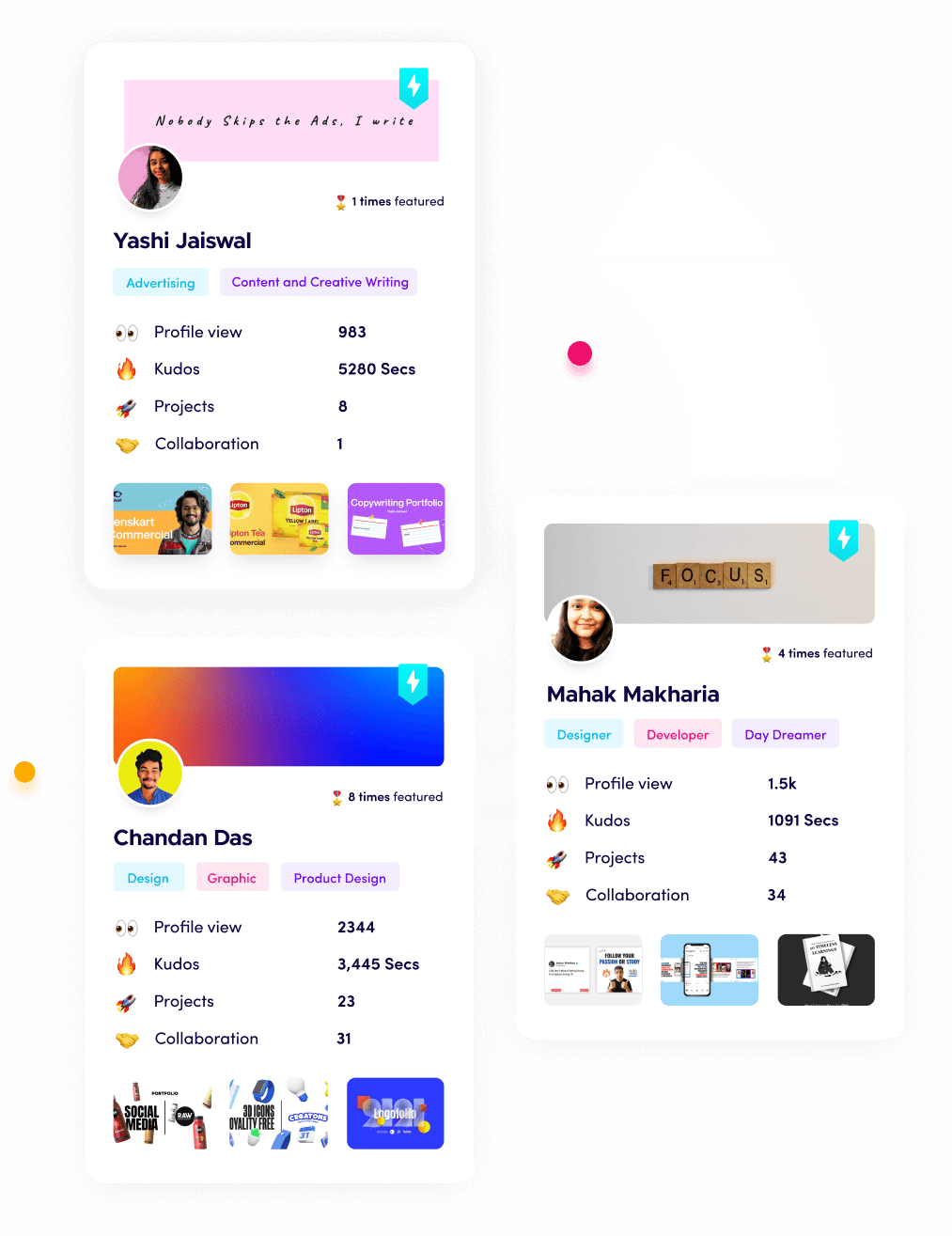
While these courses give you the knowledge, your future employer needs to see the proof. This is where Fueler steps in. Think of your Fueler profile as your secret weapons place to showcase the actual assignments, case studies, and projects you complete during these courses. Instead of just listing a certificate on your resume, you can share live links to your user research docs, wireframes, and prototypes. When you apply for jobs, showing a portfolio of "done" work samples demonstrates your potential far better than any piece of paper ever could.
Final Thoughts
UX design is a wild ride, but you do not have to drive alone. Whether you go with the industry-hardened approach of a bootcamp or the academic prestige of a university program, the key is to stop being a passive student and start acting like a builder. Pick a course, commit to the projects, and build a portfolio that makes recruiters stop scrolling. The market doesn't care about your potential; it cares about what you have already shipped. Keep learning, keep building, and stay curious.
FAQs
1. Which UX design course is best for beginners in 2026?
If you are starting from zero, the Google UX Design Professional Certificate is widely considered the most beginner-friendly. It provides a comprehensive, structured introduction to the entire design process, from research to high-fidelity prototyping, making it a perfect, low-pressure entry point for anyone looking to pivot into the tech space.
2. Can I get a job just by doing online UX design certifications?
Certifications are a great starting point, but they are not magic bullets. Employers want to see proof of your skills. To truly stand out, use your course projects to build a professional portfolio of real-world work samples on platforms like Fueler. This proves you have applied the concepts in practical scenarios, which is much more persuasive than just holding a certificate.
3. Do I need to be artistic to become a successful UX designer?
Not at all. While having an eye for design helps with the UI portion, UX design is primarily about logic, psychology, research, and problem-solving. If you are good at analyzing how things work, empathizing with user frustrations, and thinking through complex systems, you have the core traits needed to be a highly successful designer.
4. How long does it usually take to land my first UX job?
The timeline varies, but most motivated career switchers see a transition within 6 to 12 months. This period involves completing a rigorous certification, networking with peers, attending design events, and actively refining your resume and portfolio. Treat your job search like a project you are managing, and you will see better results.
5. Are there free resources to learn UX design basics?
Yes, you can find excellent free introductory content on platforms like UX/UI Open, YouTube channels from industry leaders, and blogs from companies like the Interaction Design Foundation. While these don't always provide a certification or personal mentorship, they are great for validating your interest in the field before you commit your time and money to a paid program.
What is Fueler Portfolio?
Fueler is a career portfolio platform that helps companies find the best talent for their organization based on their proof of work. You can create your portfolio on Fueler. Thousands of freelancers around the world use Fueler to create their professional-looking portfolios and become financially independent. Discover inspiration for your portfolio
Sign up for free on Fueler or get in touch to learn more.

What should you do next?
You've read the article. Now turn your skills into proof of work and unlock more opportunities.
Build your proof of work portfolio
Create a clean portfolio with projects, assignments, resumes, and AI stack details that companies actually want to see.
Create your Fueler portfolio →Apply through assignments, not resumes
Stand out by solving real tasks from companies hiring on Fueler.
Explore assignments →Get discovered by companies
Make your work public and let recruiters discover your skills through actual projects instead of keywords.
Get discovered →