Biological Systems Engineering at Plaksha University Explained

Riten Debnath
29 Aug, 2026

Last updated: August 2026
Traditional biology education treats living organisms as subjects of memorization, demanding that students draw static cell diagrams, memorize metabolic pathways, and cram taxonomical classifications. On the other hand, traditional engineering programs treat software and mechanics as cold silicon and steel, ignoring the complex, self-healing, and adaptive algorithms that nature perfected over billions of years. When you separate biology from engineering, you miss out on the biggest technological revolutions of our century, from CRISPR gene editing and synthetic biology to AI-driven drug discovery and neural interfaces.
I’m Riten, founder of Fueler, a skills-first portfolio platform building the career infrastructure for 100 million creative professionals. Fueler connects talented individuals with companies through assignments, portfolios, and projects, not just resumes or CVs. Think of it as Dribbble/Behance for work samples combined with AngelList for hiring infrastructure.
In running Fueler, I review thousands of proof of work submissions from ambitious students across India every month. The absolute biggest blind spot I see in technical hiring is the artificial separation of domains. Bio-tech companies and health-tech startups struggle to find talent because pure computer science graduates do not understand genetic sequences, while pure life science graduates cannot write production-grade Python code to train machine learning models.
When I dove deep into the Biological Systems Engineering at Plaksha University program, it immediately stood out as a paradigm shift. It is designed specifically to dismantle the wall between life sciences, computational data science, and engineering systems design.
Here is an analytical, grounded breakdown of what this 4-year BTech program actually delivers, how the course structure operates, what it costs, and whether it aligns with your long-term career trajectory.
Quick Answer Summary
- Who It Is For: Students passionate about the intersection of biology, medicine, coding, artificial intelligence, and environmental engineering.
- Cost: Approximately ₹33.60 Lakhs in base tuition fees, with total residential costs reaching around ₹43.73 Lakhs over 4 years.
- Key Takeaways: Teaches you to model biological processes mathematically, process genomic datasets using machine learning, and engineer bio-based materials and diagnostic tools.
- Best Suited For: High school graduates with a background in Physics, Chemistry, and Biology/Mathematics who want to build tech products in health-tech, synthetic biology, and bioprocess engineering.
What is Biological Systems Engineering at Plaksha University?
Biological Systems Engineering (BSE) at Plaksha University is a 4-year undergraduate engineering degree offered at its Mohali campus. It is built on the principle that living systems are complex, dynamic networks that can be modeled, programmed, and optimized using engineering principles.
At a basic level, instead of asking "How does this biological cell function in nature?", a biological systems engineer asks, "How can we re-engineer this cellular process using CRISPR, model its behavior with Python, and scale it inside a bioreactor to produce life-saving therapeutics?"
In more depth, modern healthcare, agriculture, and materials science are undergoing a computational transformation. Drug discovery is no longer just wet-lab trial and error; it relies heavily on deep learning models predicting protein folding structures. Agriculture is shifting toward synthetic biology to build drought-resistant crops, and diagnostics rely on microfluidic biosensors that interface directly with electronic hardware.
This BTech major combines cell biology, biochemistry, and genetics with machine learning, computational data science, sensing mechanisms, and bioprocess engineering. You learn how biological components communicate, process information, and respond to stimuli, giving you the toolkit to design functional solutions across therapeutics, environmental sustainability, and bio-inspired technology.
Key Facts Table
Detailed Explanation
To understand the core mechanics of this major, you need to break down how its primary disciplines integrate into a single engineering framework.
Molecular and Cellular Engineering
The cellular level serves as the fundamental building block of life. In this segment of the curriculum, you study cell biology, biochemistry, molecular biology, and genetics. However, the approach differs significantly from a traditional pure science degree.
You study genetic engineering techniques, including gene editing platforms like CRISPR-Cas9, recombinant DNA technology, and protein biosynthesis. The focus is on understanding how genetic code functions as programmable software. You analyze metabolic pathways to see how cells absorb energy, process chemical inputs, and secrete outputs, preparing you to modify cellular machinery for industrial and therapeutic applications.
Bioinformatics and Computational Data Science
Biological systems generate massive, high-dimensional datasets from full-genome sequencing files to complex protein structure coordinates. Hand-calculating or manually inspecting these inputs is impossible.
The computational track trains you in algorithms, object-oriented programming, data structures, and statistical modeling. You take specialized courses in bioinformatics, computational biology, machine learning, and deep learning. This enables you to process genomic sequences, run pattern recognition algorithms to identify disease markers, and build predictive models for drug candidate interactions.
At Fueler, we consistently observe that tech candidates who build actual proof of work projects such as open-source bioinformatics tools or machine learning models trained on public genomic databases stand out immediately to deep-tech recruiters over those who rely purely on theoretical resumes.
Bioprocess Engineering and Hardware Systems
A biological discovery inside a small lab test tube is useless if it cannot be manufactured safely at scale. This component bridges the gap between molecular experiments and commercial manufacturing.
You study bioprocess engineering, materials science for bioengineering, sensing and actuation, and nucleic acid/protein biosensors. You learn how to design bioreactor environments, maintain precise temperature and nutrient controls for cell cultures, and develop diagnostic hardware that detects biomarkers using optical or electronic sensors. This systems-level knowledge is essential for scaling bio-manufacturing, developing point-of-care medical devices, and implementing bioprocesses in industrial settings.
How It Works
The 4-year curriculum at Plaksha follows a deliberate, multi-phase structure designed to build strong computational and scientific foundations before transitioning into advanced bioengineering applications.
- Year 1 (Freshmore Foundation): All undergraduate students complete a shared interdisciplinary foundation. You take modules in Computational Thinking, Programming and Data Structures, Engineering Math in Action, Engines of Life, Nature's Machines, and the Innovation Lab & Grand Challenge Studio.
- Year 2 (Core Science & Engineering Integration): You step directly into major-specific requirements. Coursework covers Cell Biology, Fundamentals of Microeconomics, Introduction to Data Science, Electronic System Engineering, Computational Methods & Optimization, and Intelligent Machines.
- Year 3 (Advanced Bio-Computation & Applied Systems): You engage with deep specialized topics. This includes Biochemistry and Molecular Biology, Bioinformatics and Computational Biology, Genetics and Genetic Engineering, Material Science for Bioengineering, Sensing and Actuation, and Machine Learning.
- Year 4 (Specializations & Capstone Project): The final year is dedicated to electives and real-world execution. You take advanced modules like Diagnostic Technologies, Neuroscience, Biomedical and Pharmaceutical Polymers, and Deep Learning. You complete a year-long capstone project in collaboration with industry partners or research labs, converting theoretical understanding into functional prototypes.
Benefits
Choosing an interdisciplinary BTech in Biological Systems Engineering provides several distinct practical advantages over standard single-domain degrees.
- Cross-Disciplinary Competence: You bridge the gap between computer science and life sciences, making you fluent in both Python code and molecular genetics.
- High Relevance to Emerging Markets: Fields like AI-driven therapeutics, personalized medicine, agricultural biotechnology, and synthetic biology are growing rapidly and demand integrated skill sets.
- Project-First Portfolio Building: The curriculum emphasizes studio labs and open-ended design challenges. You graduate with a portfolio of verified proof of work rather than just a transcript of test grades.
- Direct Path to Research & Deep-Tech Roles: The combination of machine learning, wet-lab experience, and bioprocess design prepares you for roles in global research labs, biotech startups, and pharmaceutical companies.
- Flexible Career Paths: You are not locked into a single job track. Your skills apply to health-tech, data science, environmental engineering, biomanufacturing, and computational research.
Challenges / Limitations
Despite its forward-thinking design, this major involves clear trade-offs that every student and parent should evaluate before committing.
- Significant Financial Outlay: Total expenses exceed ₹43 Lakhs over four years, making it a high-capital investment that requires clear ROI planning or financial aid.
- Demanding Interdisciplinary Workload: Balancing advanced organic biochemistry, wet-lab protocols, differential equations, and deep learning algorithms demands high academic rigor and time management.
- Niche Local Job Market in India: While global demand for bio-computational engineers is expanding rapidly, the domestic Indian market for core synthetic biology and bioprocess roles is still emerging compared to standard IT software engineering.
- Not a Pure Software Engineering Track: If your sole goal is traditional web development, cloud computing, or mobile app development, a standard Computer Science major offers a more direct path without the heavy life-science commitment.
Comparison Table
Fees / Cost
Understanding the complete fee structure is vital for long-term financial planning.
- Base Academic Tuition: ₹33.60 Lakhs across the 8-semester timeline.
- Hostel & Residential Fees: ~₹9.08 Lakhs covering air-conditioned accommodation and meal plans across 4 years.
- One-Time Fees: ~₹1.05 Lakhs covering refundable security deposits and one-time admission charges.
- Total Estimated Investment: ~₹43.73 Lakhs for the complete 4-year residential program.
- Scholarships & Financial Aid: Plaksha offers substantial need-based financial aid and merit scholarships. Need-based waivers scale based on total family income, with significant tuition fee reductions available for eligible families.
Career Opportunities
Graduates with this interdisciplinary BTech degree can access modern tech, health, and research sectors.
- Bioinformatics Associate / Computational Biologist: Analyzing large-scale genomic datasets, running sequence alignments, and building predictive models for disease markers using Python and R.
- Biological Systems Engineer: Designing bioprocess models, biomanufacturing workflows, and sustainable biological loops for industrial applications.
- Health-Tech Product Specialist: Working at the intersection of medical software, wearable biosensors, and diagnostic algorithms to build patient-facing digital health products.
- Bioprocess Engineer: Managing and optimizing large-scale cellular cultivation, protein extraction, and therapeutic manufacturing pipelines in pharmaceutical companies.
- Research Scientist (Deep-Tech / Synthetic Bio): Developing novel genetic constructs, tissue engineering frameworks, or bio-inspired materials inside research labs and venture-backed startups.
Who Should Choose This?
- Students who are fascinated by biology but also love coding, math, and building technology products.
- Aspirants looking to build careers in AI-driven healthcare, bioinformatics, synthetic biology, or bio-manufacturing.
- Learners who want to build a verified portfolio of real-world proof of work projects during their undergraduate years.
- Students who want a strong foundation for master's or PhD programs at top global research universities.
Who Should Avoid This?
- Students who want a traditional, low-cost basic science or engineering degree without taking on a major financial commitment.
- Learners who disengage when working with biological concepts, wet-lab protocols, or cellular science.
- Candidates seeking a pure IT or enterprise software engineering path who have no interest in healthcare or life science applications.
- Students who prefer passive, traditional lecture-style learning without project studios or hands-on laboratory requirements.
Final Thoughts
The next major wave of technological innovation will not happen purely in software or apps; it will happen at the convergence of biology, data science, and engineering. Companies and research institutions are actively searching for professionals who can translate biological data into actionable computational code and engineered products.
At Fueler, we see this trend unfolding across every technical domain. Hiring managers care far less about static credentials and far more about proof of work what you have built, tested, and shipped.
The Biological Systems Engineering BTech at Plaksha University offers a modern, rigorous platform to build that exact capability. If you have a strong quantitative background, a genuine curiosity for living systems, and a clear financial strategy, this program provides a powerful launchpad for the future of health-tech and bio-innovation.
Key Takeaways
- Fuses molecular biology, genetic engineering, bioprocess design, and machine learning into a single 4-year BTech.
- Emphasizes studio-based project learning, lab work, and practical portfolio creation.
- Total 4-year cost sits at approximately ₹43.73 Lakhs, with need-based financial aid available for eligible families.
- Prepares students for careers in bioinformatics, health-tech, biomanufacturing, and synthetic biology.
- Requires comfort with both biological concepts and computational tools like Python, algorithms, and data science.
FAQs
What degree is awarded in Biological Systems Engineering at Plaksha?
You receive a 4-year Bachelor of Technology (BTech) in Biological Systems Engineering, combining cell biology, genetic engineering, computational data science, and bioprocess design.
Is Mathematics mandatory in Class 12 for this program?
Physics and Biology/Mathematics in Class 12 are standard requirements, with Plaksha considering students with strong quantitative aptitude across science backgrounds.
What coding languages do you learn in this major?
You primarily learn Python and R for data science, bioinformatics analysis, machine learning models, and computational biology applications.
What is the total fee for this 4-year BTech program?
The complete 4-year cost is approximately ₹43.73 Lakhs, which covers base tuition, residential hostel accommodation, meal plans, and administrative deposits.
What career roles can I pursue after graduating?
You can target roles like Bioinformatics Associate, Biological Systems Engineer, Bioprocess Engineer, Health-Tech Product Specialist, and Deep-Tech Research Associate.
Why 100,000+ professionals use Fueler
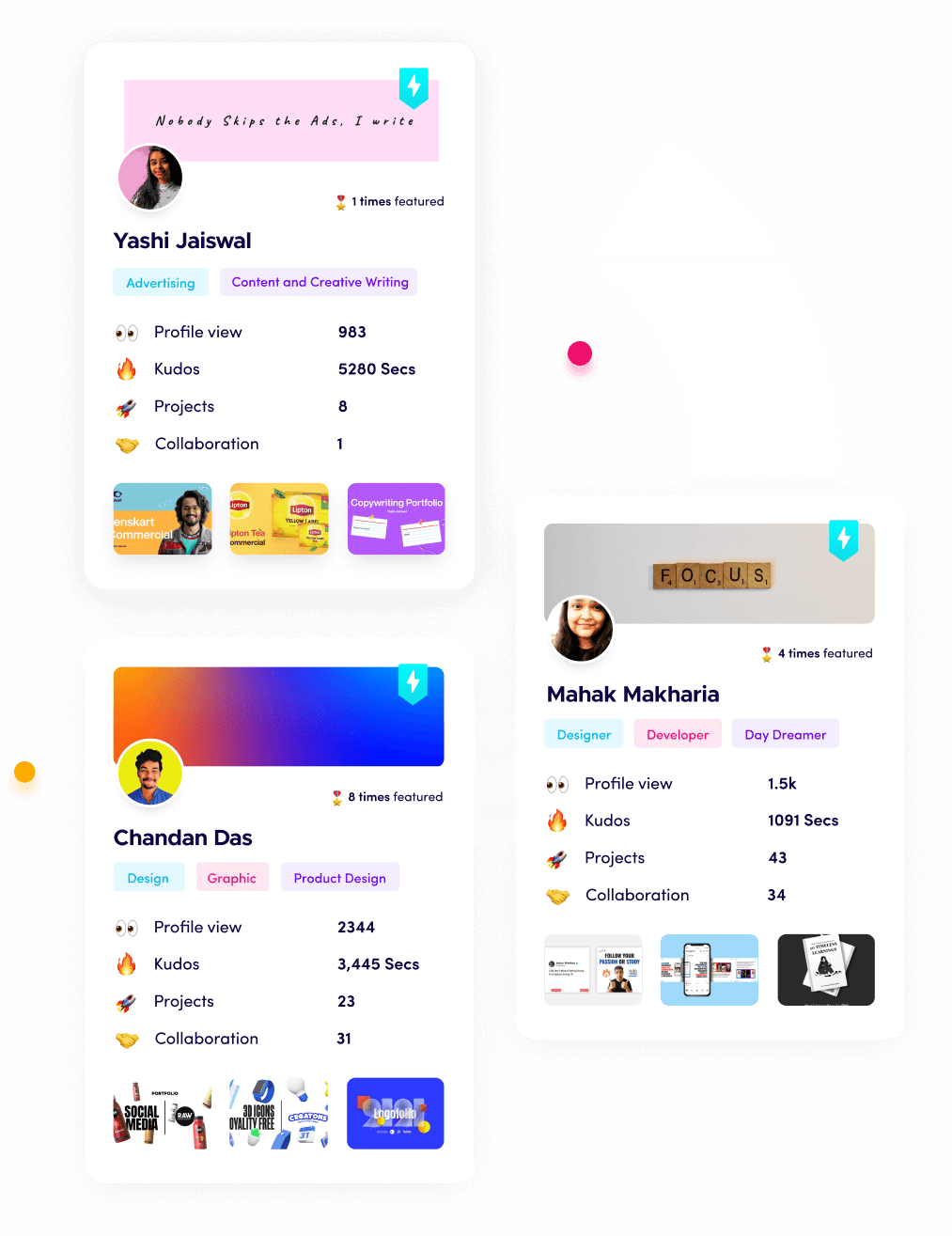
Fueler helps professionals showcase proof of work through projects, assignments, case studies, and achievements.
- Thousands of professionals use Fueler to create their digital portfolio
- Thousands of projects are published on Fueler. Check here
- Startups and Companies hire through proof of work on Fueler
- Used by freelancers, creators, marketers, video editors, writers, designers, and product managers
Our mission is to help the next 100 million professionals build a verified professional identity through proof of work

What should you do next?
You've read the article. Now turn your skills into proof of work and unlock more opportunities.
Build your proof of work portfolio
Create a clean portfolio with projects, assignments, resumes, and AI stack details that companies actually want to see.
Create your Fueler portfolio →Apply through assignments, not resumes
Stand out by solving real tasks from companies hiring on Fueler.
Explore assignments →Get discovered by companies
Make your work public and let recruiters discover your skills through actual projects instead of keywords.
Get discovered →