How AI Is Changing the Skills Professionals Need to Build Their Careers

Riten Debnath
07 Oct, 2026
AI is changing the skills you need at work, and it is happening fast. The World Economic Forum's Future of Jobs Report 2025 says employers expect 39% of workers' core skills to change by 2030. That means more than one in every three skills you use today may look different in just five years.
I am Riten, and I am building Fueler, a portfolio platform where companies hire people through real assignments instead of only reading resumes. Building Fueler has made one thing very clear to me. AI is not making people less important. It is making the right skills more valuable than ever.
Quick answer: To build a strong career in the age of AI, you need two kinds of skills. First, you need to know how to use AI tools well in your own field. Second, you need human skills like clear thinking, good communication, problem-solving and the ability to adapt. The people who mix both, and can prove it with real work, will get the best opportunities.
What Skills Are Changing Because of AI?
Let me start with what the data says. These are not guesses. They come from large public reports.
39% of skills will change by 2030: This is the WEF's estimate for core skills. It is a big shift in a short time.
AI and big data are growing the fastest: The WEF lists AI and big data as the fastest-growing skills, followed by networks and cybersecurity, and technology literacy.
Human skills are still at the top: The top core skills employers want in 2025 are analytical thinking, resilience and flexibility, leadership, creative thinking, and self-motivation.
Job skills are changing even faster on LinkedIn: LinkedIn has said that the skills needed for jobs could change by at least 65% by 2030, and AI is speeding this up.
Many people will need to learn new things: The WEF says that out of every 100 workers, 29 will need to improve skills in their current job and 19 will need to learn skills for a new job by 2030.
Which AI Skills Should Professionals Learn First?
You do not need to become a coder or an engineer. You need to be good at using AI for the work you already do. Here is where I would start.
Learn the AI tools in your own field: If you are a video editor, learn AI tools for cutting, captions and sound. If you are a marketer, learn AI tools for research and writing. Use them every day, not once. This list of AI tools to learn to get hired fast is a good place to begin.
Give clear instructions: AI gives better results when you explain the task clearly. Good instructions are really a writing skill, and anyone can practise it.
Check the output: AI can make mistakes and still sound sure. Knowing when something is wrong is now one of the most useful skills you can have.
Get comfortable with data: You do not need to be an analyst. But reading a simple chart or sorting a spreadsheet helps in almost every job.
Use AI to improve how you work: The biggest gains come when you change your whole process with AI, not when you save five minutes on one small task.
Why Are Communication, Problem-Solving and Adaptability More Important Now?
When AI can write the first draft, your value moves to the things AI cannot do well on its own. I believe this is the most hopeful part of the whole story.
Thinking clearly about the problem: AI answers the question you ask. The person who asks the right question wins. This is why analytical thinking is the number one core skill in the WEF report.
Communicating well: Explaining your idea, presenting to a client and writing a clear update build trust. Trust is what gets you hired again and again.
Adapting quickly: Tools change every few months. Being flexible and willing to learn again is now part of the job. The WEF ranks resilience, flexibility and agility second among core skills.
Being creative: Creative thinking is on both WEF lists, the top skills today and the fastest-growing skills. Your ideas and your taste are what make your work different.
Owning the result: AI makes it cheaper to do tasks. So the person who takes full responsibility for the final result becomes more valuable.
Why It Matters
The gap between people who adapt and people who do not will grow fast. The WEF estimates that 11 out of every 100 workers will need training by 2030 but may not get it. I do not want anyone in our community to be in that group. In India, especially in creative and digital jobs, I see this as a big chance. Companies are looking for people who can use AI and also think, communicate and deliver. There are not enough such people yet. If you start building these skills today and show them clearly, you will stand out. If you are curious where these skills can take you, read about the high-income AI careers that are growing right now.
How Do You Show AI Skills in Your Portfolio?
Writing "AI tools" on your resume does not tell a company much. Showing what you made with those tools tells them everything. This is exactly why I built Fueler around proof of work.
Show before and after: Pick one task you improved with AI. Show how long it took before, how long it takes now, and how the final result got better.
Explain your thinking: Add a few lines to each project. What was the problem, what did you do, which tools did you use and why?
Show both kinds of skills: A project that shows AI-based research plus a clear client presentation proves you have the full package.
Add new work often: Skills change fast, so your portfolio should too. Add something new every month. If you freelance, here are some high-demand AI skills for freelancers worth showing.
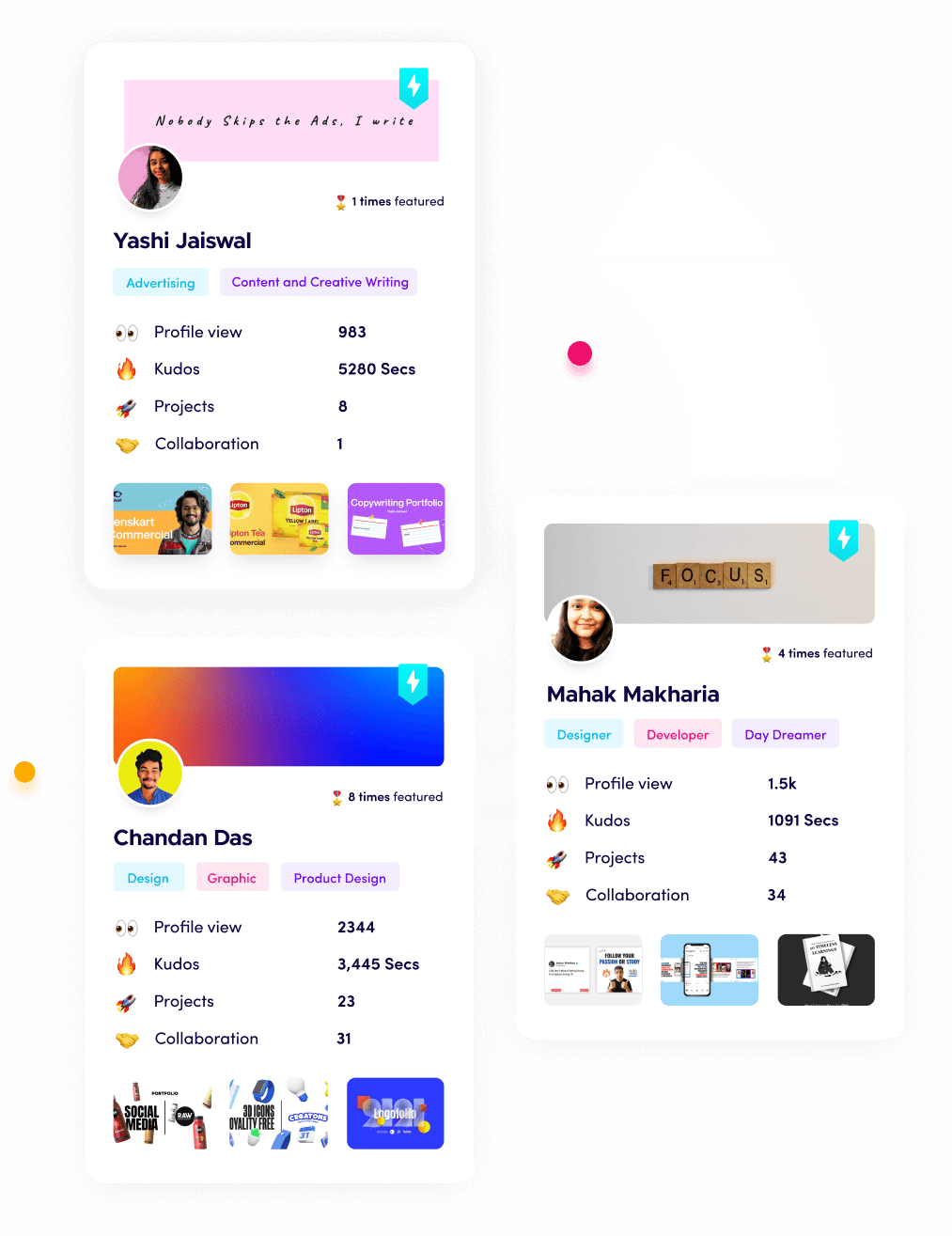
Keep all your proof in one place: On Fueler, you can show your projects and assignments together so companies can see your real work. Here is a simple guide on how to build a proof of work portfolio.
Want to see the bigger picture? Read more about the future of work with AI agents and how teams will work alongside them.
Final Thoughts
AI is changing the skills we need, but it is not taking away your value. It is asking you to grow. The people who will do well in the next five years are not the ones who know the most tools. They are the ones who use tools to solve real problems, explain their work clearly and keep learning. Start small. Learn one tool, build one project and show it to the world. Your work can open doors that a resume never could.
Frequently Asked Questions
What are the most in-demand skills because of AI in 2026?
According to the WEF Future of Jobs Report 2025, the fastest-growing skills are AI and big data, networks and cybersecurity, technology literacy, creative thinking, and resilience and flexibility. Analytical thinking is still the top skill employers want.
Will AI take my job or change it?
For most people, AI will change how they work more than it replaces them. The WEF expects 39% of core skills to change by 2030, so the safest path is to learn AI tools for your field and build strong human skills alongside them.
Do I need to learn coding to get a job in the AI era?
No, not for most jobs. Knowing how to use AI tools in your own field, checking AI output and basic data skills matter more for most professionals than learning to code.
Which soft skills are most important with AI at work?
Analytical thinking, communication, creative thinking, adaptability and taking ownership of results are the most important. The WEF ranks analytical thinking and resilience as the top two core skills for 2025.
How can I prove my AI skills to employers?
Show real projects instead of only listing tools. Share how you used AI to improve a task, explain your process and keep this work in a proof of work portfolio on Fueler where companies can see it directly.
What should you do next?
You've read the article. Now turn your skills into proof of work and unlock more opportunities.
Build your proof of work portfolio
Create a clean portfolio with projects, assignments, resumes, and AI stack details that companies actually want to see.
Create your Fueler portfolio →Apply through assignments, not resumes
Stand out by solving real tasks from companies hiring on Fueler.
Explore assignments →Get discovered by companies
Make your work public and let recruiters discover your skills through actual projects instead of keywords.
Get discovered →