How AI Is Replacing Traditional Workflows

Riten Debnath
09 May, 2026

Last updated: May 2026
For decades, the "traditional workflow" meant spending hours on repetitive tasks like manual data entry, endless email chains, and basic scheduling. It was a world where professional life was often drained by "work about work" rather than actual creativity. But as we sit in 2026, the script has flipped. The old way of doing things is being replaced by intelligent systems that act as a digital nervous system for businesses, making the old, slow methods look like relics of the past.
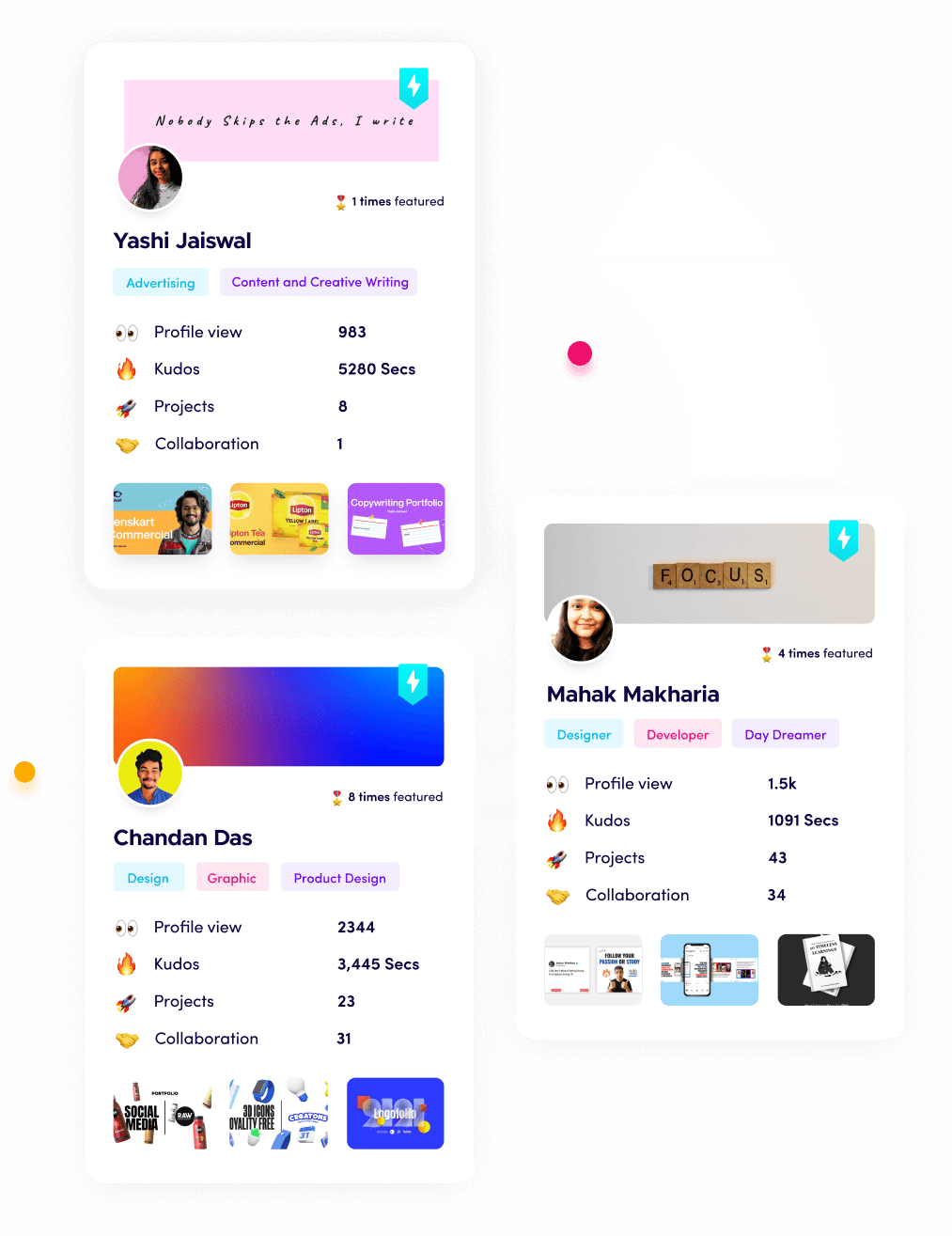
I’m Riten, founder of Fueler, a skills-first portfolio platform that connects talented individuals with companies through assignments, portfolios, and projects, not just resumes/CVs. Think Dribbble/Behance for work samples + AngelList for hiring infrastructure.
The shift we are seeing isn't just about speed; it is about a fundamental change in how humans spend their energy. We are moving from being "doers" of repetitive tasks to being "architects" of automated systems. In this guide, I’m breaking down the eight core areas where the old-school manual workflow is being permanently retired in favor of something much more efficient and human-centric.
The Evolution of Administrative Tasks and Scheduling
In the past, managing a calendar was a constant back-and-forth struggle that took up a massive chunk of a professional's morning. Traditional workflows relied on manual coordination, which was prone to human error and missed appointments. Today, intelligent systems handle these logistics autonomously, allowing professionals to reclaim their time and focus on the actual substance of their meetings rather than the friction of booking them.
- Autonomous Appointment Management Logic: Modern systems analyze the availability and habits of all participants to find the perfect meeting slot without a single human email being exchanged between any of the involved parties.
- Predictive Task Prioritization Models: Instead of making a manual to-do list, people now use systems that automatically rank their daily tasks based on deadlines, project importance, and their own peak productivity hours.
- Automated Meeting Documentation Flow: The old way of taking manual minutes is gone, replaced by systems that record, transcribe, and extract actionable items in real-time so that no information is ever lost.
- Intelligent Inbox Filtering Systems: Traditional email management was a manual slog, but now systems can identify high-priority messages and draft suggested replies based on previous conversations and the specific context of the request.
- Frictionless Travel and Logistical Planning: Scheduling business trips used to take hours of research, but automated workflows now book flights and hotels based on company budget and individual traveler preferences in just a few seconds.
Why it matters:
When you remove the mental load of administration, you free up the brain for high-level problem-solving. This shift ensures that the most expensive resource in a company, human intelligence, is not being wasted on tasks that a machine can do perfectly.
Transforming Financial Auditing and Expense Tracking
Traditional accounting was a world of paper receipts, manual spreadsheets, and high stress during tax season. This old workflow was slow, expensive, and often resulted in errors that could cost a company thousands. The new workflow is invisible and instantaneous, with systems that track every penny as it moves and flag problems long before a human auditor would even notice a discrepancy.
- Real-Time Transaction Verification: Systems now verify every expense the moment it happens, checking it against company policy and tax regulations to ensure that every cent spent is legitimate and correctly documented.
- Automated Receipt Reconciliation Processes: The manual task of matching receipts to bank statements is being replaced by systems that "read" images and automatically categorize expenses into the correct budget buckets without human intervention.
- Predictive Cash Flow Analysis: Instead of waiting for monthly reports, businesses now have access to live dashboards that predict future financial health based on current spending patterns and upcoming contractual obligations.
- Intelligent Fraud Prevention Layers: Traditional auditing happened after the fact, but new workflows use pattern recognition to stop suspicious transactions in their tracks before the money ever leaves the company’s bank account.
- Seamless Tax Compliance Automation: Systems now keep track of changing tax laws across different regions, automatically adjusting entries and preparing filings to ensure the company stays on the right side of the law.
Why it matters:
Financial clarity is the backbone of a successful business. By replacing slow manual audits with real-time tracking, companies can make faster, more confident investment decisions and avoid the panic of unexpected financial shortfalls.
Redefining Customer Support and Resolution Speed
In the traditional workflow, customer support meant long wait times on hold and repetitive conversations with agents who had to manually look up user data. This created a frustrating experience for both the customer and the employee. The modern workflow uses intelligent systems to provide instant answers, resolving the majority of issues without a human ever needing to step in.
- Instant Query Resolution Systems: Most customer questions are now answered in seconds by systems that can access a company’s entire knowledge base and provide a clear, helpful response at any time of night.
- Personalized User Context Retrieval: Instead of asking a customer for their life story, systems now automatically surface the user’s entire history, past purchases, and previous issues the moment a conversation begins for the agent.
- Proactive Problem Solving Alerts: Modern workflows allow companies to reach out to customers before they even complain, as systems can detect if a service is lagging or if a delivery is delayed.
- Multilingual Support Without Borders: AI-driven translation allows a support team in one country to help customers all over the world in their native languages with perfect grammar and cultural sensitivity in every interaction.
- Automated Feedback Sentiment Analysis: Instead of reading through thousands of survey responses, systems now summarize the general "vibe" of the customer base, highlighting exactly which features need the most improvement or immediate attention.
Why it matters:
Good support is about speed and empathy. By automating the data retrieval and the basic questions, human agents can focus on the complex, emotional cases where a real human touch actually makes a difference in retention.
Revolutionizing Data Entry and Information Management
For decades, data entry was the entry-level job that everyone hated because it was soul-crushing and repetitive. The traditional workflow involved humans looking at one screen and typing into another. AI has completely replaced this by "reading" documents, images, and videos, and organizing that information into structured databases with a level of accuracy that humans can't match.
- Optical Character Recognition Improvements: Systems can now accurately read handwritten notes and old physical documents, converting them into searchable digital files that can be accessed from anywhere in the world in seconds.
- Automatic Database Synchronization Logic: When information is updated in one part of a company, intelligent workflows ensure that every other related database is updated instantly, preventing the problem of conflicting or outdated information.
- Intelligent Document Classification: Systems can now sort through thousands of files and automatically tag them by topic, project, or importance, making it incredibly easy for team members to find what they need.
- Voice-to-Data Workflow Integration: Instead of typing out reports, professionals can now speak their observations, and the system will structure that speech into a professional report with the correct headings and data points.
- Cross-Platform Data Migration: Moving information from one software to another used to be a nightmare, but automated workflows now handle the heavy lifting, ensuring that data flows smoothly across the entire tech stack.
Why it matters:
Information is only useful if it is organized and accessible. By removing the manual labor of data entry, companies can turn their "hidden" information into a powerful asset that helps them make better decisions every single day.
Streamlining Content Production and Marketing Operations
Marketing used to involve a lot of "guesswork" and manual labor in drafting variations of the same ad or email. The traditional workflow was slow and often missed the mark because it couldn't adapt to individual user preferences. Now, the workflow is dynamic, with systems creating personalized content at scale that speaks directly to the needs of each specific customer.
- Dynamic Ad Copy Variation: Systems can now generate hundreds of different versions of an advertisement to see which one resonates best with different audience segments, optimizing the marketing budget in real-time.
- Automated Social Media Management: Instead of manually posting every update, intelligent workflows can determine the best time to share content based on when the target audience is most active and engaged online.
- Hyper-Personalized Email Journeys: Every customer now receives a unique series of emails based on their specific behavior, such as which pages they visited or which items they left in their digital shopping cart.
- SEO Content Gap Analysis: Systems can scan the entire web to find topics that people are searching for but no one is writing about, giving marketing teams a clear and data-backed content strategy.
- Video and Audio Edit Automation: Basic editing tasks like removing silence, adding captions, and adjusting color levels are now handled by intelligent systems, allowing creators to focus purely on the storytelling and creative vision.
Why it matters:
Marketing is no longer a "one size fits all" game. By automating the production and distribution of content, brands can build more meaningful and personal connections with their audience without needing a massive team to do it.
Enhancing Recruitment and Candidate Evaluation
Hiring used to be a game of "who you know" and who had the best-looking resume. The traditional workflow involved recruiters spending weeks manually reading through thousands of applications, often missing great candidates because of simple keyword filters. The new workflow focuses on skills and proof of work, using AI to identify the best talent regardless of their background.
- Skills-First Applicant Ranking: Systems now look at a candidate’s actual projects and work samples to determine their fit for a role, ensuring that the most capable people get the interview every time.
- Bias-Reduced Screening Protocols: By hiding names and schools during the initial phase, intelligent workflows help companies focus purely on talent, leading to a much more diverse and capable workforce across all departments.
- Automated Interview Scheduling Flows: Once a candidate is flagged as a good fit, the system automatically coordinates with the hiring manager’s calendar to book an interview, saving days of back-and-forth emails.
- Predictive Talent Retention Models: Systems can analyze company data to identify which roles are likely to open up soon, allowing the HR team to start looking for replacements before the current employee even leaves.
- Personalized Candidate Onboarding: New hires receive a custom training plan that focuses exactly on the skills they need to learn for their specific role, helping them become productive members of the team faster.
Why it matters:
The wrong hire is a very expensive mistake. By using data-driven workflows, companies can find the right people faster and ensure that every new employee is set up for long-term success and growth within the organization.
Optimizing Project Management and Resource Allocation
Managing a large project used to require a "Project Manager" who spent all day updating charts and chasing people for updates. It was a manual, reactive workflow. Today, project management is proactive. Systems can predict when a project is going to fall behind and suggest how to move resources around to keep everything on track before a deadline is missed.
- Automated Milestone Tracking: Systems monitor the work being done in real-time and automatically check off milestones as they are completed, giving everyone a live and accurate view of the project’s health.
- Intelligent Resource Balancing: If one team member is overwhelmed while another is idle, the system can suggest a redistribution of tasks to ensure that the workload is fair and the project moves smoothly.
- Predictive Bottleneck Identification: By looking at past performance, the system can flag which parts of a project are likely to cause delays, allowing the manager to address the issue before it becomes a problem.
- Seamless Cross-Team Collaboration: Intelligent workflows ensure that when the designers finish their work, the developers are notified instantly with all the files and context they need to start the next phase.
- Budget and Time Estimation Accuracy: Modern systems use historical data to provide incredibly accurate estimates for how much a project will cost and how long it will take, reducing the risk of overpromising.
Why it matters:
Projects fail because of poor communication and hidden delays. By automating the "tracking" part of management, the team can focus on actually doing the work and solving the creative challenges that the project presents.
Improving Supply Chain and Inventory Logic
In the old days, inventory management was about counting boxes on shelves and making a "best guess" on how much to order. It was a wasteful and slow workflow. Today, the supply chain is a high-tech ecosystem where AI predicts demand based on global trends, weather, and even social media, ensuring that the right products are always in the right place.
- Demand Forecasting Models: Systems can predict a surge in sales weeks in advance, allowing retailers to stock up on the right items and avoid the "out of stock" messages that lose customers.
- Automated Warehouse Fulfillment: Robots and intelligent systems now handle the picking and packing of orders, ensuring that packages are shipped out much faster and with fewer errors than manual labor. When combined with modern e-Commerce fulfillment solutions, these AI-driven workflows can streamline inventory management, order processing, and last-mile delivery to create a faster and more reliable customer experience.
- Dynamic Logistics Rerouting: If a storm or a strike affects a shipping route, the system automatically finds a new path for the goods, keeping the supply chain moving without human intervention.
- Supplier Reliability Tracking: Companies use data to track which suppliers are the most reliable and cost-effective, allowing them to make better long-term partnership decisions based on actual performance rather than just price.
- Sustainability and Waste Reduction: By predicting exactly how much of a product is needed, companies can significantly reduce the amount of unsold goods that end up in landfills, making the business more eco-friendly.
Why it matters:
An efficient supply chain is the secret to a profitable business. By removing the guesswork, companies can save money, reduce their environmental impact, and provide a much better experience for their customers who want their orders fast.
How This Connects to Building a Strong Career or Portfolio
In this new landscape, the most valuable skill you can have is the ability to manage these automated workflows. Companies aren't looking for "data entry specialists" anymore; they are looking for "System Architects" who know how to set up, monitor, and optimize these intelligent tools. To land a top-tier job in 2026, you need to show that you can work with AI to produce results that were previously impossible for a single person.
This is where a skills-first approach becomes your biggest advantage. Instead of just listing "Project Management" on a resume, you should show a portfolio of projects where you’ve used modern workflows to drive a specific outcome. Using Fueler allows you to showcase these assignments and work samples in a way that proves you are ready for the future of work. It’s about showing the world that you are a high-value professional who knows how to leverage the latest technology to get things done.
Final Thoughts
The replacement of traditional workflows by AI is not something to fear; it is an invitation to do more meaningful work. By handing over the repetitive, boring, and error-prone tasks to intelligent systems, we are entering an era where human creativity and strategy are the only things that truly matter. As we move forward, the most successful people and companies will be the ones who embrace this change and use it to build a more efficient and human-centered world.
FAQs
Will AI completely replace all human workflows by 2030?
AI will replace the "manual" parts of our workflows, but the need for human strategy, empathy, and ethical decision-making will only grow. The goal is to let the machines do the "robotic" work so humans can do the "human" work.
What skills should I learn to stay relevant in an AI-driven workplace?
Focus on "human-only" skills like complex problem-solving, emotional intelligence, and strategic thinking. Additionally, learning how to prompt, manage, and audit AI systems will make you an indispensable asset to any modern company.
How can small businesses afford to implement these new workflows?
Most AI tools are now built into the software that small businesses already use, like email, accounting, and project management apps. You don't need a massive budget; you just need to start using the smart features already available to you.
Is my data safe when using these automated AI workflows?
Security is a top priority for modern AI providers. By choosing reputable platforms and following standard digital safety practices, your data is often more secure in an automated system than it would be in a traditional paper-based workflow.
How do I show my "AI-readiness" to potential employers?
The best way is to build a portfolio of work that demonstrates your ability to use these tools effectively. Host your work samples on a platform like Fueler to give employers proof that you can deliver high-quality results using the latest technology.
What is Fueler Portfolio?
Fueler is a career portfolio platform that helps companies find the best talent for their organization based on their proof of work. You can create your portfolio on Fueler. Thousands of freelancers around the world use Fueler to create their professional-looking portfolios and become financially independent. Discover inspiration for your portfolio
Sign up for free on Fueler or get in touch to learn more.

What should you do next?
You've read the article. Now turn your skills into proof of work and unlock more opportunities.
Build your proof of work portfolio
Create a clean portfolio with projects, assignments, resumes, and AI stack details that companies actually want to see.
Create your Fueler portfolio →Apply through assignments, not resumes
Stand out by solving real tasks from companies hiring on Fueler.
Explore assignments →Get discovered by companies
Make your work public and let recruiters discover your skills through actual projects instead of keywords.
Get discovered →