How European Students Can Build Careers in AI Without Coding

Riten Debnath
30 Nov, 2025
You don’t have to be a coding whiz to build a thriving career in AI. In fact, many successful AI professionals focus on strategy, design, management, and ethics rather than writing lines of code. For European students curious about the vast possibilities of AI, there are exciting pathways that leverage creativity, communication, and critical thinking. Let’s dive into how you can step into the AI field, even if coding isn’t your strong suit or interest.
I’m Riten, founder of Fueler - a skills-first portfolio platform that connects talented individuals with companies through assignments, portfolios, and projects, not just resumes/CVs. Think Dribbble/Behance for work samples + AngelList for hiring infrastructure.
Understanding the Vast AI Ecosystem Beyond Programming
AI isn’t just algorithms and software development. It’s a multi-disciplinary field involving data strategy, product leadership, user experience, and ethical governance. Grasping how AI fits into business and society opens up many career opportunities.
- Explore roles in AI strategy that focus on aligning AI initiatives with business goals and user needs, requiring sharp analytical and communication skills.
- Learn about AI product management where you guide teams to build AI tools that solve real-world problems and deliver value without coding yourself.
- Understand the importance of user experience (UX) design in AI crafting intuitive, ethical interfaces that make advanced tech accessible.
- Discover AI ethics and policy careers, analyzing societal impacts, regulations, and fairness to shape responsible AI adoption across industries.
- Investigate AI marketing and sales roles that translate technical capabilities into customer benefits and business growth.
- Recognize the value of collaboration, as AI teams consist of coders, designers, analysts, and project managers all working together.
Why it matters:
Realizing the wide spectrum of AI careers allows you to find a fit that matches your talents and passions, proving coding isn’t the only way into this exciting field.
Developing Essential Non-Technical Skills for AI Careers
Building a career in AI without coding relies heavily on skills that complement technology skills often overlooked but crucial to the success of AI projects.
- Critical thinking helps you evaluate AI applications, question assumptions, and make informed, data-backed decisions that improve project outcomes.
- Communication skills enable you to translate complex AI concepts for stakeholders, users, and cross-functional teams effectively and persuasively.
- Project management expertise is vital for steering AI initiatives on time and on budget while managing diverse teams and technical challenges.
- Data literacy empowers you to understand datasets, interpret AI outputs, and work alongside data scientists to validate results.
- Ethical awareness ensures that AI solutions respect privacy, avoid bias, and adhere to legal and social standards.
- Creativity in problem-solving helps generate innovative ideas that shape products shaping the future, beyond what algorithms alone provide.
Why it matters:
Mastering these skills equips you to play key roles in AI that drive value and responsible innovation, no programming necessary.
Leveraging Online and In-Person Learning to Bridge Knowledge Gaps
There are fantastic resources tailored for non-coders wanting to enter AI-related roles. These courses focus on foundational understanding, business implications, and hands-on strategic projects.
- Enroll in introductory courses on AI fundamentals targeting business leaders or product managers, often available through Coursera, edX, and FutureLearn.
- Take part in workshops and bootcamps focused on AI ethics, data storytelling, and AI policy, which prepare you for governance and compliance roles.
- Explore certifications in data analytics to build strong data interpretation capabilities a vital complement for any AI career.
- Join non-technical AI project simulations that teach collaboration between stakeholders, data teams, and product development cycles.
- Attend AI-focused networking events and hackathons where non-coders and technical experts work side by side, building experience and connections.
- Utilize platforms like Fueler to document your learning projects and real-world applications, making your skills and progress visible to recruiters.
Why it matters:
Strategic learning empowers you with the right mindset and practical tools to contribute meaningfully in AI environments despite lacking coding abilities.
Embracing Roles in AI Product Management and Design
Hands-on AI innovation requires skilled leaders and designers who shape user-centric products and responsible frameworks.
- AI product managers work as the bridge between technical teams and business stakeholders, identifying market needs and ensuring solutions meet customer expectations.
- Design roles emphasize user experience and human-centered interfaces, translating technical AI functions into products that anyone can use intuitively.
- Product managers take ownership of roadmaps, testing, and launches while balancing ethical considerations, budget, and timelines.
- UX designers focus on creating accessible AI applications, ensuring transparency and fairness in AI decision-making processes.
- Collaboration with engineers and data scientists is essential for product success, requiring strong interpersonal and problem-solving skills.
- Career development in these areas is supported by specialized courses and mentorship programs focusing on AI product strategy and design thinking.
Why it matters:
Focusing on product and design roles lets you shape the AI landscape creatively and strategically without writing code.
Exploring AI Ethics, Policy, and Governance Careers
Responsible AI is critical, and experts are needed to guide legal, ethical, and societal frameworks that govern technology deployment.
- AI ethicists analyze fairness, transparency, and accountability in AI systems to prevent biases and protect individual rights.
- Policy advisors work with governments and organizations developing regulations that balance innovation with privacy and security.
- Compliance officers ensure AI applications meet international standards and legal requirements, mitigating risk for businesses.
- Advocacy roles promote awareness and responsible use of AI within corporations and public sectors.
- Educational outreach specialists train teams and communities about AI’s impacts, fostering informed participation.
- Research institutes and think tanks often look for non-technical experts to collaborate on interdisciplinary AI governance studies.
Why it matters:
Careers in ethics and policy safeguard society by guiding AI development toward responsible and equitable use.
Building Business Strategy and Marketing Expertise in AI
Translating AI innovations into market success requires sharp business acumen and storytelling skills.
- Business analysts evaluate AI market trends, identifying opportunities and optimizing product positioning.
- Go-to-market strategists craft campaigns that highlight how AI benefits customers, addressing common misconceptions around technology complexity.
- Sales engineers and client success managers educate clients on AI capabilities, easing adoption and ensuring long-term partnerships.
- Customer experience specialists collect and analyze user feedback to refine AI tools for better satisfaction and retention.
- AI evangelists represent companies at conferences and media, communicating vision and industry leadership.
- These roles often blend technical understanding with negotiation, presentation, and relationship-building talents.
Why it matters:
Bringing AI’s value to life in the market needs skilled professionals who can connect with people and businesses beyond code.
Networking and Portfolio Building Without Coding Projects
You don’t need to build software to demonstrate capability. Documenting your AI-related activities, strategy work, and design efforts creates a compelling portfolio.
- Use platforms like Fueler to compile case studies, analysis reports, UX designs, ethical frameworks, and project plans you’ve led or contributed to.
- Participate in interdisciplinary team projects or internships that expose you to AI workflows and challenge you to apply non-technical skills.
- Share insights and learning through blogs, presentations, or webinars to showcase your expertise to the AI community.
- Engage with professional AI networks, LinkedIn groups, and local meetups to build connections and discover job opportunities.
- Highlight certifications, workshops, and continuous learning efforts to show your commitment and growth trajectory.
- Collaborate with coders and data scientists on community or open-source projects to gain practical exposure.
Why it matters: A well-rounded portfolio and a strong network demonstrate real-world impact and make a powerful case to employers even without coding samples.
Fueler: A Platform to Showcase Your Non-Technical AI Work
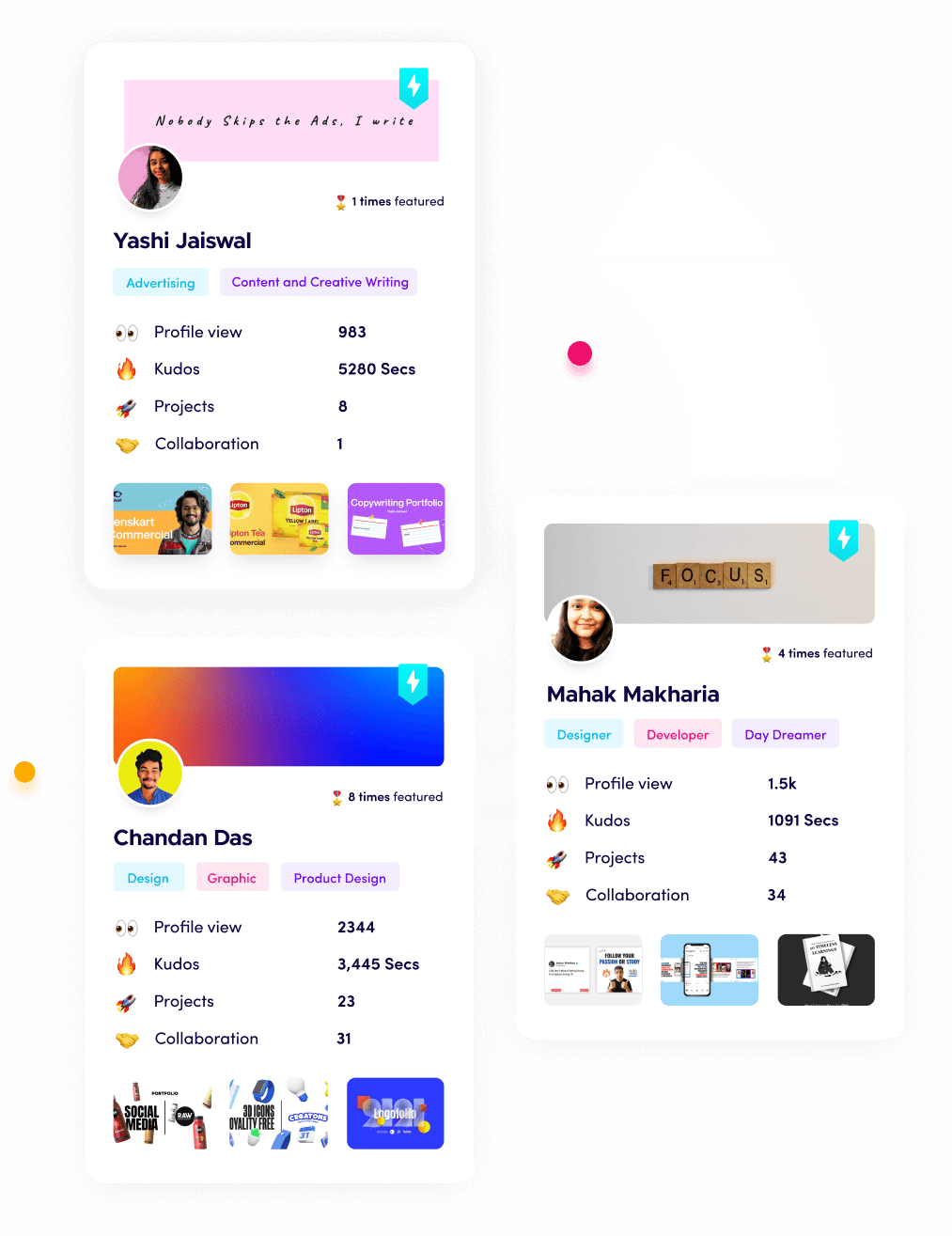
Fueler helps non-coders and aspiring AI professionals showcase their true strengths. Build a portfolio from strategic projects, design work, ethical analyses, and more, making your real skills shine to employers and collaborators.
Final Thoughts
The AI revolution is not just for coders. European students with strong analytical, creative, and leadership skills are equally crucial to the ecosystem. By focusing on non-technical roles, cultivating essential skills, and building visible, meaningful portfolios, you can carve out a fulfilling AI career path without writing code. With determination and the right resources, the future of AI is yours to shape.
FAQs
1. Can I work in AI without any coding knowledge?
Yes, many important AI roles focus on strategy, design, ethics, and project management that don’t require coding skills.
2. What skills should I develop for non-technical AI careers?
Critical thinking, communication, ethics, data literacy, and project management are key skills for AI-related roles beyond programming.
3. How can I gain practical AI experience without coding?
Participate in cross-functional projects, build strategic or design portfolios, take certificates in AI fundamentals, and network actively.
4. What career options exist in AI without coding?
Product management, user experience design, AI ethics, policy advising, marketing, and business strategy are some promising avenues.
5. How can I make my non-technical AI portfolio stand out?
Showcase real projects, documented strategies, ethical frameworks, published content, and teamwork experience on platforms like Fueler.
What is Fueler Portfolio?
Fueler is a career portfolio platform that helps companies find the best talent for their organization based on their proof of work. You can create your portfolio on Fueler, thousands of freelancers around the world use Fueler to create their professional-looking portfolios and become financially independent. Discover inspiration for your portfolio
Sign up for free on Fueler or get in touch to learn more.

What should you do next?
You've read the article. Now turn your skills into proof of work and unlock more opportunities.
Build your proof of work portfolio
Create a clean portfolio with projects, assignments, resumes, and AI stack details that companies actually want to see.
Create your Fueler portfolio →Apply through assignments, not resumes
Stand out by solving real tasks from companies hiring on Fueler.
Explore assignments →Get discovered by companies
Make your work public and let recruiters discover your skills through actual projects instead of keywords.
Get discovered →