How LIT School Teaches Community Building and Entrepreneurship

Riten Debnath
15 Aug, 2026

Last updated: August 2026
Building a business in 2026 rarely starts with a pitch deck or an office lease. It almost always starts with an audience. If you can gather a room of five hundred or five thousand people who genuinely trust what you say, selling a product becomes the easiest part of the equation.
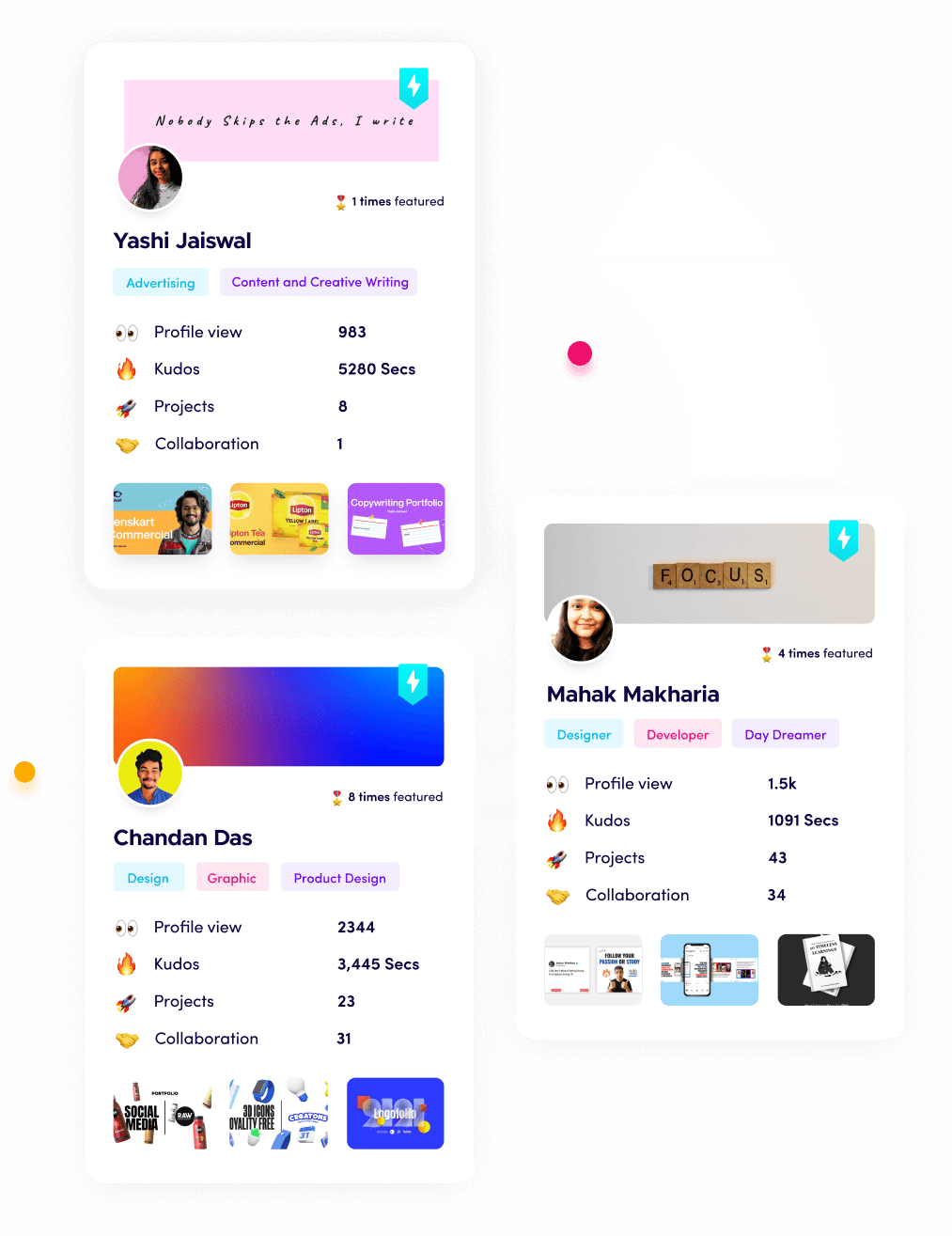
I’m Riten, founder of Fueler, a skills-first portfolio platform building the career infrastructure for 100 million creative professionals. Fueler connects talented individuals with companies through assignments, portfolios, and projects, not just resumes or CVs. Think of it as Dribbble/Behance for work samples combined with AngelList for hiring infrastructure.
In my work at Fueler, I see hundreds of young builders who have spent months creating products in secret, only to launch to total silence because they built zero distribution. That is precisely why LIT School (Leaders in Tech School) in Jayanagar, Bangalore, caught my attention.
Through their 3-year undergraduate CreatorPreneur BBA degree track, LIT School has replaced traditional lectures with a systematic framework that teaches high school graduates and early-stage builders how to cultivate active communities and translate that social capital into scalable companies.
This deep-dive guide details how LIT School operates, the mechanics of their community-first business model, the costs involved, and what it really takes to turn a group of followers into a viable enterprise.

Quick Answer Summary
- Who It Is For: Aspiring founders, growth marketers, and media operators looking to launch audience-first businesses or work in high-growth startup roles.
- Cost: Total program fee of ₹18.45 Lakhs over 3 years (₹17.50 Lakhs tuition + ₹95,000 admission fee).
- Key Takeaway: You learn entrepreneurship by building public proof-of-work assets and executing 30 to 70+ live brand challenges instead of writing traditional written exams.
- Best Suited For: Self-directed builders who prefer active execution, public portfolios, direct-to-consumer (D2C) ventures, and startup incubation.
What is Community-Led Entrepreneurship at LIT School?
LIT School defines community-led entrepreneurship as the process of building a loyal, engaged group of people around a specific interest, problem, or narrative before launching a product.
Instead of manufacturing a physical item or writing code first, students are taught to cultivate distribution channels, test demand organically, and co-create products directly with their core audience.
In-Depth Breakdown
- Definition: An educational track integrated into a UGC-backed BBA degree where students build real media assets, run community initiatives, and launch minimum viable products (MVPs) in real time.
- Context: Traditional business schools treat marketing as a post-production step. You design a product, run ads, and try to convince people to buy it. In the modern startup landscape, customer acquisition costs via paid ads are higher than ever. Building an authentic community flips this, lowering acquisition costs and giving startups immediate feedback loops.
- Why It Matters: Startups rarely die because their code breaks or their product is bad. They die because nobody cares about what they built. Community ensures built-in demand on day one.
- How It Differs From Alternatives: Standard B-schools focus on corporate organizational structures and historical case studies. LIT School forces students into the field: running podcasts, building Discord or WhatsApp groups, publishing short-form video series, and managing real user cohorts inside Bangalore's startup ecosystem.
Key Facts Table
Detailed Explanation: The 4 Pillars of Community & Business Building
To transform a group of passive social media followers into an active community that sustains an actual business, LIT School organizes its learning modules across four sequential pillars.
Pillar 1: Niche Selection and Audience Architecture
- What: Identifying specific, underserved subcultures or professional niches and designing content streams specifically for them.
- Why: Broad content creates passive lurkers; targeted content creates committed advocates.
- How: Students evaluate digital spaces, run sentiment analysis, and conduct live audience interviews to understand what a specific group cares about, struggles with, or wants to learn.
- Real-World Implication: Rather than aiming for viral mass appeal, students focus on high-intent communities. They learn that a tight-knit group of 2,000 engaged professionals is vastly more valuable than 100,000 disengaged followers.
Pillar 2: Media Production and Storytelling Systems
- What: Developing technical production capabilities, scriptwriting, lighting, audio engineering, video editing, and distribution mechanics.
- Why: Media is the primary bridge between a founder and a community. If your production quality or storytelling is weak, potential community members scroll past.
- How: Utilizing LIT School's on-campus creative studios, students script and publish content continuously, iterating based on real-world watch-time data and retention rates.
- Real-World Implication: Students transition from guessing what works to evaluating cold data-hook retention percentages, comment ratios, and organic share rates.
Pillar 3: Engagement Infrastructure and No-Code Ops
- What: Moving an audience off algorithmic platforms (like Instagram or YouTube) and into owned channels like newsletters, custom member portals, or messaging groups.
- Why: Social algorithms change constantly. If you do not own your community distribution channels, your business remains at the mercy of platform updates.
- How: Students use no-code tools like Webflow, Make, Zapier, Airtable, and Substack to design landing pages, automated welcome sequences, and interactive community onboarding funnels.
- Real-World Implication: Students learn how to build operational workflows that turn a single click into a direct long-term relationship.
Pillar 4: Value Extraction and Business Operations
- What: Developing products, paid memberships, physical merchandise, digital tools, or specialized services tailored directly to the community's expressed needs.
- Why: A community that never transacts is an interest group, not an enterprise. Founders must master pricing, unit economics, supply chains, and customer support.
- How: Students launch pre-order campaigns, set up e-commerce storefronts, manage profit-and-loss accounts, and test pricing strategies under mentor supervision.
- Real-World Implication: By evaluating early cash flow and unit economics before scaling, students avoid over-investing in products the market does not want.
How It Works: The EPIC Campus Framework
LIT School operates on an EPIC (Experiential Programmes in an Integrated Curriculum) pattern. Learning takes place in 45-to-60-day execution sprints structured across three distinct campus environments.
- Learn Arena (The Brief): Industry practitioners and partner brands present a real business or audience growth challenge. Mentors break down real operational frameworks rather than abstract textbook chapters.
- Innovate Arena (Execution): Working in small teams inside campus labs, students build the actual media assets, set up distribution funnels, run performance ads, or launch community campaigns.
- Transform Arena (Review & Archiving): Teams present their performance metrics/leads captured, sales closed, and retention rates achieved to a panel of startup founders and brand leads.
Every completed sprint is published directly to the student's public portfolio. At Fueler, we see firsthand how presenting real campaign performance data carries far more weight in modern hiring than a standard academic mark sheet.
Practical Benefits of This Model
- Verifiable Proof-of-Work: Students graduate with 30+ real projects documenting their marketing, media, and community growth execution.
- Active Industry Networking: Located in Jayanagar, Bangalore, the program provides daily access to startup founders, operators, and growth leads.
- Built-In Incubation Support: The final year includes 6 months of structured startup incubation, helping student founders secure their first customers and pitch to angel networks.
- High-Growth Placement Pathways: Students who choose not to launch a venture immediately are prepared for roles like Founder's Office, Chief of Staff, Community Lead, or Growth Marketer.
Challenges and Limitations
- Requires High Personal Initiative: There are no static study guides or passive lectures. Students who wait to be told what to do often feel overwhelmed by the self-driven pace.
- Significant Financial Commitment: At ₹18.45 Lakhs over 3 years, tuition is substantially higher than standard traditional college degrees.
- Unsuitable for Legacy Corporate Tracks: If your goal is to pursue public sector jobs, traditional government exams, or conservative corporate law, a practice-first degree is not designed for those compliance pathways.
Comparison Table: LIT School vs Traditional Alternatives
Fees, Total Costs, and Financial Aid
A comprehensive educational plan requires evaluating total expenses, including living costs in Bangalore.
Official Program Fees
- Base Tuition Fee (3 Years): ₹17,50,000
- One-Time Admission Fee: ₹95,000
- Application Entrance Fee: ₹2,475
- Total Academic Fee: ₹18,45,000
Estimated Living Expenses (Bangalore - 3 Years)
- Accommodation (PG / Flat in Jayanagar): ₹4.32 Lakhs – ₹6.48 Lakhs
- Food & Meals: ₹2.16 Lakhs – ₹3.24 Lakhs
- Local Commute & Logistics: ₹1.80 Lakhs – ₹3.06 Lakhs
- Total Estimated Investment: ₹27.0 Lakhs – ₹31.0 Lakhs
Scholarships
LIT School provides merit-based tuition waivers (5% to 15%) based on performance in the LITmus test and interview rounds. Special category scholarships (up to 21%) are available for applicants who bring existing client work, active communities, or proof-of-work projects into the selection process.
Career Pathways and Industry Demand
Graduates of the CreatorPreneur program generally enter the ecosystem through two main avenues:
- The Founder Track: Launching direct-to-consumer (D2C) brands, specialized media properties, agency models, or content-led service platforms.
- The High-Growth Operator Track: Joining fast-growing startups as Founder’s Office leads, Community Managers, Growth Strategists, or Performance Marketing Leads.
Compensation Expectations: Graduate placement data indicates average packages between ₹6.0 LPA and ₹8.0 LPA, with top performers securing packages from ₹10.0 LPA to ₹13.0 LPA.
Who Should Choose This Program?
- Aspiring entrepreneurs who want to build an audience-first venture or digital brand.
- Self-motivated learners who prefer launching real projects over studying for traditional exams.
- Students eager to construct a verifiable public portfolio long before entering the job market.
- High school graduates who want to plug directly into Bangalore's startup ecosystem.
Who Should Avoid This Program?
- Individuals seeking corporate positions in government agencies, civil services, or legacy banking institutions.
- Students who perform best in lecture-heavy academic environments with standardized written testing.
- Applicants who expect passive job placements without actively building their portfolio.
Final Thoughts
Community building is no longer just a soft marketing skill; it is a core operational requirement for modern startups. If you can gather people around shared problems, you can build software, launch physical products, or scale services with lower risk and built-in demand.
At Fueler, we see every day that modern tech companies hire based on tangible execution rather than paper credentials. By grounding business education in live brand briefs, community building, and portfolio creation, LIT School offers a focused alternative for students ready to step into the ecosystem as active operators. It demands serious self-discipline and financial planning, but for the right builder, it turns the internet into your ultimate business testing ground.
Key Takeaways
- Audience-First Framework: Teaches students to build community distribution before launching products.
- EPIC Sprints: Replaces static exams with 45-to-60-day practical execution sprints.
- Bangalore Location: Located in Jayanagar, offering daily immersion in India's tech hub.
- Dual Career Paths: Prepares students to launch their own startups or take high-impact operator roles.
- Full Investment: ₹18.45 Lakhs academic fee over 3 years plus local living expenses in Bangalore.
- Portfolio-Driven Output: Graduates leave with verified public proof-of-work assets.

FAQs
How does LIT School teach community building to undergrads?
Students build live media channels, manage online user cohorts, host real events, and capture owned subscriber lists through practical campus execution sprints.
Is the CreatorPreneur program degree recognized?
Yes, students earn a formal Bachelor of Business Administration (BBA) degree awarded by a UGC-accredited university partner alongside their execution portfolio.
What is the fee structure for LIT School's CreatorPreneur program?
The 3-year academic fee is ₹18.45 Lakhs, which covers ₹17.50 Lakhs tuition and a ₹95,000 one-time admission fee.
What startup incubation support does LIT School provide?
During the final year, LIT School provides 6 months of dedicated startup incubation, including founder mentorship, operational support, and angel network access.
What are the average job packages for graduates?
Placement statistics report average starting packages between ₹6.0 LPA and ₹8.0 LPA, with top performers earning between ₹10.0 LPA and ₹13.0 LPA.
Why 100,000+ professionals use Fueler
Fueler helps professionals showcase proof of work through projects, assignments, case studies, and achievements.
- Thousands of professionals use Fueler to create their digital portfolio
- Thousands of projects are published on Fueler. Check here
- Startups and Companies hire through proof of work on Fueler
- Used by freelancers, creators, marketers, video editors, writers, designers, and product managers
Our mission is to help the next 100 million professionals build a verified professional identity through proof of work
What should you do next?
You've read the article. Now turn your skills into proof of work and unlock more opportunities.
Build your proof of work portfolio
Create a clean portfolio with projects, assignments, resumes, and AI stack details that companies actually want to see.
Create your Fueler portfolio →Apply through assignments, not resumes
Stand out by solving real tasks from companies hiring on Fueler.
Explore assignments →Get discovered by companies
Make your work public and let recruiters discover your skills through actual projects instead of keywords.
Get discovered →