How LIT School Teaches Students to Become Builders, Marketers, and Operators

Riten Debnath
15 Aug, 2026

Last updated: August 2026
In early 2026, I sat across from a venture-backed founder at a coffee shop in Indiranagar, Bangalore. He had spent the previous three weeks interviewing over twenty business school graduates for a strategic growth role. On paper, these candidates had it all: top test scores, polished resumes, and degrees from well-known institutions.
Yet, when handed a basic assignment like auditing an active ad campaign, mapping out a no-code customer funnel, or drafting a cold pitch to an enterprise lead, they hit a wall.
"They understand business theory," he told me, "but they don't know how to move the needle on day one."
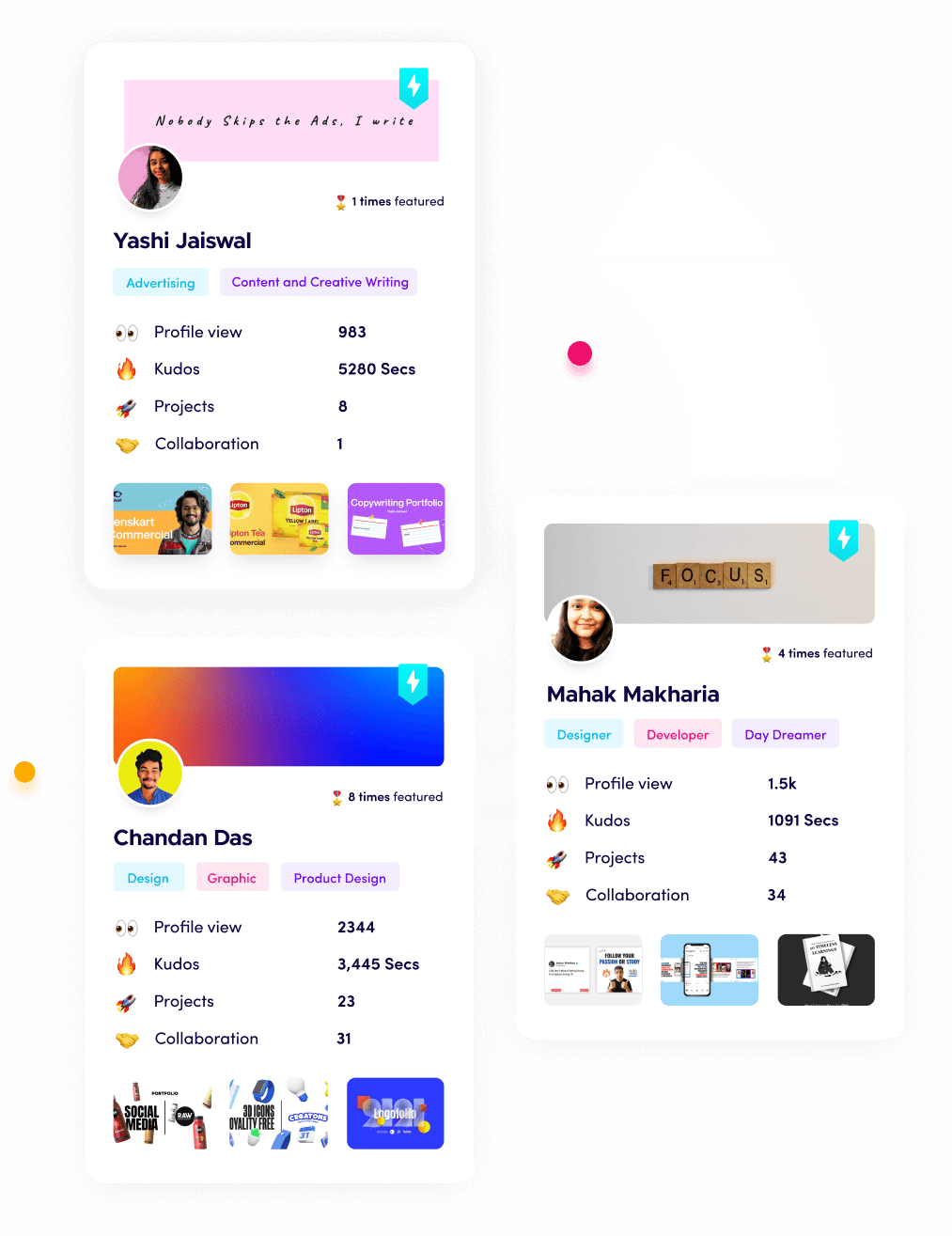
I’m Riten, founder of Fueler, a skills-first portfolio platform building the career infrastructure for 100 million creative professionals. Fueler connects talented individuals with companies through assignments, portfolios, and projects, not just resumes or CVs. Think of it as Dribbble/Behance for work samples combined with AngelList for hiring infrastructure.
Seeing thousands of early-career candidates try to break into high-growth startups made one reality painfully clear: traditional business education is failing modern companies. Founders cannot afford to train generalists from scratch. They need operators who can step in, solve ambiguous problems, and deliver measurable outcomes immediately. This execution gap is why alternative business hubs like LIT School caught my attention. Understanding how LIT School teaches students to become builders, marketers, and operators reveals a fundamental transformation in how modern business talent is trained.
Quick Answer Summary
- Core Focus: LIT School is an experiential business institute in Bangalore designed to transform students into functional builders, growth marketers, and startup operators.
- Execution-First Curriculum: Replaces theoretical lectures with live brand challenges, real advertising budgets, and no-code product development.
- Integrated Learning Model: Uses a 45-to-60-day EPIC (Experiential Programmes in an Integrated Curriculum) sprint framework followed by mandatory paid startup internships.
- Output Credibility: Students graduate with a public portfolio of verified work samples, live campaign metrics, and operational case studies.
- Target Audience: High-school graduates, early professionals, and career switchers seeking alternatives to standard BBA or MBA programs.
- Key Outcome: Prepares candidates for high-responsibility startup roles in Founder’s Office, Growth Operations, Creative Strategy, and Product Management.

What is LIT School?
LIT School is a specialized business institute based in Jayanagar, Bangalore, created to bridge the widening gap between traditional academic degrees and the operational demands of high-growth tech startups.
Instead of teaching business concepts through static textbooks or theoretical case studies, the program immerses students directly into active execution. Students build functional web applications without code, script and produce high-performing video ad campaigns, analyze unit economics, and operate inside live business workflows.
Context and Educational Void
Traditional business administration programs were built for 20th-century corporate structures/enterprises with rigid departments, slow feedback loops, and multi-layered management approval. In contrast, modern tech companies operate in high-velocity environments shaped by rapid artificial intelligence adoption, direct-to-consumer distribution, and lean operating teams.
When a startup hires an entry-level candidate, they rarely need someone to manage long-term organizational strategy. They need an operator who can configure an automated email funnel, audit product analytics, build a landing page, or run a growth experiment. LIT School was structured specifically to fulfill this market requirement.
Strategic Relevance in 2026
With AI tools automating baseline administrative tasks, the market value of pure theoretical knowledge has dropped significantly. Modern startups prioritize execution velocity and multi-disciplinary capability.
By training students to simultaneously understand media production, modern software tools, and business unit economics, LIT School builds a talent pipeline tailored for fast-scaling tech ecosystems.
Key Differentiators
- Practical Execution vs. Classroom Lectures: Students learn by spending money on ad platforms, publishing live content, and building real workflows.
- Practitioner Mentorship vs. Academic Professors: Classes and feedback sessions are led by active founders, growth leads, and marketing operators.
- Verified Work Portfolios vs. Written Exams: Evaluation is based on measurable business outcomes, published assets, and live project deliverables.
Key Facts Table
Detailed Explanation: How LIT School Teaches Students to Become Builders, Marketers and Operators
To understand how LIT School teaches students to become builders, marketers and operators, you have to break down the three distinct operational identities that modern tech companies demand. A startup cannot afford separate hires for every micro-task; it looks for multi-skilled talent capable of moving across technical, distribution, and management challenges.
Here is how each profile is built through targeted execution frameworks:
1. Training the "Builder" (Product, No-Code, and Automation)
A builder is someone who converts an abstract idea into a functional, user-facing asset without waiting for a team of software engineers.
- What They Learn: Students are trained on no-code web development engines, automation platforms, web-app builders, database structures, and AI productivity stacks.
- Why It Matters: Startups need to test landing pages, lead capture tools, and internal workflows instantly. Waiting two weeks for engineering bandwidth kills momentum.
- How It Is Taught: Instead of studying software architecture theoretically, students receive a brief to launch a functional digital product within 72 hours. They set up the database, design the user journey, wire the payment gateway, and automate customer email notifications.
- Real-World Implication: When a student enters a startup, they can independently build internal dashboards, prototype new features, or launch microsites without relying on engineering support.
2. Training the "Marketer" (Consumer Attention, Media Engines, and Growth Analytics)
A marketer in the current startup ecosystem is not someone who produces generic press releases or runs broad brand campaigns. They must understand performance analytics, creative direction, and audience acquisition.
- What They Learn: The curriculum covers direct-response copywriting, short-form video production, ad creative performance testing, search engine distribution, performance ad optimization, and audience retention metrics.
- Why It Matters: Modern growth happens through organic content channels, creator partnerships, and data-driven ad funnels. If a marketer cannot analyze click-through rates (CTR) or cost per acquisition (CPA), their strategy fails.
- How It Is Taught: Students script, shoot, edit, and publish content assets directly. They manage real advertising budgets supplied during brand challenges, analyze real retention graphs, and optimize ad variations based on live conversion data.
- Real-World Implication: Graduates understand customer acquisition costs and retention metrics, allowing them to manage performance budgets and scale brand channels effectively.
3. Training the "Operator" (Founder's Office, Unit Economics, and Systems Thinking)
An operator is the engine that keeps a company running efficiently. They structure chaotic processes into repeatable systems, manage cross-functional projects, and protect business profit margins.
- What They Learn: Training focuses on business unit economics, financial modeling, Customer Lifetime Value (LTV) dynamics, process optimization, customer support funnels, and executive decision frameworks.
- Why It Matters: Founders need individuals who can step into high-stakes environments like the Founder’s Office or Chief of Staff positions and analyze why operations are breaking down.
- How It Is Taught: Students audit broken business processes from real companies. They identify operational bottlenecks, calculate unit economics for different business models (SaaS, D2C, e-commerce), and redesign internal workflows to save time and reduce costs.
- Real-World Implication: Graduates speak the financial and operational language of executive teams, making them strong candidates for strategic lead positions right out of school.
The Role of Proof of Work
At Fueler, we frequently see that hiring managers in fast-scaling tech companies skip traditional resumes entirely when a candidate presents a well-structured portfolio. By structuring every module around tangible deliverables like landing pages, published video engines, performance dashboards, and audited growth funnels, LIT School aligns directly with how modern talent is selected.

How It Works: The EPIC Execution Framework
LIT School structures its academic timeline through the EPIC model (Experiential Programmes in an Integrated Curriculum). The structure operates through four continuous phases:
[Phase 1: 45-60 Day Domain Sprints]
│
▼
[Phase 2: Live Industry Briefs & Budget Allocation]
│
▼
[Phase 3: Real-Time Performance Audits & Iteration]
│
▼
[Phase 4: Verified Portfolio Integration & Internships]
- Domain Sprints: Learning is organized into focused 45-to-60-day intensive tracks targeting specific business skill sets (e.g., Performance Marketing, No-Code Development, Media Operations).
- Industry Briefs: Active tech companies and startup founders submit real operational challenges to the cohort.
- Execution & Auditing: Students deploy live campaigns, construct workflows, and manage assigned budgets. Mentors audit project outputs based on real performance metrics rather than written test answers.
- Portfolio Publishing & Placement: Successful projects are published as verified case studies, building a public record of work that leads directly into mandatory paid startup internships.
Practical Career Benefits
Graduating from an execution-focused business program offers concrete operational advantages over standard academic pathways:
- Elimination of the Experience Catch-22: Traditional graduates struggle because entry-level jobs require prior experience. LIT School graduates step into interviews holding a documented track record of live projects.
- Fluency in Modern Software Stacks: Students work with current industry platforms for data analytics, media production, automation, and project management.
- Direct Ecosystem Access: Mentors and project evaluators are active founders, growth leads, and venture operators, creating direct hiring pipelines.
- High Career Mobility: Training across building, marketing, and operations enables candidates to transition across different startup functions as company needs evolve.
Challenges and Limitations
Despite its clear focus on practical skill development, this educational model presents specific challenges that prospective students should evaluate:
- High Intensity and Fast Pace: The sprint structure demands high personal initiative. Students who prefer structured, lecture-heavy learning environments may find the workload overwhelming.
- Significant Financial Investment: At ₹18.45 Lakhs for the full 3-year undergraduate degree track, tuition is substantially higher than standard state university BBA programs.
- Non-Traditional Campus Life: The environment operates more like an urban startup hub and production lab than a traditional university campus with sports fields or large dorm complexes.
- Targeted Career Path: The curriculum is engineered for tech startups, direct-to-consumer brands, and digital media companies. It is not optimized for students seeking careers in public-sector administration or conservative legacy institutions.
Comprehensive Program Comparison
Fees, Living Expenses, and ROI Analysis
A clear understanding of program costs and return on investment helps students and families make informed decisions.
Tuition and Official Fee Breakdown
- BBA Tracks (CreatorPreneur & Next Gen Business): Total program fee is ₹18.45 Lakhs (comprising ₹17.50 Lakhs tuition and ₹95,000 one-time admission fee).
- Creator Marketer Program (Diploma Track): Total fee is ₹7.45 Lakhs for the 15-month professional track.
- Assessment Fee: ₹2,475 for the LITmus entrance assessment.
Monthly Living Budget in Bangalore
Because LIT School operates its primary facility in Jayanagar, Bangalore, non-local students should plan for standard urban living expenses:
- Accommodation (PG / Shared Apartments): ₹8,000 – ₹15,000 per month depending on location and amenities.
- Meals & Groceries: ₹5,000 – ₹8,000 per month.
- Local Transportation & Extras: ₹3,000 – ₹5,000 per month.
Scholarship Opportunities
- Merit Waivers: Waivers ranging from 5% to 15% on tuition fees based on performance in the LITmus test and project interview rounds.
- Special Category Grants: Up to 21% tuition fee waivers for candidates with verified entrepreneurial work, existing client project portfolios, or active digital communities.
Expected Financial Payoff
With starting average salary packages ranging from ₹6.0 LPA to ₹8.0 LPA and high-performing roles in Founder’s Office tracks reaching ₹10.0 LPA to ₹13.0 LPA, the program offers a solid financial return for proactive candidates who maximize their portfolio output.

Career Pathways and Salary Projections
Graduates with combined building, marketing, and operational skills can enter fast-growing tech companies across several high-ownership roles:
- Founder’s Office Associate / Lead: Manages cross-functional growth experiments, tracks key operational metrics, and leads strategic initiatives alongside company founders.
- Salary Range: ₹7.5 LPA – ₹12.0 LPA
- Growth Marketing Lead: Oversees acquisition funnels, manages paid ad budgets, optimizes conversion rates, and builds organic channels.
- Salary Range: ₹7.0 LPA – ₹11.0 LPA
- Creative Strategist: Leads video production teams, scripts direct-response ad creative variations, and audits campaign performance data.
- Salary Range: ₹6.5 LPA – ₹10.0 LPA
- No-Code Product Specialist: Builds digital prototypes, sets up internal automation tools, and manages software integrations.
- Salary Range: ₹6.0 LPA – ₹9.5 LPA
Who Should Choose This?
- Self-directed candidates who prefer real execution over memorizing theoretical modules for written exams.
- Ambitious students aiming to move into fast-scaling tech companies in Bangalore, Gurgaon, or Mumbai.
- Creative individuals and builders who want to earn a recognized BBA degree while building a public portfolio of work.
- Career switchers who want to build functional skills in growth marketing, modern software platforms, and startup operations.
Who Should Avoid This?
- Students who function best in structured, traditional academic environments with clear textbook guidelines and predictable exams.
- Candidates seeking a conventional college campus lifestyle centered around academic research, athletics, or large campus clubs.
- Individuals aiming for careers in legacy public-sector organizations or traditional corporate firms that require standard academic degrees.
- Anyone unwilling to publish their work publicly, manage live project budgets, or undergo regular peer and mentor feedback.
Final Thoughts
The gap between what business schools teach and what tech companies actually hire for has never been wider. The modern ecosystem does not reward passive credentials; it rewards execution velocity, analytical clarity, and verified proof of work. Startups need operators who can build tools, acquire customers, and optimize business systems without needing hand-holding.
Observing how LIT School teaches students to become builders, marketers, and operators confirms a crucial trend in higher education: practical, project-based learning is replacing static classroom lectures. At Fueler, we see every day that documented proof of work is the single most effective way to stand out in the hiring market. For individuals willing to build in public and take ownership of real outcomes, execution-first education provides a direct path into high-growth startup careers.
Key Takeaways
- LIT School transforms business education by replacing passive lectures with live brand challenges, software automation, and media production.
- The curriculum trains students across three essential startup functions: building functional web tools, driving marketing growth, and managing operational workflows.
- Through the EPIC model, learning takes place in 45-to-60-day domain sprints paired with mandatory paid startup internships.
- Graduates complete the program with a public, verified portfolio of work rather than relying on standard resumes.
- Placement outcomes average between ₹6.0 LPA and ₹8.0 LPA, with strategic Founder’s Office placements reaching up to ₹13.0 LPA.
- The model demands high personal accountability, making it ideal for self-driven builders and less suited for passive learners.
FAQs
What does LIT School focus on in its curriculum?
LIT School focuses on practical startup execution, teaching students no-code product building, growth marketing analytics, media production, unit economics, and business process automation through live brand projects.
Is the BBA program from LIT School officially recognized?
Yes, LIT School offers its 3-year full-time BBA degree tracks in partnership with recognized university partners, providing graduates with an official UGC-recognized degree alongside their work portfolio.
How do students gain practical experience during the course?
Students work on real brand challenges, manage live advertising budgets, deploy no-code digital products, and complete mandatory paid 3-to-6-month startup internships.
What average starting salary can graduates expect?
Graduates achieve average starting packages between ₹6.0 LPA and ₹8.0 LPA, while top performers landing Founder’s Office and Growth Lead roles report packages from ₹10.0 LPA to ₹13.0 LPA.
Do I need prior coding experience to join the builder track?
No, the program focuses on no-code development engines, AI tools, and visual application builders, allowing non-technical students to construct functional tools and workflows without traditional programming languages.
Why 100,000+ professionals use Fueler
Fueler helps professionals showcase proof of work through projects, assignments, case studies, and achievements.
- Thousands of professionals use Fueler to create their digital portfolio
- Thousands of projects are published on Fueler. Check here
- Startups and Companies hire through proof of work on Fueler
- Used by freelancers, creators, marketers, video editors, writers, designers, and product managers
Our mission is to help the next 100 million professionals build a verified professional identity through proof of work

What should you do next?
You've read the article. Now turn your skills into proof of work and unlock more opportunities.
Build your proof of work portfolio
Create a clean portfolio with projects, assignments, resumes, and AI stack details that companies actually want to see.
Create your Fueler portfolio →Apply through assignments, not resumes
Stand out by solving real tasks from companies hiring on Fueler.
Explore assignments →Get discovered by companies
Make your work public and let recruiters discover your skills through actual projects instead of keywords.
Get discovered →