How Tharun Speaks Prepares Video Editors for Creator Economy Jobs

Riten Debnath
11 Aug, 2026
Last updated: August 2026
Most traditional video editing courses train you to be a tool technician, not a business operator. They spend endless hours teaching you keyboard shortcuts in Premiere Pro, standard color wheels, and standard audio mixing.
Then they throw you into the wild where every YouTube creator, founder, and media brand demands retention edits, hook structuring, viral storytelling, and strict turnaround times. The result? Thousands of skilled editors remain stuck on low-paying freelancing sites, competing on price instead of value.
I’m Riten, founder of Fueler, a skills-first portfolio platform building the career infrastructure for 100 million creative professionals. Fueler connects talented individuals with companies through assignments, portfolios, and projects, not just resumes or CVs. Think of it as Dribbble/Behance for work samples combined with AngelList for hiring infrastructure.
Having seen millions of work samples flow through our ecosystem, I can tell you that proof of work is the only currency that matters in the modern creator economy. When I closely evaluated how Tharun Speaks prepares video editors for creator economy jobs, it became immediately clear why his students land roles with top-tier YouTubers and growth brands. His approach strips away the fluff and focuses on what actually gets an editor hired: retention-focused editing, rapid client acquisition, personal branding, and undeniable visual proof.
Quick Answer Summary
- Definition: A career-focused video editing blueprint designed specifically for modern content creators, YouTubers, and digital media brands.
- Who It Is For: Self-taught editors, freelancers, media students, and creators looking to monetize high-retention video editing.
- Cost: Highly accessible compared to traditional multi-year film degrees or expensive private media institutes.
- Key Takeaway: Trains editors on narrative pacing, retention hooks, and business literacy rather than just software buttons.
- Best Suited For: Editors who want to work directly with founders, digital media agencies, and high-growth YouTubers.
What is the Tharun Speaks Video Editing Ecosystem?
The Tharun Speaks ecosystem is a practical, career-first learning model created by Tharun Rajkumar, a prominent content creator and entrepreneur in the Indian creator landscape. Instead of teaching video editing as a purely artistic endeavor, this program treats video editing as a performance-driven revenue lever for businesses and individual creators.
In the traditional media world, editing is often taught through long-form cinematic lenses—think film theory, documentary pacing, and traditional broadcasting standards. While those skills are valuable, they rarely translate to the fast-paced demands of the modern internet. Creators and brands today need editors who understand how the first three seconds of a video impact click-through rates, how sound design drives audience retention, and how vertical video (Reels, Shorts, TikTok) converts viewers into followers.
Tharun’s system tackles this exact gap. It combines technical mastery in DaVinci Resolve and Adobe Premiere Pro with a deep understanding of audience psychology, visual pacing, and business communication. It transitions an editor from being a passive service provider into a strategic partner for creators.
Key Facts Summary
How Tharun Speaks Prepares Video Editors for Creator Economy Jobs
To succeed in today's digital market, an editor must do far more than assemble footage. Tharun Speaks approaches training through a multi-layered framework that mirrors how top-tier creator teams actually operate.
1. Pacing and Narrative Hook Architecture
The internet runs on attention. If a video fails to hook the audience in the first three to five seconds, the rest of the editing does not matter.
Tharun’s curriculum focuses heavily on hook construction. Editors learn how to break down raw footage, extract the most compelling sentence or visual, and place it right at the start. They are taught to use sound effects, text pop-ups, and kinetic typography not as random visual noise, but as intentional pattern interrupts that reset the viewer's attention span every few seconds.
2. Deep Understanding of Platform Dynamics
Editing a 10-minute horizontal YouTube video requires a completely different approach than editing a 30-second vertical Reel.
Editors in this ecosystem learn the structural nuances of different platforms:
- YouTube Long-Form: Pacing changes every 30 to 45 seconds, visual B-roll integration, custom thumbnail positioning, and narrative payoff.
- Short-Form Content: High-density captions, fast motion graphics, color popping, and seamless loops that encourage re-watching.
- Corporate / Founder Videos: Clean visual hierarchy, subtler sound design, strategic call-to-actions, and professional brand alignment.
3. Proof of Work and Assignment-Based Learning
Most aspiring editors make the mistake of creating a static resume listing their soft skills and software knowledge. Nobody hires an editor based on a PDF resume. Founders and YouTubers hire based on tangible proof.
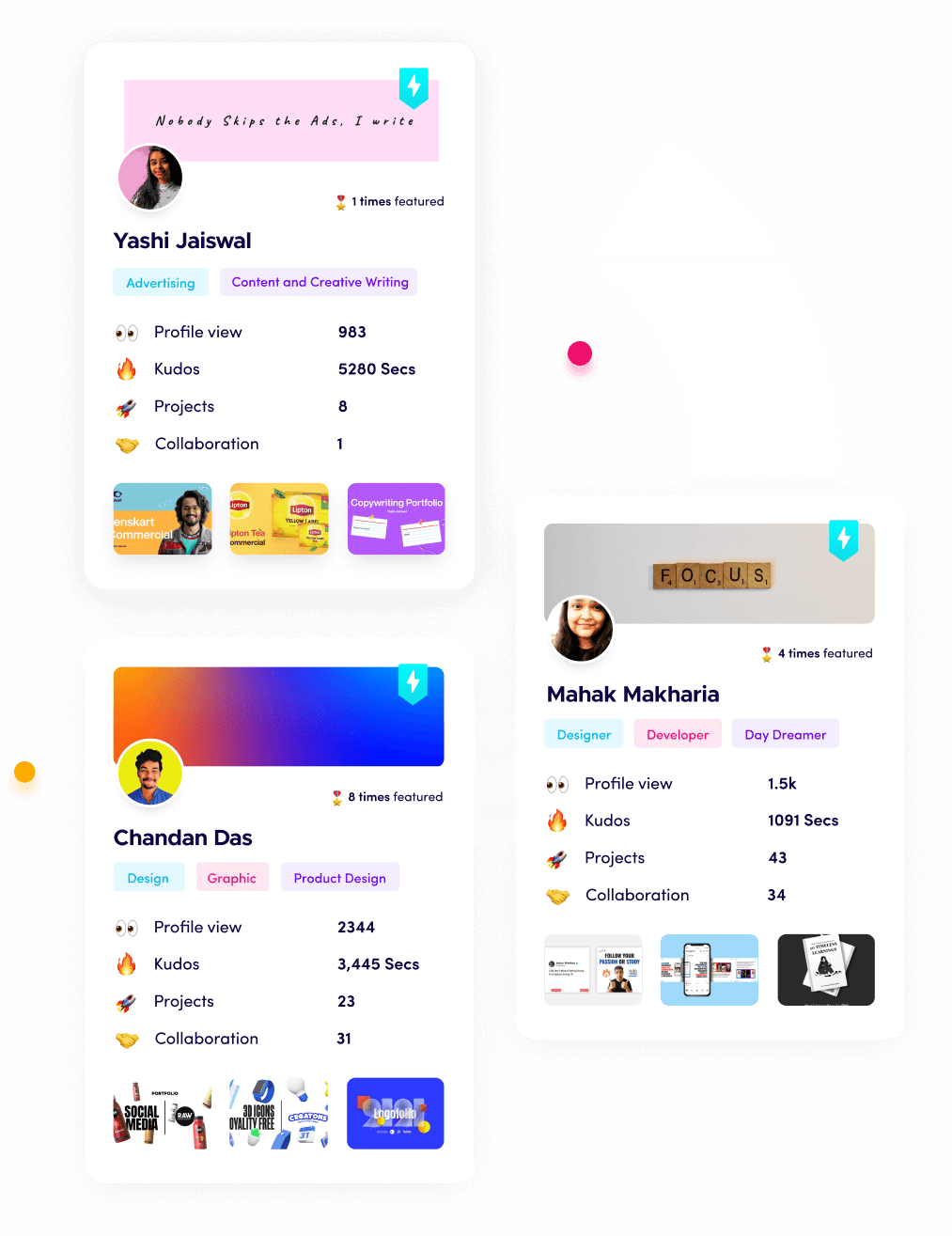
This is where the learning philosophy heavily intersects with what we build at Fueler. During the program, students don't just watch tutorials; they complete real-world editing assignments. They take raw, unedited footage from real creator workflows, edit them under deadline constraints, and build a public-facing portfolio. When an editor presents a clean, interactive portfolio filled with real project samples, client friction drops to zero.
4. Client Outreach, Positioning, and Monetization
Being the best editor in the world means nothing if nobody knows you exist. A massive component of Tharun's training addresses cold outreach, pricing strategies, and negotiation.
Students are taught:
- How to send personalized video audits to creators instead of generic cold emails.
- How to charge based on the value and revenue generated for the client rather than an hourly wage.
- How to transition from a one-off project freelancer into a monthly retainer partner.
How It Works: Step-by-Step Learning Progression
Transitioning from an absolute beginner to a hired creator-economy editor follows a structured, step-by-step methodology:
- Foundational Tool Mastery: Mastering keyboard shortcuts, timeline organization, and folder structures in Adobe Premiere Pro or DaVinci Resolve to maximize editing speed.
- Storytelling & Assembly: Learning how to clean up raw audio, cut out dead air, and construct a logical script flow from unorganized raw takes.
- Retention & Visual Layering: Adding B-roll, lower thirds, kinetic captions, overlays, and color grading to keep visual interest consistently high.
- Audio Engineering & Sound Design: Layering sound effects (whooshes, risers, pops) and balancing background music levels to drive emotional resonance.
- Portfolio Creation: Organizing completed assignments into a structured online showcase. Editors publish these work samples on platforms like Fueler to give prospective employers instant, verifiable proof of their capabilities.
- Outreach & Pipeline Building: Identifying target creators, analyzing their content gaps, sending tailored video samples, and closing monthly retainer contracts.
Practical Career Benefits
Choosing a creator-focused learning path provides distinct advantages over traditional media degrees:
- Faster Time to Income: You do not need to wait three or four years to get a degree before taking on paid work. Most dedicated students start pitching within weeks.
- Direct Access to Decision Makers: You work directly with channel owners, startup founders, and agency directors rather than navigating corporate bureaucracy.
- Location Independence: Creator economy editing is 100% remote. You can live anywhere while editing for clients in the US, Europe, or Southeast Asia.
- High Demand Elasticity: As every company transforms into a media company, the demand for skilled short-form and long-form video editors continues to outpace supply.
Challenges and Limitations
While this training approach is highly effective, it is not a magic pill. It is essential to remain realistic about the hurdles:
- High Initial Discipline Required: Without traditional classroom walls, self-motivation and strict time management fall entirely on your shoulders.
- Rapidly Evolving AI Tools: AI video tools are automating basic cuts and auto-captions. Editors who rely purely on simple cuts without adding strategic creative value risk getting replaced.
- Burnout Risks: Managing multiple creator deadlines without set working hours can lead to extreme fatigue if boundaries are not established early.
Program Comparison: Modern Creator Bootcamps vs. Traditional Options
Investment and Expected Return (ROI)
When evaluating any educational investment, looking at the financial return is crucial.
- Upfront Costs: Minimal, primarily consisting of the course fee, a decent editing computer, and software subscriptions.
- Time Horizon: Most active learners complete their foundational build-out within 30 to 60 days.
- Earning Potential: Entry-level retainer clients for short-form edits typically start around $300 to $500 per month per client. Managing 3 to 4 creators easily yields a sustainable income that far exceeds average entry-level corporate salaries in many regions.
- Long-Term ROI: The real leverage comes when you scale from a solo editor into a media manager, agency owner, or lead editor for a venture-backed creator brand.
Career Opportunities and Industry Roles
Once you master creator-focused video editing, several distinct career paths open up:
- YouTube Channel Editor: Managing long-form video pacing, sound design, and narrative flow for mid-to-large-sized YouTube channels.
- Short-Form Content Specialist: Crafting high-converting Reels, Shorts, and TikToks for founders, D2C brands, and growth marketers.
- Lead Producer at Creator Startups: Overseeing end-to-end video production, managing junior editors, and optimizing team workflows.
- Growth Marketing Video Editor: Editing performance-focused video ads for e-commerce brands and SaaS platforms.
- Agency Founder: Packaging your editing skills into a boutique content agency, hiring other editors, and managing client strategy.
Who Should Choose This Path?
- Aspiring Freelancers: People who want to build a location-independent income stream using a tangible digital skill.
- Self-Taught Editors Stuck at Low Rates: Editors who know the software inside out but struggle to find high-paying, consistent clients.
- Students and Fresh Graduates: Individuals seeking an alternative to traditional, expensive college degrees by focusing on real skills.
- Content Creators: Creators who want to understand video editing deeply so they can edit their own videos or manage hired editors effectively.
Who Should Avoid This Path?
- Pure Film Theorists: Those who solely want to direct cinema movies and have zero interest in short-form content, algorithms, or online audiences.
- Passive Learners: Anyone looking for a certificate to paste on a resume without putting in the heavy lifting to create actual work samples.
- System Skeptics: People who refuse to do proactive outreach, networking, or cold pitching to land clients.
Final Thoughts
The media landscape has permanently shifted. The traditional gatekeepers of television and cinema no longer hold a monopoly on audience attention. Today, individual creators, startup founders, and digital brands run media engines that reach millions of viewers daily, and they are constantly hunting for talented editors who understand this new landscape.
What makes Tharun Speaks' approach stand out is its relentless focus on practical execution. It doesn't treat editing as a set of software commands; it treats it as a high-value business service. By combining visual storytelling with client acquisition strategies and tangible proof-of-work, it provides a clear roadmap for anyone looking to build a sustainable career in the creator economy.
If you are serious about entering this space, stop focusing on getting a paper certificate. Focus on building real projects, solving problems for creators, and publishing your work samples where the industry can actually see them.
Key Takeaways
- Skill vs. Tool: Knowing how to use video editing software is not enough; you must understand audience retention and visual storytelling.
- Proof-of-Work Wins: Clients hire based on verifiable project samples and assignments, not static CVs.
- Retention Editing is King: Modern creators pay top dollar for editors who can keep viewers engaged past the first five seconds.
- Business Literacy Matters: Learning cold outreach, client negotiation, and monthly retainer pricing is just as important as learning color grading.
- Speed to Market: You can build a client-ready portfolio in weeks rather than waiting years for a formal degree.
- Remote Leverage: Mastering creator-focused editing opens up opportunities to work with global clients from anywhere in the world.
Frequently Asked Questions (FAQs)
What makes Tharun Speaks different from traditional editing courses?
Traditional courses focus primarily on software buttons and editing tools. Tharun Speaks emphasizes retention storytelling, creator psychology, portfolio building, and cold outreach strategy to land actual paying clients.
Can beginners learn video editing without prior experience?
Yes. The learning framework starts with foundational timeline management and gradually moves into advanced retention techniques, visual effects, sound design, and real-world client acquisition methodologies.
Do video editors really need a portfolio to get hired?
Absolutely. Creator economy clients hire strictly based on proof-of-work. Showcasing live assignments and real project samples on dedicated portfolio platforms gives prospective clients immediate proof of your technical ability.
What software should a creator economy video editor learn?
Adobe Premiere Pro and DaVinci Resolve are the industry standards for main cuts. Adobe After Effects is essential for dynamic motion graphics, and Photoshop is ideal for thumbnail creation.
How long does it take to start earning as a video editor?
With dedicated practice, structured portfolio development, and consistent cold outreach, most proactive editors can start pitching and securing their first paying clients within two to three months.
Why 100,000+ professionals use Fueler
Fueler helps professionals showcase proof of work through projects, assignments, case studies, and achievements.
- Thousands of professionals use Fueler to create their digital portfolio
- Thousands of projects are published on Fueler. Check here
- Startups and Companies hire through proof of work on Fueler
- Used by freelancers, creators, marketers, video editors, writers, designers, and product managers
Our mission is to help the next 100 million professionals build a verified professional identity through proof of work

What should you do next?
You've read the article. Now turn your skills into proof of work and unlock more opportunities.
Build your proof of work portfolio
Create a clean portfolio with projects, assignments, resumes, and AI stack details that companies actually want to see.
Create your Fueler portfolio →Apply through assignments, not resumes
Stand out by solving real tasks from companies hiring on Fueler.
Explore assignments →Get discovered by companies
Make your work public and let recruiters discover your skills through actual projects instead of keywords.
Get discovered →