How to Become a YouTube Video Editor in 2026?

Riten Debnath
09 Aug, 2026
Last updated: August 2026
Most YouTube creators watch 60% of their audience vanish in the first two minutes, and it’s almost never because of the script. It’s because the cuts were lazy, the pacing dragged, and the visuals gave the viewer an excuse to click away. In 2026, YouTube creators don't need button-pushers who just chop up footage they are actively hunting for retention editors who can engineer watch time.
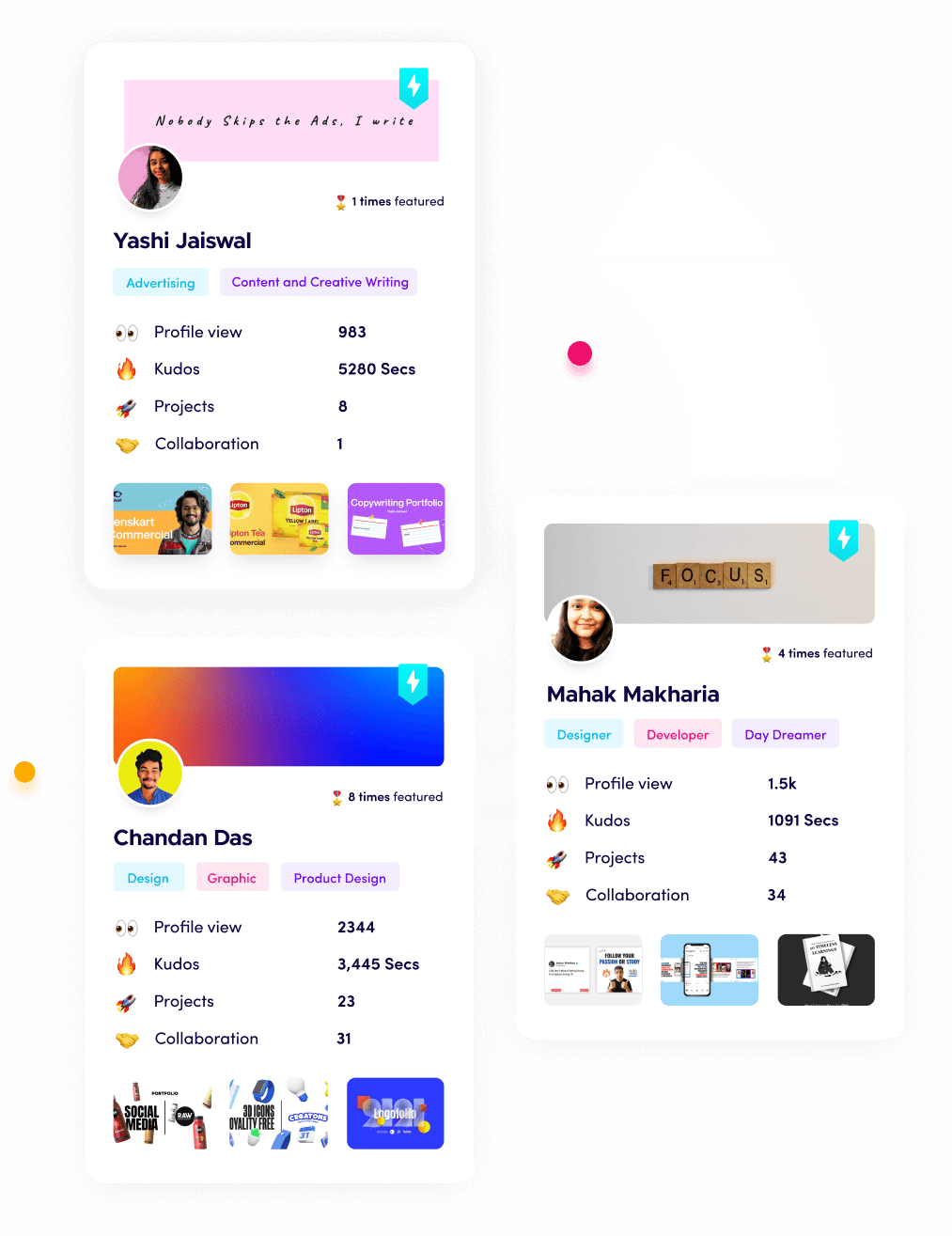
I’m Riten, founder of Fueler, a skills-first portfolio platform building the career infrastructure for 100 million creative professionals. Fueler connects talented individuals with companies through assignments, portfolios, and projects, not just resumes or CVs. Think of it as Dribbble/Behance for work samples combined with AngelList for hiring infrastructure.
Breaking into YouTube editing does not require a film school degree or expensive studio gear. It requires an understanding of viewer psychology, pacing, software mastery, and strategic client outreach. In this guide, you will learn 8 practical steps to go from a complete beginner to a booked YouTube editor, covering retention techniques, workflow systems, portfolio building, and client acquisition.
Master Industry-Standard Editing Software and AI Automation
Starting your journey requires picking one primary non-linear editor and learning it deeply. Trying to learn multiple tools at once slows down your progress and creates unnecessary confusion. Modern creators expect editors to work fast, manage heavy media files, and deliver clean project files without technical glitches.
In 2026, software mastery also means adopting AI automation features built directly into major editing suites. Automated silence removal, text-based transcript editing, and auto-caption generation save hours of manual labor, letting you focus on creative storytelling.
- Focus on mastering timeline navigation, hotkeys, and ripple edits inside software like Adobe Premiere Pro or DaVinci Resolve. When you know keyboard shortcuts inside out, your cutting speed triples, allowing you to slice raw footage smoothly without breaking your creative flow.
- Utilize text-based editing features to trim long talking-head footage directly from generated transcripts. Skimming through text transcripts allows you to delete filler words, awkward pauses, and bad takes in minutes rather than listening through hours of unedited raw audio tracks.
- Master multi-camera editing setups and proxy workflows for handling high-resolution 4K video files seamlessly. Creating lightweight proxies prevents timeline lag on average hardware, ensuring your editing playback remains smooth even when working with heavy footage from professional cameras.
- Integrate AI-powered auto-caption plugins and dynamic subtitle tools to style animated text quickly. Since many viewers watch videos in sound-sensitive environments, eye-catching text overlays build visual engagement and keep audiences glued to the screen during key talking points.
- Organize custom workspace layouts, export presets, and track styles within your chosen software suite. Having pre-configured render settings for YouTube horizontal long-form and vertical Shorts ensures consistent output quality while saving valuable time on every final export.
Why It Matters
Software speed directly impacts your hourly earning potential as a freelancer. Mastering timeline efficiency and smart automation features cuts production time in half, letting you take on more channel clients without burning out or sacrificing creative quality.
Master YouTube Retention Editing and Pattern Interrupts
YouTube rewards channels that keep viewers watching for longer durations. Retention editing is the practice of strategically placing visual and auditory changes throughout a video to reset the viewer's attention span. Without continuous visual motion, audiences click away within the first two minutes.
As an editor, your primary job is to protect the creator's watch time metrics. Understanding where drop-offs happen helps you place pattern interrupts, zooms, and sound effects right before a viewer gets bored.
- Hook viewers within the first fifteen seconds by editing a fast, high-energy cold open or teaser. Splicing the most exciting outcome, question, or realization right at the start creates instant curiosity and gives the audience a clear reason to stay.
- Insert visual pattern interrupts every five to ten seconds using subtle camera punches, angle shifts, or overlays. Changing the visual frame periodically prevents visual monotony, keeps the viewer's eyes active, and maintains high narrative momentum throughout long explanations.
- Use kinetic typography, graphical callouts, and motion lower-thirds to emphasize essential concepts visually. Text elements clarify complex ideas, reinforce spoken talking points, and give multitasking viewers instant visual anchors that keep them engaged with the content.
- Analyze YouTube audience retention graphs provided by clients to identify exact second-by-second drop-off points. Seeing where real viewers abandon videos gives you data-driven feedback, helping you refine your pacing, cut unnecessary rambling, and tighten future edits.
- Design clean end-screen card transitions that encourage viewers to click onto the creator's next video. Structuring the final thirty seconds without abrupt drop-offs or slow farewells keeps audience session time high across the creator's entire channel catalog.
Why It Matters
Creators do not hire editors just for pretty cuts; they hire editors who improve channel retention metrics. Proving that your editing style keeps audiences watching longer makes you an indispensable strategic partner worth top-tier monthly rates.
Practice Storytelling, Pacing Rhythms, and Hook Optimization
A video filled with random effects and fast cuts feels chaotic if it lacks a logical narrative thread. Great YouTube editing relies on storytelling principles that guide the audience through a clear beginning, middle, and end. You must edit for emotional clarity first and visual polish second.
Pacing rhythm involves knowing when to speed up during energetic moments and when to slow down for dramatic emphasis. Balancing these speed shifts creates a natural breathing room that prevents viewer fatigue over a fifteen-minute video runtime.
- Structure the core narrative around a primary goal, obstacle, and ultimate resolution to maintain story momentum. Trimming side tangents and keeping the narrative focused on the main topic ensures the video delivers on its title promise without losing context.
- Alternate between tight, fast-cut sequences during problem setups and relaxed pauses during key takeaways. Varying the tempo keeps the viewer's brain engaged, making long-form educational or lifestyle videos feel refreshingly fast-paced and effortless to consume.
- Enhance emotional beats using music track switches that match the mood of the creator's spoken voice. Transitioning from a tense background track to an upbeat melodic tune signals a shift in narrative direction, guiding viewer feelings naturally.
- Trim micro-pauses between sentences without making the speech sound unnaturally clipped or robotic. Removing long silent gaps keeps the dialogue energetic while maintaining natural breathing pauses that sound authentic and pleasant to the listener's ear.
- Craft curiosity gaps before commercial breaks or mid-video transitions to keep audiences watching through transitions. Teasing an upcoming reveal or showing a brief preview frame creates anticipation, preventing viewers from exiting the video prematurely.
Why It Matters
Storytelling is what separates button-pushing operators from high-value creative editors. Channels grow when viewers feel emotionally connected to the content, making narrative pacing the single most valuable skill you can develop as a modern video editor.
Develop a Niche-Specific Visual Style and Asset Library
YouTube contains distinct content subcultures, from tech reviews and documentary essays to gaming montages and finance tutorials. Each niche requires a completely different visual language, editing tempo, and graphics package. Specializing in one or two content styles makes your work instantly recognizable.
Building a personal library of organized stock footage, sound effects, motion templates, and color presets streamlines production. Instead of hunting for graphics from scratch on every project, you can drop assets directly into your timeline.
- Pick a specialized YouTube niche such as tech reviews, educational explainers, fitness vlogs, or finance channels. Understanding the specific expectations of a target audience allows you to tailor visual effects, graphics, and music choices to match industry standards.
- Curate a comprehensive sound effects library containing risers, pops, swooshes, paper textures, and ambient background noises. Layering subtle audio accents behind graphic transitions adds tactile depth, making flat visual edits feel premium and professional.
- Build reusable lower-third graphics, subscriber callouts, and motion title templates using software like After Effects. Having customized graphic assets ready saves hours during project assembly while maintaining brand consistency across a creator's entire video library.
- Collect high-quality LUTs and color grading presets tailored to different lighting conditions and camera profiles. Applying consistent color correction transforms flat log camera footage into vibrant, polished visuals that look cinematic on modern screens.
- Organize your asset folders logically on fast external drives or cloud storage with clear file-naming conventions. Systematizing your asset library ensures you can locate specific overlay clips, sound effects, or templates within seconds during intense client deadlines.
Why It Matters
A specialized asset library speeds up your workflow and ensures high visual quality across all client deliverables. Creators prefer hiring niche experts who already understand their visual style over generalist editors who require constant creative direction.
Build a Proof of Work Portfolio Using Spec Edits and Raw Footage
The biggest hurdle for beginner editors is convincing creators to trust them without prior experience. Sending raw MP4 files or cluttered cloud links signals amateurism. You need a clean, structured online portfolio that showcases your editing capability, attention to detail, and narrative style.
If you do not have client work yet, create spec edits using freely available raw creator footage or public royalty-free assets. Re-editing existing videos to improve their pacing proves your skill set before you land your first official client.
If you’re just starting out, a YouTube video editor portfolio can be as simple as a few strong edits that show your pacing, storytelling, and ability to keep viewers engaged.
- Download public raw footage packages or royalty-free practice clips to edit three distinct sample videos. Focus on creating one talking-head video, one fast-paced short, and one graphic-heavy explainer to demonstrate editing versatility.
- Create side-by-side "Before vs. After" comparison reels that highlight your specific editing improvements. Showing raw, unedited footage alongside your polished cut instantly proves your value in color grading, audio cleanup, and visual pacing.
- Write brief project summaries for every portfolio entry, explaining the creative brief, tools used, and editing decisions. Explaining why you made specific cuts demonstrates strategic thinking, showing clients that you edit with clear intent rather than random flair.
- Host your video portfolio on a fast-loading, web-based platform that plays embeds smoothly across mobile and desktop devices. A responsive presentation ensures busy creators and agency managers can review your work effortlessly on any device.
- Update your portfolio regularly with fresh assignments, personal edits, and client case studies as your skills evolve. Keeping your showcase updated reflects active involvement in your craft and attracts higher-tier channels over time.
Why It Matters
A strong proof-of-work portfolio removes hiring friction by giving clients concrete visual evidence of your skills. Demonstrating real project execution builds immediate credibility, helping you secure paid trial tasks and long-term editing contracts faster.
Master Sound Design, Audio Cleaning, and B-Roll Layering
Audio quality accounts for more than half of the viewer's perceived video quality. Audiences will tolerate mediocre camera footage, but crisp, well-balanced sound is mandatory. Professional YouTube editors spend substantial time cleaning vocal tracks, balancing background music, and layering immersive sound design.
Layering relevant B-roll footage over speech keeps the screen visually dynamic while masking awkward cuts in the main video track. Sourcing authentic stock footage or custom screen captures adds rich visual context to what the creator is explaining.
- Clean up noisy room audio using noise reduction tools, vocal isolators, and parametric equalizers inside your NLE. Removing background hums, echo, and sibilance turns muffled mic recordings into clear, broadcast-ready voice tracks that sound pleasant.
- Perform gain staging and audio ducking to ensure background music never overpowers spoken dialogue tracks. Automatically lowering music volume when speech occurs keeps words clear while maintaining energy in the background.
- Layer relevant B-roll clips, stock footage, and screen recordings over long speech sections to prevent visual stagnation. Matching B-roll imagery directly to spoken topics reinforces memory retention and keeps the viewer visually entertained.
- Add subtle Foley sound effects such as mouse clicks, keyboard taps, and ambient room noise to static graphic scenes. Tactile audio accents bring flat motion graphics to life, making tutorial sections feel tactile and engaging.
- Normalize final audio master tracks to standard YouTube loudness levels, typically around negative fourteen LUFS. Consistent volume levels prevent viewers from having to manually adjust their device volume between different video segments.
Why It Matters
Top-tier sound design elevates a simple video edit into an immersive viewing experience. Mastering audio post-production sets you apart from amateur editors who neglect sound, allowing you to charge premium rates for complete post-production packages.
Execute Value-First Direct Outreach to Mid-Tier Creators
Relying solely on crowded freelance marketplaces often leads to price wars against hundreds of low-cost bids. The most reliable way to land high-paying YouTube clients is through direct, personalized outreach to mid-tier creators who already produce consistent content.
Focus on channels with 10,000 to 100,000 subscribers that have clear monetized businesses but obvious editing bottlenecks. Pitching value upfront with a sample edit makes your outreach stand out in a crowded inbox.
- Identify target creators who upload regularly but have plain visuals, poor audio mixing, or sluggish pacing. Choosing channels that are already producing content regularly ensures they have the budget and demand for ongoing editing assistance. Looking at how professional YouTube teams such as ks-media.co handle video editing and content production can also help editors understand what creators expect from a polished final video.
- Create a personalized thirty-second sample edit or audit of their latest video, fixing specific pacing or visual issues. Delivering free, tangible value upfront demonstrates your exact skill set on their own content before asking for a contract.
- Write short, direct outreach emails that address the creator by name and compliment a specific video detail. Keep your message focused on how your editing can save them time and boost retention rather than giving a long personal resume.
- Offer a low-risk, paid trial task on their next upcoming video edit to test communication and turnaround speed. A single video trial gives creators a safe, low-commitment way to evaluate your workflow before committing to a larger contract.
- Follow up politely four to five days after your initial email if you do not receive a response. A simple, respectful check-in often recovers lost opportunities with busy creators who missed your first message.
Why It Matters
Direct outreach puts you in complete control of your client pipeline. By offering proactive value, you bypass platform fees, avoid bidding wars, and build direct relationships with creators who value quality partnerships.
Productize Your Editing Services Into Monthly Retainer Packages
One-off editing jobs force you into a constant cycle of hunting for new clients every week. To build a stable income as a freelance YouTube editor, you must transition clients into predictable monthly retainer packages based on video volume.
Retainer packages give creators consistent editing turnarounds while securing steady cash flow for your editing business. Structuring your services clearly prevents scope creep and sets clear boundaries around revisions and turnaround times.
- Bundle your core editing services into structured monthly packages, such as four long-form YouTube videos per month. Providing clear package tiers helps creators choose an option that matches their publishing schedule and budget expectations.
- Include value-added deliverables like short-form vertical cutdowns for YouTube Shorts, Reels, or TikTok within packages. Repurposing long-form content into vertical clips maximizes content output for the creator with minimal extra effort from you.
- Define clear working boundaries regarding raw footage delivery deadlines, turnaround times, and maximum revision rounds. Setting expectations upfront ensures smooth production schedules and prevents project delays from slipping past deadlines.
- Use cloud collaboration platforms to streamline video review, timestamped comments, and final asset handoffs. Centralizing feedback eliminates endless email threads, ensuring revision requests are clear, organized, and easy to track.
- Offer modest contract discounts for clients who sign three-month or six-month retainer agreements upfront. Securing long-term commitments provides cash flow stability, letting you plan your schedule and income predictably.
Why It Matters
Monthly retainers turn unpredictable freelance work into a sustainable, recurring income stream. Managing two to three steady channel retainers provides financial security, allowing you to focus on delivering high-quality visual storytelling.
How YouTube Editing Connects to Building a Strong Career and Portfolio
Succeeding as a YouTube video editor in 2026 requires moving beyond flat resumes and generic certificates. Creators and media teams hire based on visible proof of work; they want to see how you structure narratives, handle pacing, and polish raw clips into high-retention assets. Documenting your completed assignments, client projects, and spec edits establishes transparent credibility that sets you apart in the market.
This is where Fueler naturally fits into your career workflow. Fueler allows video editors to organize their assignments, project breakdowns, and video edits into a clean, professional portfolio that showcases actual execution over empty claims. Displaying your proof of work clearly builds instant trust with creators, helping you secure paid trials, higher rates, and long-term editing contracts.
Final Thoughts
Becoming a successful YouTube video editor is about mastering narrative pacing, workflow efficiency, and proactive client value. Focus on mastering one NLE, learning retention editing, and building an authentic proof-of-work portfolio. As you consistently publish practice edits and deliver value to creators, your reputation will grow, opening doors to sustainable retainer partnerships in the evolving creator economy.
Frequently Asked Questions
Which video editing software is best for YouTube beginners in 2026?
Adobe Premiere Pro and DaVinci Resolve are the top industry standards. Premiere Pro offers extensive plugin ecosystems, while DaVinci Resolve provides powerful free color grading and audio tools.
How much do beginner YouTube video editors charge per video?
Beginners typically charge $50 to $150 per long-form video or ₹3,000 to ₹8,000 depending on complexity. Rates rise significantly as editors gain experience, offer retention strategy, and secure monthly retainers.
How do I get raw footage to practice video editing?
You can download free raw practice footage from community websites like Editstock or search for royalty-free practice packages on YouTube. You can also screen-record public domain clips or create your own vlog footage.
Can I become a YouTube video editor without a degree?
Yes, YouTube editing relies entirely on your portfolio and proof of work rather than formal degrees. Creators care about narrative pacing, retention skills, and reliability over academic credentials.
How long does it take to become a proficient YouTube editor?
With dedicated practice of 10 to 15 hours per week, you can master editing basics, build a portfolio, and land your first client in 8 to 12 weeks.
What should you do next?
You've read the article. Now turn your skills into proof of work and unlock more opportunities.
Build your proof of work portfolio
Create a clean portfolio with projects, assignments, resumes, and AI stack details that companies actually want to see.
Create your Fueler portfolio →Apply through assignments, not resumes
Stand out by solving real tasks from companies hiring on Fueler.
Explore assignments →Get discovered by companies
Make your work public and let recruiters discover your skills through actual projects instead of keywords.
Get discovered →