How to Build a Personal Brand as a Freelancer in 2026

Riten Debnath
04 Dec, 2025
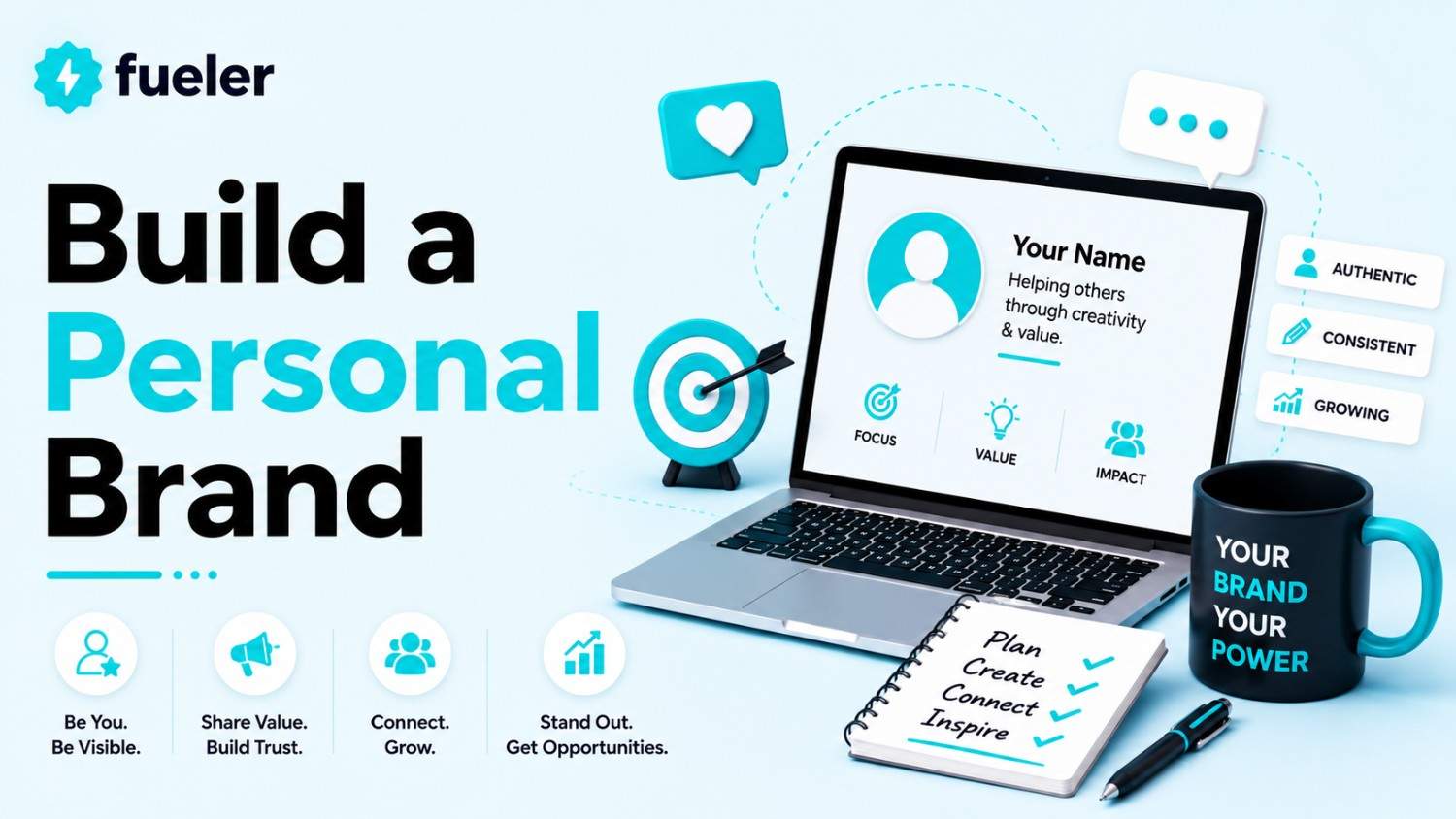
Ever noticed how some freelancers have clients coming to them without even asking, while others struggle to get noticed despite doing good work? That difference lies in personal branding, the art of shaping how the world sees you before you even say a word. In today’s freelance economy, your name, digital presence, and the story you tell online decide whether clients scroll past you or stop and remember you.
I’m Riten, founder of Fueler, a platform that empowers professionals to showcase their skills through real projects and portfolios. Fueler helps you demonstrate authentic expertise in SEO, content marketing, and link building, setting you apart in a competitive market.
So, let’s explore how you can build a personal brand this year that not only stands out but also sells your skills effortlessly.
1. Understand What Your Personal Brand Really Means
A personal brand is not just a logo, tagline, or a fancy color palette. It’s the way people experience you, your tone, your expertise, your values, and what you consistently represent online. For freelancers in 2026, this means aligning your online identity with the quality of your work and the promise you deliver.
- Write a one-line brand statement that defines your niche, for example, “I help SaaS startups turn complex ideas into viral brand stories.” This clarity tells clients exactly what you stand for.
- Study your competitors to see how they position themselves, but focus on highlighting what makes your approach unique or more human.
- Define your target audience early. Know which sectors, clients, or missions align with your energy and interests so your efforts create better results.
- Keep your communication consistent across every channel, from your website and emails to your social posts. Clients should feel your tone, values, and expertise everywhere.
- Showcase not only successful results but lessons learned from challenges too. Vulnerability adds authenticity, which is key in personal branding.
Why it matters:
When your brand has depth and consistency, clients feel clarity and trust even before meeting you. In this way, building a successful brand becomes a natural result of aligning your values, message, and visual identity into one clear narrative. This helps you stay top-of-mind, making it easier for businesses to choose you over others who simply display their work without building a story around it.
2. Create a Strong Digital Home
Having a personal website or portfolio isn’t optional anymore, it’s your office, resume, and social proof rolled into one. This digital foundation tells your story, outlines your services, and provides evidence of your credibility.
- Design a clean homepage that instantly expresses who you are, what you do, and the problems you solve for clients. Think of it as your elevator pitch in design form.
- Include detailed case studies rather than screenshots, describing your process, results, and client transformations. The story behind your work is what sells, not just the visuals.
- Add a dedicated page showing testimonials, press mentions, or collaborations. Each external validation builds instant trust.
- Use organic SEO and keyword-rich titles to make your portfolio discoverable in generative and search-driven platforms.
- Regularly refresh visuals, videos, and success stories so your brand feels alive and continuously evolving with new wins.
Why it matters:
A strong digital foundation makes it easier for clients to research, understand, and trust you. It builds authority without you having to sell yourself constantly through cold messages or social comments.
3. Tell Your Story Everywhere (Not Just on LinkedIn)
Personal branding grows where stories are shared. Most freelancers limit their presence to LinkedIn posts or Instagram reels, but diversification is essential in 2026. Clients now research you across various channels before making decisions, so show up authentically in multiple spaces.
- Share simplified versions of your case studies as short Twitter or Threads posts showing before-and-after results. These quick wins catch eyes fast.
- Use Instagram or YouTube Shorts to give a behind-the-scenes look into your process. Clients love seeing how you think rather than just final outcomes.
- Publish short thought pieces on platforms like Medium or Substack to build your voice and authority in a niche.
- Repurpose long-form content into short bite-sized insights for each platform to maximize reach and engagement without exhausting yourself.
- Be interactive reply to comments, start meaningful conversations, and celebrate others. Branding grows through community participation, not self-promotion alone.
Why it matters:
When your story spreads across platforms, your brand becomes a familiar presence. Clients start seeing you as a trusted expert in your niche rather than just another freelancer competing on price or availability.
4. Build a Consistent Visual Identity
Visual consistency makes your brand recognizable at a glance. From your website banner to your email signature, visuals shape how clients perceive your professionalism.
- Choose a few brand colors that reflect your tone and energy, not just random favorites. Muted comes across as calm and mature, while bright tones feel more energetic and creative.
- Select 2–3 fonts that you use everywhere, both online and in documents, to maintain familiarity. Consistency creates subconscious trust.
- Use the same headshot, logo, or graphic element across all your online platforms. Visual continuity makes you easier to remember.
- Create templates for portfolio slides, Instagram posts, and proposals so your communication always feels cohesive and polished.
- Keep your visuals aligned with your target audience’s culture and expectations. Corporate clients may prefer clean minimalism, while startups might expect bold creativity.
Why it matters:
A visually cohesive brand helps clients recall you easily. Even before they remember your name, they’ll recognize your presence visually instantly improving recall and relationship strength.
5. Become the Expert in One Niche
Freelancers who try to appeal to everyone often end up appealing to no one. Choosing a niche helps you master one area deeply, allowing you to become the go-to person rather than one of hundreds offering the same thing.
- Analyze your existing projects to find which niche gave you the best combination of satisfaction and results.
- Research gaps in that niche where businesses are actively spending but not finding enough reliable freelancers.
- Create educational content such as blog posts, tutorials, or workshops to showcase your niche knowledge practically.
- Offer premium service packages around your specialization instead of generic one-size-fits-all work.
- Collaborate with complementary experts instead of competing. Strategic collaborations strengthen positioning through shared audiences.
Why it matters:
Being known for one strong thing makes you irreplaceable. Clients prefer experts who own their niche instead of generalists who can “try everything.” A niche personal brand draws better clients and higher budgets naturally.
6. Build Thought Leadership Through Content
In 2026, thought leadership is the strongest growth engine for freelancers. When your name starts appearing in conversations, newsletters, or podcast mentions, you gain influence.
- Write actionable content that solves real problems freelancers and clients face. Problem-solving content positions you as a helpful resource.
- Create opinion-driven posts that share your take on industry trends rather than repeating what others say.
- Use your voice to simplify complex ideas into understandable insights. Value grows when clarity does.
- Participate in live sessions, AMAs, or podcasts where your ideas reach new communities outside your existing network.
- Repurpose client experiences (anonymously) into learning lessons that resonate with your target audience.
Why it matters:
Thought leadership builds authority without self-promotion. It creates pull marketing clients to start finding you because you add visible, credible value publicly.
7. Showcase Your Work on Fueler and Similar Platforms
Personal branding isn’t just about social media; it’s also about proof. Platforms like Fueler help you display your real-world work, not just polished claims. Fueler allows professionals to post assignments, client projects, and work samples that reveal both creativity and process. This makes your brand more credible in front of decision-makers worldwide.
Why it matters:
Showcasing portfolio-based proof builds unmatched credibility. When clients see both your process and performance, they trust you faster, book faster, and refer faster the ultimate signs of strong personal branding.
8. Nurture Relationships, Not Just Visibility
Branding without relationships feels hollow. Your name recognition means little if people don’t associate it with trust and reliability. Long-term relationships create compounding reputational value across networks.
- Keep communication thoughtful. Thank clients after projects end, and check in occasionally with useful insights instead of generic greetings.
- Collaboration with peers in projects, podcasts, or resource libraries shared visibility multiplies connection.
- Build newsletters or community channels where you regularly add value through knowledge sharing.
- Join digital events, cohorts, or mastermind groups to exchange ideas and stay relevant in your freelance ecosystem.
- Offer mentorship or feedback when possible. Helping others grow expands your reputation across multiple networks.
Why it matters:
Your personal brand grows from real interactions, not algorithms. People remember kindness, attentiveness, and expertise long after they forget a catchy headline or color scheme.
Final Thoughts
In 2026, building a personal brand isn't about chasing attention; it’s about creating alignment between who you are, what you want to be known for, and how your work makes people feel. When you tell authentic stories, maintain visual harmony, and share value repeatedly, your brand becomes magnetic. Clients will begin seeking you, not the other way around.
FAQs
1. How long does it take to build a personal brand as a freelancer?
It typically takes 6–12 months of consistent storytelling, online engagement, and portfolio updates to start building recognizable trust and visibility.
2. Can personal branding work without social media?
Yes, if you have a strong website, blog, and share knowledge through newsletters or communities. But social media accelerates visibility when done strategically.
3. How do I find my niche as a freelancer?
Analyze where you’ve consistently delivered great results, overlap it with industries that spend actively, and check where your passion aligns with market needs.
4. Should I update my personal brand every year?
Absolutely. Keep evolving visuals, messaging, and your unique value proposition annually to reflect your current expertise and industry growth.
5. Is Fueler good for freelancers building personal brands?
Yes, because it allows you to publish real assignments and projects that showcase how you work, making your brand proof-based rather than claim-based.
What is Fueler Portfolio?
Fueler is a career portfolio platform that helps companies find the best talent for their organization based on their proof of work. You can create your portfolio on Fueler, thousands of freelancers around the world use Fueler to create their professional-looking portfolios and become financially independent. Discover inspiration for your portfolio
Sign up for free on Fueler or get in touch to learn more.

What should you do next?
You've read the article. Now turn your skills into proof of work and unlock more opportunities.
Build your proof of work portfolio
Create a clean portfolio with projects, assignments, resumes, and AI stack details that companies actually want to see.
Create your Fueler portfolio →Apply through assignments, not resumes
Stand out by solving real tasks from companies hiring on Fueler.
Explore assignments →Get discovered by companies
Make your work public and let recruiters discover your skills through actual projects instead of keywords.
Get discovered →