How to Find Freelance Design Clients in Bangalore in 2026

Riten Debnath
12 Sep, 2026
Bangalore is one of the strongest cities in India for freelance designers. The city has a large startup ecosystem, SaaS companies, D2C brands, fintech businesses, agencies, ecommerce companies, and local businesses that need design work regularly. This creates opportunities for graphic designers, UI/UX designers, product designers, brand designers, and other creative professionals.
But having design skills is not enough. If you want to build a steady freelance career in Bangalore, you need to know where clients are, what they are looking for, how to present your work, and how to turn one project into a long-term relationship. Your portfolio needs to show real work, your outreach needs to be specific, and your offer needs to solve a clear business problem.
I’m Riten, founder of Fueler, a skills-first portfolio platform building the career infrastructure for 100 million creative professionals. Fueler connects talented individuals with companies through assignments, portfolios, and projects, not just resumes or CVs. Think of it as Dribbble/Behance for work samples combined with AngelList for hiring infrastructure.
If you are building your portfolio, start with how designers can build proof of work on Fueler. You can also learn how to build a proof-of-work portfolio with Fueler and use your work to approach companies more confidently.
In this guide, I’ll explain how to find freelance design clients in Bangalore, which industries to target, how to build a portfolio that converts, how to approach startups and agencies, how to price your services, and how to create a 30-day client acquisition plan.
Why Bangalore Is a Strong Market for Freelance Designers
Bangalore has a diverse business ecosystem. You can work with an early-stage startup one month and a SaaS company, D2C brand, agency, or established business the next.
The city is particularly useful for designers because many businesses need design across multiple stages. A startup may need a logo and pitch deck before launch. A SaaS company may need a landing page redesign. A D2C company may need packaging and social media creatives. A growing product company may need UI/UX and product design support.
This means you do not have to depend on one type of client. You can build a freelance design career by specialising in one area while keeping your services flexible enough to work across different business categories.
1. Choose a Design Niche That Bangalore Companies Need
The first step is deciding what type of design work you want to sell.
A common mistake is saying, “I am a designer and I can do everything.” Clients usually respond better when they immediately understand what you can help them achieve.
For example, you can position yourself around:
- Brand identity design
- Graphic design
- Social media design
- Presentation and pitch deck design
- UI/UX design
- Product design
- Website design
- Landing page design
- Packaging design
- Marketing creatives
- Ad creatives
- Illustration and visual design
You can still offer multiple services, but your positioning should have a clear centre.
For example, instead of saying “I am a freelance designer,” you could say, “I help Bangalore startups create stronger brand identities and marketing visuals.”
That makes your service easier to understand and easier to sell.
2. Target Bangalore Startups
Bangalore has a large number of startups, making them an important market for freelance designers.
Early-stage companies often cannot justify hiring a full-time designer for every requirement. They may need someone for a specific project such as a pitch deck, website, brand identity, social media campaign, or product interface.
Startups are especially useful when you build relationships early. A company that initially hires you for a presentation may later need website design, campaign creatives, product design, or brand assets.
When approaching startups, do not send a generic portfolio. Study the company first.
Look at:
- Their website
- Product interface
- Social media
- Brand identity
- Landing pages
- Investor presentation
- Advertising creatives
Then identify one design problem you could improve.
3. Work With Bangalore SaaS and Tech Companies
SaaS and technology companies can be strong clients for freelance designers because their design needs continue as the business grows.
A SaaS company may require:
- Website design
- Landing pages
- Product UI
- UX improvements
- Product illustrations
- Case studies
- Pitch decks
- Social media creatives
- Marketing assets
- Presentation templates
If you want to work with this category, your portfolio should demonstrate that you understand business goals rather than simply showing attractive visuals.
For example, instead of only showing a redesigned landing page, explain what was changed and why. Show the original problem, your design decisions, the final result, and any measurable outcome when available.
4. Target Fintech and Consumer Technology Brands
Bangalore has a strong technology and fintech ecosystem. These businesses often need design support across products, marketing, and communication.
For fintech companies, your portfolio can show work related to:
- Mobile apps
- Dashboards
- Landing pages
- Product onboarding
- Data visualisation
- Marketing campaigns
- Social media
- Brand systems
- Presentation design
For consumer technology brands, focus on clarity and usability. Your work should show that you can make complex products easier to understand.
This is particularly important for UI/UX and product designers.
5. Approach D2C and Ecommerce Brands
D2C businesses need design frequently because their customer acquisition depends heavily on visual communication.
You can offer:
- Product creatives
- Social media posts
- Ad creatives
- Packaging
- Website banners
- Product pages
- Email graphics
- Campaign designs
- Brand identity
- Marketplace creatives
Instead of pitching “graphic design,” pitch a business outcome.
For example:
“I can help improve the visual consistency of your product campaigns across Instagram, ads and your website.”
This is more valuable than simply saying you are available for freelance design work.
6. Find Design Agencies That Need Freelancers
Agencies can become valuable sources of recurring freelance work.
A Bangalore agency may have more projects than its internal design team can handle. During busy periods, agencies often need freelancers for specific deliverables.
You can approach:
- Branding agencies
- Digital agencies
- Advertising agencies
- Social media agencies
- Web development agencies
- Product studios
- Marketing agencies
Do not approach every agency with the same message.
Check their portfolio and identify the kind of work they regularly produce. Then explain how your skills can support their existing services.
For example, if an agency works heavily with social media campaigns, show your strongest campaign design work. If it focuses on websites, show website and landing page projects.
7. Build a Portfolio Before You Start Outreach
Your portfolio is your strongest sales asset.
Clients want to see evidence that you can solve problems. A portfolio with 8 to 12 strong projects can be more useful than a large collection of random designs.
Each project should explain:
- What was the problem?
- Who was the target audience?
- What was your role?
- What did you create?
- Why did you make those design decisions?
- What was the result?
If you do not have enough client work, create self-initiated projects.
You can redesign a fictional Bangalore startup, create a D2C brand identity, redesign a SaaS landing page, or build a complete social media campaign for an imaginary product.
The goal is to demonstrate how you think.
8. Turn Your Work Into Proof of Work
A good portfolio should not simply be a gallery.
Your work should demonstrate your ability to solve real problems. This is why proof of work is important for freelance designers.
For example, a branding project can include the logo, colour system, typography, applications, and reasoning behind the visual identity.
A UI/UX project can show the problem, user flow, wireframes, interface, and final prototype.
A marketing design project can show the campaign objective, creative direction, different assets, and results if available.
You can also use Fueler's proof-of-work portfolio approach to organise your projects around actual skills and outcomes.
9. Create Bangalore-Specific Self-Initiated Projects
If you are new to freelancing, local projects can help you create relevant proof of work.
For example, you can design:
- A Bangalore cafe brand identity
- A startup pitch deck
- A local restaurant's social media campaign
- A real estate landing page
- A D2C skincare brand
- A SaaS website
- A fitness studio identity
- A local event campaign
These projects help you demonstrate that you understand businesses in the city.
You can also use them during outreach. Instead of telling a business that you can improve its design, show them an example of what that improvement could look like.
10. Use LinkedIn to Find Design Clients
LinkedIn is one of the most useful platforms for finding B2B freelance design work.
Follow founders, marketing heads, brand managers, product managers, and agency owners.
Look for posts such as:
- “We are launching a new product.”
- “We are redesigning our website.”
- “We are hiring.”
- “We are launching a campaign.”
- “We need help with branding.”
- “Looking for a designer.”
Do not immediately pitch everyone you find.
First engage with their work. Understand what the company is building. Then send a short and personalised message.
Your portfolio should be easy to access from your profile.
11. Use Instagram for D2C and Local Businesses
Instagram can be especially useful if you want to work with D2C brands, restaurants, creators, fashion businesses, fitness brands, and other consumer-focused companies.
Instead of posting only finished designs, show your process.
You can create posts such as:
- Before and after redesigns
- Brand identity breakdowns
- Landing page redesigns
- Packaging concepts
- Social media campaign concepts
- Typography studies
- Design audits
This turns your Instagram account into another portfolio.
12. Offer a Small Design Audit
A design audit can be an effective first conversation with a potential client.
Pick one company and identify three to five improvements.
For a website, you could discuss:
- Visual hierarchy
- Typography
- CTA placement
- Mobile experience
- Brand consistency
For social media, you could discuss:
- Visual consistency
- Content templates
- Typography
- Creative direction
- Campaign structure
Keep the audit useful and concise. The purpose is to demonstrate expertise, not to give away an entire project for free.
13. Use Paid Assignments to Build Client Relationships
Some companies may want to evaluate your skills before committing to a larger project.
A small paid assignment can be useful in this situation.
For example:
- One landing page
- Three social media creatives
- A small brand concept
- One pitch deck
- A website redesign concept
- A product screen redesign
The assignment should have a clear scope, deadline, and payment.
This approach also aligns with a skills-first hiring model because clients can evaluate actual work rather than relying only on a resume.
14. Show Recruiters What They Can Explore
If you are hiring a freelance designer, a portfolio gives you much more information than a resume alone.
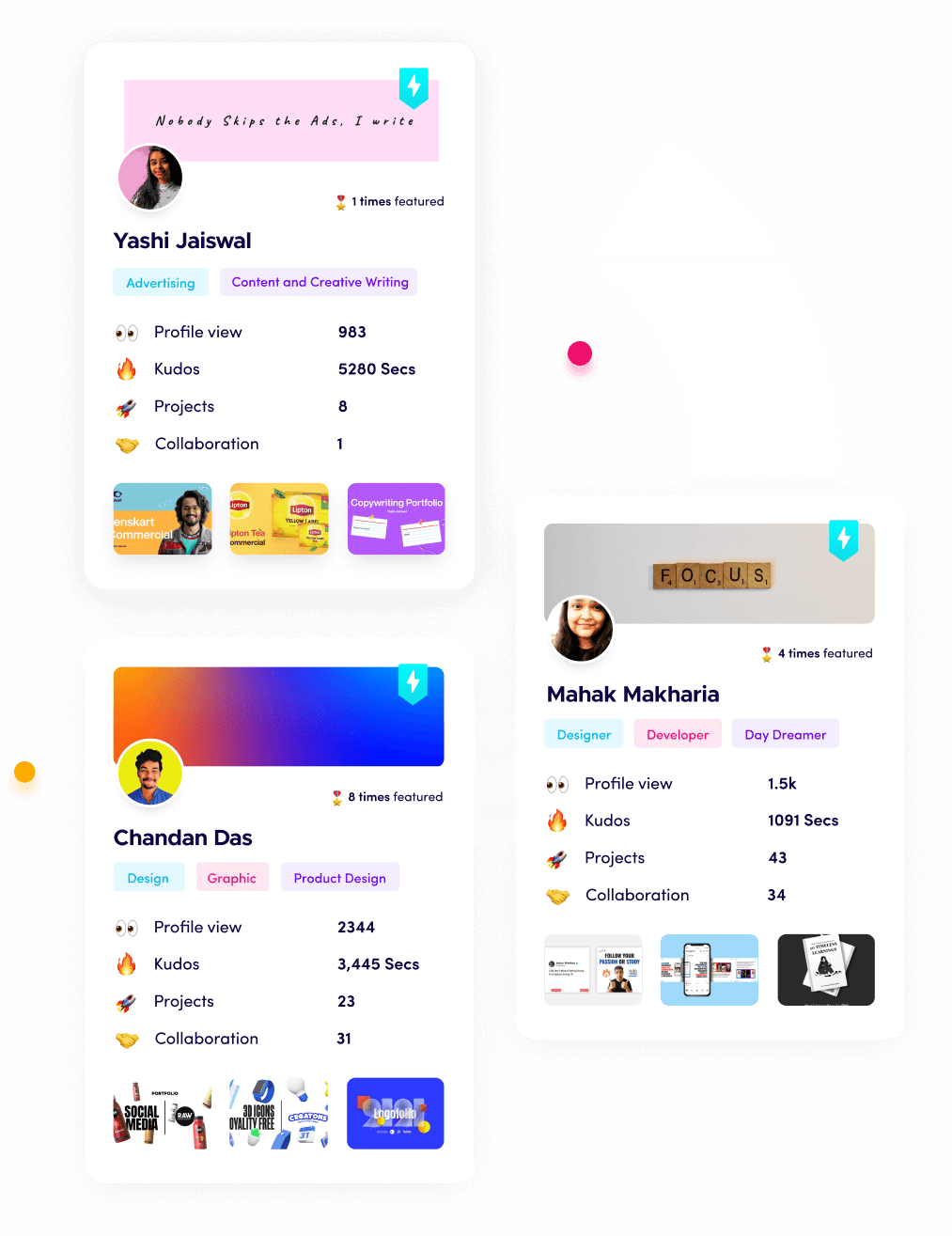
Here are some Fueler portfolios that recruiters can explore when evaluating different design capabilities:
The important point is that a recruiter should be able to understand your capability without needing a long explanation. Your portfolio should make the evidence easy to find.
15. Learn the Tools Bangalore Clients Expect
Your tools should match the type of work you want to sell.
For graphic design, focus on tools such as:
- Adobe Photoshop
- Adobe Illustrator
- InDesign
- Canva
For UI/UX and product design:
- Figma
- FigJam
- Prototyping tools
- Design systems
For presentations:
- PowerPoint
- Google Slides
- Figma
But tools alone will not differentiate you.
Strong designers understand layout, typography, colour, hierarchy, user behaviour, brand systems, communication, and business objectives.
16. Create Clear Freelance Design Packages
Instead of making clients figure out what they can hire you for, create simple packages.
Your pricing should depend on scope, complexity, timeline, experience, and the value of the work. Avoid creating a single universal price for every project.
17. Use a Simple Outreach Message
Your outreach should be short and specific.
For example:
Hi [Name], I was checking out [Company] and noticed a few opportunities to improve the visual experience of your [website/social campaigns/product]. I’m a freelance designer and recently worked on similar design problems. I put together a few relevant examples here. Would you be open to a quick conversation?
This works better than:
“Hi, I am a graphic designer looking for freelance work. Please let me know if you have any requirements.”
The first message is about the client's problem. The second is about you.
18. Turn One Client Into Repeat Work
Getting a client is only the beginning.
After completing a project, look for the next problem you can solve.
For example, after completing a brand identity, you can offer:
- Social media templates
- Website design
- Presentation templates
- Marketing creatives
- Packaging
- Campaign design
After completing a website project, you can offer:
- Landing pages
- Conversion-focused redesigns
- Product pages
- Marketing graphics
- Ongoing website design support
This is how freelance work becomes predictable.
19. Build a 30-Day Client Acquisition Plan
If you want to find your first few freelance design clients in Bangalore, use a structured process.
Track your activity every week. Measure how many companies you contacted, how many replied, how many conversations happened, and how many projects were closed.
This will help you understand what is actually working.
Final Thoughts
Finding freelance design clients in Bangalore is not about sending hundreds of generic messages. It is about becoming easy to trust.
A strong portfolio gives clients evidence. A clear niche tells them what you can do. Relevant outreach gets their attention. A good discovery conversation builds confidence. Strong delivery creates repeat business.
If you are starting from zero, focus on building proof of work first. Create projects that demonstrate the type of work you want to get hired for. Then build a targeted list of Bangalore startups, SaaS companies, agencies, D2C brands, and local businesses and approach them consistently.
Your goal should not be to find one freelance project. It should be to build a repeatable system that brings you better clients, stronger projects, and more opportunities over time.
FAQs
1. How can I find freelance design clients in Bangalore?
Start by building a strong portfolio and identifying a specific design service you want to sell. Then target Bangalore startups, SaaS companies, D2C brands, agencies, ecommerce businesses, and local companies through LinkedIn, Instagram, referrals, and direct outreach.
2. How much can a freelance designer earn in Bangalore?
Freelance design income depends on your skills, experience, niche, project scope, client type, and ability to retain clients. Instead of focusing only on an hourly rate, consider project-based pricing and monthly retainers for ongoing work.
3. Where can freelance designers find clients in Bangalore?
You can find clients through LinkedIn, Instagram, startup networks, agencies, referrals, direct outreach, communities, and portfolio platforms such as Fueler. The best channel depends on your design specialisation and target client.
4. How should I build a freelance design portfolio?
Focus on 8 to 12 strong projects rather than uploading every design you have created. Explain the problem, your role, process, design decisions, final output, and results. If you do not have client work, create relevant self-initiated projects.
5. How can I get my first freelance design client with no experience?
Create 3 to 5 strong self-initiated projects that match the type of work you want to sell. Then approach small businesses, startups, agencies, and founders with personalised proposals. You can also use Fueler's guide to getting freelance clients without a website to build your client acquisition process without waiting for a perfect website.
Why 100,000+ professionals use Fueler
Fueler helps professionals showcase proof of work through projects, assignments, case studies, and achievements.
- Thousands of professionals use Fueler to create their digital portfolio
- Thousands of projects are published on Fueler. Check here
- Startups and Companies hire through proof of work on Fueler
- Used by freelancers, creators, marketers, video editors, writers, designers, and product managers
Our mission is to help the next 100 million professionals build a verified professional identity through proof of work
What should you do next?
You've read the article. Now turn your skills into proof of work and unlock more opportunities.
Build your proof of work portfolio
Create a clean portfolio with projects, assignments, resumes, and AI stack details that companies actually want to see.
Create your Fueler portfolio →Apply through assignments, not resumes
Stand out by solving real tasks from companies hiring on Fueler.
Explore assignments →Get discovered by companies
Make your work public and let recruiters discover your skills through actual projects instead of keywords.
Get discovered →