How to Find Freelance Developer Projects in Bangalore in 2026

Riten Debnath
12 Sep, 2026
Bangalore is one of the strongest technology markets in India for freelance developers. The city has startups, SaaS companies, fintech businesses, ecommerce brands, D2C companies, IT firms, agencies, product companies, and local businesses that need developers for websites, web applications, mobile apps, internal tools, automation, integrations, and digital products.
For a freelance developer, the opportunity is not limited to companies that publicly advertise freelance jobs. Many businesses need short-term technical help when they are launching a product, rebuilding a website, adding a new feature, fixing technical problems, or handling more development work than their internal team can manage.
The best way to approach the Bangalore market is to identify businesses with genuine technical requirements, understand the problem they are trying to solve, and show proof that you can build the solution. Your portfolio, technical case studies, outreach, and professional network can all contribute to finding better freelance projects.
I’m Riten, founder of Fueler, a skills-first portfolio platform building the career infrastructure for 100 million creative professionals. Fueler connects talented individuals with companies through assignments, portfolios, and projects, not just resumes or CVs. Think of it as Dribbble/Behance for work samples combined with AngelList for hiring infrastructure.
For developers, proof of work is particularly valuable because a live application, website, automation, API, open-source project, or technical case study gives a client something concrete to evaluate. You can learn more from Fueler's guide to creating proof of work as a developer and how to build a proof-of-work portfolio with Fueler.
In this guide, I’ll explain how to find freelance developer projects in Bangalore, where to find startups and agencies, which industries to target, how to build a strong developer portfolio, how to approach potential clients, how to price your services, and how to turn one project into recurring development work.
Why Bangalore Is a Strong Market for Freelance Developers
Bangalore has a large technology ecosystem, but the opportunity for developers extends beyond traditional technology companies. Startups, SaaS businesses, fintech companies, D2C brands, ecommerce companies, agencies, education businesses, healthcare companies, professional-service firms, and established businesses all have digital requirements.
A startup may need an MVP, while a SaaS company may need a new dashboard or API integration. A D2C brand may need an ecommerce website, while an agency may need a frontend developer for a client project. A growing company may need an internal tool or automation system that its existing team does not have time to build.
This variety makes Bangalore a useful market for developers with different technical specialisations. The key is to match your skills with a specific business requirement instead of presenting yourself as someone who can build everything.
1. Choose Your Development Specialisation
Before looking for freelance projects, decide what type of development work you want to sell. You can focus on frontend development, backend development, full-stack development, mobile development, ecommerce development, WordPress, automation, API integrations, cloud development, or software development for startups.
You can still have several technical skills, but your freelance positioning should be easy to understand. Instead of listing ten programming languages and asking companies whether they need a developer, explain the type of problem you solve. For example, you could position yourself as a full-stack developer who helps Bangalore startups build MVPs and web applications, or as a frontend developer who helps SaaS companies build responsive product interfaces.
Clear positioning makes it easier for clients to understand why they should speak with you.
2. Map Bangalore Startups
Startups should be one of your first prospecting categories because they frequently need technical support while building and growing their products. An early-stage startup may need an MVP, landing page, customer dashboard, internal tool, API integration, payment system, or automation.
Do not only look for companies that have posted freelance requirements. Look for companies that are launching products, expanding their technology team, changing their website, raising funding, entering a new market, or adding new product features.
Once you identify a startup, study what it is building before contacting anyone. Understand the product, website, customer journey, and obvious technical requirements. If you can identify a specific problem that your skills can address, your outreach becomes much more relevant.
3. Find Bangalore Development and Digital Agencies
Agencies can become an important source of recurring freelance development work because they already have multiple clients and projects. When their internal team is overloaded, they may bring in freelance developers to handle specific deliverables or complete projects on tight deadlines.
Look for web development agencies, digital marketing agencies, ecommerce agencies, creative agencies, software development companies, product studios, and branding agencies that also provide digital services. When approaching an agency, explain what type of development work you can independently handle and how you can fit into their existing workflow.
For example, a frontend developer can support React or Next.js projects, while a backend developer can handle APIs, databases, integrations, and server-side functionality. A full-stack developer can take ownership of smaller applications from development through deployment.
4. Target Bangalore SaaS Companies
SaaS companies can provide strong opportunities for freelance developers because their products require continuous development. They may need help with frontend features, backend APIs, dashboards, integrations, authentication, database work, performance improvements, and new product functionality.
If you want to work with SaaS companies, your portfolio should show more than screenshots. Explain the problem you solved, your role, technology stack, architecture where relevant, technical decisions, challenges, and final implementation.
For example, if you built a SaaS dashboard, explain how you handled authentication, role-based access, API communication, database operations, state management, and deployment. This gives a client much more information about your development ability than a screenshot alone.
5. Approach Fintech and Financial Technology Businesses
Bangalore has a strong technology and fintech ecosystem, creating opportunities for developers working on financial products, dashboards, integrations, customer portals, and internal systems.
If you target this segment, demonstrate that you understand important software practices such as authentication, validation, access control, error handling, logging, and careful handling of sensitive information. Do not claim compliance experience, security certifications, or specialised financial expertise unless you genuinely have that background.
You can also create a personal finance dashboard, budgeting application, or financial data interface as a self-initiated project to demonstrate relevant technical thinking.
6. Target D2C and Ecommerce Brands
D2C and ecommerce companies depend heavily on their digital infrastructure. Their websites directly influence how customers discover products, evaluate them, make purchases, and interact with the brand.
You can help with ecommerce websites, custom storefronts, product pages, checkout experiences, payment integrations, inventory systems, CRM integrations, landing pages, analytics, performance improvements, and maintenance.
When approaching these businesses, identify a specific problem. A slow mobile website, complicated checkout process, weak product pages, or disconnected internal systems can provide a strong reason to start a conversation.
7. Work With Product Companies
Bangalore has many product-focused businesses that need developers for continuous product development. These companies may require support with new features, frontend implementation, backend services, integrations, internal tools, testing, performance, or technical maintenance.
Product companies can be particularly valuable for developers who enjoy solving complex problems because the work often goes beyond creating a simple website. Your portfolio should therefore demonstrate how you think about users, product requirements, technical trade-offs, and maintainable software.
If you want to enter this segment, build at least one project that demonstrates product thinking rather than only visual implementation.
8. Find Businesses With Outdated Websites
Do not restrict your search to technology companies. Bangalore has thousands of established businesses that may have outdated websites or weak digital experiences.
Potential prospects include restaurants, clinics, consultants, educational businesses, real estate companies, professional-service firms, hotels, local retailers, and manufacturers. Review their websites manually and look for issues such as poor mobile responsiveness, broken pages, outdated information, slow loading, confusing navigation, weak calls to action, or missing functionality.
Once you find an issue, contact the business with a specific observation and explain how you can help. This is much stronger than sending a generic message saying that you are available for freelance development work.
9. Build a Developer Portfolio That Shows Technical Work
Your developer portfolio should explain what you built and how you built it. For each major project, include the problem, your role, technology stack, important technical decisions, challenges, solution, and result.
For example, an ecommerce project could explain how you handled product data, authentication, cart functionality, payments, APIs, database operations, and deployment. An automation project could explain the manual process it replaced and how the new workflow works.
A client should be able to look at your portfolio and answer three questions: What can you build? What role did you personally play? Can you solve a problem similar to mine?
10. Build Self-Initiated Projects Before Getting Clients
You do not need to wait for professional client work before building your portfolio. Create projects that represent the kind of freelance work you want to get hired for.
If you want startup clients, build an MVP. If you want SaaS clients, build a dashboard with authentication and API integration. If you want ecommerce clients, build an ecommerce application. If you want automation projects, build a workflow that eliminates a repetitive business process.
Clearly label these as personal or self-initiated projects. They are valuable because they give potential clients evidence of your ability even when you do not yet have a long professional track record.
11. Show Live Projects and GitHub Work
A developer portfolio becomes stronger when clients can evaluate more than screenshots. Where appropriate, include a live demo, GitHub repository, technical documentation, architecture explanation, or short project walkthrough.
Do not publish private client code or confidential information without permission. For client work, explain your contribution without exposing proprietary material. For personal and open-source projects, public repositories can show how you structure code, document projects, manage dependencies, and build features.
This makes your portfolio more credible and reduces the amount of uncertainty a potential client has before hiring you.
12. Use LinkedIn to Find Bangalore Decision-Makers
LinkedIn can help you find founders, CTOs, product managers, agency owners, engineering leaders, and business owners who may need development support. Instead of searching only for "freelance developer jobs," look for businesses that are launching products, rebuilding websites, expanding their digital presence, or adding technical capabilities.
Once you identify a relevant company, find the person responsible for the technical or business decision. Your message should explain why you are contacting them and connect your skills to something the company is currently doing.
A personalised message to a relevant decision-maker is generally more useful than sending the same application to dozens of company inboxes.
13. Approach Agencies With a Specific Technical Offer
When contacting an agency, make it easy for them to understand what work you can take off their team's workload. Explain the technologies you use, the type of projects you can independently manage, and whether you can work within an existing development process.
You can also offer overflow support when an agency has more projects than its internal team can handle. This can be particularly useful when an agency has a deadline and needs additional development capacity for a limited period.
14. Offer a Small Technical Audit
A technical audit can be an effective way to start a conversation with a potential client. For a website, you could review performance, responsiveness, accessibility, broken links, technical usability, and obvious frontend problems. For a web application, you could identify areas that may benefit from performance improvements, cleaner implementation, better error handling, or improved user flows.
Keep the audit focused and practical. You do not need to provide a complete technical consultation for free. The purpose is to demonstrate that you can identify problems and propose useful solutions.
15. Use Small Paid Assignments
Some clients may want to evaluate your development ability before committing to a large project. A small paid assignment can provide a lower-risk way to demonstrate how you work.
The assignment could involve building a small feature, creating a landing page, integrating an API, fixing a frontend issue, creating a dashboard component, or automating a repetitive process.
Before beginning, define the requirements, scope, timeline, payment, deliverables, and ownership of the resulting work. A successful small assignment can then become the starting point for a larger engagement.
16. What Recruiters Can Explore on Fueler
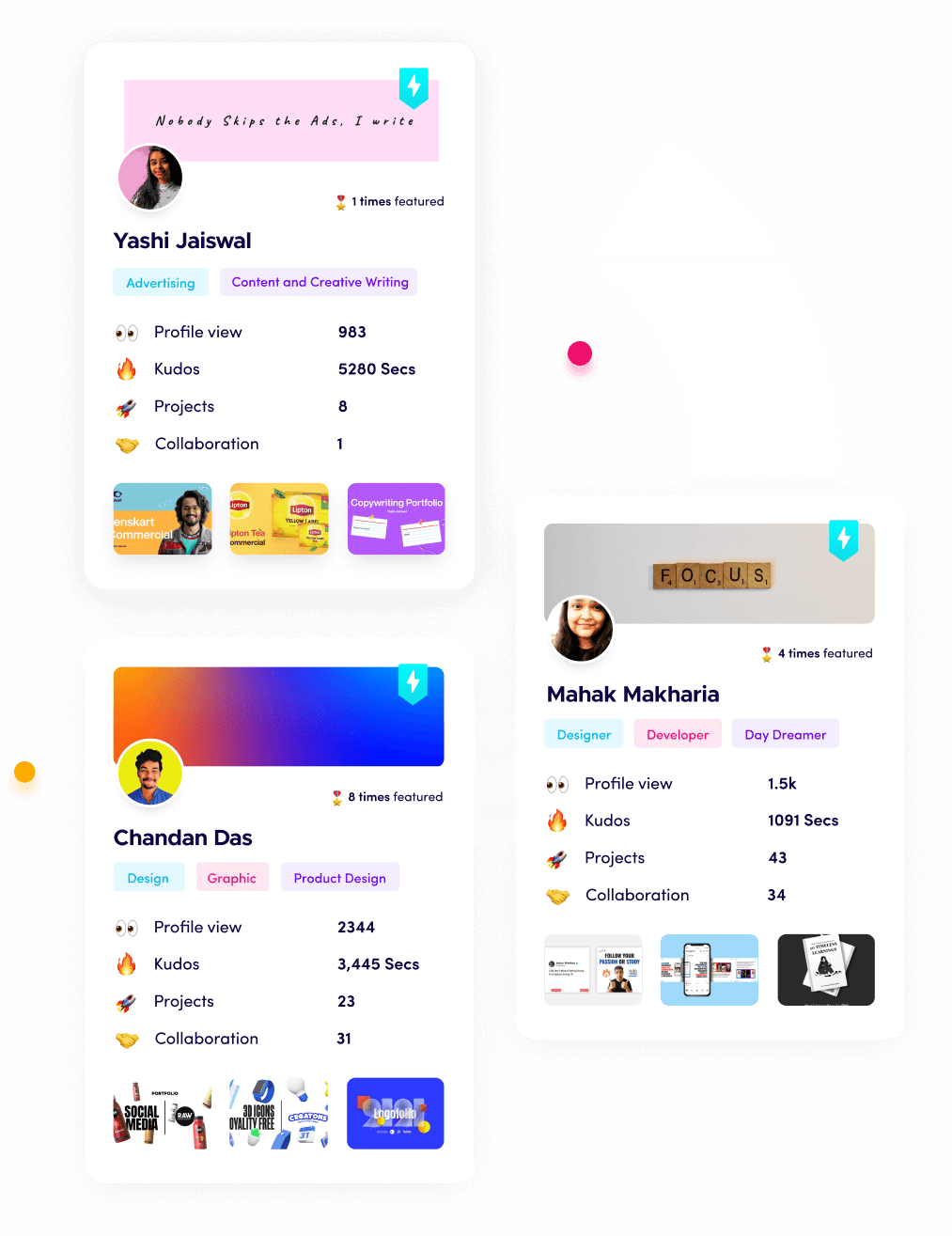
For developers, portfolios allow recruiters to evaluate actual technical work instead of relying only on resumes and lists of programming languages. Here are several Fueler profiles that recruiters can explore across different development areas:
These profiles are portfolio examples and should not be treated as claims that the developers are currently available for freelance projects in Bangalore. The important lesson is how actual development work can be presented so that recruiters can quickly evaluate technical capability.
17. Choose a Technology Stack That Matches Your Target Market
You do not need to learn every programming language to build a successful freelance career. Choose technologies that match the type of projects you want to sell and become highly capable with them.
For frontend development, you might focus on JavaScript, TypeScript, React, Next.js, HTML, CSS, and related tooling. For backend development, you might specialise in Node.js, Python, Java, PHP, databases, APIs, and cloud services. Full-stack developers can combine frontend and backend skills to deliver complete applications.
The number of technologies on your profile matters less than your ability to use them to build reliable software. Strong fundamentals, debugging ability, architecture decisions, communication, and problem-solving are important parts of freelance development.
18. Create Clear Development Packages
Non-technical clients may not understand a list of programming languages, but they understand the business result they want. Packaging your services around outcomes makes it easier for them to understand what they are hiring you for.
Your pricing should depend on the project scope, technical complexity, existing codebase, integrations, timeline, maintenance requirements, and business importance. Understand the requirements before giving a final quote.
19. Use a Client-Focused Outreach Message
Your outreach should explain why you are contacting the company instead of simply saying that you are looking for freelance work. Mention something specific you noticed, connect it to your development service, share a relevant project, and ask whether they are open to a conversation.
For example:
Hi [Name], I was looking at [Company] and noticed that [specific technical observation]. I work on [relevant development service] and have built similar projects involving [relevant technology or functionality]. I thought this might be useful for what your team is working on. Would you be open to a short conversation?
A personalised observation makes the message more credible. A generic message such as "I am a full-stack developer looking for freelance work" does not give the prospect a strong reason to respond.
20. Build Partnerships With Designers, Marketers and Agencies
Developers can generate projects through professionals who already work with businesses. Designers, copywriters, SEO professionals, marketing consultants, video editors, and agencies often have clients who eventually need development work.
A designer may have a client who needs a website built. A marketer may need a landing page for a campaign. An SEO professional may work with a business that needs technical improvements to its website.
Build relationships with professionals who serve the same customer base and make your specialisation clear. Over time, these relationships can become an important source of referrals.
21. Turn One Development Project Into Recurring Work
A successful development project can lead to additional technical requirements. A website can lead to maintenance, new landing pages, integrations, analytics, performance improvements, and new features. An ecommerce project can lead to new functionality and ongoing technical support. A web application can lead to additional features, bug fixes, monitoring, and infrastructure improvements.
After completing a project, ask what the client plans to build or improve next. If the business has regular technical requirements, you can offer a monthly development retainer with clearly defined deliverables and support boundaries.
This is one of the best ways to make freelance development more predictable because you are not starting the client acquisition process from zero after every project.
22. Follow a 30-Day Client Acquisition Plan
If you want to find freelance developer projects in Bangalore, follow a structured 30-day process instead of sending random proposals whenever you have time. The first week should focus on your portfolio and positioning, the second on prospecting, the third on outreach, and the fourth on converting suitable opportunities.
Track prospects contacted, replies received, calls booked, proposals sent, projects closed, revenue generated, and repeat opportunities. These numbers will help you understand which industries, offers, and outreach channels are producing the strongest results.
Final Thoughts
Finding freelance developer projects in Bangalore is not about applying to every job post you can find. The stronger approach is to identify businesses with genuine technical problems and make it easy for them to see that you can solve those problems.
Start with a clear development specialisation and build strong proof-of-work projects around it. Your portfolio should explain what you built, which technologies you used, what your role was, which technical problems you solved, and what the outcome was. Then map Bangalore startups, SaaS companies, fintech businesses, D2C brands, ecommerce companies, agencies, product companies, and established businesses that may need development support.
Do not overlook agencies and professional partnerships. An agency can provide multiple projects, while a strong relationship with a designer, marketer, SEO professional, or consultant can create recurring referrals.
Most importantly, do not wait until your portfolio is perfect. Build one useful project, document it properly, publish it as proof of work, and use it to start conversations. Your first strong project can become the evidence that helps you win the next one.
The goal is not to find one freelance development project. The goal is to build a repeatable system where technical proof of work creates conversations, conversations create projects, and successful projects create referrals and recurring development work.
FAQs
1. How can I find freelance developer projects in Bangalore?
Start by building a focused developer portfolio and then target Bangalore startups, SaaS companies, fintech businesses, agencies, D2C brands, ecommerce companies, product companies, and local businesses. Use LinkedIn, direct outreach, agency partnerships, referrals, developer communities, and portfolio platforms such as Fueler to find relevant opportunities.
2. Which companies hire freelance developers in Bangalore?
Startups, SaaS companies, product companies, digital agencies, ecommerce businesses, D2C brands, fintech businesses, education companies, and established businesses can all work with freelance developers. Your best prospects will depend on your technical specialisation and the type of project you want to build.
3. How much should a freelance developer charge in Bangalore?
There is no single freelance developer rate because pricing depends on your experience, technology stack, project scope, technical complexity, timeline, existing codebase, integrations, and maintenance requirements. Understand the requirements first and then create a quote that reflects the actual work involved.
4. How can I get my first freelance development project without professional experience?
Build three to five self-initiated projects that demonstrate the type of development work you want to sell. Deploy them where possible and document the technology stack, your role, technical decisions, challenges, and solutions. Then approach startups, agencies, and local businesses with relevant examples instead of relying only on your resume.
5. What should a freelance developer portfolio include?
A strong developer portfolio should include the project objective, your role, technology stack, important technical decisions, architecture where relevant, challenges, solutions, live demo or repository where appropriate, and genuine results. Screenshots alone are not enough. Clients and recruiters should be able to understand what you personally built and how you approached the technical problem.
Why 100,000+ professionals use Fueler
Fueler helps professionals showcase proof of work through projects, assignments, case studies, and achievements.
- Thousands of professionals use Fueler to create their digital portfolio
- Thousands of projects are published on Fueler. Check here
- Startups and Companies hire through proof of work on Fueler
- Used by freelancers, creators, marketers, video editors, writers, designers, and product managers
Our mission is to help the next 100 million professionals build a verified professional identity through proof of work
What should you do next?
You've read the article. Now turn your skills into proof of work and unlock more opportunities.
Build your proof of work portfolio
Create a clean portfolio with projects, assignments, resumes, and AI stack details that companies actually want to see.
Create your Fueler portfolio →Apply through assignments, not resumes
Stand out by solving real tasks from companies hiring on Fueler.
Explore assignments →Get discovered by companies
Make your work public and let recruiters discover your skills through actual projects instead of keywords.
Get discovered →