How to Get Hired by an Early-Stage Startup in 2026?

Riten Debnath
23 Jul, 2026

Last updated: July 2026
Early-stage startups in 2026 operate on tight capital budgets, lean teams, and rapid iteration schedules. Founding teams cannot afford hiring mistakes, which means standard PDF resumes and generic cover letters are routinely ignored. When capital is limited and burn rates are closely monitored, founders evaluate talent based on immediate execution capability rather than formal titles, degrees, or corporate credentials.
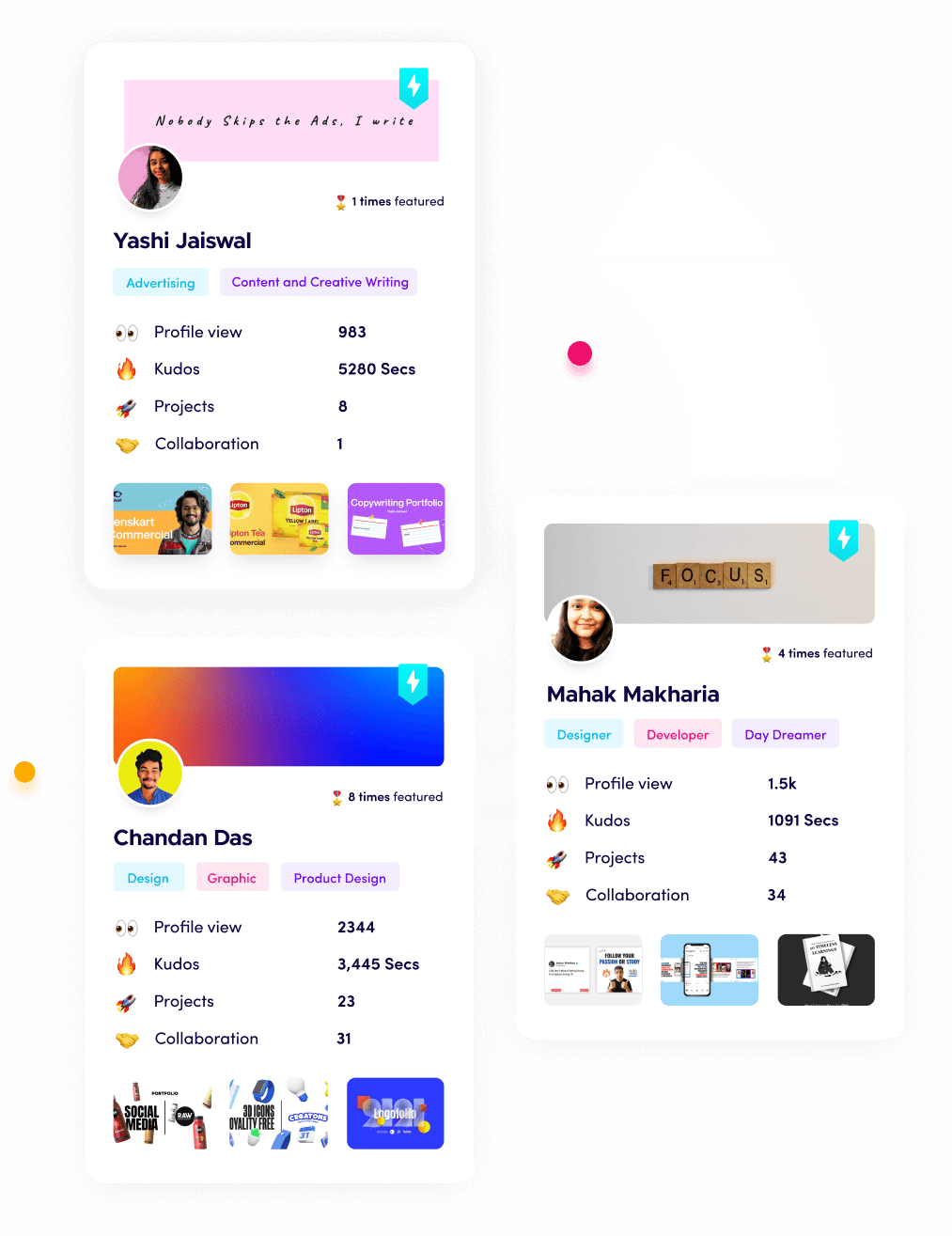
I’m Riten, founder of Fueler, a skills-first portfolio platform building the career infrastructure for 100 million creative professionals. Fueler connects talented individuals with companies through assignments, portfolios, and projects, not just resumes or CVs. Think of it as Dribbble/Behance for work samples combined with AngelList for hiring infrastructure.
Breaking into a seed or Series A company requires replacing passive job applications with proactive execution.
In this guide, you will learn 8 actionable, high-impact strategies to bypass crowded job boards, capture founder attention directly, and prove your commercial value before an interview ever takes place.

1. Shift from Resumes to Demonstrating Direct Business Value
Traditional resumes summarize historical job descriptions, but early-stage founders evaluate candidates on future daily output. Early startups lack rigid corporate structures, meaning managers need absolute confidence that you can handle high ambiguity, prioritize tasks independently, and solve real operational challenges without constant oversight.
Leading your application with verifiable proof of performance eliminates the risk a founder takes on an early hire. When you demonstrate clear capability to solve an active company problem, formal credentials quickly become secondary during evaluation.
- Document tangible deliverables instead of listing general daily responsibilities: Detail the exact software features, growth campaigns, or operational systems you built rather than writing generic bullet points. Founders want to see what you can create, execute, and deliver independently from your very first week on the job.
- Highlight problem-solving capability within unstructured environments: Early companies rarely have onboarding manuals or step-by-step training manuals. Showcase past situations where you identified an unclear problem, took complete personal ownership, and engineered a functional solution without waiting for managerial approval.
- Present quantifiable outcomes rather than relying on vague corporate action verbs: Translate past contributions into concrete business metrics such as revenue generated, operational hours saved, or user retention improvements. Clear data provides undeniable proof that your daily work creates genuine commercial value for a business.
- Align your core domain skills directly with active company roadmaps: Research a startup's public product updates, release notes, or recent press coverage. Tailor your positioning so your specific technical or growth skills directly resolve the exact bottlenecks the founding team is struggling with today.
- Demonstrate rapid adaptability and fast learning speed across new tools: Early-stage startup priorities shift quickly based on customer feedback and market changes. Provide concrete examples of mastering complex domain concepts or modern software stacks rapidly and applying them directly to real-world tasks.
Why It Matters
Founders hire early employees to reduce operational friction and accelerate company execution speed. Demonstrating direct business value helps you skip noisy candidate filters and build instant authority. Proving your capability upfront proves you will generate immediate commercial momentum rather than requiring heavy managerial guidance.
2. Submit Targeted Speculative Work to Create Instant Leverage
Sending unsolicited work that directly addresses a startup's current challenge is one of the fastest ways to capture a founder's attention. Cold emails containing generic resume attachments are usually deleted, but submitting tailored assets demonstrates rare initiative and immediate capability.
Speculative work acts as a practical test drive of your skills. It completely flips the application dynamic from asking a founder for a job to delivering immediate business value.
- Audit public customer touchpoints to identify clear operational friction: Analyze the startup’s sign-up onboarding flows, landing page copy, or public documentation. Presenting actionable observations alongside your suggested improvements proves you deeply understand their user experience and current market positioning.
- Build functional prototypes rather than presenting high-level suggestions: Construct a sample feature demo, draft a multi-step email marketing sequence, or assemble an ideal customer profile list. Real, tangible assets demonstrate technical execution capability far better than abstract proposals or strategic slide decks.
- Keep speculative projects narrowly scoped and simple to evaluate: Avoid proposing complete overhauls of a business model or submitting overwhelming 50-page strategy documents. Scope your project to fix one specific friction point so the founder can review your work quality in under three minutes.
- Frame your project as a helpful gift with zero obligation attached: Present your sample work generously, granting the founding team full permission to implement your ideas regardless of hiring outcomes. This professional approach demonstrates maturity, goodwill, and authentic alignment with their mission.
- Document the exact strategic reasoning behind your execution choices: Include concise notes explaining why you made specific technical, design, or messaging choices in your project. Explaining your thought process shows strategic clarity, self-awareness, and an ability to tie tactical work to overarching company goals.
Why It Matters
Speculative work removes all guesswork for founders by showing them exactly what working with you looks like in practice. It separates serious, proactive candidates from hundreds of casual applicants submitting automated resumes. Delivering tangible value before receiving a paycheck positions you as an active contributor rather than an applicant waiting for orders.
3. Conduct Thorough Audits of Product and Marketing Workflows
Founders are constantly context-switching between fundraising, sales, and product management, meaning minor software bugs, broken user flows, or outdated messaging frequently slip through the cracks. Conducting a detailed audit shows you are observant, analytical, and capable of diagnosing business problems independently.
A well-structured teardown highlights your analytical thinking and domain depth. It proves you can evaluate public assets and suggest practical, needle-moving fixes.
- Identify conversion drop-offs in user onboarding and registration funnels: Map out every step of the startup’s account creation flow or checkout experience. Documenting confusing microcopy, unnecessary form fields, or broken links demonstrates your sharp eye for conversion rate optimization.
- Analyze messaging alignment across external growth channels: Evaluate whether the company’s homepage hero text, social channels, and ad campaigns communicate a unified value proposition. Spotting disconnects in brand positioning shows you possess strategic awareness alongside tactical execution skills.
- Review technical performance and search visibility infrastructure: Examine basic page load speeds, mobile responsiveness, or public API documentation for obvious optimization opportunities. Offering clean, well-reasoned fixes for technical debt shows you can jump in and improve infrastructure immediately.
- Benchmark core product features against key market competitors: Compare the startup's current product offerings or pricing packages against rival solutions in the market. Highlighting market gaps or unaddressed customer needs proves you understand the broader competitive landscape.
- Format your teardown into clean, easily scannable documentation: Organize your findings into clear headings, brief bullet points, and actionable takeaways. Founders respect structured documentation that respects their limited time while delivering clear, actionable feedback.
Why It Matters
An accurate audit highlights unaddressed business opportunities that the founding team may have missed due to operational bandwidth constraints. It showcases your domain competence while presenting you as a thoughtful operator who understands business mechanics. Pointing out exactly where a company is losing prospective users or revenue makes your application impossible to ignore.
4. Reach Out Directly to Founders with Value-First Messaging
Applying through corporate job portals often leads to your resume sitting in an automated applicant tracking system alongside hundreds of competing submissions. Reaching out directly to founders or department leads via concise, personalized messages creates an immediate direct line of communication.
Direct outreach works best when it is brief, personalized, and focused entirely on how you can solve their immediate business challenges.
- Keep initial cold outreach brief and strictly under 150 words: Respect the founder’s busy schedule by keeping your email or direct message short and structured. Clearly state who you are, what specific value you bring, and how you can help solve their immediate operational goals.
- Reference specific company updates, product launches, or interviews: Mention a recent product feature release, funding announcement, or podcast interview featuring the founder. Specific details prove you have done thorough research and are not sending automated, mass cold templates.
- Propose a low-friction call to action instead of demanding meetings: Instead of asking for a 30-minute introductory phone call, ask permission to send over a short project breakdown or visual audit. Low-friction requests dramatically increase response rates from time-constrained executives.
- Focus on one specific skill set that aligns with current hiring needs: Resist the urge to label yourself a generalist who can handle everything. Focus your messaging on the single most relevant capability that addresses their active hiring priority.
- Follow up politely with additional, highly relevant insights: If you do not receive a response within five business days, send a short follow-up sharing an additional helpful observation or resource. Professional persistence combined with ongoing value demonstrates determination without coming across as pushy.
Why It Matters
Direct communication demonstrates the proactive sales, outreach, and communication skills required in high-growth startup environments. It shows you know how to navigate administrative noise and get things done independently. Reaching out with targeted value positions you as an assertive professional who creates opportunities rather than waiting for instructions.
5. Build a Public Track Record of Documented Projects
Startup founders increasingly evaluate talent by reviewing public proof of work across technical repositories, personal websites, and professional portfolio platforms. Maintaining a public history of completed projects provides undeniable evidence of your consistency, execution speed, and dedication.
A public track record acts as a continuous digital resume that works on your behalf 24/7. It allows potential employers to verify your execution capabilities independently before making contact.
- Document the exact build process behind every completed project: Share the background context, technical trade-offs, and design challenges encountered while building your projects. Documenting your thought process provides deep insight into your problem-solving framework and technical maturity.
- Keep public repositories and work archives consistently updated: Maintain active code commits, updated design case studies, or published writing samples across your profiles. Regularly updated project archives show founders that you actively practice, refine, and upgrade your craft.
- Publish detailed case studies analyzing real-world domain problems: Write structured breakdowns covering industry workflows, product teardowns, or technical experiments. Authoritative content positions you as a domain expert who understands broader business strategy beyond simple task execution.
- Highlight collaborative contributions and open-source involvement: Document instances where you contributed to open-source software, reviewed peer projects, or collaborated in team environments. Demonstrating strong teamwork skills reassures founders that you will integrate smoothly into existing operations.
- Organize project showcases for quick, effortless scannability: Structure your online portfolio so visitors can review your best work and key outcomes within seconds. Clean navigation, clear titles, and concise metric summaries help busy hiring managers assess your background quickly.
Why It Matters
A public track record eliminates guesswork regarding your actual capabilities. It shifts the hiring discussion from unverified claims on a resume to tangible, inspectable assets you have already built. Public proof builds immediate trust, helping you earn interview opportunities faster than traditional applications.
6. Engage Directly in Active Founder and Tech Communities
A significant portion of early-stage startup roles are never advertised on traditional job portals. They are filled quietly through word-of-mouth referrals, specialized industry Slack/Discord channels, and niche founder networks.
Participating authentically in these communities allows you to build genuine relationships with decision-makers long before a formal position opens up.
- Provide helpful, detailed answers in technical and founder channels: Monitor active discussions on developer forums, niche online groups, or community message boards. Offering practical solutions to operational or technical questions builds organic credibility with founders observing the community.
- Share transparent breakdowns of your personal experiments and failures: Post candid write-ups detailing projects you built, including what broke, key metrics, and how you solved issues. Sharing authentic lessons shows intellectual honesty, resilience, and practical problem-solving ability.
- Attend targeted industry meetups, hackathons, and demo days: Participate in localized startup gatherings, virtual hackathons, or product launch events where founders congregate. Direct personal interactions create memorable connections that stand out far better than impersonal online applications.
- Provide constructive feedback on newly launched products: Engage with newly launched products on tech discovery platforms by leaving detailed, thoughtful user feedback. Useful, structured feedback catches the attention of founding teams who closely track early user reactions.
- Connect with early employees to learn about internal team dynamics: Reach out to current engineers, marketers, or operations staff at target startups to ask about their workflows. Building rapport with existing team members often leads to direct internal referrals, bypassing standard HR filters entirely.
Why It Matters
Tapping into the unadvertised startup job market gives you a major competitive advantage over passive job seekers. Early community interactions let founders evaluate your communication skills, problem-solving style, and personality organically. Establishing these relationships ensures your name comes up first when new roles are created.
7. Offer a Low-Risk Paid Trial Project to Prove Fit
Hiring a full-time employee represents a massive financial and operational commitment for a young startup. Proposing a short, paid trial project significantly lowers the founder's risk while giving you an opportunity to demonstrate your capability on real tasks.
A trial project allows both parties to test workplace chemistry, communication speed, and execution quality before committing to a permanent position.
- Scope the trial to a self-contained, 10-to-14-day deliverable: Define a clear objective that can be completed within two weeks without requiring extensive onboarding. A tightly defined scope prevents project creep and keeps both parties aligned on core outcomes.
- Establish concrete, measurable success metrics before starting: Agree on explicit benchmarks for what constitutes successful project completion before writing code or producing content. Clear metrics eliminate ambiguity and provide an objective basis for evaluating your work.
- Over-communicate daily progress, milestones, and potential blockers: Send short end-of-day updates outlining what you completed, what you plan to tackle next, and any current roadblocks. Proactive communication builds immense confidence in your reliability and work ethic.
- Adapt rapidly to team feedback and operational workflows: Treat feedback during the trial as an opportunity to show how effectively you accept direction and iterate. Demonstrating coachability reassures founders that you will fit seamlessly into their existing company culture.
- Deliver the completed project ahead of the agreed deadline: Finish your assigned deliverables early while maintaining high quality and attention to detail. Exceeding expectations on timeline and execution leaves a lasting positive impression and accelerates full-time hiring offers.
Why It Matters
Trial projects remove financial and operational hesitation from the hiring equation. They allow you to prove your work ethic, speed, and team compatibility in real-time under actual working conditions. Proposing a structured trial demonstrates deep confidence in your abilities while minimizing the risk for the employer.
8. Solve a Real Operational Bottleneck Before the Interview
Rather than waiting for an interview to answer hypothetical questions, identify a live operational bottleneck the company faces and present a working solution during your preliminary discussions.
Solving a real problem transforms an interview from a standard interrogation into a collaborative working session with your future team members.
- Research stage-specific challenges typical for the company's funding level: Seed companies usually struggle with early distribution and user onboarding, while Series A teams focus on scaling workflows. Tailor your proposed solutions to address the specific growth hurdles common to their operating stage.
- Prepare simple frameworks to streamline inefficient internal processes: Draft an internal documentation template, automation workflow map, or customer feedback system. Presenting pre-built organizational assets shows you think like an operational leader focused on efficiency.
- Demonstrate extreme resourcefulness using low-cost tools: Show how you can solve problems using existing resources rather than asking for large software budgets. High resourcefulness is an essential trait that founders look for in early hires working with limited capital.
- Target friction points that directly slow down team execution velocity: Focus on fixing internal handoff delays, slow customer support resolution paths, or manual data entry tasks. Streamlining these friction points frees up valuable bandwidth for the core team to focus on core growth.
- Walk through your solution step-by-step during conversations: Use interview time to explain how your proposed solution works and how you would implement it in your first 30 days. This shifts the dynamic from defending your resume background to actively solving problems alongside the founder.
Why It Matters
Founders hire team members who take initiative, reduce operational friction, and drive momentum without needing hand-holding. Demonstrating that you can diagnose and solve live bottlenecks before joining proves you are ready to make an immediate impact. It showcases leadership, strategic maturity, and practical execution capability from day one.
How does this connect to Building a Strong Career or Portfolio?
Modern hiring prioritizes proven execution over static credentials. Early-stage founders look for professionals who document their real-world projects, problem-solving frameworks, and tangible business outcomes. Building a public track record of your work creates undeniable evidence of your capabilities, helping you stand out to fast-growing companies. Platforms like Fueler allow professionals to showcase their assignments, side projects, and proof of work in an organized portfolio. Documenting your actual output opens doors to high-growth startup opportunities without relying on traditional resumes.
Final Thoughts
Landing a job at an early-stage startup requires shifting from passive applying to active proof of work. Founders do not hire based on formatted PDFs—they hire professionals who solve immediate operational challenges. When you audit products, submit targeted work, and communicate direct value, you eliminate hiring risk for founders. Focus on building real projects, sharing your process publicly, and demonstrating execution speed. Taking initiative upfront remains the fastest way to secure a role at a high-growth company.

Frequently Asked Questions
What do early-stage startup founders look for instead of resumes?
Founders look for verifiable proof of work, execution speed, and practical problem-solving capability. They prioritize candidates who demonstrate real project outcomes, technical proficiency, self-direction, and an understanding of the company's immediate commercial goals over formal degrees or corporate titles.
How can I reach out to a startup founder directly without being ignored?
Send a short, highly personalized message under 150 words highlighting a specific insight about their product or market. Offer a small piece of direct value, such as a quick audit or sample asset, with a low-friction request to share your work.
Is speculative work necessary to get hired by a startup?
Speculative work is not strictly mandatory, but it dramatically increases your candidate conversion rates. Submitting a targeted product audit, code sample, or draft campaign demonstrates initiative, eliminates hiring risk, and sets you apart from hundreds of applicants submitting generic resumes.
How do I find unadvertised job openings at seed-stage startups?
Participate actively in founder communities, technical channels, and industry networks. Follow early-stage venture investors, engage in product launch discussions, and build relationships with early employees. Many seed-stage roles are filled through direct referrals before official job postings go live.
Should I offer to do a paid trial project before accepting a full-time role?
Proposing a 10-to-14-day paid trial project is an excellent strategy to demonstrate your capabilities. It significantly lowers hiring risk for the founder while allowing you to evaluate the company's internal culture, communication speed, and workflows before committing full-time.
Why 100,000+ professionals use Fueler
Fueler helps professionals showcase proof of work through projects, assignments, case studies, and achievements.
- Thousands of professionals use Fueler to create their digital portfolio
- Thousands of projects are published on Fueler. Check here
- Startups and Companies hire through proof of work on Fueler
- Used by freelancers, creators, marketers, video editors, writers, designers, and product managers
Our mission is to help the next 100 million professionals build a verified professional identity through proof of work

What should you do next?
You've read the article. Now turn your skills into proof of work and unlock more opportunities.
Build your proof of work portfolio
Create a clean portfolio with projects, assignments, resumes, and AI stack details that companies actually want to see.
Create your Fueler portfolio →Apply through assignments, not resumes
Stand out by solving real tasks from companies hiring on Fueler.
Explore assignments →Get discovered by companies
Make your work public and let recruiters discover your skills through actual projects instead of keywords.
Get discovered →