How to Run AI-Optimized Google Ads That Convert in 2026

Riten Debnath
04 Dec, 2025
Google’s AI is changing advertising. Are your ads ready to convert like never before?
Advertising on Google has always been about catching the right eyes at the right time. In 2026, artificial intelligence takes this a step further by learning who your best customers are, what they want, and the perfect time to show your message. Running ads without AI today is like fishing in the ocean without a net. This blog will show you exactly how to run AI-optimized Google Ads that get better clicks, leads, and sales.
I’m Riten, founder of Fueler - a skills-first portfolio platform that connects talented individuals with companies through assignments, portfolios, and projects, not just resumes/CVs. Think Dribbble/Behance for work samples + AngelList for hiring infrastructure
1. Use AI to Test and Improve Your Ads Continuously
AI advertising platforms automatically create many ad versions with different headlines, images, and text. They gather data on which ads perform best, adjusting budgets and pausing weak ads to increase your return on investment. This happens in real-time, so your ads improve while you focus on your business.
- AI evaluates dozens of factors simultaneously, like wording style, image colors, and target audience engagement, uncovering winning combinations faster than traditional methods.
- Budget reallocation means your money is spent only on ads that bring real results, which saves you from wasting funds on underperforming campaigns.
- You don’t have to manually tweak ads; AI handles all changes based on real-time user behavior, so campaigns stay relevant and effective automatically.
- The AI tools continuously adapt your ads to seasonal changes, competitor moves, or shifts in customer interests without needing costly human intervention.
- Integrated setups with Google Ads and other platforms let AI work across channels, delivering consistent and harmonized ad strategies.
Why it matters:
Constant AI-led testing and optimization help your ads get smarter daily, leading to better engagement, higher conversion rates, and more efficient ad spend—key to mastering Google Ads in 2026.
2. Target the Right Audience with AI Personalization
AI learns from past user behavior, search patterns, and demographic data to tailor ads to people who are most likely to become customers. Instead of showing one generic ad, AI creates personalized experiences that feel relevant and drive action.
- AI collects data on what users search for, their locations, devices, and even the time they browse, making your ads appear precisely when and where they matter most.
- Personalized ads use dynamic content that shifts headlines, offers, and images to match individual preferences or purchase signals, boosting clicks and conversions.
- Retargeting powered by AI remembers users who interacted with your website or ads but didn’t buy, showing them customized ads to draw them back efficiently.
- Lookalike audience targeting finds new potential customers who behave similarly to your best existing buyers, expanding your reach without guesswork.
- AI helps respect privacy by optimizing ads without exposing personal data directly, maintaining user trust even while being highly precise.
Why it matters:
Personalized ads connect with prospects on a deeper level, increasing the chances they will engage and buy. AI makes this personalization scalable and consistent, which is vital for competitors in 2026.
3. Automate Budget and Bid Management
AI helps manage your campaign finances by automatically adjusting bids for keywords and audiences that perform well, while scaling back on less effective ones. This ensures your budget is spent wisely to maximize growth.
- Real-time bid updates mean your ads get the highest chance of showing for profitable keywords based on current market prices and competition.
- AI predicts which times of day or days of the week bring the best results, increasing bids then and reducing them during low-performance periods.
- Campaign budgets can be shifted between different ads and audiences instantly as AI senses performance changes, ensuring there’s always money behind the most effective elements.
- Automated alerts notify you when spending trends change, with suggestions to pause or boost campaigns to protect ROI.
- This level of management was expensive and complex manually, but AI makes it accessible even to small businesses with limited budgets.
Why it matters:
Smart spending improves your return on ad investment. Automation means no budget is wasted on underperforming ads, and you get the best possible exposure where it truly counts.
4. Leverage AI-Driven Audience Insights
Understanding your customers deeper is easier with AI-powered insights that analyze vast amounts of data quickly, highlighting trends and preferences you might miss.
- AI identifies new buying patterns or demographic segments that engage better with your products, helping you refine your marketing targets.
- It shows which keywords or search queries bring the most qualified leads, informing future content and ad strategies beyond guessing.
- Insights into competitor activities allow you to adjust bids and messaging tactically, maintaining an edge in crowded markets.
- AI can detect seasonal shifts or emerging trends early, allowing proactive marketing adjustments before competitors react.
- This data-driven approach helps create future ads and campaigns that resonate more strongly with your audience.
Why it matters:
More precise audience understanding means you can craft ads and campaigns that speak directly to your best customers’ desires, increasing your conversion rates and long-term business growth.
5. Use AI-Powered Creatives and Copywriting
AI tools are also transforming how to create ad creatives and copy. They analyze what phrases, images, and tones work best for your audience, suggesting or generating content that grabs attention. Along the same lines, a banner text generator can help refine short promotional messages based on audience preferences and engagement patterns.
- AI copywriting platforms learn from top-performing ads in your industry, proposing headline and description ideas proven to convert.
- Visual AI tools help you design banner ads or videos optimized for engagement, testing different styles and layouts automatically.
- Content suggestions include emotional triggers, calls to action, and value propositions tailored to your specific audience profile.
- Saving time on creative development allows marketers to focus on strategy and higher-level tasks while AI handles routine content generation.
- The result is ads that not only perform better but also stay consistent with your brand voice and messaging.
Why it matters:
Creative quality drives click rates and conversions. AI-assisted creatives ensure your ads stand out smartly and attract the right attention without wasting time or resources.
6. Integrate AI Chatbots for Lead Engagement
AI chatbots connected with your Google Ads can engage leads instantly, answering questions, qualifying prospects, and booking meetings, all automatically.
- Chatbots powered by natural language processing understand common questions and provide personalized answers, giving leads quick responses any time of day.
- They ask qualifying questions such as budget ranges, needs, and timelines to filter serious buyers before handing off to salespeople.
- Integration with your customer management systems means leads collected by chatbots are directly tracked and followed up efficiently.
- AI chatbots improve user experience by guiding prospects smoothly through the buying process, increasing conversion chances.
- Data from chatbot conversations offers additional insights for optimizing further ad messaging and targeting.
Why it matters:
Instant, intelligent follow-up ensures no lead is lost, improving sales funnel efficiency and customer satisfaction crucial in competitive markets in 2026.
Final Thoughts
Running Google Ads with AI optimization is no longer optional; it’s essential for conversion success in 2026. By testing continually, personalizing deeply, automating budgets smartly, understanding your audience clearly, using AI for creative content, and connecting with leads instantly, you unlock efficiency and growth beyond traditional advertising. Tools like Fueler help you build credibility by showcasing your real work, making every ad impression count. Embrace AI today and grow your business smarter tomorrow.
FAQs
1. What exactly is AI-optimized Google Ads?
AI-optimized Google Ads use machine learning algorithms to test, target, and adjust ads automatically for better performance without manual guesswork.
2. How does AI help improve ad conversion rates?
AI learns what appeals most to your audience, personalizes ads, optimizes budget use, and enhances follow-up engagement to drive higher conversions.
3. Can small businesses afford AI-powered ads?
Yes, many AI advertising tools are affordable and designed to simplify ad management, making powerful technologies accessible to businesses of all sizes.
4. Will AI replace human marketers in Google Ads?
AI assists marketers by automating routine tasks and providing insights, but human creativity and strategy remain essential for success.
5. How quickly can I see results using AI for Google Ads?
AI optimization improves campaigns continually, but noticeable gains often start within weeks as data accumulates and adjustments take effect.
What is Fueler Portfolio?
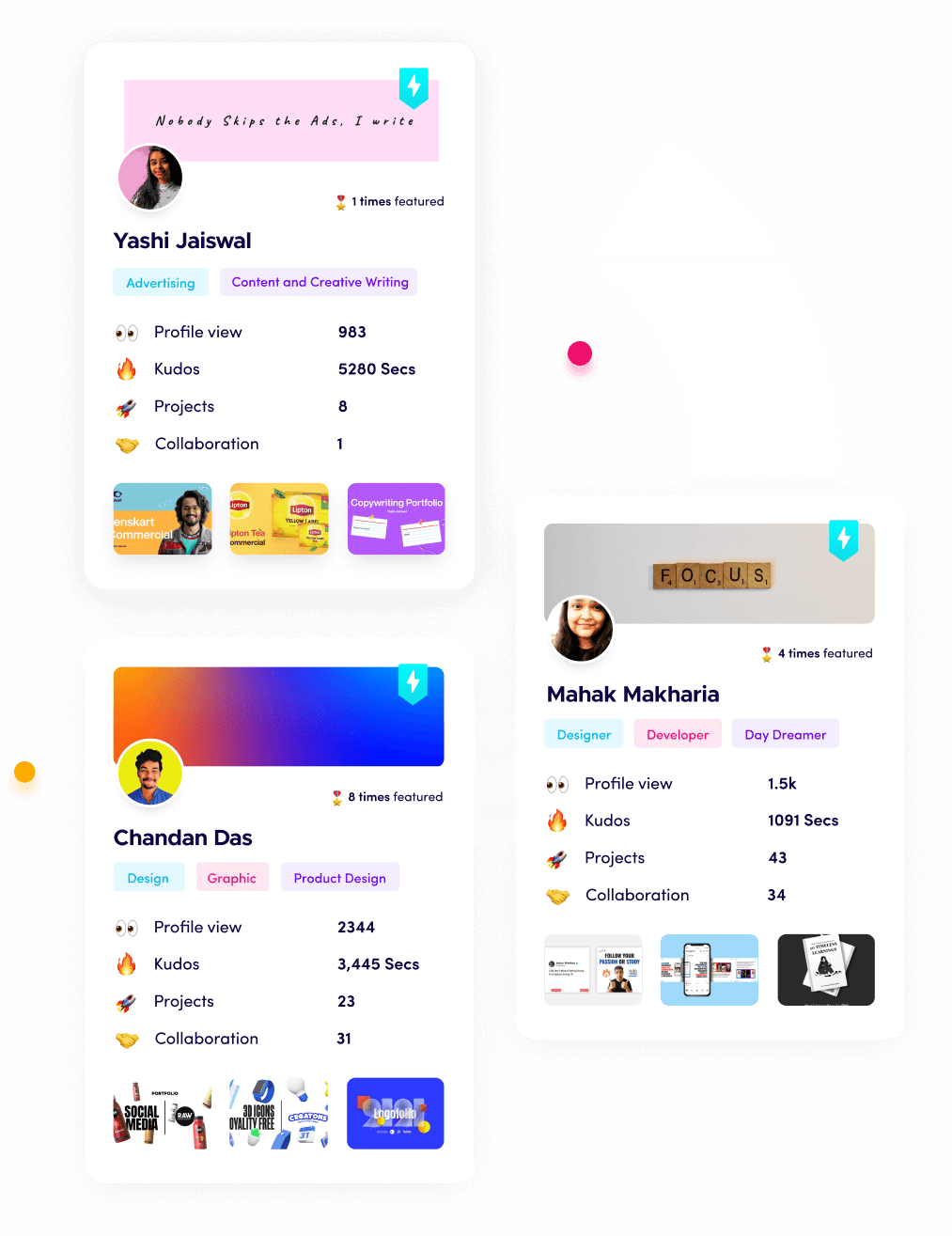
Fueler is a career portfolio platform that helps companies find the best talent for their organization based on their proof of work. You can create your portfolio on Fueler, thousands of freelancers around the world use Fueler to create their professional-looking portfolios and become financially independent. Discover inspiration for your portfolio
Sign up for free on Fueler or get in touch to learn more.

What should you do next?
You've read the article. Now turn your skills into proof of work and unlock more opportunities.
Build your proof of work portfolio
Create a clean portfolio with projects, assignments, resumes, and AI stack details that companies actually want to see.
Create your Fueler portfolio →Apply through assignments, not resumes
Stand out by solving real tasks from companies hiring on Fueler.
Explore assignments →Get discovered by companies
Make your work public and let recruiters discover your skills through actual projects instead of keywords.
Get discovered →