How to Sell AI Art and Designs Online in 2026

Riten Debnath
21 May, 2025
Last updated: July 2026
Are you ready to tap into one of the fastest-growing markets of this decade? AI-generated art and designs are transforming the creative world, opening fresh opportunities for artists, designers, and freelancers everywhere. But with the rise of AI tools, how can you successfully sell your AI art online in 2026? The answer is a mix of smart strategy, authentic presentation, and understanding where the market is headed. If you want to turn your AI creativity into real income, you need to know the latest trends, platforms, and best practices to stand out.
I’m Riten, founder of Fueler, a skills-first portfolio platform building the career infrastructure for 100 million creative professionals. Fueler connects talented individuals with companies through assignments, portfolios, and projects, not just resumes or CVs. Think of it as Dribbble/Behance for work samples combined with AngelList for hiring infrastructure.
1. Understand the AI Art Market and Buyer Trends in 2026
The AI art market is rapidly evolving, and understanding who your buyers are and what they want is the foundation of successful selling. In 2026, AI art buyers are more diverse than ever, from digital art collectors and businesses looking for unique designs, to content creators wanting royalty-free art, and brands seeking fresh visual content. Knowing these buyer profiles helps you tailor your art and marketing.
- The rise of NFT marketplaces is still important, but more buyers are shifting to direct art purchases via social media and personal websites.
- Businesses want AI-generated graphics for marketing, advertising, and branding, offering freelancers steady income through commissions.
- Consumers look for personalized or customized AI art, such as portraits, digital decor, and even virtual fashion designs.
By tracking these trends, you can position your AI art to fit what buyers are actively searching for, increasing your chances of sales.
2. Build a Professional Portfolio to Showcase Your AI Art
Selling AI art online depends heavily on how you present your work. Your portfolio is your digital storefront, and a strong one builds trust and attracts clients. Think of your portfolio as your proof of skill, showing not just your art but your process and versatility.
- Include high-quality images and detailed descriptions explaining the AI tools and creative decisions behind each piece.
- Show variety by showcasing different styles, themes, and formats (digital prints, animations, 3D renders).
- Regularly update your portfolio with new works to demonstrate growth and keep potential buyers engaged.
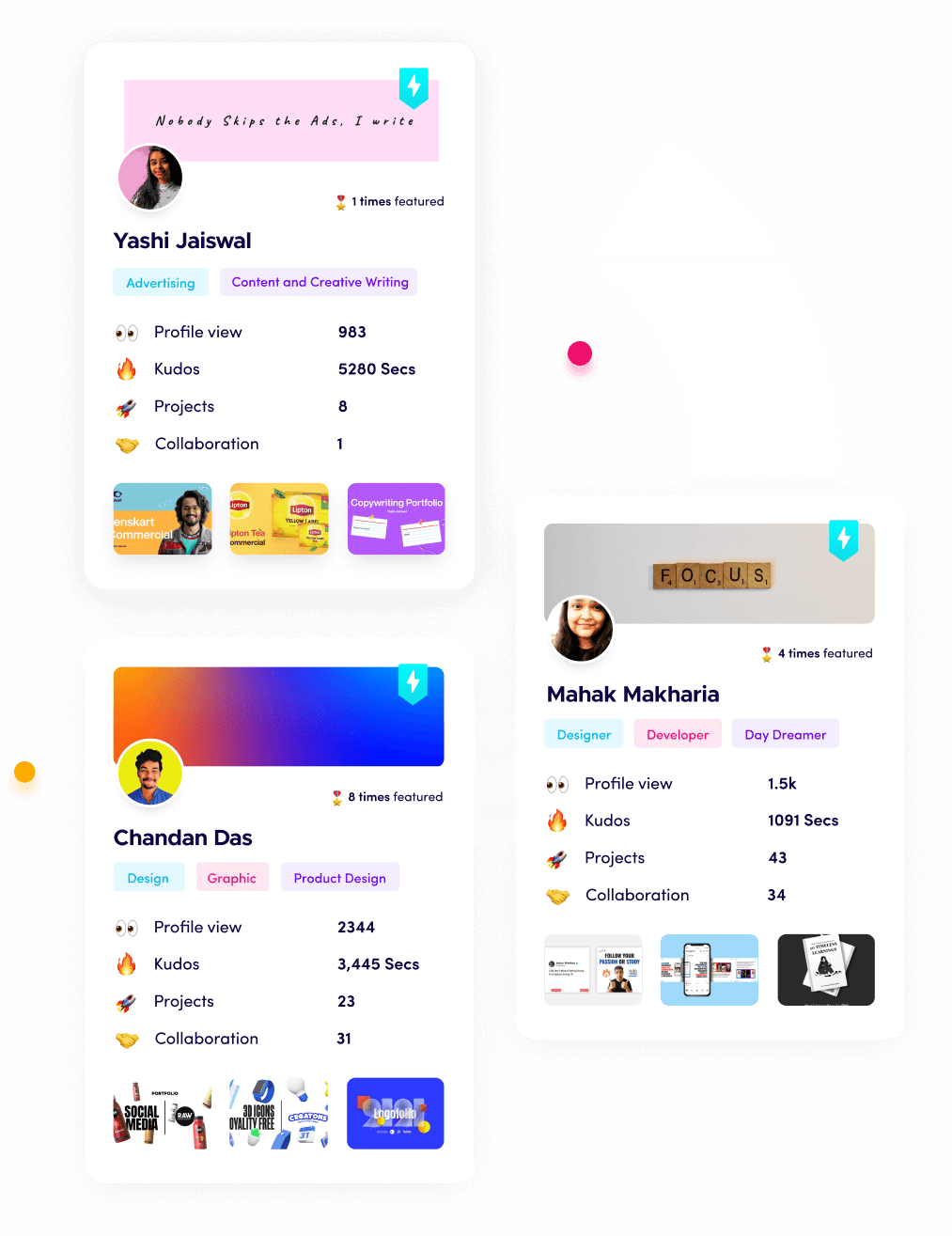
Fueler is designed to help freelancers like you build portfolios that highlight real work samples and projects. It connects you directly with companies looking to hire based on your demonstrated skills, which is a powerful way to get noticed beyond just passive browsing.
3. Choose the Right Platforms to Sell Your AI Art
In 2026, the digital art landscape offers many platforms, but picking the right ones is crucial for maximizing your sales. Different platforms attract different buyer types, and each has its strengths.
- NFT Marketplaces: OpenSea, Rarible, and Foundation are still popular for selling unique AI art as NFTs. These platforms appeal to collectors and crypto-savvy buyers.
- Print-on-Demand Services: Websites like Redbubble, Society6, and Printful let you sell AI art as physical products (posters, shirts, mugs), expanding your revenue streams.
- Stock Image Sites: Platforms like Adobe Stock, Shutterstock, and Getty Images now accept AI-generated images, perfect for reaching businesses needing royalty-free visuals.
- Social Media & Personal Websites: Instagram, TikTok, and your own website or portfolio on Fueler are essential for direct client connections and brand building.
Understanding where your ideal buyer spends time helps you focus your energy where sales are most likely.
4. Use Smart Pricing Strategies for AI Art
Pricing your AI art is a mix of art and science. Overpricing can scare off buyers, while underpricing can undervalue your work and hurt your earnings. In 2026, buyers understand the value of AI art but expect fair pricing based on quality, uniqueness, and usage rights.
- Research competitors’ pricing on similar platforms to set benchmarks.
- Offer multiple price points: from affordable digital downloads to high-priced exclusive licenses.
- Consider subscription or membership models for loyal customers to access exclusive content regularly.
- Clearly state usage rights and licensing terms to avoid confusion and build professionalism.
Transparent and flexible pricing attracts more buyers and builds trust.
5. Leverage Social Media and Content Marketing
Social media is a powerful tool to drive traffic and sales for your AI art. But random posting isn’t enough; you need strategic content that educates, entertains, and engages your audience.
- Share behind-the-scenes content showing how you create AI art to build connection and trust.
- Use trending hashtags like #AIart, #DigitalArtist, #NFTart, and location- or niche-specific tags.
- Engage with communities on Reddit, Discord, and Twitter where AI art enthusiasts and buyers hang out.
- Create tutorial videos or blog posts about AI art creation to establish yourself as an expert and attract organic traffic.
A strong social media presence turns followers into buyers and helps your art get noticed in a crowded marketplace.
6. Protect Your AI Art with Proper Licensing and Copyrights
Legal protection of your AI art is essential in 2026 to prevent misuse and protect your income. Many artists overlook this and lose control over their creations.
- Use licenses like Creative Commons or custom commercial licenses depending on your sales model.
- Register your original works if possible for stronger legal rights.
- Clearly communicate what buyers can and cannot do with your art (reselling, modifying, commercial use).
- Monitor for unauthorized use and use services like Google Image Search to track your art online.
Protecting your work builds credibility and safeguards your earnings.
7. Collaborate and Network in the AI Art Community
Networking in the AI art world can open doors to new clients, partnerships, and inspiration. Collaboration is more important than ever in 2026.
- Join online AI art forums, Discord groups, and LinkedIn communities.
- Partner with other creatives for joint projects or cross-promotion.
- Attend virtual and physical art exhibitions focused on digital and AI art.
- Reach out to businesses for custom AI art commissions tailored to their brand.
Building genuine relationships expands your reach and often leads to repeat business.
8. Keep Up with AI Tools and Trends to Stay Competitive
The AI art field moves fast, with new tools and styles emerging constantly. Staying updated ensures your work stays fresh and relevant.
- Experiment with new AI platforms like DALL·E 3, Midjourney V5, or Stable Diffusion updates.
- Learn how to combine AI art with traditional digital editing for unique results.
- Follow influencers and creators who share tips and industry news.
- Take courses or attend webinars about AI art creation and marketing.
Being a continuous learner keeps you ahead of the curve and helps you deliver cutting-edge art buyers want.
Conclusion
Selling AI art and designs online in 2026 is a promising opportunity, but success requires more than just creating stunning images. It demands understanding your buyers, presenting your work professionally, choosing the right platforms, pricing smartly, marketing effectively, protecting your work, networking, and staying updated on AI trends.
As the founder of Fueler, I know how important it is to showcase real, proven work. Fueler helps freelancers and artists like you build portfolios based on actual assignments, making it easier for companies to trust and hire you. If you want to turn your AI art skills into a sustainable income, focus on building your portfolio and connecting with clients through platforms that prioritize your demonstrated ability.
The AI art market is evolving fast, but with the right approach, you can carve out a successful niche and sell your art confidently in 2026.
FAQs
1. How can I start selling AI art online in 2026?
Start by creating a strong portfolio showcasing your AI art, choose platforms that suit your style and target buyers, and market your work actively on social media. Understand pricing and licensing to protect your art and maximize income.
2. What are the best platforms to sell AI-generated art?
Top platforms include NFT marketplaces like OpenSea, print-on-demand sites like Redbubble, stock image sites such as Adobe Stock, and personal portfolios or social media channels like Instagram and Fueler.
3. How do I price AI art for online sales?
Research competitor prices, offer varied pricing tiers, consider exclusive licenses for premium pricing, and be clear about usage rights. Transparent pricing builds buyer trust.
4. Is AI art protected by copyright?
Yes, but laws vary. Register your works when possible, use proper licensing, and clarify buyer rights. Monitoring unauthorized use is key to protecting your creations.
5. Can AI art be used for commercial projects?
Absolutely. Many businesses seek AI art for branding, marketing, and content creation. Selling commercial licenses can be a profitable way to monetize your AI designs.
Why 100,000+ professionals use Fueler
Fueler helps professionals showcase proof of work through projects, assignments, case studies, and achievements.
- Thousands of professionals use Fueler to create their digital portfolio
- Thousands of projects are published on Fueler. Check here
- Startups and Companies hire through proof of work on Fueler
- Used by freelancers, creators, marketers, video editors, writers, designers, and product managers
Our mission is to help the next 100 million professionals build a verified professional identity through proof of work

What should you do next?
You've read the article. Now turn your skills into proof of work and unlock more opportunities.
Build your proof of work portfolio
Create a clean portfolio with projects, assignments, resumes, and AI stack details that companies actually want to see.
Create your Fueler portfolio →Apply through assignments, not resumes
Stand out by solving real tasks from companies hiring on Fueler.
Explore assignments →Get discovered by companies
Make your work public and let recruiters discover your skills through actual projects instead of keywords.
Get discovered →