How to Use Portfolios to Build Your Freelance Brand

Riten Debnath
03 Dec, 2025
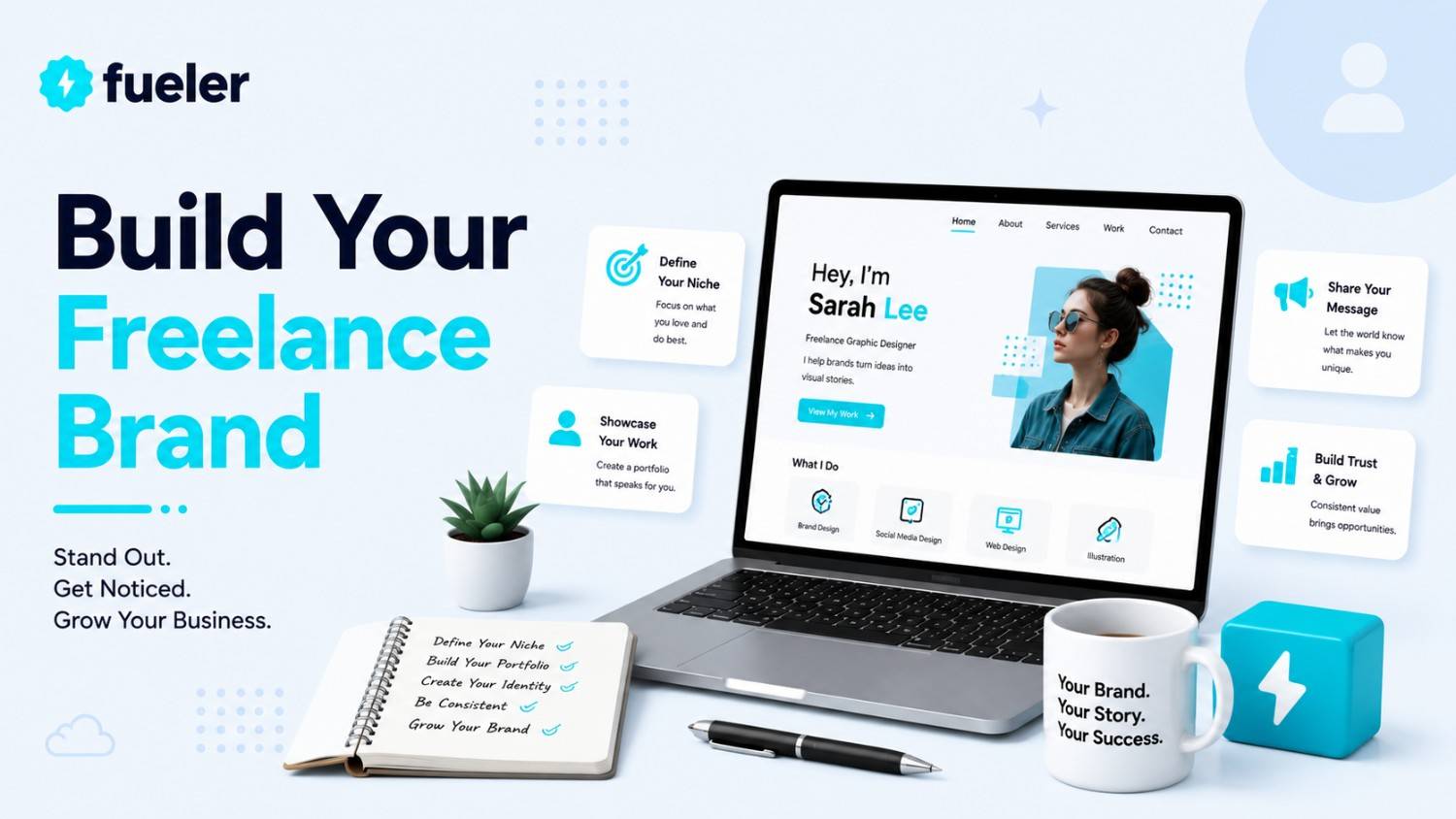
In today’s bustling freelance marketplace, a portfolio is your ultimate brand builder. It’s not just about displaying your work, but strategically showcasing your skills, problem-solving ability, and professionalism to attract high-quality clients and build lasting relationships. The right portfolio tells your unique story, sets you apart from competitors, and opens doors to consistent, meaningful freelance opportunities.
I’m Riten, founder of Fueler - a skills-first portfolio platform that connects talented individuals with companies through assignments, portfolios, and projects, not just resumes/CVs. Think Dribbble/Behance for work samples + AngelList for hiring infrastructure
Curate Projects That Define Your Expertise
A portfolio packed with thoughtful project selections sends a powerful message about your capabilities and niche.
- Select projects that best demonstrate your core skills and the results you drove, focusing on high-impact assignments that align with the clients you want to attract. Highlight your unique contributions by detailing the strategies, tools, and creative decisions you made to solve client problems.
- For each project, include diverse work types that showcase your range; this could be websites, marketing campaigns, designs, or technical deliverables so potential clients see your versatility.
- Use large, clear images or videos of your projects to make your portfolio visually compelling, ensuring that the quality and detail invite deeper exploration.
- Explain the challenges faced in each project and how you overcame them with creative or technical solutions, linking these back to the client’s positive outcomes.
- Don’t just list projects; prioritize quality over quantity to avoid overwhelming the viewer and to ensure your portfolio feels curated and intentional.
Why it matters: Carefully curated projects spotlight your strengths and specialties, making your freelance brand compelling and targeted to the clients you want most.
Craft Compelling Project Narratives
Behind every project lies a story of the challenge faced, the approach taken, and the measurable results achieved. Telling these stories transforms your portfolio from a static gallery into a dynamic showcase of your problem-solving abilities.
- Frame each project with the client’s business or creative challenge to set the stage and show you understand real-world needs. Describe your role in the project’s success with details about collaboration, decisions, and techniques you used.
- Illustrate how you navigated obstacles or constraints, including tight schedules, limited resources, or changing client demands, revealing your adaptability and resilience.
- Emphasize the positive impact your work had, such as increased web traffic, higher engagement rates, improved brand awareness, or streamlined workflows, and whenever possible, include specific numbers or percentages.
- Use engaging, simple language that conveys your method without jargon, making your portfolio accessible to both technical clients and laypeople.
- Include behind-the-scenes insights or lessons learned to give prospective clients a glimpse into your process, fostering trust and authenticity.
Why it matters: Narrative-driven descriptions set you apart by showing your problem-solving mindset and the real value your brand delivers beyond aesthetics.
Showcase Social Proof with Testimonials and Case Studies
Client endorsements build the kind of trust impossible to convey with visuals alone. Genuine testimonials and in-depth case studies reinforce your reputation and reassure prospective clients.
- Collect strong testimonials from past clients that speak to your professionalism, creativity, reliability, and impact on their business, placing them strategically alongside relevant projects.
- Use succinct quotes for quick impact and longer case studies to tell fuller stories of client collaboration, challenges solved, and outcomes measured.
- Incorporate client logos or links (with permission) to add credibility and visibility, especially if you’ve worked with recognizable brands or agencies.
- Consider adding video testimonials if possible seeing and hearing from satisfied clients adds emotional weight and authenticity.
- Where applicable, present “before and after” case studies that visually or statistically demonstrate the transformation you delivered.
Why it matters: Social proof builds trust quickly and powerfully, helping solidify your freelance brand as credible, trustworthy, and results-driven.
Design for Intuitive Navigation and Professional Appeal
The user experience of your portfolio influences how long visitors stay and how seriously they take your brand.
- Structure your portfolio with clear navigation menus that categorize work by project type, industry, or skill set, making it effortless for visitors to find what interests them.
- Employ generous white space, legible fonts, and consistent visual elements like colors and logos to create a polished and modern look aligned with your brand voice.
- Ensure your portfolio is optimized for all devices, particularly mobile and tablets, since many clients browse on the go and expect seamless experiences.
- Optimize image and video loading speeds without compromising quality to avoid frustrating delays or drop-offs.
- Add strategic calls to action, like “Contact Me” or “View Project Details” buttons, making it straightforward for potential clients to engage or inquire.
Why it matters: A clean, user-friendly portfolio design reflects your professionalism and commitment to client experience, reinforcing your freelance brand’s trustworthiness and sophistication.
Build a Personal Brand That Resonates
Adding personal branding to your portfolio humanizes your freelance business, making clients want to work with you for your unique style and approach, not just your skills.
- Write an engaging “About Me” section that shares your journey, core values, and what drives your creative or technical work, inviting empathy and alignment with clients who share your vision.
- Include a professional, approachable photo to foster connection and memorability, helping clients feel like they know you before the first conversation.
- Showcase any awards, certifications, or ongoing education that support your expertise and professionalism, building authority and confidence.
- Publish blog posts, process insights, or tutorials related to your craft to demonstrate thought leadership and give clients a fuller picture of your expertise.
- Highlight personal projects or creative passions that align with your freelance niche to make your brand distinctive and relatable.
Why it matters: Personal branding fosters authentic connections and sets your freelance business apart, turning prospects into loyal clients who value your personality as much as your work.
Optimize for Search Engines to Drive Portfolio Discoverability
Even the best portfolio is ineffective if your ideal clients can’t find it. SEO ensures your freelance brand gains the online visibility it deserves.
- Research keywords clients use to find freelancers in your niche and integrate these naturally into your portfolio’s project titles, descriptions, and metadata.
- Use descriptive, keyword-rich headings and image alt text to help search engines understand your site content and boost organic rankings.
- Build backlinks by contributing guest blogs, engaging on freelance platforms, and getting featured in industry publications to increase your portfolio’s authority.
- Implement fast loading times, a mobile-friendly layout, and secure HTTPS hosting to meet search engine ranking criteria.
- Update your portfolio frequently with fresh projects and content that keeps it relevant to clients and signals activity to search algorithms.
Why it matters: SEO strategies increase your portfolio’s visibility organically, driving inbound inquiries and solidifying your freelance brand presence online.
Leverage Multiple Platforms to Expand Your Reach
Sharing your portfolio across relevant platforms increases exposure and opportunity, helping your freelance brand reach potential clients wherever they look.
- Use Fueler’s skills-first portfolio platform to highlight assignments and real work samples that directly appeal to hiring managers and clients scouting for proven talent.
- Engage platforms targeted at creatives and professionals Behance, Dribbble, LinkedIn, and industry-specific job boards to reach diverse audiences.
- Maintain an active professional presence on LinkedIn, sharing portfolio updates, project highlights, and thought leadership to grow your network.
- Create a personal website as a central portfolio hub, linking to it in social profiles, email signatures, and client proposals.
- Regularly promote new portfolio pieces on social media, newsletters, and freelance communities to keep your brand top of mind.
Why it matters: Multi-platform portfolio sharing multiplies your freelance brand’s visibility and credibility, leading to more inquiries and project wins.
Measure, Analyze, and Refine for Continuous Brand Growth
Your portfolio is dynamic; tracking how visitors interact with it provides insights to enhance your freelance brand and conversion rates.
- Use analytics tools like Google Analytics or platform-specific dashboards to monitor page views, visitor behavior, and engagement times.
- Track which projects receive the most attention and which calls to action result in inquiries or direct contacts.
- Solicit feedback from clients or peers on portfolio usability, content clarity, and design impact to identify improvement areas.
- Test portfolio changes like layouts, project orders, or imagery to optimize visitor experience and client interest.
- Regular updates and refinements based on data ensure your portfolio evolves alongside your skills and market demand.
Why it matters: Data-driven portfolio management sharpens your freelance brand’s effectiveness and appeal, driving more meaningful client relationships.
Final Thoughts
A portfolio is your most effective branding tool as a freelancer. By thoughtfully curating projects, telling compelling stories, showcasing social proof, applying professional design, adding personal branding elements, optimizing for search, expanding platform reach, and continuously refining your presentation, your portfolio becomes a magnet for high-value clients. Your freelance brand thrives not on what you say about yourself, but what your portfolio proves and delivers day after day.
FAQs
What type of projects should I include to build my freelance brand?
Showcase your best, most relevant projects that highlight a range of skills and client outcomes targeted at your niche.
How important is storytelling in a freelance portfolio?
Extremely important clear narratives demonstrate problem-solving ability and client impact beyond just visuals.
Why should I add client testimonials?
They build social proof and trust, showing prospects that others have successfully worked with you.
How can I optimize my portfolio for better search visibility?
Use relevant keywords, descriptive headings, alt text, and regularly update content to improve SEO.
Which platforms best support freelance portfolio sharing?
Use specialized platforms like Fueler, creative communities, LinkedIn, and your own website for widest reach.
What is Fueler Portfolio?
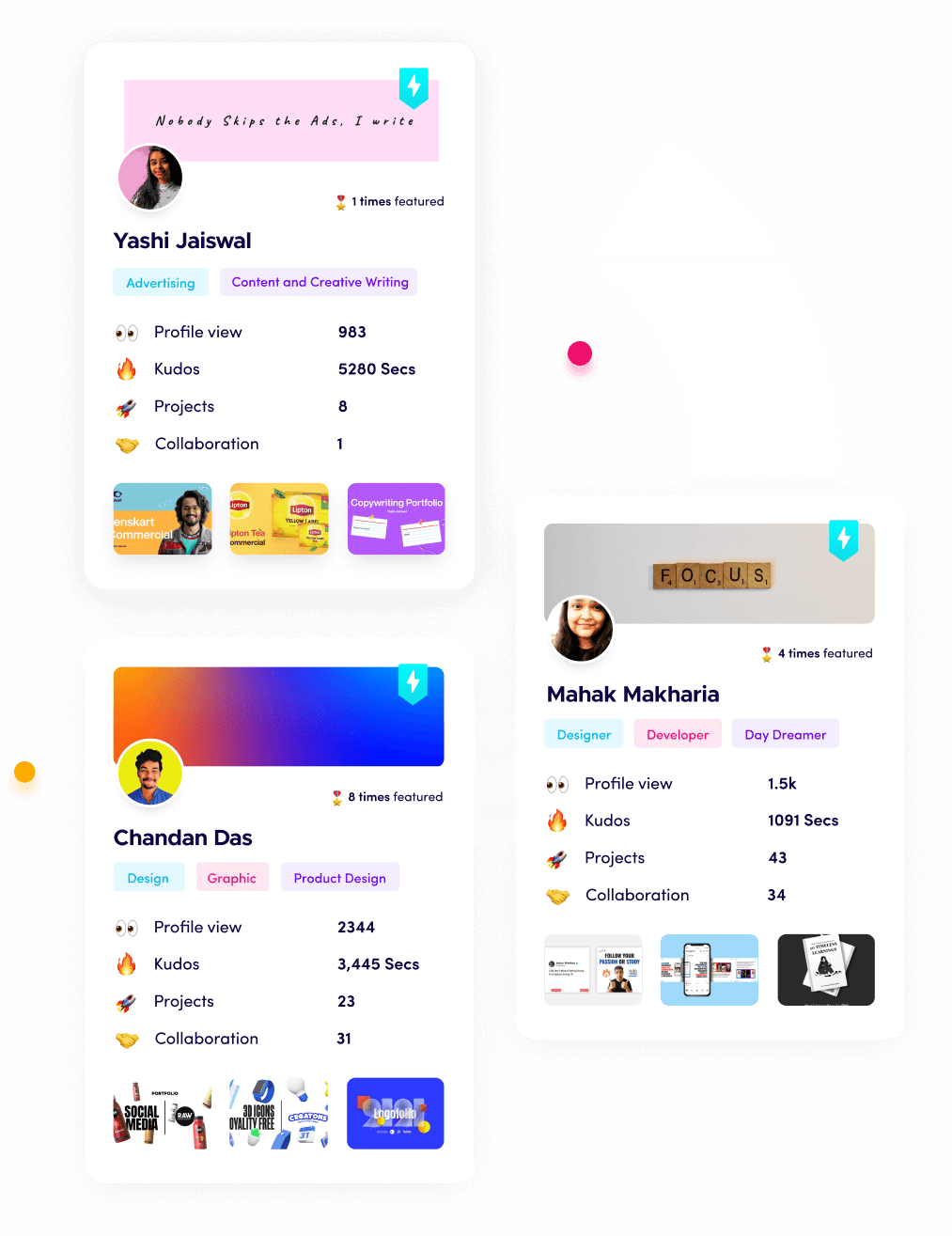
Fueler is a career portfolio platform that helps companies find the best talent for their organization based on their proof of work. You can create your portfolio on Fueler, thousands of freelancers around the world use Fueler to create their professional-looking portfolios and become financially independent. Discover inspiration for your portfolio
Sign up for free on Fueler or get in touch to learn more.

What should you do next?
You've read the article. Now turn your skills into proof of work and unlock more opportunities.
Build your proof of work portfolio
Create a clean portfolio with projects, assignments, resumes, and AI stack details that companies actually want to see.
Create your Fueler portfolio →Apply through assignments, not resumes
Stand out by solving real tasks from companies hiring on Fueler.
Explore assignments →Get discovered by companies
Make your work public and let recruiters discover your skills through actual projects instead of keywords.
Get discovered →