Launch an AI SaaS Product and Scale Revenue in 2026

Riten Debnath
22 May, 2025
Last updated: August 2026
The future isn't coming. It's already here.
We're living in a world where AI is not a buzzword anymore; it's a business model. AI tools are reshaping how we work, market, sell, and build. The real winners of this tech shift? Those who build solutions that solve real problems. If you want to start a profitable business in 2026, launching an AI SaaS (Software-as-a-Service) product might be the smartest move you make.
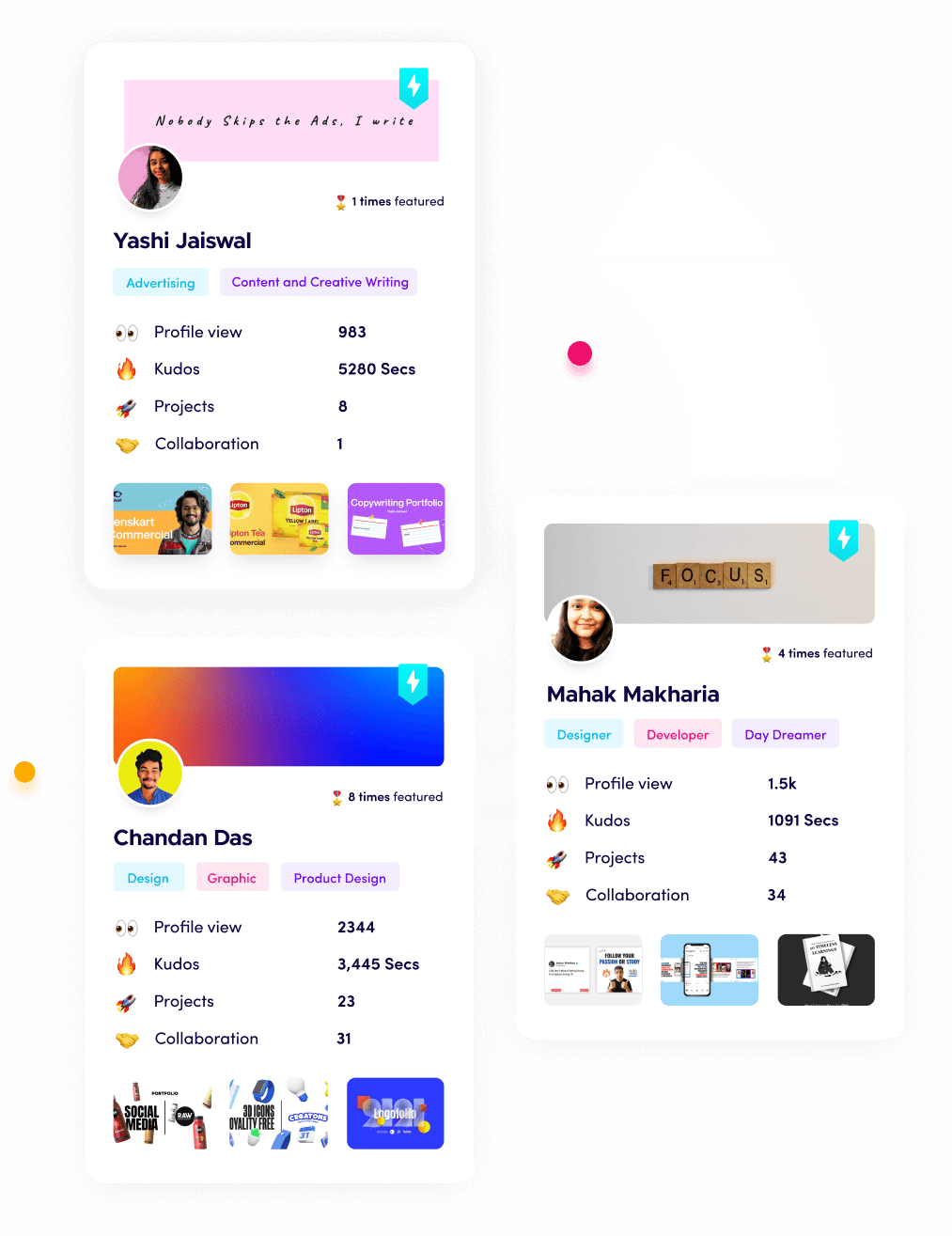
I’m Riten, founder of Fueler, a skills-first portfolio platform building the career infrastructure for 100 million creative professionals. Fueler connects talented individuals with companies through assignments, portfolios, and projects, not just resumes or CVs. Think of it as Dribbble/Behance for work samples combined with AngelList for hiring infrastructure.
Why AI SaaS is the Best Online Business to Start in 2026
AI SaaS has a unique edge: it's scalable, automated, and highly profitable when built right. Unlike service-based businesses, SaaS can grow without adding more people. Plus, AI adds automation to make your product smarter and more useful with time.
- AI SaaS platforms need lower ongoing maintenance compared to traditional services.
- You can build once and sell forever with monthly recurring revenue (MRR).
- AI APIs like OpenAI, Claude, and Gemini are easier to integrate than ever.
- Global market demand for niche AI tools is exploding.
1. Find a Pain Point, Not Just an Idea
Before building, research problems. The best SaaS products are painkillers, not vitamins. Don't chase AI trends blindly; focus on underserved problems that professionals or businesses face daily.
- Join niche communities (Reddit, Discord, LinkedIn) and ask what frustrates people.
- Look at SaaS marketplaces like Product Hunt, G2, or AppSumo for gaps in current tools.
- Validate your idea by offering a simple Notion doc or Figma prototype first.
Real Example: Jasper AI started as a small copywriting assistant and scaled to millions by targeting marketers' real need: faster content creation.
2. Choose the Right AI Infrastructure
AI tools are built using models and APIs. You don’t need to train your own model from scratch. Use APIs like OpenAI, Cohere, or Anthropic to speed up development.
- Use OpenAI's GPT-4 or Claude 3 for natural language tasks.
- Use Stability AI or Midjourney API for image generation.
- Choose Firebase, Supabase, or Vercel for backend and hosting.
Important Tip: Always monitor usage costs of APIs and optimize your prompts. Token usage adds up fast.
3. Build a Lean MVP in 30 Days
Your MVP (Minimum Viable Product) doesn’t need to be perfect; it just needs to work well enough to prove your concept. Focus on solving one problem really well. Use no-code or low-code tools to speed up development. The best product management tools can also help you organize your roadmap, manage tasks, and stay aligned with your goals as you build.
- Bubble, Softr, and Webflow for quick frontends.
- Replit, GitHub Copilot, or Codeium to write code faster.
- Add Stripe or Lemon Squeezy for payments.
Example MVP: If you're building an AI resume builder, make it generate resumes for 2-3 professions before adding more features.
4. Start Getting Users Even Before You Launch
Launches fail when no one is waiting. Build hype while you build the product. Start audience building on X (Twitter), LinkedIn, and communities like Indie Hackers.
- Share your build-in-public journey.
- Offer free beta access in exchange for feedback.
- Collect emails using landing pages (use Carrd, Typedream, or Framer).
Pro Tip: Use Fueler to create a live portfolio of your SaaS building journey. Showcasing your thought process builds trust and early adoption.
5. Price It Right and Introduce Subscriptions Early
Don’t fear pricing. Charge from day one. SaaS works on recurring models monthly or yearly plans. AI costs money to run, so free forever plans often fail.
- Offer a 7-day free trial instead of a free plan.
- Use tiered pricing (Basic, Pro, Team) based on features or usage.
- Add discounts for annual billing to improve cash flow.
Example: An AI transcription tool can charge based on minutes processed per month.
6. Promote Smartly: SEO, Community & Cold Outreach
A good product without visibility is just code sitting on a server. Growth isn’t luck; it’s strategy. Pick 2-3 channels and double down. SEO is slow but reliable. Cold outreach is fast but takes effort. Communities give you a boost if done right.
- Use AI tools like Jasper or Koala to write SEO blogs.
- Answer relevant Quora, Reddit, or LinkedIn questions.
- DM potential users showing them what your tool can do for them.
Hot Tip: Make Loom videos explaining your product and send them in DMs.
7. Track Usage Data and Iterate Fast
Your first version is just a starting point. Use analytics and customer feedback to improve. Tools like PostHog, Mixpanel, or even Google Analytics help track real usage patterns.
- See where users drop off and improve UX accordingly.
- Talk to paying users regularly to prioritize features.
- Build a feedback loop: ship -> test -> learn -> repeat.
Important: Every update should increase value or reduce friction.
8. Protect Margins: Optimize API Costs and Infrastructure
AI is not cheap to run. Make sure your app doesn’t bleed money as you grow. Optimize prompts, cache results, and introduce usage limits to keep things sustainable.
- Use prompt engineering to reduce token usage.
- Batch API calls or cache frequent queries.
- Show usage limits clearly inside the dashboard.
Advanced Tip: Explore open-source alternatives like Ollama or LocalGPT if costs spike.
9. Raise Funds or Stay Bootstrapped?
This depends on your goals. If you want to stay lean and profitable, bootstrap. But if your idea needs scale or network effects, raising from angel investors or VCs can help.
- Bootstrap: You keep control and focus on revenue from day one.
- Fundraise: You trade equity for growth capital and team scaling.
- Platforms like AngelList, PitchBook, or LinkedIn help you connect with investors.
Note: Don’t raise money just to raise. Validate before you pitch.
10. Showcase Your Journey and Build Your Brand
People don’t just buy tools. They buy from people they trust. Document your journey, show your progress, wins, and learnings.
- Use Fueler to document every project milestone, design update, or insight.
- Share monthly updates with your email list.
- Get featured on Indie Hackers, Product Hunt, or newsletters like TLDR or Trends.vc.
A strong founder brand attracts users, hires, and even investors.
Final Thoughts: Your Time is Now
AI isn't the future anymore. It's the present. SaaS isn't just software anymore. It's smart, automated, and scalable revenue. And you don’t need to be a genius coder or have a massive team. You need the right problem, consistent effort, and the courage to build.
Build lean. Launch fast. Iterate endlessly. 2026 is your year to create something powerful.
FAQs
1. What is the best AI SaaS business model in 2026?
The most profitable AI SaaS business models in 2026 include subscription-based models, usage-based pricing (pay-as-you-go), and freemium with premium upgrades. Subscription remains the most stable for monthly recurring revenue (MRR), but combining it with usage-based tiers gives you flexibility to scale.
2. How much does it cost to launch an AI SaaS product?
Launching a basic AI SaaS product can cost anywhere between $15,000 to $100,000 depending on features, tech stack, and team size. Using no-code or low-code tools can drastically reduce your upfront costs and help you validate faster.
3. Which AI tools can I integrate into my SaaS platform?
Popular integrations in 2026 include OpenAI’s GPT-4 Turbo for natural language processing, Google Vertex AI for predictive models, and Hugging Face APIs for machine learning pipelines. These tools can power features like chatbots, recommendation engines, and advanced analytics.
4. How do I get users for my AI SaaS product?
You can acquire users through product-led growth (PLG), SEO-focused landing pages, cold outreach, and AI influencer partnerships. Offering a free trial or limited freemium plan also helps build trust before asking for a commitment.
5. How can I prove my AI SaaS product is trustworthy to enterprise clients?
Build trust with transparent data practices, SOC2 or GDPR compliance, and case studies showcasing real business results. Also, use platforms like Fueler to showcase your product development portfolio and gain early user credibility.
Why 100,000+ professionals use Fueler
Fueler helps professionals showcase proof of work through projects, assignments, case studies, and achievements.
- Thousands of professionals use Fueler to create their digital portfolio
- Thousands of projects are published on Fueler. Check here
- Startups and Companies hire through proof of work on Fueler
- Used by freelancers, creators, marketers, video editors, writers, designers, and product managers
Our mission is to help the next 100 million professionals build a verified professional identity through proof of work

What should you do next?
You've read the article. Now turn your skills into proof of work and unlock more opportunities.
Build your proof of work portfolio
Create a clean portfolio with projects, assignments, resumes, and AI stack details that companies actually want to see.
Create your Fueler portfolio →Apply through assignments, not resumes
Stand out by solving real tasks from companies hiring on Fueler.
Explore assignments →Get discovered by companies
Make your work public and let recruiters discover your skills through actual projects instead of keywords.
Get discovered →