Hosted the First Ever LinkedIn Agartala Meetup

Riten Debnath
13 Jun, 2026
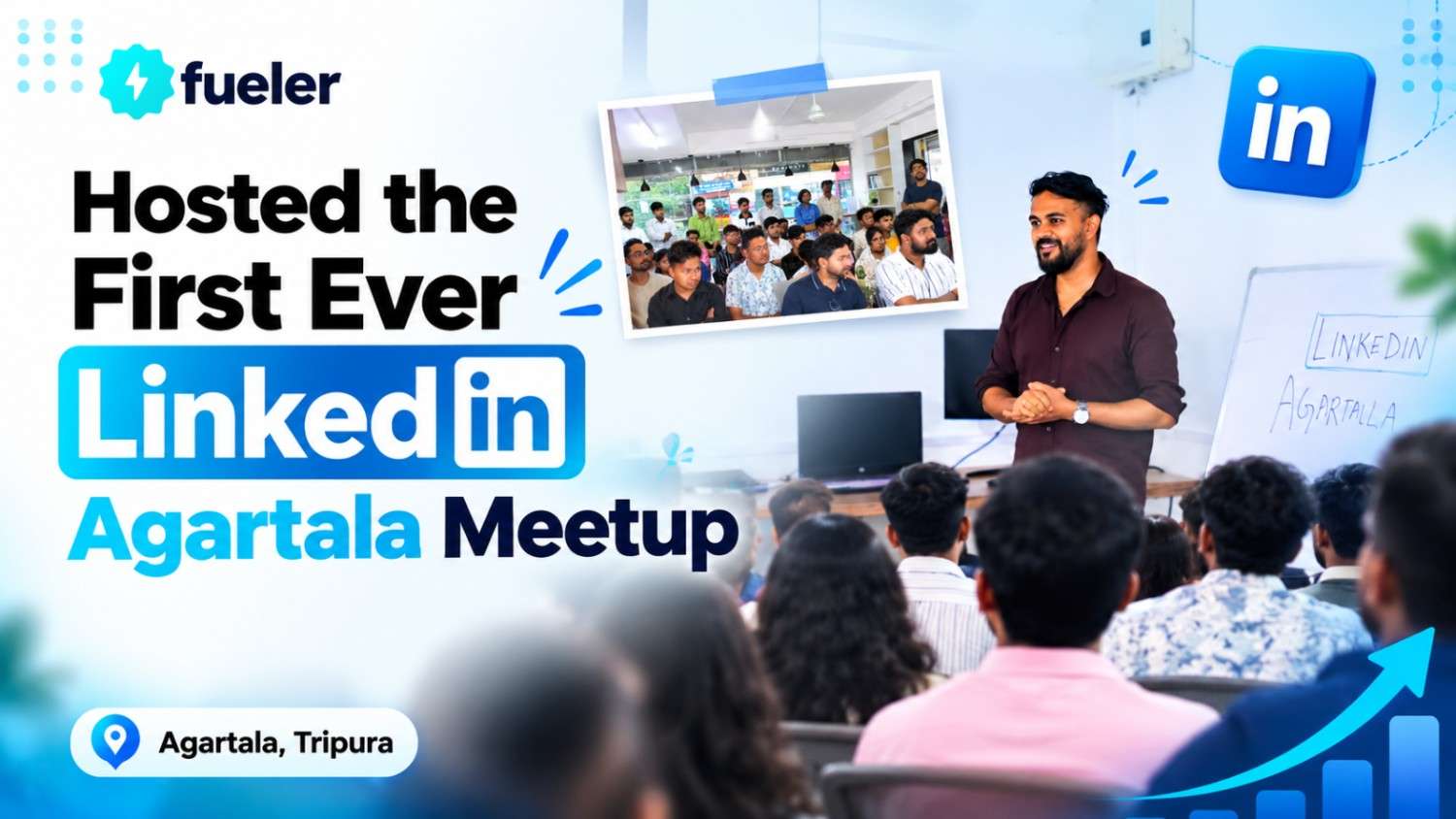
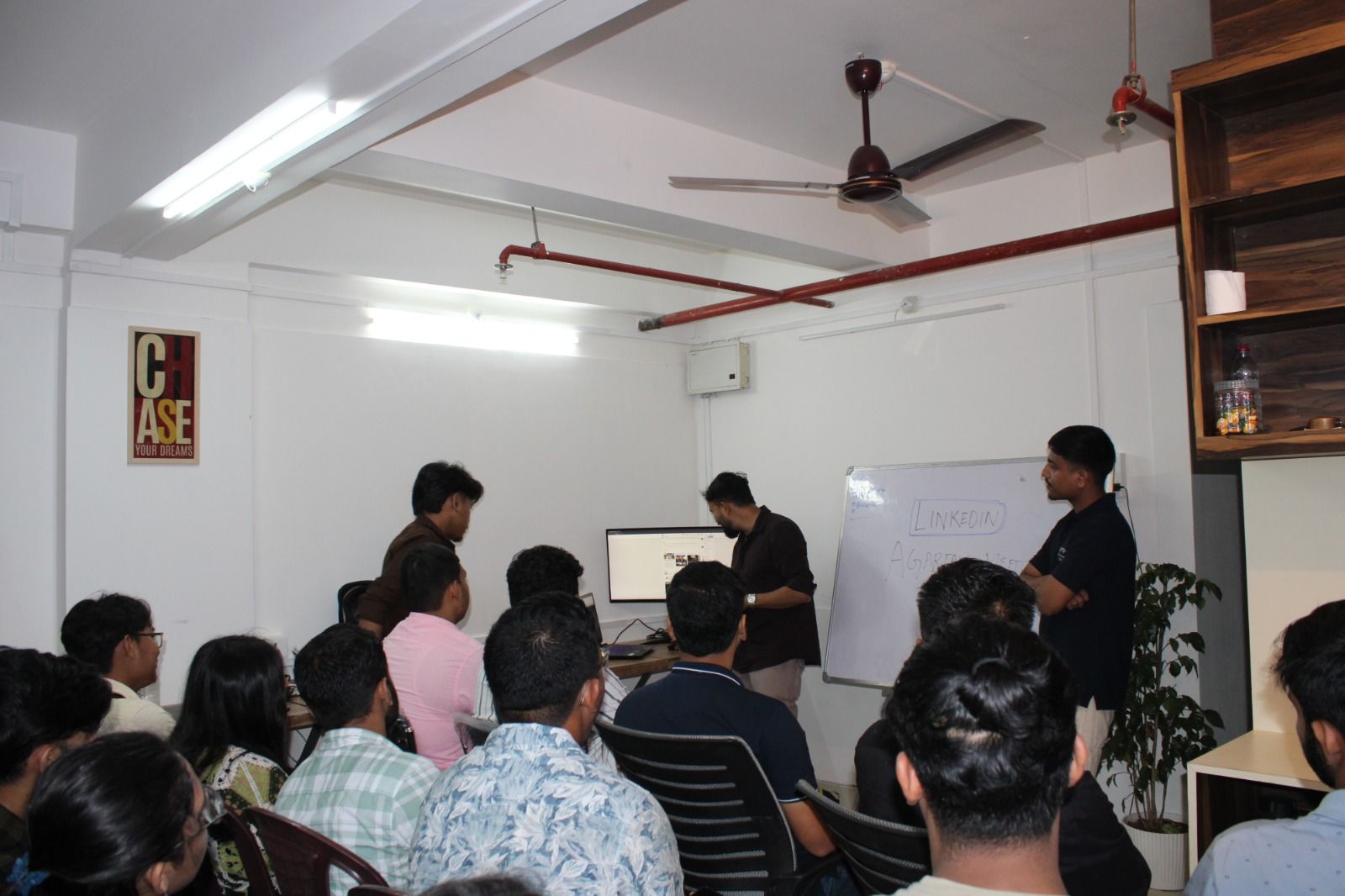
Last weekend, something special happened in Agartala.
A room full of students, freshers, freelancers, creators, and aspiring founders gathered together to talk about careers, personal branding, LinkedIn, AI, and the future of work.
For many people, it might have looked like just another community meetup, but for me, it was much more than that.
I grew up in Agartala.
Like most people from small towns, I spent a large part of my life believing that opportunities existed somewhere else. The stories we heard were always about people moving to Bangalore, Mumbai, Delhi, or Hyderabad. Those cities seemed like the center of everything. The best jobs were there. The biggest companies were there. The startup ecosystem was there.
Nobody around us talked about building a personal brand or creating content online.
Nobody explained how LinkedIn could completely change a person's career trajectory.
Most importantly, nobody told us that our work could reach people across the world without us ever leaving our hometown.
Things are different today.
The internet has quietly changed the rules.
A student sitting in Agartala can build a portfolio that gets noticed by a company in Bangalore. A freelancer can work with clients in Mumbai. A creator can build an audience spread across multiple countries. A young founder can connect with investors and operators without needing an introduction from anyone.
Geography still matters, but it no longer decides your future.
That realization is one of the reasons we decided to host Fueler's first LinkedIn Meetup in Agartala.
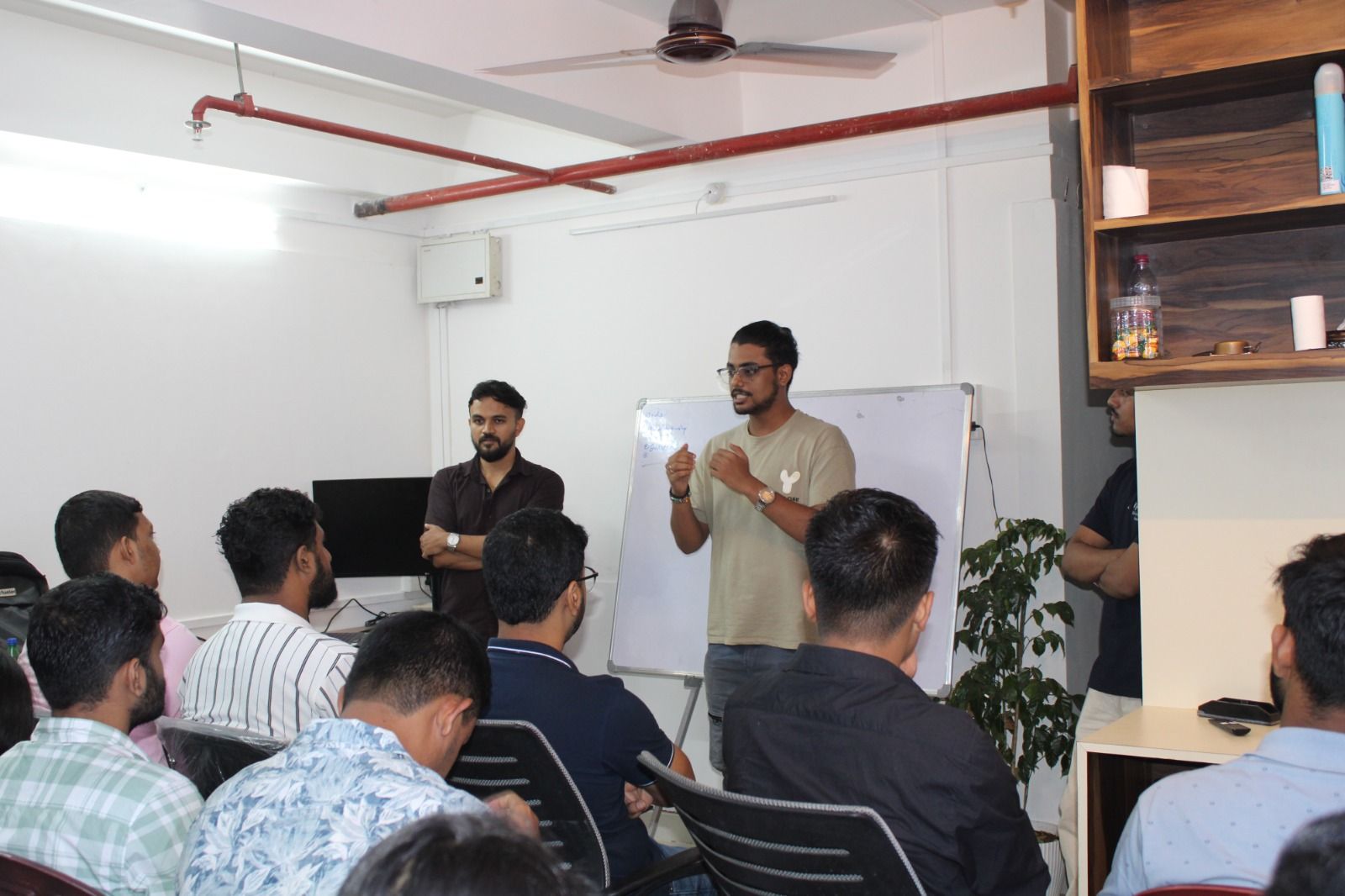
When we started planning the event, our goal was simple. We wanted to help more people understand that opportunities are no longer limited by location. The internet has created a level playing field, but many talented people still don't know how to take advantage of it.
What surprised me the most during the meetup was how many people already had incredible potential.
They were smart, curious and ambitious.
Some were learning design. Some were exploring marketing. Some wanted to become developers. Others were trying to figure out freelancing or content creation.
The talent was clearly there.
The visibility wasn't.
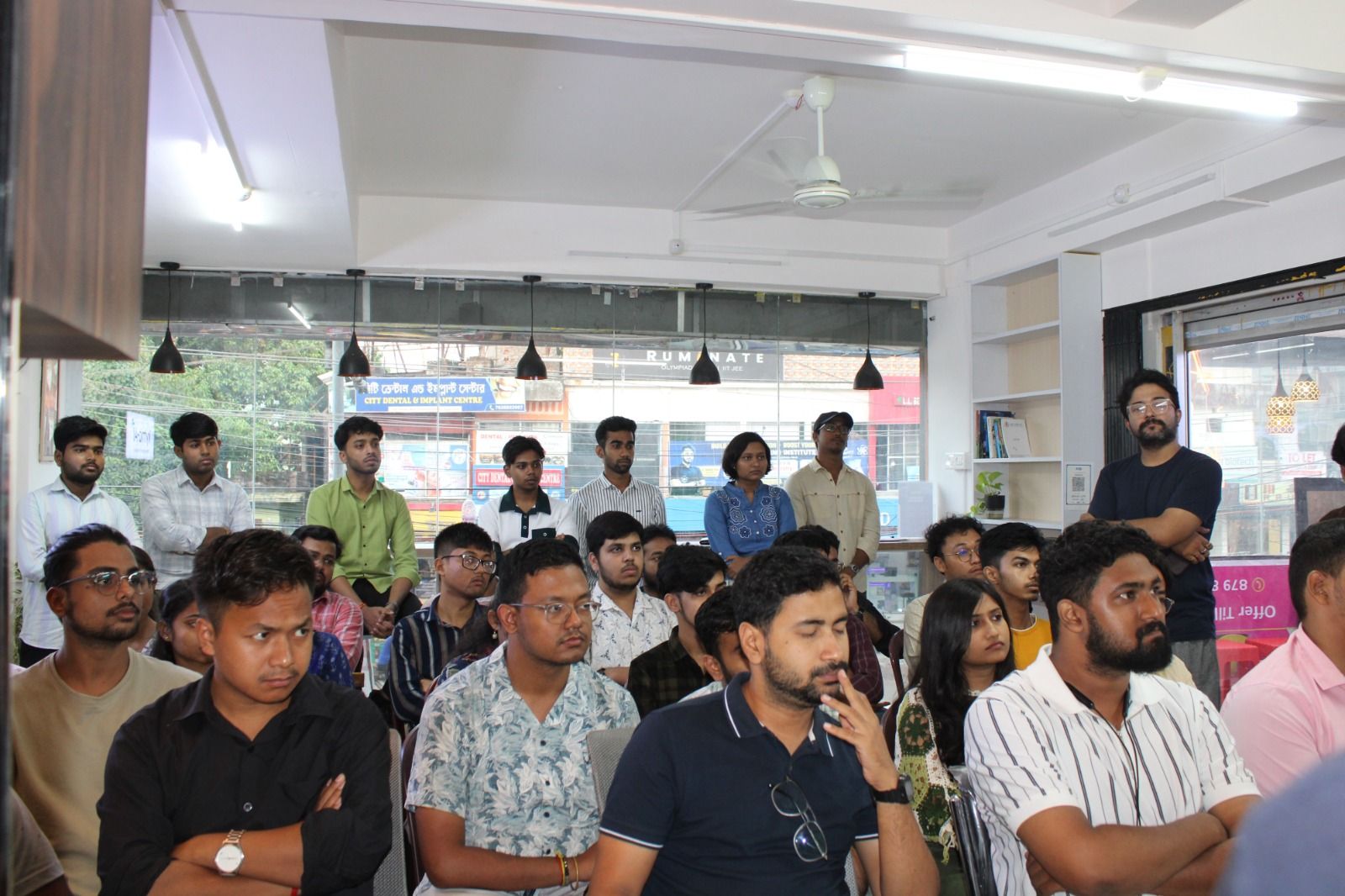
During conversations with attendees, I noticed many of them had never shared their work publicly. Some had LinkedIn accounts that had not been updated in months. Others believed LinkedIn was only useful when they needed a job.
That belief is one of the biggest career mistakes young professionals can make today.
LinkedIn is no longer just a platform for job applications. It has become one of the most powerful professional discovery platforms in the world.
- Recruiters use it to discover talent.
- Founders use it to find team members.
- Clients use it to find freelancers.
- Creators use it to build credibility.
- Professionals use it to build trust at scale.
In many ways, LinkedIn has become a digital reputation engine.
The people who consistently share their work, ideas, lessons, and experiences become visible. Visibility creates trust. Trust creates opportunities.
That is exactly what we spent a large part of the meetup discussing.
One topic that generated a lot of interest was personal branding.
The phrase often sounds intimidating, especially to students and freshers. Many people assume personal branding is something reserved for influencers, celebrities, or people with large audiences.
In reality, personal branding is much simpler than that.
It is the process of helping other people understand who you are, what you are learning, and what kind of work you do.
You don't need thousands of followers or professional photography or viral posts.
You simply need to start sharing your journey.
- A design student can share design experiments.
- A writer can publish lessons from daily practice.
- A developer can document projects.
- A marketer can share campaign observations.
Over time, these small actions compound into a powerful professional identity.
One of the most rewarding moments of the meetup came when attendees started realizing that they didn't need permission to start.
We also spent considerable time discussing AI and the future of careers.
Almost every young professional today has the same question: Will AI replace jobs?
My answer remains the same.
AI is not replacing skills. It is replacing people who stop learning.
The professionals who combine strong fundamentals with AI tools will become significantly more valuable over the next decade. Writing, communication, problem-solving, critical thinking, design, sales, and creativity still matter. AI simply helps skilled people move faster.
That perspective resonated with many attendees because it shifted the conversation away from fear and toward growth.
Instead of asking whether AI will replace them, they started asking how they could become better.
Another important discussion revolved around portfolios.
At Fueler, this is a topic very close to our mission.
For years, careers have been built around resumes. Yet resumes often tell only a small part of the story. They list skills, experiences, and achievements, but they rarely show actual capability.
A portfolio does.
A portfolio is evidence.
It shows what you've built, written, designed, created, or solved.
That difference is becoming increasingly important because companies are changing how they hire. More organizations now want proof of work instead of claims of work. They want to see projects, assignments, case studies, and real outcomes.
This shift is one of the reasons we're building Fueler.
We believe the future of hiring belongs to people who can demonstrate skills rather than simply list them.
As the meetup progressed, the conversations became deeper and more personal. People started sharing their own doubts, aspirations, and challenges. Some worried they were starting too late. Others wondered whether opportunities really existed for people from smaller cities.
Listening to those conversations reminded me of my own journey.
I've asked many of the same questions.
I've experienced many of the same uncertainties.
That's why seeing the energy in that room felt so meaningful.
Not because everyone left with all the answers.
But because they left believing that their ambitions were possible.
That matters.
Sometimes a career doesn't change because of a course, a degree, or a certificate. Sometimes it changes because someone helps you see a bigger possibility for yourself.
I'm incredibly grateful to Palash Jyoti Mahanta, Sagar Kumar, Manabendra Sen, Tamal Bhowmik, and Sujoy Datta Muhury for sharing their experiences and insights with the community. Their perspectives added immense value and helped make the event more impactful.
A special thanks also goes to Kyma AI Innovations, Kartik, and Rajat for supporting the meetup and helping us create a space where meaningful conversations could happen.
As I reflect on the event, one thought keeps coming back to me.
Talent is everywhere. I've seen it in Agartala and I've seen it in small towns across India.
I've seen it among students, freelancers, creators, and professionals who simply haven't been given enough visibility yet.
The challenge is rarely talent, exposure, confidence and taking the first step.
That's why Fueler will continue organizing community events like this.
Because opportunity should not be concentrated in a few cities.
It should be accessible to anyone willing to learn, build, and show their work.
If you missed this meetup, don't worry.
We're just getting started.
And if you'd like us to host a Fueler meetup in your city, let us know.
Because the future belongs to people who show up.
No matter where they come from.
Here are some posts by people who attended the meetup:
Frequently Asked Questions (FAQs)
1. Why is LinkedIn important for students and freshers in India?
LinkedIn has become one of the best platforms for students and freshers to build a professional presence online. It helps you connect with industry professionals, showcase your projects, share your learning journey, and discover internships and job opportunities. Many recruiters and founders actively use LinkedIn to find talent, making it an essential platform for career growth.
2. How can students from small towns build a personal brand on LinkedIn?
Students from small towns can start by sharing what they are learning, working on, or building. You do not need a large audience or years of experience. Consistently posting about projects, internships, skills, and lessons learned can help you build credibility and attract opportunities from companies across India and even globally.
3. What should I post on LinkedIn if I have no work experience?
If you do not have professional experience, focus on sharing your learning journey. You can post about college projects, online courses, internships, books you are reading, skills you are developing, or challenges you have solved. Recruiters and employers often value initiative and consistency as much as experience.
4. Why is a portfolio more important than a resume today?
A resume tells employers what skills you claim to have, while a portfolio shows proof of those skills through real projects and work samples. As more companies move toward skill-based hiring, having a strong portfolio can help you stand out from other candidates and improve your chances of getting hired.
5. How can Fueler help students and professionals get hired?
Fueler helps individuals showcase their work through portfolios and assignments. Instead of relying only on resumes, candidates can demonstrate their skills through real projects and proof of work. This allows companies to evaluate talent more effectively and gives job seekers a better chance to stand out during the hiring process.
What is Fueler Portfolio?
Fueler is a career portfolio platform that helps companies find the best talent for their organization based on their proof of work. You can create your portfolio on Fueler. Thousands of freelancers around the world use Fueler to create their professional-looking portfolios and become financially independent. Discover inspiration for your portfolio
Sign up for free on Fueler or get in touch to learn more.

What should you do next?
You've read the article. Now turn your skills into proof of work and unlock more opportunities.
Build your proof of work portfolio
Create a clean portfolio with projects, assignments, resumes, and AI stack details that companies actually want to see.
Create your Fueler portfolio →Apply through assignments, not resumes
Stand out by solving real tasks from companies hiring on Fueler.
Explore assignments →Get discovered by companies
Make your work public and let recruiters discover your skills through actual projects instead of keywords.
Get discovered →