Proof of Work for Students: How to Start Building Early

Riten Debnath
23 Dec, 2025
Ever stared at job postings screaming for "3+ years experience" while you're still buried in textbooks and exams? It's frustrating, right? But here's the secret weapon thousands of students are using to crush interviews and land paid internships: proof of work portfolios built right from freshman year. These aren't fancy resumes, they're real projects, apps, designs, and campaigns that scream "I'm ready to deliver results NOW!" Start early, and watch doors fly open to dream gigs before your peers even graduate.
I’m Riten, founder of Fueler - a skills-first portfolio platform that connects talented individuals with companies through assignments, portfolios, and projects, not just resumes/CVs. Think Dribbble/Behance for work samples + AngelList for hiring infrastructure.
Why Students Need Proof of Work From Day One
Traditional student resumes brag about GPAs, clubs, and internships that barely exist, but proof of work portfolios explode with actual projects you've built, coded, designed, or marketed yourself from scratch. Recruiters skip the fluff and dive straight into your tangible results, giving you an unfair advantage over equally smart classmates still polishing empty CVs.
- Proof of work portfolios let recruiters and hiring managers witness your genuine abilities in full action through fully functional live projects, interactive prototypes, detailed case studies, or deployed apps that demonstrate you can create real value immediately upon joining a team, without the usual hand-holding, lengthy training ramps, or probation periods that make employers nervous about hiring fresh talent straight out of college classrooms.
- Building portfolios early creates unstoppable momentum and skyrocketing confidence as you transform simple class assignments, personal experiments, or weekend hacks into polished professional showcases that naturally attract mentors, freelance side gigs, internship offers from startups, and even equity opportunities, turning your student years into a launchpad for serious career acceleration.
- These portfolios set you miles apart from the flood of identical graduates flooding LinkedIn with similar majors and grades by spotlighting your unique, hands-on projects like custom-built AI chatbots, community-driven marketing campaigns, or open-source contributions that bypass automated resume filters and land you straight into human recruiter inboxes.
- Starting your proof of work journey right now creates compound growth magic by senior year or graduation, you'll boast 2-3 years of continuously evolving, high-quality portfolio pieces that position you as battle-tested talent ready to tackle mid-level roles, while peers scramble to build from zero and settle for entry-level scraps.
- Creating real projects teaches irreplaceable real-world skills like relentless self-motivation through late-night debugging sessions, rapid iteration based on user feedback loops, measuring actual impact with analytics, and delivering polished results under self-imposed deadlines, preparing you far better for corporate chaos than any theoretical textbook or multiple-choice exam ever could.
Why it matters
Proof of work for students flips the "no experience" excuse into a massive competitive weapon, landing internships, gigs, and full-time offers faster by proving you're not just book-smart but battle-ready.
Turn Class Projects Into Portfolio Goldmines
Your college assignments sitting forgotten in Google Drive? They're untapped treasure waiting to shine. With smart polishing, these become impressive portfolio pieces that rival professional work and wow recruiters hunting for fresh talent.
- Take a basic group coding assignment and expand it into a full-stack web app with user authentication, database integration, real-time features using Socket.io, deployed on Vercel or Heroku, complete with usage analytics showing 100+ test users, turning a C+ grade into a "hire me now" showcase that proves full-cycle development skills.
- Transform a marketing class presentation into a live campaign case study by actually running it on social media with targeted ads, A/B testing headlines and visuals, tracking engagement metrics through Google Analytics and Meta Insights, then documenting every step from hypothesis to 25% conversion uplift for undeniable real-world proof.
- Revamp a design homework wireframe into an interactive Figma prototype with micro-interactions, user flow animations, responsive breakpoints across devices, accessibility features like screen reader support, and user testing results from 20 classmates, making it indistinguishable from agency-level work that screams UX expertise.
- Evolve a data science project from simple Excel charts into a Streamlit dashboard with machine learning predictions, API integrations pulling live data, interactive filters for custom insights, and a blog post explaining your methodology, positioning you as an analytics pro ready for business intelligence roles.
- Package group projects by owning your specific contributions upfront with "My Role" breakdowns, before-after visuals, code snippets you authored, and testimonials from teammates, ensuring recruiters see your individual brilliance even in collaborative efforts.
Why it matters
Polished class projects fill your proof of work portfolio instantly with zero extra time investment, giving students legitimate professional-grade examples that secure callbacks over experienced applicants.
Build Personal Projects That Solve Real Problems
Skip hypotheticals create apps, sites, or tools that tackle genuine issues you or your friends face daily. These passion projects become your portfolio's shining stars, proving initiative and practical problem-solving.
- Develop a campus event finder app that scrapes university calendars, integrates Google Maps for venue navigation, pushes personalized notifications via Firebase, and includes social features for RSVPs and reviews, then promotes it to 500+ students for real usage data that showcases full-stack mobile development prowess.
- Launch a personal finance tracker for students budgeting ramen noodles and tuition, featuring expense categorization with AI-powered receipt scanning via OCR, predictive spending forecasts using simple ML models, gamified savings challenges, and exportable reports, demonstrating fintech skills with actual user adoption metrics.
- Create a study buddy matching platform connecting classmates by course, learning style, and availability using React frontend, Node.js backend with matching algorithms, video call integration via Twilio, and success stories from paired users, proving you can build social network features from scratch.
- Design a freelance gig board specifically for college students offering micro-tasks like logo tweaks or social posts, complete with Stripe payments, rating systems, escrow protection, and admin dashboards, turning it into a revenue-generating proof point for marketplace and payment system expertise.
- Build an open-source browser extension that auto-summarizes lecture PDFs, highlights key terms, generates flashcards via spaced repetition algorithms, and syncs across devices, then rack up GitHub stars and user feedback to validate product-market fit and full-stack engineering chops.
Why it matters
Personal projects demonstrate self-starting hustle and real problem-solving, filling student portfolios with impressive, metrics-backed work that lands paid opportunities faster than any internship.
Contribute to Open Source for Instant Credibility
GitHub isn't just for pros students jumping into open source gain collaboration experience, code reviews, and maintainer endorsements that make recruiters salivate. It's free proof with massive authority.
- Fork popular student-focused repos like note-taking apps or course schedulers, fix bugs with detailed PRs including tests, performance benchmarks, and documentation updates, earning "good first issue" badges and maintainer shoutouts that validate your code quality to thousands.
- Join hackathon-winning projects post-event by adding features like dark mode with CSS custom properties, PWA offline support via service workers, internationalization with i18n libraries, and accessibility audits, gaining co-contributor status on celebrated work.
- Create your own beginner-friendly starter templates for React portfolios, Next.js blogs, or Flutter apps, complete with setup scripts, CI/CD pipelines via GitHub Actions, and comprehensive READMEs with deployment guides, attracting stars and forks that prove teaching-level expertise.
- Participate in Google's Season of Docs or Outreachy by writing technical documentation for ML libraries or cloud tools, including tutorials, API references, and video walkthroughs, earning program certificates and visible contributions to major orgs.
- Maintain a weekly "student OSS digest" repo curating beginner issues across 50+ projects with solutions, video explanations, and difficulty ratings, positioning yourself as a community leader with 100+ contributors referencing your work.
Why it matters
Open source contributions give students pro-level collaboration proof, visible endorsements, and real code shipped at scale, skyrocketing portfolio credibility overnight.
Leverage Free Competitions and Hackathons
Student competitions offer deadlines, judges, feedback, and prizes perfect portfolio fodder without solo motivation struggles. Winners get launched; participants still shine.
- Enter MLH hackathons building AI resume builders that analyze LinkedIn profiles, suggest skill gaps with course recommendations, generate tailored cover letters via GPT APIs, and visualize career paths with D3.js, winning prizes while gaining demo videos and judge feedback.
- Competed in designathons creating app redesigns for campus services like library booking with motion design, voice UI prototypes via Voiceflow, AR try-on features with 8th Wall, and usability test results from 50 users, earning certificates and portfolio case studies.
- Join Google Hash Code or Facebook Hacker Cup solving massive-scale problems like route optimization for delivery fleets using genetic algorithms, then document your 10x solution with visualizations, complexity analysis, and leaderboard rankings for algorithmic proof.
- Participate in writing contests like Towards Data Science challenges crafting end-to-end ML pipelines from Kaggle datasets, including feature engineering notebooks, model comparisons, deployment on Hugging Face, and 5K+ Medium claps for data science authority.
- Dominate local startup pitch competitions by building MVP landing pages with Waitlist signups via ConvertKit, no-code prototypes in Bubble, analytics tracking with Plausible, and pitch decks showing 200+ signups, proving product-market validation skills.
Why it matters
Hackathons and competitions provide structured, high-stakes proof with external validation, filling student portfolios with award-worthy projects that demand recruiter attention.
Document Your Learning Journey Publicly
Blogging your skill-building process creates a living portfolio showing growth, thought process, and results. It's authentic proof that captivates employers valuing transparency.
- Write weekly "Week N with React" posts chronicling building a todo app to full e-commerce site, including code evolution screenshots, stumbling block solutions, performance optimizations from 5s to 0.5s loads, and final deployed links with visitor analytics.
- Create YouTube series "From Zero to Full-Stack" filming your 30-day Next.js + Supabase build with daily commits, live debugging sessions, user testing reactions, deployment walkthroughs, and subscriber growth metrics proving teaching ability.
- Launch a Notion "Learning Dashboard" publicly tracking 52-week goals across 5 tech stacks with progress bars, resource lists, challenge solutions, peer reviews, and monthly reflection videos, attracting mentorship and collaboration offers.
- Publish case studies on Dev.to about "Cloning Twitter in 72 hours" detailing architecture decisions, scalability tradeoffs, real-time chat with Socket.io, 1K+ visitors served, and lessons for 10K views and recruiter DMs.
- Maintain a "100 Days of Code" Twitter thread with daily GIFs of progress, code snippets, deployed demos, follower interactions, and final portfolio site launch celebrated by 5K community members.
Why it matters
Public learning documentation proves grit, rapid growth, and communication skills, turning student portfolios into compelling career stories employers can't ignore.
Use Platforms Like Fueler for Verified Student Projects
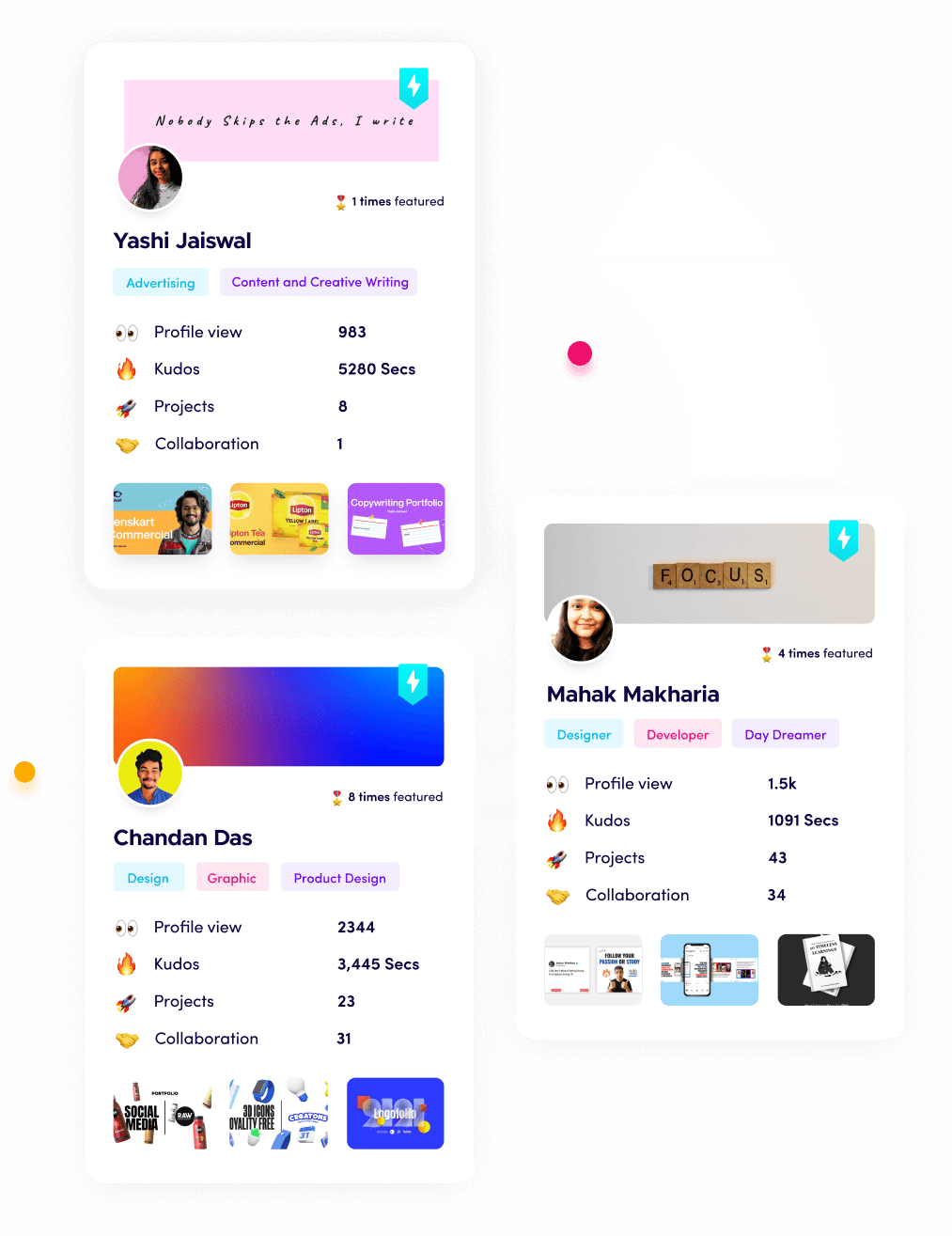
Fueler empowers students to showcase skills through actual assignments and projects rather than just static resumes. It allows you to build an interactive, skills-verified portfolio accessible to hiring companies looking for proven talent.
- Complete beginner-friendly assignments on Fueler like "Build a responsive landing page" using HTML/CSS/JS, then showcase your pixel-perfect result with device previews, Lighthouse scores above 95, and client-ready handoff documents for instant portfolio addition.
- Tackle intermediate challenges such as "Create a task management API" with Express.js, JWT auth, MongoDB integration, Postman collections, and automated tests hitting 90% coverage, earning platform badges visible to 100K+ company viewers.
- Build portfolio-ready projects like "E-commerce product filter" using React hooks, Algolia search, Stripe checkout flows, and analytics events, then get peer reviews and employer views that validate your production-ready code.
- Participate in Fueler-hosted student sprints collaborating on real company briefs, dividing frontend/backend tasks, merging via PRs with reviews, deploying to Vercel, and showcasing team deliverables with individual contribution breakdowns.
- Receive skill endorsements from completed assignments that appear on your profile, making recruiters see verified React, Python, Figma mastery without questioning your student status or experience gaps.
Why it matters
Platforms like Fueler give students instant access to guided, verified projects that fill portfolios professionally, connecting you directly to companies seeking fresh proven talent.
Final Thoughts
Proof of work isn't reserved for grads with fancy internships students starting today build unbeatable portfolios through class upgrades, personal projects, open source, competitions, and smart platforms. This early hustle compounds into job offers, freelance income, and career momentum your peers can only dream of. Polish relentlessly, share boldly, measure everything, and watch "no experience" transform into "hire immediately." Your future self will thank you for starting now.
FAQs
1. How can students build proof of work portfolios with no experience?
Start with class projects, personal apps solving real problems, open source contributions, and hackathon MVPs documented with metrics and visuals.
2. What are the best free tools for student portfolios in 2025?
Use Figma for designs, Vercel for deployments, Notion for case studies, GitHub for code, and Fueler for verified assignments.
3. Why do student portfolios with personal projects get more interviews?
They prove self-motivation, problem-solving, and end-to-end delivery better than grades, showing employers you're ready to contribute day one.
4. How often should students update proof of work portfolios?
Add one new project monthly, refresh metrics quarterly, and evolve old work to show growth and relevance to current trends.
5. Can hackathons replace internships on student resumes?
Hackathon wins with shipped projects often outperform basic internships by proving innovation, shipping speed, and real results under pressure.
What should you do next?
You've read the article. Now turn your skills into proof of work and unlock more opportunities.
Build your proof of work portfolio
Create a clean portfolio with projects, assignments, resumes, and AI stack details that companies actually want to see.
Create your Fueler portfolio →Apply through assignments, not resumes
Stand out by solving real tasks from companies hiring on Fueler.
Explore assignments →Get discovered by companies
Make your work public and let recruiters discover your skills through actual projects instead of keywords.
Get discovered →