Social Media Engagement Explained: 13 Proven Tips to Boost Results in 2026

Riten Debnath
14 Mar, 2026
If you’ve ever posted a photo of your perfectly seasoned avocado toast only to receive a solitary like from your mom and a bot trying to sell you crypto, you know the true meaning of digital heartbreak. We spend hours filtering our lives and crafting captions that we think are comedic gold, only to be met with the deafening silence of a ghost town. It’s like throwing a massive party, buying all the snacks, and then realizing you forgot to send out the invites. But don't worry, you aren't shouting into a void because you are bored; you just haven't learned how to poke the algorithm's curiosity yet.
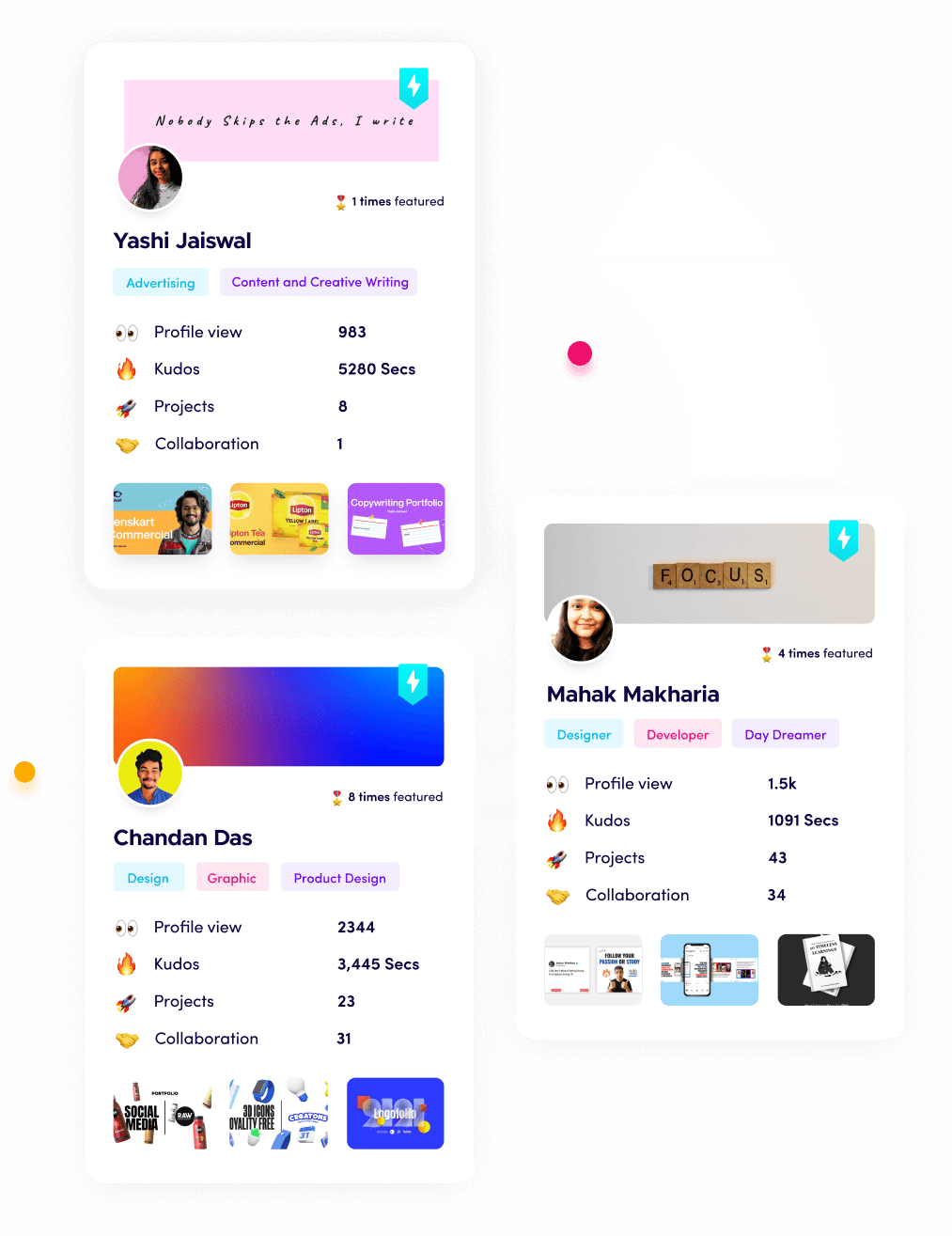
I’m Riten, founder of Fueler, a skills-first portfolio platform that connects talented individuals with companies through assignments, portfolios, and projects, not just resumes/CVs. Think Dribbble/Behance for work samples + AngelList for hiring infrastructure.
1. Stop Being a Robot and Show Some Personality
Nobody goes on social media to read a corporate press release written by someone who has forgotten what sunlight looks like. People follow people, not logos. If your content feels like it was generated by a board of directors in a windowless room, your engagement will stay in the basement. Shake things up by sharing your actual thoughts, your weird quirks, and even your spectacular failures because that is what makes people stop scrolling and start typing a reply.
- Share Your "Behind the Scenes" Disasters: People love seeing that your life isn't a perfect 24/7 aesthetic. Post the messy desk, the burnt coffee, or the three failed attempts at a video before you got the "perfect" one. Showing the human side of your process builds a massive amount of trust because it makes you relatable rather than an unreachable digital statue.
- Use Your Actual Voice: Write your captions exactly how you talk to your friends at a pub or a café. If you wouldn't say "leveraging synergistic opportunities" in real life, do not type it in your post. Using natural language, slang, and even a bit of sarcasm helps your audience feel like they are actually having a conversation with a real human being.
- Have a Stance on Something: Don't be afraid to have an opinion, even if it is just about whether pineapple belongs on pizza. When you take a stand, you give people a reason to agree or disagree with you. This creates a natural spark for conversation in the comments section, which is exactly what the algorithm needs to see to push your post further.
- Tell Personal Stories: Instead of just sharing a tip, tell the story of how you learned it the hard way. Narratives are much stickier than dry facts. When you wrap your message in a personal story, people are more likely to stay engaged until the very end because they want to know how the "main character" of the story turned out.
- Reply with Humor: When someone comments, don't just give a thumbs up. Crack a joke or ask a follow-up question that shows you actually read what they wrote. This two-way interaction turns a broadcast into a community. People are much more likely to comment again in the future if they know they are going to get a funny or thoughtful response.
Why it matters: Personality is your secret weapon against the sea of generic content. In 2026, the internet is flooded with polished, boring stuff, so being authentically "you" acts like a giant neon sign. It creates an emotional connection that keeps people coming back to your profile specifically. This loyalty translates into higher engagement rates because your followers aren't just consumers; they are fans who genuinely care about what you have to say next.
2. Master the Art of the "Scroll Stopper"
You have about half a second to convince someone not to flick their thumb past your post. If your visual or your first line is boring, you’ve already lost the war. You need to create a "pattern interrupt," something that breaks the trance of the infinite scroll. Think of it as a digital shout that grabs them by the shoulders and says, "Hey, look at this cool thing before you keep moving!"
- Start with a Bold Question: Open your post with something that demands an answer, like "Why is everyone still doing this wrong?" This immediately triggers the brain’s curiosity. The reader feels a subconscious need to find out what "this" is and why they might be doing it wrong, which successfully halts their scrolling momentum and gets them to click "see more" on your caption.
- Use High-Contrast Visuals: Use bright colors or unusual angles that don't blend in with the typical blue and white of the app interface. When your image or video looks significantly different from the five posts above it, the eye naturally stops to investigate the anomaly. This visual "pop" is the first step in getting someone to actually engage with the message you are trying to send.
- The "Wait for It" Strategy: If you are posting a video, start in the middle of an action or show the end result first. This creates an immediate curiosity gap. People will stay to see how you got there or what happens next. By denying them the immediate payoff, you force them to invest a few seconds of their time, which drastically increases the chances of a full view.
- Bold Typography: Place a large, easy-to-read title directly on your image or video thumbnail. This tells the viewer exactly what they are going to get without them having to read the tiny caption text. If the title is relevant to their interests, they will stop. It’s like a book cover; if it doesn't look interesting, nobody is going to open it to read the story.
- Unexpected Sound Effects: In the first second of a video, use a sound that isn't usually associated with the visual. A sudden "ding," a laugh, or a weird pop can jar a user out of their passive state. This audio hook works perfectly for people scrolling with their sound on, providing an extra layer of engagement that most creators completely forget to use.
Why it matters: If you can't stop the scroll, nothing else you do matters. You could have the most life-changing advice in the world, but if nobody stops to read it, it’s effectively invisible. Mastering the scroll stopper ensures that your hard work actually gets seen. It increases your "view-to-interaction" ratio, telling the social media platform that your content is high-quality and deserves to be shown to an even wider audience.
3. Post When the Party is Actually Happening
Imagine showing up to a nightclub at 10:00 AM on a Monday. It’s empty, the music is off, and you’re just standing there alone with a glow stick. That is what it feels like to post when your audience is asleep. Timing isn't everything, but it is a massive multiplier. You want to drop your content right when most people are actively looking for a distraction from their real lives.
- Dive Into Your Analytics: Every platform gives you a map of when your specific followers are online. Don't guess; look at the data. If your peak is at 8:00 PM, don't post at 8:00 AM. Aligning your content with these "heat maps" ensures that you get an immediate spike in engagement, which is the signal the algorithm uses to decide if it should go viral.
- Test Different Time Zones: If you have a global audience, you need to find a "sweet spot" that hits multiple regions. Sometimes posting at midnight in your time zone is actually the best time because it hits the morning rush for your followers on the other side of the world. Experimenting with these windows can unlock a whole new segment of followers you didn't even know were watching.
- The "Bored at Work" Window: There are specific times during the day when people are looking for an escape, like the 11:00 AM pre-lunch slump or the 3:00 PM afternoon crash. Targeting these "vulnerable" moments with lighthearted or funny content can lead to much higher engagement because people are actively looking for something to entertain them while they wait for the clock to run out.
- Weekend vs. Weekday Strategy: People behave differently on Saturdays than they do on Tuesdays. Your weekend content should be more relaxed and lifestyle-oriented, while your weekday content can be more educational or career-focused. Understanding the "vibe" of the day helps you tailor your message so it fits perfectly into the current mindset of your audience, making them more likely to interact.
- Consistency over Frequency: It is better to post once a day at the perfect time than five times a day at random times. When you post consistently at a certain hour, your core fans begin to subconsciously expect your content. This "appointment viewing" builds a habit, and habitual viewers are much more likely to leave a comment or share your post with their own followers.
Why it matters: Timing gives your post the initial momentum it needs to fly. Social media platforms prioritize "recency" and "velocity." If you get 100 likes in the first ten minutes, the algorithm thinks, "Wow, this is hot!" and pushes it to 1,000 more people. If those same 100 likes take five hours to appear because you posted while everyone was sleeping, the post will likely die a quiet, lonely death.
4. Ask Questions That People Actually Want to Answer
Most people ask questions like "What do you think?" which is the equivalent of a wet noodle. It’s too broad and requires too much brainpower. If you want engagement, you need to make it easy for people to respond. Ask specific, binary, or highly relatable questions that take less than five seconds to answer. The lower the "barrier to entry" for a comment, the more comments you will get.
- Use "This or That" Scenarios: Ask your audience to choose between two simple options. "Coffee or Tea?" "Home office or Coworking space?" These are low-stakes questions that people love to weigh in on. Because the answer is only one word, people who usually never comment will suddenly feel compelled to share their preference, giving your engagement numbers a massive, effortless boost.
- Ask for Advice on Small Things: People love feeling like experts. Ask something like, "What’s the best app for tracking water intake?" or "What should I eat for dinner?" When you ask for help, you turn your followers into contributors. This builds a sense of community because they feel like they are actively helping you, which strengthens their emotional bond with your brand or profile.
- The "One Word" Challenge: Ask your followers to describe their current mood or their weekend plans using only one word or an emoji. It’s fun, fast, and visually interesting in the comments section. This type of micro-engagement is great for the algorithm because it generates a high volume of interactions very quickly, signaling that your post is a hub of activity.
- Provoke a "Friendly" Debate: Ask a question that you know has two passionate sides. "Does a straw have one hole or two?" "Is cereal a soup?" These silly debates are engagement gold mines because people will start arguing with each other in the comments. As they go back and forth, your engagement count skyrockets, and the algorithm keeps pushing the post to more people.
- Ask for "Wrong Answers Only": Post a photo of something recognizable and ask people to give "wrong answers only" about what it is. This triggers the funny side of your audience and usually results in a comment section full of comedic gold. When people see others being funny, they want to join in, creating a snowball effect of engagement that can lead to your post going viral.
Why it matters: Engagement is a two-way street. If you don't give people an easy way to talk to you, they won't. By asking the right questions, you are essentially handing them a microphone. Each comment is a "vote of confidence" in the eyes of the platform. The more votes you get, the more the platform trusts your content, leading to a wider reach and a more loyal, interactive community.
5. Use the "Reply with Video" Feature Constantly
In 2026, text-based replies are the bare minimum. If you want to stand out and make your followers feel like celebrities, reply to their comments with a short video. It shows that you actually care enough to spend sixty seconds talking directly to them. This creates a "super-fan" who will likely comment on every single post you make for the next year because you gave them a moment of genuine recognition.
- Answer Questions Publicly: When someone asks a good question in the comments, don't just type the answer. Film a quick 30-second video explaining it. This provides value to the person who asked while also educating everyone else who might have had the same question. It turns a one-on-one interaction into a piece of high-value content that the algorithm can push to new people.
- Acknowledge the Funny Comments: If someone leaves a hilarious comment, film yourself reacting to it. This "shout-out" style of content makes your audience feel like they are part of the show. When people see that you highlight funny or clever comments, they will try harder to be funny in your future posts, which naturally improves the overall quality and quantity of your engagement.
- Show Appreciation Personally: A quick "Thank you so much for the support, Sarah!" The video goes a thousand times further than a "thanks" emoji. It puts a face and a voice to the creator, making you feel like a real person rather than just a profile picture. This personal touch builds immense loyalty and makes your followers feel like they are part of an exclusive inner circle.
- Clarify Misunderstandings Quickly: If a post gets taken the wrong way, a video reply allows you to use your tone of voice and body language to clear the air. Text can be easily misinterpreted, but a video shows your true intent. This prevents small fires from turning into PR disasters and shows your audience that you are transparent and willing to communicate openly.
- Build a Content Loop: Every video reply you post is a new opportunity for people to engage. It’s like a never-ending cycle of content. A comment leads to a video, which leads to more comments, which leads to more videos. This "loop" keeps your profile active and gives the algorithm a constant stream of fresh data to work with, keeping your reach consistently high.
Why it matters: Video replies are the ultimate engagement hack because they humanize you. They prove that you aren't just a bot or a distant "influencer" who doesn't look at their notifications. This level of accessibility is rare, and it makes your audience feel valued. When people feel valued, they stay longer, engage more, and become the biggest advocates for your brand or message.
6. The 80/20 Rule of Content Value
If 80% of your posts are trying to sell something or talk about how great you are, people will tune you out faster than a loud commercial. The golden rule is that 80% of your content should be pure valueeither educational, entertaining, or inspiring and only 20% should be about your business or your "ask." Think of it as making deposits into a "trust bank" before you try to make a withdrawal.
- Teach Something for Free: Share a "quick win" that people can implement in their lives immediately. Whether it is a keyboard shortcut, a cooking tip, or a mindset shift, giving away free value builds your authority. When people learn something from you, they start to see you as a mentor, making them much more likely to pay attention when you eventually do have something to sell.
- Curate the Best Stuff: You don't always have to create from scratch. Share a list of the best books you read this month or the top five tools you use for your hobby. By being a "filter" for information, you save your audience time. They will follow you because you help them find the good stuff in a noisy world, which is a massive value-add that costs you very little.
- Share Relatable Struggles: Value doesn't always have to be a tutorial. Sometimes, the value is just making someone feel less alone in their struggle. Sharing a story about a time you failed or felt overwhelmed provides emotional value. It builds a connection based on shared human experience, which is often more powerful for engagement than any "top 10 tips" list could ever be.
- Be the "Entertaining Break": Sometimes the best value you can give is a 15-second laugh. If your content can provide a quick shot of dopamine in the middle of a stressful workday, you have provided a service. People will engage with your content because they associate your profile with feeling good, which is one of the strongest reasons anyone stays on a social media app.
- Ask for Nothing in Return: At least once a week, post something that has no call-to-action at all. No "link in bio," no "tag a friend," just a pure piece of content. This shows your audience that you aren't just there to extract value from them. It builds a sense of authenticity and makes your followers feel like you genuinely enjoy sharing with them, not just marketing to them.
Why it matters: Value is the currency of the internet. If you provide enough of it, people will feel a subconscious sense of reciprocity. They will feel like they "owe" you a like or a comment because you’ve given them so much for free. This builds a sustainable, high-engagement community that trusts your recommendations and actually wants to see you succeed, rather than a group of people who feel like they are being spammed.
7. Strategic Tagging and Location Stamping
Don't just throw a hundred hashtags at a post and hope something sticks. In 2026, the algorithm is much smarter than that. You need to be surgical with your tags and your location data. Tagging a specific city or a niche community tells the platform exactly "where" and "who" your content is for. It’s like putting the correct stamp on an envelope so it actually reaches the right house.
- Use Hyper-Local Geo-Tags: Instead of just tagging a country or a large city, tag a specific neighborhood, a famous park, or a popular café. This puts your content in front of people who are physically nearby or who are interested in that specific spot. Local engagement is often much more intense because there is a shared sense of place, leading to more comments and real-world connections.
- Tag Relevant Collaborators: If you mentioned someone or used their idea, tag them! But don't spam. When you tag someone relevant, you increase the chances of them sharing your post to their audience. This "cross-pollination" is one of the fastest ways to get your content in front of new people who are already primed to like what you do because they trust the person you tagged.
- Niche Hashtags over Viral Ones: Using #Love or #Happy is useless because millions of people use them every hour. Your post will be buried in seconds. Instead, use hashtags with between 10k and 100k posts. These are active enough to have a following but small enough that your post can actually stay at the top for a while, giving you a much better chance of being discovered by true fans.
- The "Three-Category" Tag Rule: Use one tag for the broad topic (e.g., #Marketing), one for the specific sub-niche (e.g., #EmailMarketingTips), and one for the vibe or format (e.g., #MarketingHumor). This three-pronged approach helps the algorithm categorize your post from multiple angles, ensuring it shows up in the "For You" feeds of the most relevant users possible.
- Avoid Tagging Irrelevant "Big" Accounts: Tagging celebrities or massive brands that have nothing to do with your post is a one-way ticket to being flagged as spam. The algorithm notices when you are "clout chasing" without providing value. Focus on tagging people you actually know or have a genuine connection with, as those are the interactions that will actually lead to meaningful engagement and growth.
Why it matters: Correct tagging acts as a GPS for your content. It ensures that the algorithm doesn't waste time showing your post to people who have zero interest in it. By being specific, you increase your "engagement-to-impression" ratio. The platform sees that a high percentage of the people who see your post are interacting with it, which tells the system to keep pushing it even further.
8. Create "Engagement Bait" That Doesn't Feel Like Bait
We’ve all seen the posts that say "Like if you agree!" That is the "old way," and it feels desperate. The 2026 version of engagement bait is much more subtle. It’s about creating content that naturally compels people to interact without you having to beg for it. It’s the difference between someone asking for a high-five and someone saying something so cool that you just have to give them one.
- The "Mistake" Hook: Leave a small, obvious typo or a slightly "wrong" fact in your video or caption. People love to correct others. Within minutes, you’ll have dozens of comments saying, "Actually, it’s spelled..." or "That wasn't in 1994!" While it sounds counterintuitive, these "corrections" count as engagement and push your video to a massive audience who might actually care about the real message.
- The "Unpopular Opinion" Thread: State a controversial but harmless take, like "Cold pizza is better than fresh pizza." You will immediately get two camps of people fighting in your comments. This is high-velocity engagement that feels like a fun debate rather than a marketing tactic. It keeps the energy high and the comment section moving, which the algorithm absolutely loves.
- The "Empty Space" Technique: In your video, leave a few seconds of silence after a big statement or use a "green screen" effect that leaves room for people to "Duet" or "Stitch" your content. When you provide the "raw materials" for others to create their own content using yours, you are essentially outsourcing your engagement to the entire community.
- Crowdsource Your Next Move: Ask your followers to vote on what you should do next. "Should I dye my hair blue or green?" "What topic should I cover in my next video?" When people feel like they have a say in your creative process, they become "invested" in the outcome. They will come back to see which option won, creating repeat engagement and a deeper sense of loyalty.
- The "Tag a Friend Who..." Prompt: Instead of just asking for a tag, create a specific scenario. "Tag a friend who would definitely survive a zombie apocalypse" or "Tag a friend who is always ten minutes late." This gives people a reason to bring their friends into your world in a way that feels like an inside joke rather than a favor for a creator they don't know.
Why it matters: Subtle engagement bait turns your audience into active participants rather than passive observers. It creates a "gamified" experience where interacting with your post is actually fun. When engagement feels like a game or a social activity, the quantity and quality of your interactions will naturally rise without you ever feeling like you are "begging" for attention.
9. Leveraging the Power of Captions as Micro-Blogs
In 2026, the caption is not just a place for hashtags; it is a primary source of data for the app's search engine. Many users are reading captions while the video loops in the background, which doubles your watch time. A great caption should tell a story, provide extra context, or offer a "hidden gem" that wasn't in the video. It’s your chance to deepen the connection with the viewer.
- Use a Compelling First Line: Your first sentence should act as a headline. It needs to be interesting enough to make someone click the "more" button. If the first line is "Today I went to the store," nobody is clicking. If it is "I almost got kicked out of the store today," you’ve got their attention. Treat your first line like a hook that bridges the visual to the written story.
- Break Up the Text for Readability: Nobody wants to read a giant wall of text. Use short sentences, line breaks, and bullet points to make your caption "skimmable." If it looks easy to read, people are much more likely to actually read it. A well-formatted caption keeps people on your post longer, which is a massive signal of quality to the algorithm.
- Include a "Hidden" Call to Action: Instead of putting your request at the very end where people might miss it, weave it into the middle of the story. "As I was walking, I wondered does anyone else hates the sound of gravel? Let me know in the comments." By making the interaction part of the narrative, it feels much more natural and less like a chore for the reader.
- Use Emojis as Visual Cues: Emojis aren't just for decoration; they help guide the reader’s eye and set the tone. A 🚨 emoji signals importance, while a 😂 signals a joke. Using them strategically helps the reader process your message faster and adds a layer of personality to your writing that makes it feel more like a text from a friend than a blog post.
- Optimize for Search (SEO): Include keywords that your target audience is likely to search for. If you are talking about "budget travel," make sure those exact words appear in your caption. The app’s search engine scans your text to decide who should see your post. By being intentional with your words, you ensure your content shows up when people are looking for that specific topic.
Why it matters: Captions provide the "why" behind the "what." While the visual grabs the attention, the caption is where the real relationship is built. It’s your opportunity to provide depth and nuance. High-quality captions increase the "time spent on post," which is a metric that algorithms use to determine how much of a "winner" your content is, leading to more consistent and broader distribution.
10. The Magic of "Low-Fidelity" Content
Everything does not have to be a cinematic masterpiece. In fact, in 2026, content that looks "too perfect" is often ignored because it feels like an advertisement. People are craving "low-fidelity" (Lo-Fi) contentraw, unedited, "shot on a phone" videos that feel like they were sent directly from a friend. This "authentic" look builds immediate trust because it feels real and unfiltered.
- Ditch the Ring Light Occasionally: Try filming in natural, everyday lighting. It makes you look like a real person living a real life. When your content matches the visual quality of what your friends are posting, it blends into the feed in a way that doesn't trigger the "skip this ad" reflex in the viewer's brain. Authenticity is often much more engaging than perfection.
- Keep the Mistakes In: If you stumble over a word or your cat jumps into the frame, leave it in! These "imperfections" are what make you human. They are often the most commented-on parts of a video because they are funny and relatable. By showing your mistakes, you lower the barrier for others to interact with you because you don't seem like an intimidating "perfect" figure.
- Use "In-App" Editing Tools: Instead of using fancy external software, use the text, filters, and stickers provided by the app itself. The platforms actually prioritize content that uses their own tools because it signals that the content was created specifically for their community. It gives your posts a native feel that resonates better with the audience on that specific platform.
- The "Talk to Camera" Format: Sometimes the best engagement comes from just holding your phone and talking. No music, no edits, just a raw thought. This "FaceTime" style of content is incredibly intimate. It makes the viewer feel like they are on a private call with you, which is one of the most powerful ways to build a deep, loyal connection with your audience.
- Focus on the Message, Not the Mirror: Spend 90% of your time on what you are saying and only 10% on how you look. People will forgive a messy background if the advice or the joke is top-tier. In the world of 2026 engagement, "substance" is the new "aesthetic." If you provide real value or real laughs, people won't care if your hair is a bit messy or the lighting is slightly off.
Why it matters: Lo-Fi content removes the "filter" between you and your audience. It signals that you are an authentic creator who cares more about the community than the clout. This transparency is incredibly refreshing in a world of AI-generated perfection. It makes your engagement feel "earned" and "honest," leading to a community that is much more likely to stick around for years rather than just weeks.
11. Collaborate to Cross-Pollinate
You don't have to build your audience entirely alone. Collaboration is like a "shortcut" to growth. When you work with another creator, you are essentially introducing your two families to each other. If the "vibe" is right, a significant portion of their audience will follow you, and vice versa. It’s a win-win situation where the only cost is a bit of coordination and creativity.
- The "Stitch" and "Duet" Strategy: You don't even need to know the person to collaborate. Use the app's built-in tools to react to, add to, or comment on someone else's popular video. When you provide a clever or funny addition to a viral post, you "hitch your wagon" to their momentum. This can send a massive wave of new viewers to your profile who would have never found you otherwise.
- Guest Appearances and Takeovers: Have a friend in a similar niche "take over" your stories for a day while you do the same for them. This provides fresh content for your audience and gives you direct access to a whole new group of people. It’s a fun, low-pressure way to expand your reach and build relationships with other creators in your space.
- Co-Created Tutorials or Lists: Team up with someone to create a "Master Guide" where you cover half the tips and they cover the other half. This forces the audience to visit both profiles to get the full story. It’s a brilliant way to drive traffic back and forth, and it provides double the value to the viewers, making them much more likely to follow both of you.
- The "Shout-out for Shout-out" (SFS): This is a classic for a reason. Find someone with a similar-sized audience and agree to share each other's best posts. It’s simple, effective, and it costs nothing. By vouching for each other, you give your audiences a "reason to trust" the other person, which leads to higher-quality follows and more meaningful engagement.
- Joint Giveaways or Challenges: Partner with another creator or a brand to give away something cool. To enter, users have to follow both accounts and tag a friend. This creates a massive surge of engagement and new followers in a very short amount of time. Just make sure the prize is relevant to your niche, so you attract people who will actually stay for your content later.
Why it matters: Collaboration breaks you out of your "echo chamber." It’s the fastest way to find "lookalike" audiences, people who already like content similar to yours but just haven't discovered you yet. By collaborating, you leverage the "social proof" of another creator, which makes it much easier for new people to hit that follow button and start engaging with your work.
12. Create "Saveable" Reference Content
A "save" is a very high-value interaction in the eyes of the algorithm. It means your content was so useful that the person wants to keep it in their digital pocket for later. While likes are easy to give out, a save represents a commitment. To get more saves, you need to create content that acts as a resource list, tutorials, "cheatsheets," or deep insights that people can't memorize in one go.
- The "Top 10" Listicle: Whether it’s tools, books, or travel tips, people love lists. They are easy to digest but hard to remember every detail of, so users will naturally hit the "save" button so they can refer back to it when they actually need the info. List-based content is one of the most "saved" categories on every social media platform for a reason.
- Step-by-Step "How-To" Guides: If you can show someone how to do something in 60 seconds, they will save that video to use as a guide while they are actually doing the task later. Whether it’s a workout routine, a coding hack, or a recipe, "instructional" content has a very high shelf life and continues to generate engagement long after the initial post date.
- Infographic-Style Carousels: Use the multi-photo "carousel" feature to break down a complex topic into simple slides. People will save the whole post because it feels like a mini-presentation or a cheat sheet. Carousels are engagement powerhouses because they keep users on the post for a long time as they swipe through, which the algorithm loves.
- "Before and After" Transformations: Show the progress of a project, a fitness journey, or a home renovation. People save these for inspiration. It gives them a "target" to aim for. When your content provides a vision for what is possible, people will keep it around as a motivational tool, ensuring they return to your profile again and again.
- Curated Resource Dumps: Post a "links I’m loving" or a "best free tools for X" type of post. By doing the research for your audience, you provide a service. They will save the post because you’ve basically done their homework for them. This type of "utility" content is the backbone of a high-engagement strategy because it provides undeniable value.
Why it matters: Saves are a leading indicator of "authority." When people save your content, they are telling the platform that you are a trusted source of information. The algorithm notices this and begins to prioritize your content in search results and discovery feeds. It’s a long-term play that builds a library of evergreen content that works for you 24/7.
13. Analyze, Adapt, and Iterate
The biggest mistake you can make is "posting and praying." If you aren't looking at your data, you are flying blind. You need to become a detective of your own success. Look at your best-performing posts and try to figure out why they worked. Was it the hook? The audio? The time of day? Once you find a "winning formula," repeat it until it stops working, then find the next one.
- Look at the "Drop-off" Point: Most platforms show you exactly where people stopped watching your video. If everyone leaves at the 5-second mark, your hook wasn't strong enough. If they leave at 15 seconds, your middle section was too slow. Use this "autopsy" to fix your future videos and keep people engaged for longer and longer periods.
- Identify Your "Viral" Outliers: Sometimes a post will get 10x the views of your average. Don't just celebrate/analyze it! What was different? Did you use a new hashtag? Did you reply to more comments? Once you identify the "X-factor," try to replicate it in your next three posts to see if you can catch lightning in a bottle twice.
- Listen to Your "Silent" Feedback: If a post gets zero comments, that is a message. It means the topic didn't resonate, the question was too hard, or the vibe was off. Don't be discouraged; use it as a signal to pivot. Your audience is constantly telling you what they want through their lack of action, so pay attention to the silence as much as the noise.
- A/B Test Your Hooks: Post the same video twice but with two different first lines or two different cover images. See which one gets more clicks. This "split testing" is the fastest way to learn what actually stops the scroll for your specific audience. It takes the guesswork out of your strategy and replaces it with cold, hard facts.
- Stay Ahead of the "Feature" Curve: Whenever a platform releases a new button, filter, or format, use it immediately. The platforms always give a massive "reach boost" to people using their newest features because they want to encourage adoption. Being an "early adopter" is an easy way to get free extra engagement without doing any extra work.
Why it matters: Social media moves fast. What worked in January might be "cringe" by July. By constantly analyzing and adapting, you ensure that you never get left behind. It turns social media from a mystery into a science. When you follow the data, your engagement becomes predictable and scalable, allowing you to grow your influence with much less stress and much more success.
Showcasing Your Skills with Fueler
If you are putting all this effort into mastering social media engagement, you are essentially building a portfolio of your personality, creativity, and strategic thinking. But what happens when you want to take that talent and turn it into a career? That is where Fueler comes in. Instead of just showing a link to your Instagram or TikTok, you can use Fueler to organize your best work, projects, and assignments in a professional, beautiful space. It acts as your professional home base, letting potential employers see exactly what you can do, proving your skills through real samples rather than just a dry, boring resume.
Final Thoughts
Boosting your social media engagement in 2026 isn't about "gaming" the system; it's about being more human in a digital world. If you focus on providing real value, asking the right questions, and showing up consistently as your true self, the numbers will follow. Remember that every like, comment, and share represents a real person on the other side of the screen. Treat them like friends, provide them with great content, and use tools like Fueler to make sure your hard work actually leads to the career opportunities you deserve.
Frequently Asked Questions
1. How many times a day should I post for the best engagement?
In 2026, quality beats quantity every time. Aim for one high-quality post per day or even three times a week if that means each post is excellent. Posting too much can actually hurt your engagement because you end up competing with yourself for the same viewers' attention.
2. Do hashtags still work in 2026?
Yes, but they are more for "categorization" than "virality." Use 3-5 highly relevant hashtags rather than a giant block of 30. The algorithm now relies more on your caption text and video audio to understand your content, so focus on your keywords first and hashtags second.
3. Is it worth paying for "boosted" posts to get more engagement?
It can be helpful for reaching a specific new audience, but it won't fix bad content. If your organic engagement is low, boosting the post will usually just result in more expensive low-engagement views. Focus on making your organic content great first before spending money on ads.
4. Does the algorithm "shadowban" people for using certain words?
While platforms do have safety filters, "shadowbanning" is often just a result of content that has stopped resonating with the audience. If your reach drops, try changing your hook or your topic rather than worrying about "secret" bans. Focus on being helpful and positive to stay on the algorithm's good side.
5. Should I buy followers to look more "engaged"?
Absolutely not. Fake followers provide zero engagement, which tells the algorithm that your content is boring because "nobody" (your fake followers) is interacting with it. This will actually kill your reach to real people and can result in your account being permanently suspended. Always grow organically!
What is Fueler Portfolio?
Fueler is a career portfolio platform that helps companies find the best talent for their organization based on their proof of work. You can create your portfolio on Fueler. Thousands of freelancers around the world use Fueler to create their professional-looking portfolios and become financially independent. Discover inspiration for your portfolio
Sign up for free on Fueler or get in touch to learn more.

What should you do next?
You've read the article. Now turn your skills into proof of work and unlock more opportunities.
Build your proof of work portfolio
Create a clean portfolio with projects, assignments, resumes, and AI stack details that companies actually want to see.
Create your Fueler portfolio →Apply through assignments, not resumes
Stand out by solving real tasks from companies hiring on Fueler.
Explore assignments →Get discovered by companies
Make your work public and let recruiters discover your skills through actual projects instead of keywords.
Get discovered →