Tharun Speaks Video Editing Course Curriculum: What Will You Actually Learn?

Riten Debnath
10 Aug, 2026
Last updated: August 2026
If you have spent even five minutes reading the comments section of a viral YouTube video or looking at job boards for creative startups, you have probably noticed a massive shift in how work gets done today. The old path of getting a three-year traditional degree, printing out a paper resume, and waiting in line for an entry-level corporate interview is breaking down.
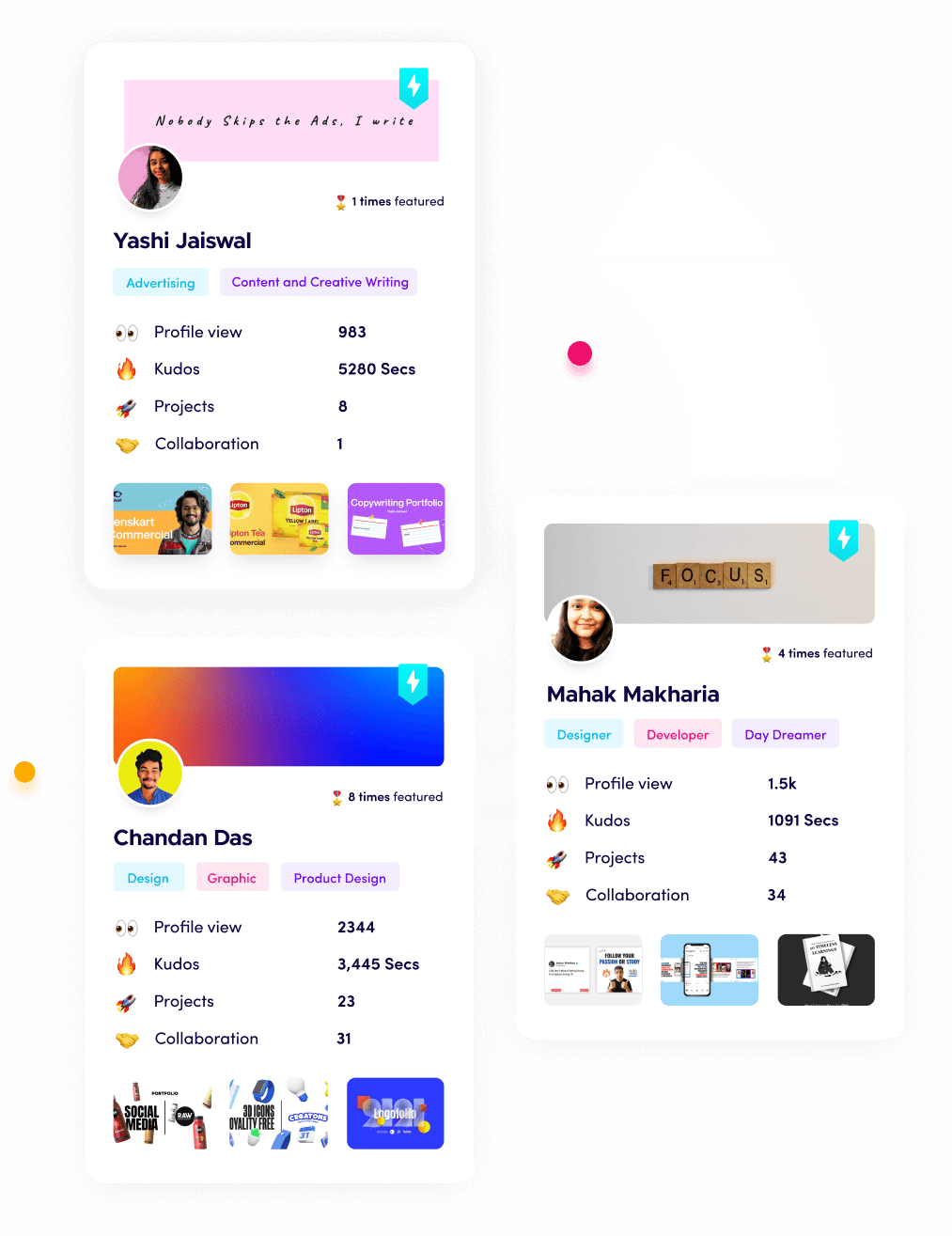
I’m Riten, founder of Fueler, a skills-first portfolio platform building the career infrastructure for 100 million creative professionals. Fueler connects talented individuals with companies through assignments, portfolios, and projects, not just resumes or CVs. Think of it as Dribbble/Behance for work samples combined with AngelList for hiring infrastructure.
When founders and marketing agencies reach out to hire creators, they never ask about GPA or college prestige. They ask a simple, direct question: “Show me what you have actually built.”
That demand for proof of work is why online cohort-based programs have exploded across India. Among them, the Tharun Speaks Video Editing Cohort created by IIT Kharagpur graduate and YouTuber Tharun Naik has become one of the most talked-about options for students, fresh graduates, and aspiring freelancers.
If you are thinking about enrolling, you likely do not care about vague marketing claims or shiny landing pages. You want to know the exact breakdown of the Tharun Speaks Video Editing Course Curriculum: what software you will open, what concepts you will study, how assignments work, and what skills you will actually walk away with after two months.

Quick Answer Summary
- Primary Software Taught: Adobe Premiere Pro (core editing), Adobe After Effects (motion graphics), DaVinci Resolve (color grading), and AI production tools.
- Core Curriculum Scope: Covers over 40 structured topics ranging from timeline setup, cutting techniques, and sound design to advanced keyframing, speed ramping, and vertical video workflows.
- Beyond Software: Direct training on storytelling psychology, hook creation, content planning, personal branding, and client acquisition.
- Learning Format: Asynchronous studio-recorded modules combined with weekly live problem-solving classes, assignment reviews, and community edit battles.
- Final Deliverable: A completed portfolio of short-form and long-form video edits designed to pitch real-world clients and land startup roles.
What is the Tharun Speaks Video Editing Cohort Curriculum?
The Tharun Speaks Video Editing Course Curriculum is a structured, project-driven learning path designed to transform absolute beginners into commercially viable video editors, visual storytellers, and motion designers within two months.
Instead of treating video editing like an isolated technical skill, the curriculum treats it as a complete business engine. It starts with the mechanics of video software, moves into viewer retention psychology, dives into audio engineering, and concludes with pitching clients and setting up a freelance practice.
TRADITIONAL YOUTUBE TUTORIALS vs. THARUN SPEAKS CURRICULUM
Traditional Tutorials:
[ Isolated Button Guides ] -> [ No Feedback ] -> [ Random Practice ] -> [ Stuck Without Clients ]
Tharun Speaks Curriculum:
[ Software Mastery ] -> [ Storytelling & Sound ] -> [ Mentor Feedback ] -> [ Portfolio & Pitching ]
The course avoids the drop-off trap common in passive pre-recorded video courses. Every module is paired with practical assignments, live review sessions, and peer challenges that keep you accountable.
Key Facts Table
Deep-Dive Module Breakdown: What Will You Actually Learn?
Let's break down the exact technical and creative progression inside the Tharun Speaks Video Editing Course Curriculum. The entire learning journey is organized into logical, skill-building phases.
Phase 1: Software Foundation, Systems & Media Management
Before you cut a single frame of video, you must learn to navigate the editing environment efficiently without slowing down your computer or losing files.
- PC Requirements & Workspace Setup: Understanding hardware limits, setting up scratch disks, managing RAM allocation, and optimizing project settings for smooth playback.
- File Organization & Metadata: How professional editors structure media bins, organize raw footage, tag clips, and maintain clean project files so timelines do not turn into chaotic messes.
- Sequence & Timeline Mechanics: Setting video resolutions (1080p, 4K), frame rates (24fps, 30fps, 60fps), understanding NTSC vs. PAL standards, and mastering essential sequence setups.
- Keyboard Shortcuts & Workflow Speed: Customizing keyboard mappings in Adobe Premiere Pro to cut editing time in half.
Phase 2: Fundamental Cutting Techniques & Visual Assembly
This phase moves away from theory and focuses on putting clips together smoothly.
- Assembling Clips & Layer Concepts: Understanding how video tracks (V1, V2, V3) and audio layers interact on the timeline.
- The Application of Tools: Deep dive into the Razor tool, Ripple Edit, Rolling Edit, Slip, and Slide tools.
- L-Cuts and J-Cuts: Mastering split edits where audio leads or lags behind the video cut, making dialogue transitions feel natural instead of abrupt.
- Pacing & Speed Control: Working with speed remapping, reverse speed, freeze frames, and time interpolation to match the energy of the narrative.
- Transitions & Match Cuts: Moving beyond cheap whip transitions to use intentional match cuts, cut-on-action, and subtle invisible cuts.
Phase 3: Sound Design, Voiceovers & Audio Engineering
A video can survive average lighting, but poor audio will instantly drive viewers away. The curriculum places heavy emphasis on audio production.
- Waveform Analysis & Audio Levels: Reading decibel meters, balancing dialogue, and preventing audio clipping or distortion.
- Voiceover Processing: Cleaning up background hums, applying equalization (EQ), compression, and vocal clarity enhancements.
- Syncing Video to Music: Editing cuts directly onto musical beats and waveform peaks to build rhythm.
- Layered Sound Design: Sourcing high-quality free and paid SFX, layering risers, whooshes, deep impacts, UI clicks, and ambient room tone to give 2D visuals tactile depth.
- Multicam Editing: Setting up and switching between multi-angle podcasts or interview setups using automated audio sync.
AUDIO ENGINEERING FLOW IN THE CURRICULUM
[ Raw Audio ]
↓
[ Noise Reduction & Cleanup ]
↓
[ EQ & Vocal Compression ]
↓
[ Beat Sync & Music Mixing ]
↓
[ Layered SFX (Risere, Impacts, UI) ]
Phase 4: Text, Motion Graphics & Visual Effects
To hold viewer attention in the modern short-form economy, you must know how to make graphic elements pop on screen.
- Kinetic Typography & Subtitles: Creating clean, engaging captions for vertical videos (Reels, Shorts, TikToks) similar to top global creators.
- Essential Graphics & Templates: Working with .mogrt files, customizing graphic templates, and building reusable lower thirds.
- Keyframe Animation: Understanding spatial and temporal interpolation, easing keyframes (Easy Ease), and adjusting velocity curves in the graph editor.
- Masking & Freeze Frames: Isolating objects, creating freeze-frame pop-outs, color mattes, and custom reveal transitions.
- Chroma Key (Green Screen): Keying out green backgrounds cleanly, cleaning up color spill, and placing talent into virtual studio environments.
- Corner Pin & Tracking: Pinning graphics or screens onto moving objects in a video frame.
Phase 5: Color Correction, Grading & Skin Tones
Raw camera footage often looks flat or mismatched. This section covers transforming flat footage into cinematic visuals.
- Lumetri Color Interface: Navigating scopes (Waveforms, Parade, Vectorscope) to judge exposure and color accuracy scientifically rather than relying on uncalibrated monitors.
- Color Correction vs. Color Grading: Fixing white balance, exposure, and contrast first before applying a creative style.
- Skin Tone Protection: Using HSL secondary curves to isolate, correct, and smooth skin tones while changing background colors.
- DaVinci Resolve Introduction: Workflow hand-offs from Premiere Pro to DaVinci Resolve for advanced node-based color grading.
Phase 6: Vertical Videos, AI Tools & Modern Formats
Editing for a 16:9 desktop screen is fundamentally different from editing for a vertical 9:16 smartphone display.
- Vertical Video Workflows: Adjusting framing, pacing, and visual density specifically for Instagram Reels, YouTube Shorts, and marketing ads.
- AI Integration in Video Editing: Using modern AI tools for auto-captioning, object removal, background generative fill, AI voice cleanup, and faster rough-cut assembly.
- Exporting Settings: Selecting optimal codecs (H.264, HEVC, ProRes), bitrates, and color space settings so uploads retain sharpness without pixelation across social platforms.
Phase 7: Storytelling, Client Acquisition & Freelancing
The final portion of the curriculum bridges technical skill with commercial business execution.
- Hook Creation & Content Packaging: Scripting, visual hooks, and story structures that maximize viewer retention rates.
- Portfolio Building: Assembling your assignment edits into a professional proof-of-work portfolio.
- Client Outreach Strategies: How to pitch YouTubers, founders, and agencies via cold email or Twitter DMs without sounding spammy.
- Pricing & Agency Building: How to price your edits, negotiate retainers, handle revisions, and scale from a solo editor into a boutique agency.
How It Works: Step-by-Step Learning Framework
The cohort does not dump 40+ videos on you and disappear. It follows an active, week-by-week learning framework:
- Watch Asynchronous Modules: You study structured video lessons covering specific techniques at your own pace during the week.
- Download Raw Footage Packs: You get access to real unedited project files, vlogs, interviews, talking head shots, or commercial footage.
- Execute Weekly Assignments: You build an edit based on a specific creative brief and submit your timeline before the deadline.
- Attend Live Problem-Solving Classes: Tharun and team host live sessions to review submissions, point out timeline mistakes, and break down viral video techniques live.
- Receive Mentor Feedback: If you are in the Elite or Ultimate tiers, assigned mentors review your timeline cut-by-cut and highlight areas to improve.
- Compete in Community Edit Battles: You enter peer challenges where everyone edits the same raw footage, competing for cash prizes, client leads, and community recognition.
- Publish Your Proof of Work: You upload your completed edits to a portfolio platform like Fueler so potential employers or clients can review your projects with zero friction.
WEEKLY COHORT EXECUTION LOOP
[ 1. Watch Modules ] ──> [ 2. Download Raw Footage ] ──> [ 3. Edit & Submit Assignment ]
[ 6. Publish on Fueler ] <── [ 5. Community Edit Battle ] <── [ 4. Live Mentor Review ]
Practical Career Outcomes: What Skills Translate into Money?
Mastering the Tharun Speaks Video Editing Course Curriculum equips you for specific, high-demand roles within the creator economy:
- Short-Form Content Specialist: Editing high-retention Reels, TikToks, and Shorts for personal brands, podcasters, and startup founders.
- YouTube Long-Form Editor: Managing full video production for creators, handling storytelling cuts, sound design, lower thirds, and thumbnail-matching hooks.
- In-House Agency/Startup Video Creator: Working inside fast-growing D2C or tech brands (like CRED, Meesho, or Unacademy) to craft high-converting performance ads and brand stories.
- Freelance Motion Designer: Creating clean lower thirds, kinetic typography, logo reveals, and custom visual overlays for commercial clients.
SKILL TO CAREER OUTCOME MATRIX
Software Skills (Premiere / After Effects) ──> In-House Startup Editor
Retention & Storytelling Mastery ──> YouTube Creator Lead Editor
Sound Design + Color Grading ──> Commercial Brand Editor
Portfolio Setup + Outreach Strategy ──> High-Ticket Freelancer
When applying for these positions, a traditional 2-page text resume is useless. Hiring managers want to see your actual video edits without dealing with slow Google Drive links or downloading heavy MP4 files.
This is where publishing your assignments on Fueler gives you an immediate advantage. By hosting your finished course edits, breakdown notes, and client briefs on Fueler, you send recruiters a clean, professional link showcasing your exact skill level. It converts your learning directly into proof of work that lands paid gigs.
Challenges & Limitations: Who Should NOT Join?
While the curriculum is thorough, it is not a silver bullet for everyone.
- Requires Decent PC Hardware: If your computer lacks a dedicated graphics card and has less than 8GB of RAM, editing in Premiere Pro and After Effects will be frustrating.
- Heavy Time Commitment: The course requires 10 to 15 hours per week of actual hands-on editing. If you cannot make time to practice, watching video modules alone will not build muscle memory.
- Third-Party Software Costs: The course fee covers the training and mentorship, but does not include an Adobe Creative Cloud subscription.
- Feedback Can Be Brutal: Mentors highlight flaws in pacing, text placement, and sound levels directly. If you take creative critique personally, the review sessions might feel uncomfortable.
Comparison: Tharun Speaks Curriculum vs. Self-Taught YouTube Learning
Final Thoughts
A course curriculum is only as good as what you build with it. The Tharun Speaks Video Editing Course Curriculum covers everything from foundational sequence setups to advanced sound design, motion graphics, and freelance pitching.
However, watching videos won't make you a great editor; cutting raw footage, making mistakes, receiving feedback, and revising your timelines will. If you go through this curriculum, do not let your assignments sit buried on your hard drive. Upload your edits to Fueler, build a clean proof-of-work portfolio, and start pitching clients with confidence.
Key Takeaways
- Comprehensive Software Training: Covers Adobe Premiere Pro, After Effects, DaVinci Resolve, and modern AI tools in 44+ modules.
- Heavy Audio Focus: Dedicated lessons on voiceover cleanup, EQ, beat syncing, and multi-layered sound design.
- Retention Psychology: Teaches viewer retention, visual hooks, kinetic captions, and dynamic pacing for vertical and horizontal video formats.
- Practical Assignments: Learning is driven by raw project files, weekly assignment submissions, and live feedback sessions.
- Monetization Module: Concludes with personal branding, portfolio creation, cold outreach strategies, and agency pricing models.

FAQs
What software is taught in the Tharun Speaks video editing cohort?
The cohort primarily teaches Adobe Premiere Pro for core video editing and Adobe After Effects for motion graphics. It also introduces DaVinci Resolve for color grading and various modern AI video tools.
Does the curriculum cover client acquisition and freelancing?
Yes, the curriculum includes dedicated modules on client acquisition, cold email pitching, portfolio creation, social media growth, and pricing strategies to help you monetise your editing skills.
Are raw footage files provided for practicing during the course?
Yes, students receive unedited raw project files, including talking head footage, podcast clips, and vlogs, to practice cuts, sound design, and color grading for weekly assignments.
Is After Effects covered in detail or just basic Premiere Pro?
The curriculum covers basic to advanced Premiere Pro editing alongside key After Effects motion graphics topics, including keyframing, typography animation, lower thirds, masking, and motion tracking.
How are assignments evaluated inside the Tharun Speaks cohort?
Depending on your plan tier, assignments are reviewed during live problem-solving classes or marked up directly by assigned mentors who provide detailed timeline feedback to improve your cuts.
Why 100,000+ professionals use Fueler
Fueler helps professionals showcase proof of work through projects, assignments, case studies, and achievements.
- Thousands of professionals use Fueler to create their digital portfolio
- Thousands of projects are published on Fueler. Check here
- Startups and Companies hire through proof of work on Fueler
- Used by freelancers, creators, marketers, video editors, writers, designers, and product managers
Our mission is to help the next 100 million professionals build a verified professional identity through proof of work

What should you do next?
You've read the article. Now turn your skills into proof of work and unlock more opportunities.
Build your proof of work portfolio
Create a clean portfolio with projects, assignments, resumes, and AI stack details that companies actually want to see.
Create your Fueler portfolio →Apply through assignments, not resumes
Stand out by solving real tasks from companies hiring on Fueler.
Explore assignments →Get discovered by companies
Make your work public and let recruiters discover your skills through actual projects instead of keywords.
Get discovered →