Top 12 DevOps Courses in Dubai (2026)

Riten Debnath
13 Mar, 2026
Dubai is sprinting toward a future where "speed to market" is the only thing that matters. Whether it's a fintech startup in the DIFC or a massive logistics firm, every business is desperately trying to automate its software delivery to stay relevant. But here is the catch: a tool is only as good as the human driving it. If you have ever wondered why software releases are still breaking stuff in 2026, it is because of a lack of true DevOps culture, not just a lack of fancy software. If you want to stop firefighting and start engineering high-performance systems, you need the right training. This list identifies the top 12 DevOps courses in Dubai that will get you job-ready.
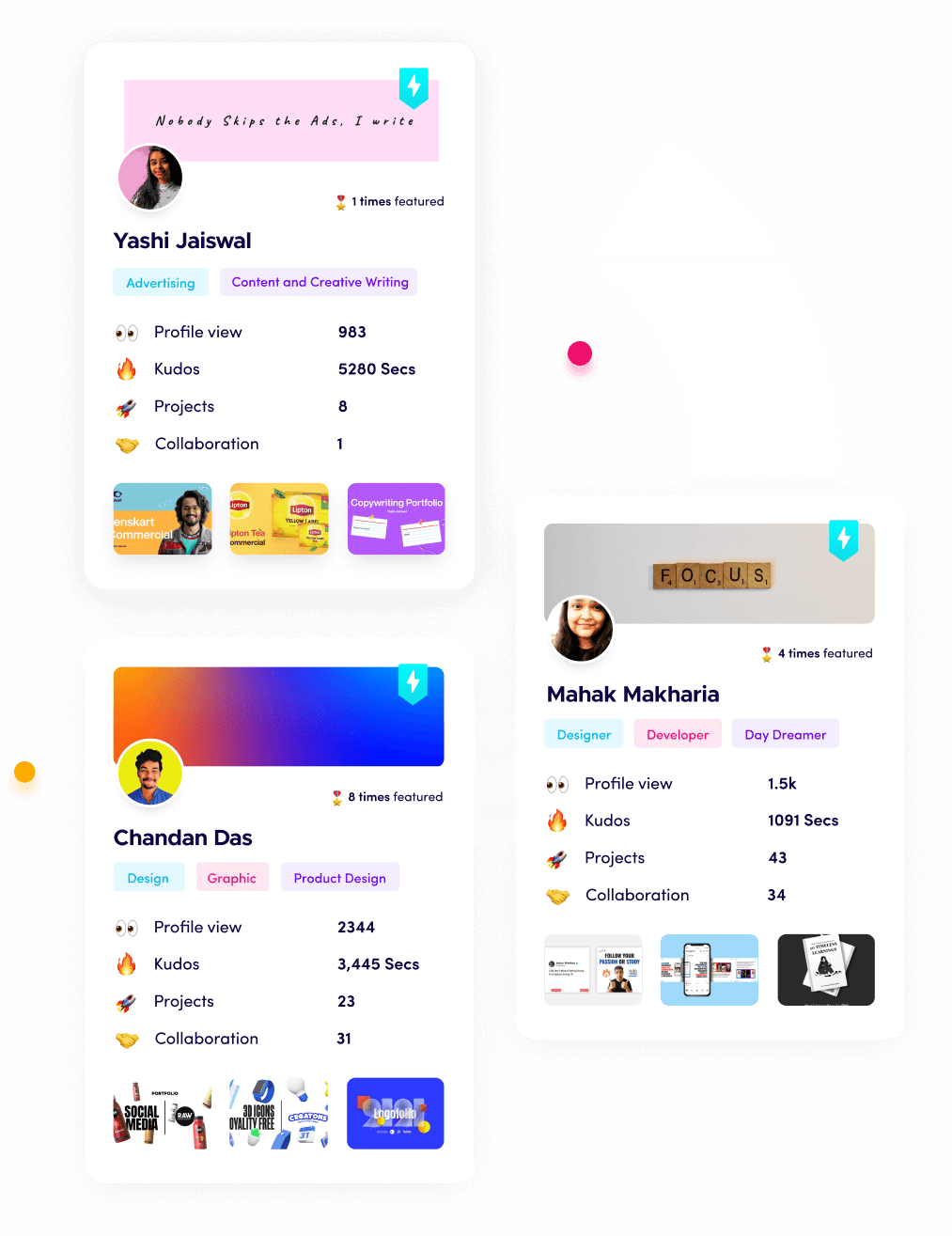
I’m Riten, founder of Fueler, a skills-first portfolio platform that connects talented individuals with companies through assignments, portfolios, and projects, not just resumes/CVs. Think Dribbble/Behance for work samples + AngelList for hiring infrastructure.
1. DevOps Practitioner Mastery by Agile4Training
This is a high-intensity corporate training program designed for those who don’t want to mess around. It covers the entire lifecycle, from Continuous Integration to cloud automation. It’s not just about learning how to type commands into a terminal; it’s about understanding the "why" behind every automated step. You will learn to build systems that actually survive the chaos of a production environment.
- You will gain hands-on experience building end-to-end CI/CD pipelines that automate everything from code commit to deployment, effectively eliminating the manual bottlenecks that typically slow down development teams in large-scale Dubai enterprises. This mastery ensures that your team can ship features significantly faster without sacrificing quality or system reliability, which is the ultimate goal of any modern, high-velocity organization operating in this competitive market.
- The curriculum provides extensive training on Infrastructure as Code (IaC) using Terraform and Ansible, teaching you how to treat your server configurations like application code. This shift allows for repeatable, version-controlled infrastructure deployments that drastically reduce configuration drift and human errors, enabling your operations team to scale up or down across cloud environments in a matter of seconds, not hours.
- You will dive deep into containerization with Docker and orchestration with Kubernetes, learning to deploy microservices at a massive scale that is robust, self-healing, and highly available. This level of technical depth is exactly what local tech leaders are hunting for, as it guarantees that your infrastructure can handle the massive spikes in traffic that occur during peak operational hours in Dubai.
- The course incorporates DevSecOps principles, teaching you how to integrate automated security scanning and compliance checks directly into your CI/CD pipelines. This proactive approach ensures that your software delivery is inherently secure, protecting sensitive financial or customer data right from the development phase and helping your organization satisfy the increasingly stringent data governance regulations mandated within the UAE region.
- You will learn to implement comprehensive monitoring and observability systems using modern industry tools, allowing you to track application health and performance in real time. This capability means you can stop being the person who reacts to system failures after they happen, and instead become the engineer who identifies and fixes performance bottlenecks before they ever impact the end user’s experience.
Why it matters: In Dubai’s rapid tech scene, knowing how to glue different technologies together is a superpower. This course gives you the "glue" skillsCI/CD, IaC, and security to make you the most valuable person in the room during any DevOps transformation.
2. DevOps Engineer Course Masters Program by Edureka
Edureka’s approach is perfect for those who want a structured, guided path. It is a comprehensive deep dive that covers everything from the basics of Linux to advanced AI-powered pipeline generation. They don't just teach you the tools; they show you how to blend them into a cohesive workflow that makes sense for a real-world business environment.
- This program provides a rock-solid foundation in Linux fundamentals, which is the non-negotiable bedrock of all DevOps work. You will learn the command-line intricacies that allow you to manage servers with surgical precision, ensuring you are never stumped by a system-level issue. Mastering the OS is the first step toward becoming a truly competent engineer who understands exactly what is happening beneath the abstraction layers of your cloud services.
- You will master version control with Git, which is essential for collaborating in a modern development team. Beyond basic commits, you will learn complex branching strategies, merge conflict resolution, and GitOps workflows that keep your team’s code organized, traceable, and deployable. This level of version control mastery prevents the "it works on my machine" nightmare that plagues so many unorganized development teams globally today.
- The course includes deep-dive modules on Jenkins for CI/CD, where you will learn to build pipelines that are modular, readable, and highly automated. You will gain the ability to chain together build, test, and deployment jobs, ensuring that every piece of code is validated automatically. This reliable pipeline is what allows teams to release updates daily instead of monthly, providing a massive competitive advantage.
- You will get hands-on experience with Docker and Kubernetes, the industry standards for containerization and orchestration. This training shows you how to package applications into light, portable containers that run exactly the same way in development, testing, and production environments, eliminating environment-specific bugs and ensuring seamless, consistent application delivery across your entire company infrastructure.
- The program keeps up with modern trends by integrating Generative AI into DevOps workflows. You will learn how to use AI to generate pipeline scripts, write test cases, and analyze logs, drastically increasing your productivity as an engineer. This forward-looking curriculum ensures you are not just learning old-school methods, but are equipped with the latest, most efficient ways to manage modern, complex technical architectures.
Why it matters: It’s a complete package. By the end, you won't just know what a tool is, you’ll have a portfolio of projects proving you can build an automated, AI-augmented delivery system, which is exactly what top-tier employers in the UAE are looking for.
3. DevOps Training by IGM Guru
IGM Guru focuses on the "from scratch" approach, making it ideal if you are transitioning from a traditional IT role. They cover the essential DevOps toolchain, including configuration management, source code management, and automated monitoring. It’s a very practical, "let’s build this" style of learning that is great for people who learn best by doing.
- You will start by mastering Source Code Management (SCM) using Git and GitHub, learning how to manage complex codebases, handle pull requests, and maintain a history of all changes. This foundational knowledge is crucial for creating a culture of accountability and collaboration, ensuring that your team can track changes accurately and revert to previous stable versions immediately if a new deployment encounters any unexpected issues.
- The curriculum provides detailed, hands-on training for Continuous Integration using Jenkins, one of the most widely used tools in the industry. You will learn how to trigger automated builds, run test suites, and notify team members upon success or failure. This constant feedback loop is the heart of a healthy DevOps culture, allowing developers to detect and fix bugs within minutes of writing the code.
- You will dive into configuration management using Ansible, learning how to automate the setup and maintenance of your server environments. Instead of manually installing software on hundreds of servers, you will write playbooks that define the desired state, ensuring consistency and reliability across your entire infrastructure. This automation is a major time-saver that allows you to focus on more strategic architectural improvements.
- The course covers containerization with Docker, teaching you how to package your applications and their dependencies into portable containers. This skill ensures your applications are resilient to environment changes, simplifying the deployment process significantly and enabling your team to move applications seamlessly between development, staging, and production environments without the traditional deployment headaches that arise from misconfigured server dependencies.
- You will learn how to implement continuous monitoring with tools like Nagios or similar frameworks, ensuring that you have full visibility into your system’s health. You will learn how to configure meaningful alerts that tell you exactly what is wrong, preventing the common problem of "alert fatigue" and allowing your team to resolve issues rapidly before they impact customer-facing services.
Why it matters: It is perfect for the "I need to learn this from the ground up" crowd. If you are tired of the gaps in your knowledge and want a clear, step-by-step roadmap to become a DevOps professional, this is your starting point.
4. DevOps Professional Course by KnowledgeHut
KnowledgeHut provides a balanced mix of theoretical concepts and practical industry-standard tools. This course is known for being highly interactive and well-suited for professionals who already have some experience in IT but need to structure their knowledge to fit the modern DevOps delivery model.
- You will master the fundamentals of Continuous Delivery, learning how to structure your release pipelines to allow for frequent, low-risk deployments that keep your stakeholders happy. This ability to deliver features consistently without breaking production is the hallmark of a high-performing DevOps team, helping you become the reliable engineer that every busy Dubai-based startup dreams of hiring today.
- The curriculum includes hands-on training for configuration management using Puppet, which allows you to define your infrastructure state and automate the ongoing management of server configurations. By using this tool, you ensure that your servers remain consistent over time, avoiding the configuration drift that often causes silent, hard-to-debug failures in large-scale, enterprise-level environments that rely on manual updates.
- You will dive into the world of virtualization and cloud computing, specifically focusing on how to manage AWS and Azure resources using scripts and templates. This practical training ensures you can programmatically provision your infrastructure, allowing you to build entire development environments in minutes rather than days, which is a massive productivity boost for any fast-moving software development team.
- The course provides extensive lessons on integrating automated testing frameworks like Selenium or JUnit into your CI/CD pipelines. By automating the quality assurance process, you ensure that every line of code is verified for correctness before it ever reaches the end user, drastically reducing the number of bugs that escape into your production environment and protecting your company’s reputation.
- You will learn to use monitoring and logging tools like Splunk or the ELK stack to gain complete visibility into your system’s performance and security posture. Mastering these observability tools allows you to proactively identify issues before they manifest as downtime, ensuring that you can maintain the high service-level agreements that modern, cloud-native businesses in Dubai expect from their engineering teams.
Why it matters: KnowledgeHut’s program focuses on the "process" side of DevOps, which is often harder to master than the tools themselves. This course helps you bridge the gap between being a "tool user" and a "process architect" for your organization.
5. DevOps Engineering Certification by Simplilearn
Simplilearn’s program is famous for its "bootcamp" style, which is perfect if you want to get certified quickly while gaining great, job-relevant skills. It covers the complete DevOps stack from A to Z, ensuring you have enough projects in your portfolio to showcase during interviews.
- You will gain extensive experience in using GitHub Actions for CI/CD, which has become the industry standard for modern software development teams. By mastering this tool, you can automate your workflows directly within your code repositories, streamlining your deployment processes and ensuring that every code change is tested and deployed with maximum efficiency and minimal human intervention at every stage.
- The program provides a comprehensive look at Infrastructure as Code (IaC) using Terraform, which is essential for managing complex cloud environments across multiple regions. You will learn to write scalable, reusable configuration files that handle everything from network creation to server provisioning, allowing you to manage large-scale cloud footprints in the UAE with the same level of control and speed as top global tech firms.
- You will master container orchestration with Kubernetes, learning how to manage thousands of containers across a cluster of servers with ease. This training covers everything from deployment strategies to service scaling and self-healing, giving you the technical capability to run even the most complex microservices-based applications without fearing the outages that typically plague poorly managed, manual cluster configurations in enterprise settings.
- The course teaches you how to implement a full-scale monitoring and observability stack using Prometheus and Grafana. You will learn to build custom dashboards that provide real-time insights into your system's resource usage, latency, and error rates, which is a critical skill for any DevOps engineer tasked with maintaining the stability of high-traffic applications in the competitive Dubai digital market.
- You will get hands-on experience in implementing robust security practices throughout your CI/CD pipeline, often referred to as DevSecOps. By automating the scanning of container images and code dependencies for vulnerabilities, you ensure that your applications are protected against the latest cyber threats, a mandatory requirement for any engineer working in the sensitive sectors of Dubai’s banking or governmental industries.
Why it matters: It is an intense, bootcamp-style course designed for people who want to fast-track their career. If you are looking to change your job and boost your salary in the next 3 to 6 months, this structure works.
6. Advanced DevOps with AWS by Koenig Solutions
Koenig Solutions offers an incredibly focused program that targets engineers who want to specialize specifically in AWS-based DevOps. This is ideal if you are already familiar with cloud concepts and want to dive deep into the specific tools AWS provides to automate and manage complex infrastructure at a massive scale.
- You will master AWS CodePipeline and CodeBuild, the native services that integrate seamlessly with your AWS resources for a frictionless CI/CD experience. By using these tools, you eliminate the overhead of managing third-party servers, instead building a fully managed, scalable deployment pipeline that handles everything from source control to production deployment with unmatched reliability and speed for your applications.
- The training includes deep dives into AWS CloudFormation, which allows you to model your entire infrastructure as a collection of resources in text files. Mastering this tool means you can create predictable, repeatable infrastructure deployments across any AWS region, ensuring that your environment is always audit-ready and compliant with the high-standard operational requirements of Dubai’s enterprise cloud customers.
- You will gain hands-on experience using AWS OpsWorks and Elastic Beanstalk for managing application deployments and scaling. These managed services take the heavy lifting out of infrastructure management, allowing you to focus on application logic while the cloud provider handles the underlying patching, scaling, and operational health of your servers, which is a major advantage for smaller teams needing massive scale.
- The course provides extensive lessons on AWS security services, specifically focusing on how to secure your CI/CD pipelines and infrastructure using IAM, Key Management Service (KMS), and Security Groups. You will learn to build a defense-in-depth architecture that keeps your cloud resources secure from both internal and external threats, fulfilling the critical data protection mandates common in the UAE business world.
- You will master advanced monitoring and alerting using Amazon CloudWatch, allowing you to build complex dashboards that provide deep insights into your infrastructure’s performance and health. By leveraging these powerful, native monitoring capabilities, you can ensure that your applications stay performant and available, identifying and resolving potential bottlenecks before they degrade the end-user experience for your customers in the region.
Why it matters: This course is for the "AWS purist." If the company you work for or want to work for is 100% on AWS, this course makes you the internal expert who knows how to optimize their spend and speed.
7. DevOps Pipeline Automation by ExitCertified
ExitCertified focuses on the "automation" part of DevOps more than any other provider. If you feel like your current job involves too many manual "clicks" to get a deployment done, this course is designed specifically to give you the skills to replace those clicks with automated code-based triggers.
- You will learn to build highly sophisticated deployment pipelines using GitLab CI/CD, a tool that offers an integrated experience for source code, testing, and deployment. By moving your entire development workflow into GitLab, you create a unified environment that encourages collaboration and transparency, significantly reducing the friction that often exists between different teams in large, siloed organizations across Dubai’s corporate landscape today.
- The curriculum provides deep practical training on using shell scripting and Python to automate common DevOps tasks. You will learn how to write custom automation scripts that handle everything from server cleanup to log rotation, effectively eliminating the boring, repetitive chores that take up too much of your time and allowing you to focus on building better, more resilient infrastructure.
- You will master the art of automated testing within your pipeline, including how to integrate unit, integration, and performance tests that run automatically on every code commit. This level of automated quality assurance is vital for maintaining the stability of your production systems, ensuring that only high-quality, bug-free code is deployed to your users, thereby enhancing your brand’s overall reputation in the market.
- The course covers the implementation of Infrastructure as Code (IaC) using Terraform, with a specific focus on managing complex, multi-environment setups. You will learn how to create configurations that work for development, staging, and production environments, ensuring consistency across the board and reducing the risk of environment-specific bugs that can cause significant downtime and lead to costly delays in your release cycles.
- You will learn how to use advanced logging and log-aggregation tools to monitor the success and failure of your automated pipelines in real time. By having full visibility into your deployment process, you can quickly identify and troubleshoot any issues that arise, ensuring that your automation remains robust and that your software delivery remains fast, reliable, and consistent over the long term.
Why it matters: This is the best course for engineers who are tired of manual work. It is purely focused on efficiency, and by the end, you’ll be able to automate almost any part of your job.
8. Docker and Kubernetes Mastery by Udemy (Dubai-Local Instructor Led)
While Udemy is a platform, there are several top-rated, Dubai-based instructors offering hybrid workshops through local training centers. This course is for the hands-on engineer who wants to master containers without any fluff. It is arguably the most technical course on this list, focused purely on the core of modern DevOps: containerization.
- You will master the fundamentals of Docker, learning how to create lightweight, immutable container images that simplify the application delivery process. This ability to package code with all its dependencies means you never have to worry about "dependency hell" or environment-specific configuration bugs again, allowing your development and operations teams to work together seamlessly to deliver reliable updates to your company’s platforms.
- The training provides deep-dive lessons on Kubernetes architecture, covering everything from pods and services to controllers and custom resource definitions. You will learn how to design clusters that are inherently resilient, self-healing, and capable of scaling automatically, which is the gold standard for running high-traffic web applications in the cloud without needing a large, expensive team of engineers to monitor them.
- You will gain hands-on experience in managing container networking and storage, two of the most complex aspects of Kubernetes. Understanding how to handle persistent data and cross-pod communication is what separates a beginner from a production-ready Kubernetes expert, and this knowledge is crucial for deploying data-heavy applications that need to remain performant and available under the intense pressure of high-frequency user traffic.
- The course covers the implementation of helm charts for managing complex Kubernetes applications, allowing you to version and share your deployment configurations easily. By using helm, you can automate the installation and configuration of even the most sophisticated applications in your cluster, ensuring that your deployments are consistent, repeatable, and easy to manage as your technical infrastructure continues to grow over time.
- You will learn how to troubleshoot complex cluster issues using native Kubernetes tools like kubectl logs, describe, and events, as well as third-party observability tools. This problem-solving capability is essential for any DevOps engineer, as it allows you to quickly isolate the root cause of service disruptions and implement effective, long-term fixes that maintain your application’s uptime in the challenging, fast-paced environment of Dubai.
Why it matters: Containers are the future. If you want to be a DevOps engineer in 2026, you cannot skip this. This course is laser-focused and gives you the exact skills needed to manage the systems that every tech company is building.
9. DevOps Foundation Course by DevOps Institute
This is the "official" entry point into the culture. If you are a project manager, team lead, or someone looking to lead a DevOps transformation in your company, this is the course for you. It focuses less on the terminal commands and more on the people, process, and culture aspects of success.
- You will master the core principles of the DevOps culture, including how to break down the silos between your development and operations teams to create a more collaborative and efficient working environment. This cultural change is often the hardest part of any DevOps transformation, and by understanding these principles, you can effectively lead your organization toward a more unified, high-performing software development lifecycle.
- The curriculum covers the essential DevOps practices of Continuous Improvement, or Kaizen, helping you understand how to continuously evaluate and refine your processes to eliminate waste and increase productivity. This mindset shift is invaluable for any team lead, as it allows you to identify the bottlenecks in your delivery process and implement incremental changes that result in a faster, more reliable, and higher-quality software product.
- You will learn how to use metrics and key performance indicators (KPIs) to measure the success of your DevOps transformation, such as deployment frequency, lead time for changes, and mean time to recovery. By tracking these numbers, you can demonstrate the value of your efforts to stakeholders, justify your investment in new tools, and continue to improve your team’s performance using concrete, data-backed insights.
- The course provides training on how to foster a "blameless" culture where failures are treated as learning opportunities rather than occasions for punishment. This psychological safety is essential for high-performing teams, as it encourages innovation, allows for faster experimentation, and ensures that when issues inevitably occur, the focus remains on fixing the process rather than pointing fingers at individual team members.
- You will gain knowledge of how to integrate DevOps practices with existing frameworks like ITIL or Lean, allowing you to bridge the gap between traditional IT management and modern agile delivery. This ability to align your DevOps initiatives with the broader goals of your organization is critical for ensuring long-term success and getting the necessary support from leadership to scale your efforts across different business units.
Why it matters: Tools change, but culture lasts. If you want to be a DevOps leader, you need to understand how to change a company's mindset, not just their servers.
10. Site Reliability Engineering (SRE) Foundation by Skillsoft
SRE is effectively the "advanced" version of DevOps, focusing on stability and scale. This course is for those who want to work for companies like Careem or other high-growth firms in the region where even a minute of downtime is extremely expensive. It is the gold standard for building resilient systems.
- You will master the concept of Service Level Objectives (SLOs) and Error Budgets, which are the fundamental tools SREs use to balance the need for new features with the need for system reliability. By managing these budgets, you learn how to make data-driven decisions about when to pause feature development to focus on stability, ensuring that your platform remains as reliable as possible for your users.
- The training provides hands-on lessons on how to build and maintain highly resilient systems, focusing on techniques like circuit breaking, rate limiting, and graceful degradation. These advanced architectural patterns are critical for keeping your services online even when underlying components fail or experience surges in traffic, providing a superior experience for your users and maintaining your company's high reputation in the market.
- You will gain proficiency in post-mortem analysis and incident management, learning how to conduct thorough reviews of system failures to prevent them from recurring in the future. This rigorous approach to learning from mistakes is what makes an SRE valuable, as it directly translates into a more stable and reliable infrastructure that can withstand the unpredictable nature of complex, large-scale, modern software applications.
- The course covers the implementation of automation for "toil" reduction, identifying and automating the repetitive manual tasks that consume an engineer's time. By reducing toil, you allow your team to focus on high-impact projects that improve the architecture, performance, and security of your systems, making your team significantly more productive and more effective at driving long-term improvements in your platform's overall design.
- You will learn to use sophisticated monitoring and alerting frameworks that provide granular insights into your system's performance, enabling you to detect and resolve issues before they escalate into full-blown incidents. This proactive approach to reliability engineering is essential for managing the high-stakes, large-scale systems that form the digital backbone of Dubai’s most successful technology companies, ensuring constant availability and optimal performance at all times.
Why it matters: SRE is where the money is. It is a highly specialized, highly paid career path. If you want to work at a scale that is "impressive," this is the training you need.
11. Certified Jenkins Engineer (CJE) by CloudBees
Jenkins is the most widely used automation server in the world. This course focuses entirely on mastering Jenkins, from simple build jobs to complex, scalable pipeline architectures. If you work in a legacy-heavy environment, Jenkins is likely the backbone of your automation, and this course makes you the boss of it.
- You will master the configuration of Jenkins masters and agents, learning how to build a scalable architecture that can handle thousands of concurrent build and deployment jobs. This expertise is crucial for large organizations where development teams are constantly pushing code, and ensuring that your automation server can handle the load without failing is key to keeping the entire development process moving smoothly and reliably every day.
- The training covers the creation of declarative pipelines using Groovy scripts, allowing you to define complex deployment workflows as version-controlled code. This move to pipeline-as-code ensures that your deployment processes are consistent, transparent, and easy to maintain, reducing the risk of errors and enabling your team to evolve their automation rapidly to meet the changing needs of your organization over time.
- You will gain deep expertise in Jenkins security, including how to manage user access, implement role-based security, and secure the build environment from malicious code. As Jenkins is often a high-value target for attackers, having the ability to lock down your automation server and ensure that only authorized users can trigger deployments is a critical skill for any security-conscious DevOps engineer in the UAE.
- The course provides extensive lessons on integrating Jenkins with a wide variety of tools, including Docker, Kubernetes, AWS, and Git. By becoming a master of these integrations, you can create a seamless, unified development experience that connects every part of your DevOps toolchain, allowing you to automate the entire path from code change to production deployment with speed, efficiency, and confidence in every step.
- You will learn how to troubleshoot complex Jenkins issues, including pipeline failures, build errors, and performance bottlenecks, using native monitoring and diagnostic tools. This ability to quickly identify and fix problems in your automation pipeline is what sets an expert apart, ensuring that your software delivery remains fast and reliable and that your team can continue to ship updates without interruption.
Why it matters: Jenkins isn't going anywhere. It’s the "engine" of most enterprise pipelines. Being the resident Jenkins expert means you are the person who keeps the entire release process from crashing.
12. GitOps with ArgoCD and Flux by Linux Foundation
GitOps is the absolute cutting edge of DevOps in 2026. This course teaches you how to manage your Kubernetes clusters by simply "pushing code to Git." It is the cleanest, most modern way to do DevOps, and companies in Dubai are currently scrambling to hire people who know how to do this.
- You will master the GitOps philosophy, where your Git repository becomes the single source of truth for your entire infrastructure and application state. By using this approach, you create a fully auditable and reproducible system where every change to your environment is tracked in Git, making it trivial to see what changed, why it changed, and who made the change, enhancing both security and accountability.
- The training provides hands-on experience in using ArgoCD to synchronize your Kubernetes cluster state with your Git repository. This automated synchronization ensures that your live environment always matches your declared configuration, effectively eliminating manual errors and configuration drift and allowing your team to deploy updates with absolute confidence that what is in Git is exactly what is running in your production cluster.
- You will gain expertise in implementing automated rollbacks using GitOps tools, allowing you to revert to a previous, known-good state just by reverting a commit in Git. This ability to recover from failures in seconds rather than minutes or hours is a massive advantage for any organization that values uptime, enabling your team to move fast while maintaining a safety net that protects your service availability.
- The course covers the implementation of multi-cluster GitOps workflows, allowing you to manage deployments across different regions or environments from a single, centralized Git repository. This capability is essential for large-scale, geographically distributed organizations in the UAE that need to maintain consistency across their cloud deployments while still having the flexibility to customize configurations for specific local needs when necessary.
- You will learn how to integrate GitOps with your existing CI/CD pipelines, creating a hybrid approach that leverages the best of both automated testing and declarative infrastructure management. By combining these powerful methodologies, you create a robust, reliable, and highly efficient deployment process that is ready for the future of cloud-native computing, positioning you as an expert in the most modern DevOps techniques currently available today.
Why it matters: This is the future. Every company that is "doing DevOps right" is moving to GitOps. Learning this now puts you years ahead of engineers who are still stuck on old-school, manual, or script-heavy deployment methods.
Showcase Your Expertise with Fueler
You can do all the courses in the world, but if your knowledge is trapped in a folder on your laptop, companies won't know you can actually perform the role. Fueler helps you build a professional portfolio of your real-world DevOps projects. Whether it’s a GitHub repository for a Terraform-provisioned infrastructure, a dashboard you built for system monitoring, or a blog post explaining how you fixed a complex CI/CD pipeline bug, Fueler lets you show not just hiring managers that you are the real deal.
Final Thoughts
The DevOps market in Dubai is not slowing down; it is evolving. Companies are moving away from hiring "generalist IT staff" and are exclusively looking for engineers who can automate, scale, and secure their delivery pipelines. If you have been on the fence about starting your DevOps journey, 2026 is the year to jump in. Pick a course, commit to the labs, and more importantly, document your journey on a platform like Fueler. Your next big career move depends on your ability to prove your skills, and the best way to do that is through your work samples.
Frequently Asked Questions
1. Is DevOps certification really necessary for a job in Dubai?
While not strictly "required" by every company, a certification significantly boosts your resume in a crowded market. It acts as a standardized proof of your knowledge, especially when moving from a different IT role into DevOps, and often helps you get past the automated HR screening filters that many large UAE companies use.
2. Can I get a DevOps job if I don't have a background in coding?
You will need to learn some level of scripting (Python, Bash, or PowerShell) because DevOps is essentially "Infrastructure as Code." You don't need to be a software developer, but you must be comfortable reading and writing basic code to automate tasks, as manual configuration is no longer accepted in professional DevOps environments.
3. Which tools are most important to learn for the Dubai market?
Focus on the "Big Three" of infrastructure: Cloud (AWS or Azure), Containerization (Docker and Kubernetes), and Automation/IaC (Terraform and Ansible). If you can show a project that uses these three to deploy a sample application, you will be ahead of 90% of other applicants in the region.
4. How much do DevOps engineers make in Dubai in 2026?
Salaries vary widely based on experience, but a competent DevOps engineer in Dubai can expect to earn between AED 20,000 and AED 40,000 per month. Senior roles and those with specialized security (DevSecOps) or cloud architecture certifications can command even higher packages, as they are essential for enterprise operations.
5. How do I practice DevOps without an enterprise-scale company?
Use the free tiers of cloud providers like AWS or Azure. You can build small, multi-server environments for almost zero cost. The goal is to build something small, break it, automate the fix, and document the entire process in your portfolio. That "break-fix" experience is exactly what interviewers love to discuss.
What should you do next?
You've read the article. Now turn your skills into proof of work and unlock more opportunities.
Build your proof of work portfolio
Create a clean portfolio with projects, assignments, resumes, and AI stack details that companies actually want to see.
Create your Fueler portfolio →Apply through assignments, not resumes
Stand out by solving real tasks from companies hiring on Fueler.
Explore assignments →Get discovered by companies
Make your work public and let recruiters discover your skills through actual projects instead of keywords.
Get discovered →