Top 10 High-Income Courses for Global Professionals (2026)

Riten Debnath
14 Mar, 2026
In 2026, nobody cares about your degree as much as they care about what you can actually build by next Tuesday. The era of "apply and pray" is dead. Companies are terrified of falling behind and are hunting for proof of work, not just paper qualifications. If you’re still hiding behind a generic resume, you’re just screaming into a digital voidit’s time to stop chasing jobs and start making them chase you.
I’m Riten, founder of Fueler, a skills-first portfolio platform that connects talented individuals with companies through assignments, portfolios, and projects, not just resumes/CVs. Think Dribbble/Behance for work samples + AngelList for hiring infrastructure.
1. Artificial Intelligence and Machine Learning Engineering
AI isn't just a buzzword for tech bros in hoodies; it is the new electricity. Every single business, from the local grocery chain to global investment banks, is trying to figure out how to use AI to stop wasting money and start making more of it. If you can show them how to build an AI model that cuts their workload by half, they won’t care about your GPA. They will just want to know when you can start.
- You will learn to write code that makes computers actually think, which includes mastering Python libraries like Scikit-learn and TensorFlow to build systems that predict what customers will buy before they even know it themselves. This is the foundation of turning raw, messy data into actual, predictable business value that keeps companies profitable in an increasingly competitive global landscape.
- The course teaches you to build automated workflows that handle massive amounts of data, replacing the boring, repetitive manual tasks that usually keep office teams stuck in the mud for hours every day. By eliminating these bottlenecks, you save the company money and allow your colleagues to focus on high-level strategy rather than mindless data entry or report formatting.
- You will dive deep into fine-tuning Large Language Models, which is the secret sauce for building custom internal chatbots that can answer client questions or summarize complex legal documents in mere seconds. Being able to tailor these models to a company’s specific voice and data means you are providing a bespoke solution that generic software tools simply cannot match.
- You will gain a practical understanding of how to clean and feed data to machines, because even the most expensive AI in the world is useless if the information you give it is messy, inconsistent, or just plain wrong. This skill is critical because businesses have mountains of bad data, and being the person who can sanitize it makes you immediately indispensable to leadership.
- The training includes deploying these models into real cloud environments, proving you can take a cool idea from a notebook on your desk and turn it into a live feature that millions of people can use. Employers love this because it shows you aren't just an academic researcher but a builder who understands how to put working products into production.
Why it matters: Businesses are absolutely desperate for people who can bridge the gap between "this AI stuff is cool" and "this AI stuff is actually making us money." By mastering these skills, you stop being just another employee and start being the person who drives the company's competitive advantage, which is a one-way ticket to a much higher paycheck.
2. Advanced Data Science and Business Analytics
Most people look at a spreadsheet and see a nightmare; a data scientist looks at it and sees a treasure map. Companies are drowning in data, but they have no idea what it actually means. If you can take a pile of random numbers and turn them into a simple, clear story that convinces a CEO to change their strategy, you become the most valuable person in the building.
- You will master complex SQL queries, which are the bread and butter of pulling specific, useful information out of the giant, confusing digital filing cabinets that every major company uses to store their history. Being able to extract exactly what you need without waiting three days for an IT ticket to be processed makes you incredibly fast and efficient.
- You will learn to build interactive dashboards in tools like Power BI or Tableau that act like a car’s speedometer for a business, showing leaders exactly how fast they are growing or where the engine is starting to smoke. These visual tools translate raw, boring numbers into colors and charts that allow executives to make split-second decisions that keep the company ahead of its competitors.
- The curriculum forces you to get comfortable with statistics, so you can tell the difference between a real business trend and just a random coincidence, helping your team avoid making expensive mistakes based on gut feelings. Having the math to back up your claims gives you the authority to challenge bad ideas and suggest better paths forward, which is a trait that senior leaders truly value.
- You will develop the art of data storytelling, which is the human skill of explaining complex math to non-technical managers in plain English so they can actually act on your findings without needing a PhD to understand you. If the boss cannot understand your analysis, they will not use it, so your ability to simplify the complex is what actually converts your work into business results.
- You will work on projects where you clean up "dirty" datasets that are full of errors, proving you have the patience and the technical skill to transform a chaotic mess into a clean, organized source of truth. Data hygiene is a massive problem for global firms, and by cleaning the pipes, you ensure that the entire company’s decision-making process is based on accurate, reliable evidence.
Why it matters: Companies have stopped guessing and started measuring everything. If you are the person who provides the data they use to make their biggest moves, you will never be out of a job. It is the ultimate high-income skill because it is directly tied to saving money or increasing revenue.
3. Professional Cybersecurity and Ethical Hacking
The more we put our lives on the internet, the more people try to steal, break, or lock up our data. Cybersecurity is not just for the IT department anymore; it is a top priority for every single CEO. If you can show a company exactly where their digital front door is left unlocked and show them how to bolt it shut, they will pay you a premium to keep them safe.
- You will master the basics of network security, learning how to monitor traffic, spot suspicious behavior, and block unauthorized access before a hacker can steal a single byte of sensitive customer information. This proactive defense is vital for companies that handle thousands of transactions every day and cannot afford the reputation damage or financial loss of a major breach.
- The course teaches you the "hacker mindset," which is the secret to finding the exact weaknesses in a web application or server that a malicious attacker would try to exploit for their own gain. By learning to think like the bad guys, you can create security patches that are significantly more robust than those built by people who only understand traditional, defensive security protocols.
- You will gain hands-on experience with incident response, which is the high-stress, high-stakes process of containing a cyberattack when it actually happens, ensuring the company can keep operating while the threat is being neutralized. This ability to stay calm and execute a recovery plan under pressure is one of the most sought-after qualities in senior security architects today.
- The curriculum covers cloud security, specifically how to protect data stored on massive platforms like AWS and Azure, where most modern global businesses host their critical infrastructure. Understanding how to manage permissions, encryption, and secure configurations in the cloud is a massive gap in the current job market, and filling it will immediately set you apart from other candidates.
- You will perform regular compliance audits to ensure the company is following all the necessary international data protection laws, saving the firm from massive fines and lawsuits that can follow a data privacy slip-up. Being the person who understands the legal and technical side of compliance is a unique combination that makes you a critical asset to the legal and engineering departments alike.
Why it matters: Digital security is a never-ending war, and the good guys are always short on talent. By getting certified in this field, you are basically buying yourself an insurance policy for your career, as companies will always pay top dollar to prevent the disaster that could bankrupt them overnight.
4. Full-Stack Web Development Nanodegree
The internet is basically the front door for every business on the planet. This course teaches you to build that front door, the furniture inside, and the pipes running under the floor. It is about taking an idea in a product manager’s head and turning it into a functioning, beautiful website that millions of people can use on their phones without it crashing.
- You will become a master of the front-end "look and feel," using modern frameworks like React to build interfaces that are snappy, mobile-friendly, and so intuitive that your grandma could figure them out on the first try. Being able to build interfaces that actually feel good to use is what keeps customers on a site and keeps them coming back instead of clicking over to a competitor.
- The course dives into backend magic, teaching you how to write server-side code using Node.js or Python to handle logins, process payments, and store user data safely in a database. This is where you make the "app" actually "do" things, and understanding how to structure this code so it doesn't break when a thousand users show up at once is a highly prized skill.
- You will learn to manage databases like PostgreSQL, which are the backbone of every serious web application, ensuring that user information is stored securely and can be retrieved instantly. Being the person who knows how to design a database that is fast, scalable, and secure is like being the foundation engineer of a digital skyscraper. Nobody sees your work, but if you do it wrong, the whole building falls down.
- You will get hands-on with deployment tools like Docker and Kubernetes, which allow you to push updates to a live website or app without making the service go offline for your users. This level of professional engineering, knowing how to ship code reliably, is exactly what startups and massive corporations are looking for, because they need to be able to fix and change things at a moment's notice.
- You will build multiple end-to-end projects that you can actually show off, like a fully functional e-commerce store or a complex social network clone, which is your proof that you can handle a project from start to finish. Recruiters don't care about a "web developer" certificate; they care about the link you send them that lets them click around on a live product you built with your own two hands.
Why it matters: If you can build a full application by yourself, you are a one-person startup. Companies love developers who can handle the whole stack because it is cheaper and faster for them than hiring a specialist for every tiny piece of the project. If you can ship, you can earn.
5. Digital Marketing and Growth Strategy
Marketing in 2026 isn't just about coming up with a clever slogan or printing a billboard; it is a math-heavy game of tracking, testing, and optimizing every single cent you spend. This course teaches you how to run ads that actually make money, optimize websites to show up at the top of Google, and use data to make every visitor more likely to turn into a paying customer.
- You will learn the dark arts of SEO, which is how you get your website to show up when someone searches for a solution on Google without paying for every single click. Mastering this means you are delivering consistent, high-quality traffic to your company’s site for free, which is the kind of long-term growth that keeps business owners awake at night with excitement.
- The training covers paid advertising on Google and Meta, where you learn how to set up hyper-targeted campaigns that only reach the people who are actually ready to buy. This is all about testing different headlines and images to see what gets the best reaction, so you can stop wasting the company’s budget on ads that don't work and double down on the ones that bring in huge returns.
- You will build automated email workflows that nurture leads and guide them from just "looking" to "buying" with personalized messages that hit their inbox at exactly the right time. Learning to set up these systems allows a small team to handle thousands of customers, creating a scalable sales engine that works for you even while you are asleep.
- The curriculum dives deep into analytics, where you use tools like Google Analytics to track exactly where your customers come from, what they click on, and why they decide to leave. This is the difference between guessing what your customers want and knowing exactly what they are doing, giving you the power to make changes that improve revenue in real-time.
- You will develop a growth-hacking mindset, which means constantly running little experiments to see if changing a button color, updating a headline, or testing a new offer can drive more sales. This is about being the person who consistently finds new ways to boost performance, which makes you a profit-generating machine that companies are always fighting to hire.
Why it matters: Every business needs more customers. If you can prove that you know how to spend a marketing budget and get back a multiple of that money in profit, you are essentially printing cash for your employer. It is the most direct path to a high income because your value is measured in clear, beautiful numbers.
6. Cloud Computing Architect (AWS/Azure)
The days of companies having their own dusty server rooms in the basement are dead. Everything is in the cloud now, and it is a massive, complex, and expensive world that needs someone to manage it. This course teaches you how to build systems on AWS or Azure that can handle millions of users without crashing, all while keeping the costs low so the company doesn't go broke.
- You will master cloud architecture, learning how to design systems that are "highly available," which basically means they never go down, no matter how many people try to use them at once. Being the architect of a system that can handle a global spike in traffic without breaking a sweat is a skill that makes you a god in the eyes of any tech company.
- The training teaches you how to manage cloud storage and networking in a way that is secure, fast, and scalable, ensuring that all of the company’s files and data are protected from both hackers and accidental deletion. This is about making sure that the company’s "digital home" is built on solid ground, so they don't have to worry about losing their assets or their speed as they grow.
- You will learn "Infrastructure as Code," which means writing scripts that automatically build and configure your cloud servers instead of clicking through a dashboard for hours. This automation saves the company hundreds of hours of manual work and ensures that their entire setup is consistent, repeatable, and very easy to fix if something goes wrong.
- The curriculum covers cost optimization, which is probably the most important thing you can do for a boss. Cloud bills can get out of control fast, and if you are the engineer who knows how to spot wasted resources and cut the monthly bill by 20% without hurting performance, you just saved the company more money than your entire yearly salary.
- You will work on migration projects, where you take an old, slow, and expensive legacy system and move it into a modern, fast, and cheap cloud environment. This is a high-stakes, high-reward task that every major corporation in the world is currently trying to figure out, and having this on your portfolio is proof that you can handle the most complex engineering projects they have.
Why it matters: Cloud is the foundation of the modern internet. Companies are spending massive amounts of money on it, and they are terrified of doing it wrong. If you can be the person who makes their cloud fast, secure, and cheap, they will pay you almost anything you ask.
7. Strategic Project Management (PMP)
A great idea is just a dream if you don't have a plan to execute it. This course teaches you how to herd cats or, more accurately, how to lead cross-functional teams of engineers, marketers, and designers to deliver a project on time and within budget. It is about organization, communication, and the art of getting people to do what needs to be done without losing your mind.
- You will master Agile and Scrum methodologies, which are the standard "rules of the road" for modern project teams to move fast, iterate, and adapt to changes without losing focus. Understanding these frameworks allows you to keep a team productive and organized, even when the project’s requirements are changing every single week.
- The training covers scope, schedule, and budget management, teaching you how to build a realistic plan that doesn't just look good on paper but actually works in the real world. Being the one who knows how to predict delays and manage resources efficiently means you are the reason a project crosses the finish line on time, which is something that companies value more than almost anything else.
- You will learn the soft skills of stakeholder management, which is really just fancy talk for "keeping the bosses and clients happy and informed." Being able to explain bad news before it becomes a disaster, and knowing how to steer meetings to a productive outcome, is the secret to getting promoted and trusted with larger, more important projects.
- The curriculum emphasizes risk management, where you learn to identify what could go wrong before it actually happens and have a "Plan B" ready to go. This makes you a stabilizer for the teamsomeone who stays calm in a crisis and has a path forward, which is a rare and highly valued leadership trait in any fast-paced company.
- You will prepare for the PMP certification, which is a globally recognized badge of honor that tells every recruiter on earth that you know how to run a project professionally. It is like having a "project management" license that proves you understand the universal language of business execution, opening doors to companies in every industry across the globe.
Why it matters: Projects fail all the time because of bad communication or lack of planning. By becoming a pro at project management, you become the person who makes the impossible happen, which is an invaluable skill for any organization that wants to scale.
8. UX/UI Design for Digital Products
Design is not about making things "look pretty"; it is about making things "work well." This course teaches you the psychology of how humans interact with websites and apps. It is about understanding the user’s frustration, mapping out their journey, and designing an interface so simple and intuitive that it feels like the product can read their mind.
- You will learn to conduct user research, which means interviewing real people to figure out what they actually want, not what you think they want. This foundational skill prevents you from building "cool" features that nobody uses and helps you focus on solving the specific, annoying problems that are actually holding your users back from buying or interacting.
- The course teaches you to build high-fidelity prototypes in Figma, which are essentially "fake" apps that look and act exactly like the real thing. This allows you to test your ideas with users and get their feedback before a single line of expensive code is written, saving the company tons of money by catching mistakes early in the design process.
- You will develop a "design system," which is a library of buttons, fonts, and layouts that ensures every page of the app looks consistent and professional. This makes the developer’s job much easier because they don't have to guess how a button should look on every page, which leads to a faster and much cleaner final product.
- The curriculum covers accessibility, teaching you how to design for people with different visual or physical needs, which is not only the right thing to do but is also a legal requirement in many parts of the world. Being the designer who knows how to make the internet work for everyone is a massive competitive advantage and a sign of a truly senior professional.
- You will build a portfolio of end-to-end design case studies that show the "problem," the "user research," your "prototypes," and the final "outcome." Showing that you can take a mess of requirements and turn it into a clear, beautiful, and easy-to-use interface is what convinces hiring managers that you know how to deliver a finished product.
Why it matters: You can have the best code in the world, but if nobody can figure out how to use your app, your business is dead. Companies need designers who understand the human side of technology and can turn a complex product into something that customers love to use.
9. Financial Modeling and Corporate Strategy
Every big decision in a business comes down to math. Should we launch this new product? Should we enter this new country? Should we hire ten more people? This course teaches you how to build Excel models that simulate the future, helping leadership teams decide which bets are worth making and which ones will lose them money.
- You will master advanced Excel and financial modeling, learning how to structure complex spreadsheets that can forecast revenue, profit, and cash flow for years into the future. Being able to build a model that changes as you update the assumptions is a superpower that allows you to see the business from 30,000 feet and spot opportunities that everyone else missed.
- The training covers the "three-statement model," which is how you link the income statement, balance sheet, and cash flow statement together so they all balance perfectly. This is the gold standard for understanding the financial health of a company, and knowing how to build it makes you an essential partner to the CFO and the executive team.
- You will learn valuation techniques, which is how you figure out what a business or a specific project is actually worth today. Whether you are doing mergers and acquisitions or just evaluating a new investment, knowing the math behind how to price an asset is one of the most high-paying skills in the finance and strategy world.
- The curriculum emphasizes scenario analysis, which is how you build "what-if" models like what happens to our profit if our costs go up by 10% or if our sales drop in Europe? This ability to stress-test a business strategy is what makes you the person who protects the company from surprises and helps them build a plan that is resilient no matter what happens in the market.
- You will learn to turn complex financial outputs into clear, executive-ready presentations that explain why the company should take a specific path. The math is just the beginning; the real skill is being able to tell a story with that data that convinces leadership to authorize a million-dollar investment based on your recommendation.
Why it matters: If you can help a CEO avoid a million-dollar mistake or spot a million-dollar opportunity, you are essentially buying your own ticket to the top. Financial modeling is the language of business, and if you speak it fluently, you will always be in the room where the big decisions are made.
10. Supply Chain and Logistics Optimization
The world is a complicated place, and getting a product from a factory in one country to a customer in another is a logistical nightmare. This course teaches you how to optimize the flow of goods, manage inventory, and handle disruptions so that companies can keep their promises to customers even when things go wrong in the real world.
- You will master the fundamentals of supply chain planning, learning how to balance the delicate act of having enough products in stock without having too much money tied up in unsold inventory. This balance is what makes or breaks a retail or manufacturing business, and learning how to get it right using data is an incredibly valuable operational skill.
- The training covers logistics and transportation, teaching you how to negotiate with carriers, choose the best shipping routes, and navigate the complex web of global trade regulations. Understanding how to move goods quickly and cheaply across borders is the difference between a company that dominates its market and one that is constantly failing to get products to its customers on time.
- You will learn to identify and mitigate risks, such as a supplier going out of business or a major shipping route getting blocked. Having a "Plan B" for your supply chain is what separates amateur companies from the ones that survive global disruptions, and being the engineer of that resilience makes you the protector of the company’s ability to sell.
- The curriculum focuses on data-driven optimization, where you use software tools to simulate your supply chain and find the hidden inefficiencies that are costing the company money. If you can shave 5% off the shipping cost for a company that moves millions of units, you have effectively paid for your own salary ten times over.
- You will gain experience in using modern supply chain management software, which is the "brain" that tracks everything from raw materials to final delivery. Knowing how to run and interpret these platforms allows you to make evidence-based decisions that keep the company’s operations running like a Swiss watch, even when the world is chaotic.
Why it matters: In a global economy, the supply chain is the backbone of every physical business. If the product isn't there, you can't make money. Companies need smart people who can handle the complexity of global logistics and keep the goods moving, no matter what obstacles appear.
Final Thoughts
The common thread through all these courses is not just the certificate you get at the end, but the proof of work you build during the process. In 2026, recruiters do not want to read that you "know Python"; they want to see the link to your repository where that Python code is solving a live problem. This is where Fueler changes the game. By aggregating your projects, assignments, and work samples into a single, professional portfolio, you stop competing on resume keywords and start competing on actual capability. Your portfolio is your new resume, so fill it with evidence of your skills.
FAQs
1. Which are the best free tools to learn AI skills in 2026?
There are several high-quality free resources, including Google’s AI learning paths, Coursera’s "AI for Everyone," and fast.ai for deep learning. The key is to use these to build projects and showcase your work on platforms like Fueler.
2. How do I use AI to help with exam preparation and certification?
You can use AI tools to generate practice quizzes, summarize dense technical documentation, and explain complex concepts in simpler terms. However, always verify technical facts with official course material to ensure total accuracy.
3. Do I need a college degree to get hired in international markets?
Increasingly, no. While degrees still hold weight, international companies are prioritizing skills and portfolios. If you can demonstrate mastery of a high-income skill through real-world projects, you can compete for top jobs regardless of your formal academic background.
4. What is the most high-paying remote job skill in 2026?
Currently, skills at the intersection of AI, data, and cybersecurity are the highest paying. Roles like AI Engineer, Data Scientist, and Cloud Security Architect command top-tier salaries globally because they solve the most critical technical problems companies face.
5. How can I start a portfolio if I have no job experience?
Start by taking a course, then immediately apply the skills to a side project, a clone of a popular app, or an open-source contribution. Document your process, share your code or results, and put it on a platform like Fueler to show recruiters you have the "proof of work" they need.
What is Fueler Portfolio?
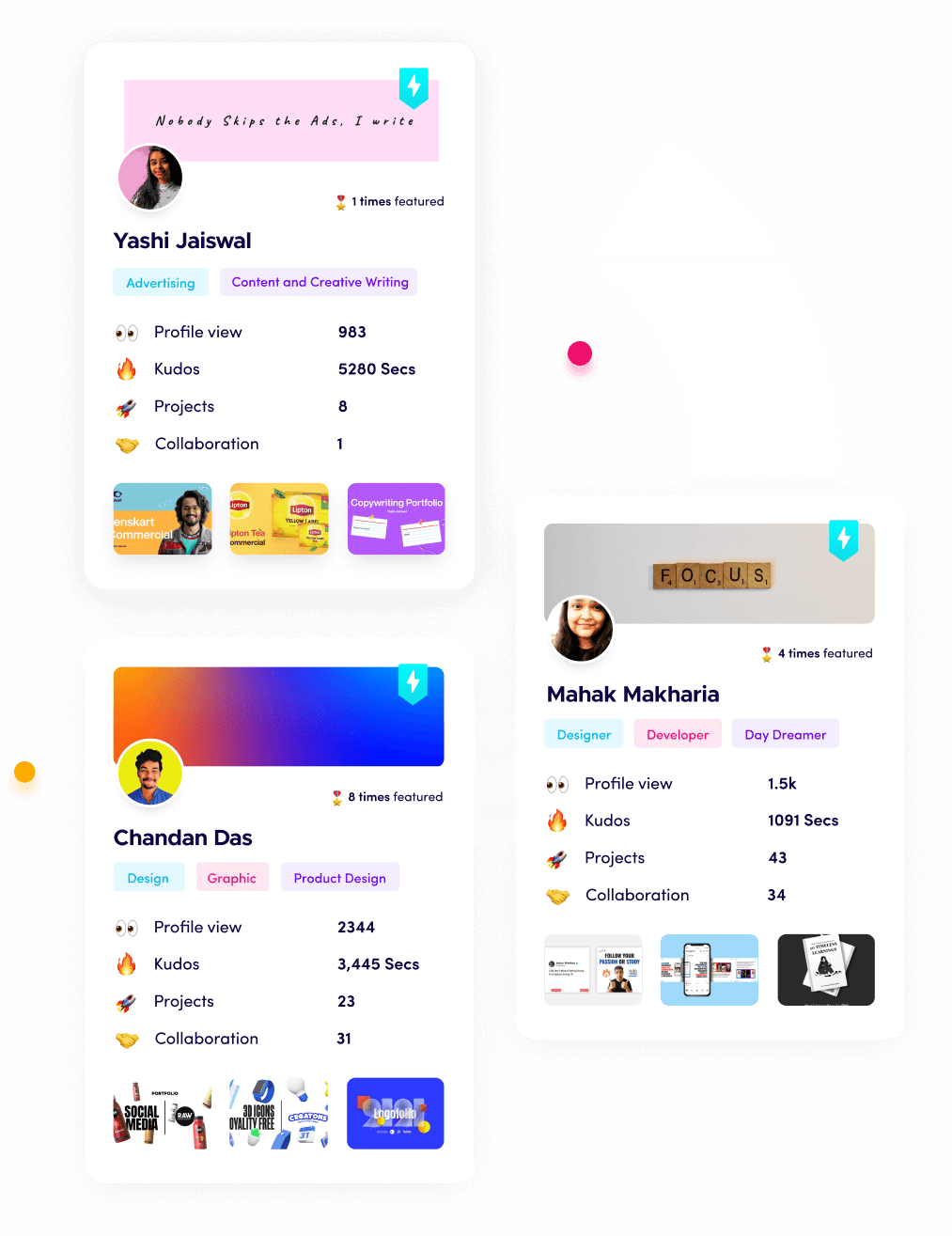
Fueler is a career portfolio platform that helps companies find the best talent for their organization based on their proof of work. You can create your portfolio on Fueler. Thousands of freelancers around the world use Fueler to create their professional-looking portfolios and become financially independent. Discover inspiration for your portfolio
Sign up for free on Fueler or get in touch to learn more.

What should you do next?
You've read the article. Now turn your skills into proof of work and unlock more opportunities.
Build your proof of work portfolio
Create a clean portfolio with projects, assignments, resumes, and AI stack details that companies actually want to see.
Create your Fueler portfolio →Apply through assignments, not resumes
Stand out by solving real tasks from companies hiring on Fueler.
Explore assignments →Get discovered by companies
Make your work public and let recruiters discover your skills through actual projects instead of keywords.
Get discovered →