Top Mobile App Development Trends Businesses Should Watch in 2026

Riten Debnath
13 Mar, 2026
Ever tried to open an app and it took so long to load that you actually had time to contemplate your life choices, reconsider your haircut, and wonder if your high school crush ever got that tattoo? Yeah, we have all been there. In 2026, if your business app is still acting like a moody teenager who refuses to get out of bed, you are essentially handing your customers over to the competition with a "Good Luck" card. The mobile world has moved past "cool features" and entered the era of "don't make me wait or I’m out."
I’m Riten, founder of Fueler, a skills-first portfolio platform that connects talented individuals with companies through assignments, portfolios, and projects, not just resumes/CVs. Think Dribbble/Behance for work samples + AngelList for hiring infrastructure.
The Rise of Master Frameworks: Flutter and React Native
In the old days, you had to build two separate apps for iPhone and Android, which was basically like trying to raise twins who speak different languages and have completely different diets. Cross-platform frameworks have finally matured in 2026, allowing developers to write one codebase that works everywhere without looking like a cheap imitation. Flutter and React Native are leading the charge, giving businesses the power to launch faster and save a mountain of cash without sacrificing that buttery-smooth feel users crave.
- Single Codebase Efficiency Across All Devices: Building with these frameworks means you only need one team of developers to write the logic that powers both your iPhone and Android versions. Instead of wasting months managing two separate projects with two different sets of bugs, you can focus on a single stream of work. This approach cuts down on the constant back and forth between teams and ensures that a feature update you launch today is available to every single one of your customers at the exact same moment.
- Hot Reloading for Faster Development Cycles: One of the most beloved features in 2026 is the ability for developers to see their code changes reflected instantly on their screens without restarting the entire app. This is not just a neat trick, it actually transforms the way teams work by allowing them to experiment with new designs or fix annoying layout issues in real time. This instant feedback loop dramatically reduces the time spent on trial and error, making the development process feel much more like painting a canvas than building a bridge.
- Massive Ecosystem of Pre-Built Components: Flutter and React Native have grown so large that they now offer an incredible library of ready-to-use parts for almost any feature you can imagine. Whether you need a complex payment gateway, a sleek photo gallery, or a map integration, there is a high-quality plugin already tested by thousands of other developers. This means your team doesn't have to spend weeks building basic building blocks from scratch, allowing them to spend their time on the unique features that actually make your business stand out.
- Consistent Visual Performance for Every User: Because you are using a unified set of instructions, your app’s user interface looks and behaves identically regardless of the phone your customer is holding. In the past, Android versions often felt like the "clunky cousin" of the iOS version, but in 2026, cross-platform tools ensure high-quality animations and layouts across the board. This consistency builds a stronger brand image because your users get the same premium experience whether they are on a high-end flagship or a budget-friendly device.
- Drastically Reduced Long-Term Maintenance Costs: The biggest drain on a mobile budget is usually the cost of keeping the app alive after it launches. With a cross-platform approach, you only have one codebase to monitor for security updates, performance patches, and new operating system requirements. Instead of paying for double the maintenance every year, you keep your overhead low and your technical debt manageable, which is a massive win for any business looking to stay profitable while keeping their digital tools fresh and functional.
Why it matters
In 2026, speed to market is the only metric that truly dictates who wins. Using these frameworks allows a startup to go from a "crazy idea" to a "live app" in half the time it used to take. For established businesses, it means your brand remains consistent across all devices, ensuring that no customer feels like a second-class citizen just because of the phone they chose to buy.
Ironclad Mobile Security Strategies
If your app handles user data today, you aren't just a business; you are a digital bodyguard. Hackers in 2026 are smarter than ever, and security is no longer a "boring back-end thing" but a front-and-center trust signal. If users don't feel safe, they won't even finish the sign-up process. Moving toward advanced biometrics and zero-trust systems is the only way to keep the digital burglars at bay while keeping the experience smooth for your actual customers.
- Seamless Biometric Authentication Integration: Gone are the days of forcing users to remember 15-character passwords that include a symbol, a number, and their first pet's middle name. In 2026, top-tier apps use face and fingerprint recognition as the primary way to get in. This isn't just about being "cool," it is about providing a security layer that is nearly impossible for a random hacker to bypass while making the login process take less than a second for the legitimate owner of the phone.
- Advanced API Security and Encryption: Your app is constantly talking to servers in the background to fetch data, and those "conversations" are exactly where hackers like to listen in. Modern security strategies involve wrapping every single piece of data in high-level encryption and using secure tokens that expire quickly. By protecting these communication channels, you ensure that even if a bad actor tries to intercept the data, all they see is a scrambled mess of nonsense that is completely useless to them.
- Implementing Zero-Trust Architecture Principles: The "Zero Trust" model operates on a simple but effective philosophy: never trust, always verify. Every time an app tries to access a sensitive feature, like a saved credit card or a private message, the system re-checks who is asking and why. This prevents a situation where one small security hole gives a hacker the keys to the entire kingdom, as they are constantly challenged at every internal door they try to open within the application's ecosystem.
- Real-Time Threat Detection and Monitoring: Instead of waiting for a breach to happen and then apologizing for it, 2026 apps use smart monitoring tools that look for weird behavior as it happens. If someone tries to log in from three different countries in ten minutes, or starts downloading data at a suspicious speed, the app can automatically lock the account or trigger an extra verification step. This proactive approach stops attacks in their tracks before they can do any real damage to your users or your reputation.
- Tamper-Proofing and Code Hardening: Developers are now using specialized tools to "hide" the internal logic of their apps, making it incredibly difficult for hackers to reverse-engineer the code and find weaknesses. By hardening the application's shell, you make it an unattractive target for digital criminals who would rather move on to an easier, less protected app. This extra layer of physical-style protection ensures that your intellectual property and your users' privacy remain under lock and key at all times.
Why it matters
Chicago based app developers from Simpalm agency believe that: Security isn't just a checkbox for your IT team; it is the foundation of your customer relationship. In a world where data leaks make front-page news every week, being the "safe" option is a massive competitive advantage. If your app feels like a fortress, your users will feel comfortable spending more time and money within your digital walls.
Performance Optimization for Instant Gratification
In 2026, "loading" is a dirty word. If your app takes more than two seconds to show something useful, your user has already opened TikTok or started looking for a competitor. Performance optimization is about more than just fast code; it is about managing resources so the app doesn't turn the user's phone into a pocket-sized heater or drain their battery before lunch. A fast app feels like a luxury product, even if the service itself is simple.
- Intelligent Asset Caching and Loading: Instead of making the user wait for every image and piece of text to download every time they open a page, smart apps in 2026 pre-load the most important stuff in the background. By storing frequently used data directly on the device, the app can show content instantly while it quietly fetches the newer bits. This creates a "no-wait" experience where the user never sees a spinning circle, making the whole interface feel incredibly snappy and responsive.
- Efficient Battery and Resource Management: Nothing makes a user delete an app faster than seeing it at the top of their "Battery Usage" list. Optimization in 2026 involves making sure the app isn't doing unnecessary work when it is sitting in your pocket. By carefully managing background tasks and only waking up the phone's processor when absolutely necessary, you ensure that your app provides value without being a burden on the device’s hardware, which keeps users happy and your app installed.
- Optimized Network Requests for 5G and Beyond: While 5G is fast, it isn't everywhere, and a well-optimized app knows how to handle shaky connections without crashing. Developers are now designing apps to send smaller, more focused "packets" of data instead of massive files. This means that even if a user is in a basement or on a train, the app continues to function smoothly by prioritizing the most important information first and filling in the rest as the connection improves.
- Minimizing Main Thread Congestion: Think of the "main thread" as the app’s brain that handles everything the user sees and touches. If you try to do a complex math problem or download a big file on that same thread, the screen will freeze and feel "laggy." High-performance apps offload the heavy lifting to "background workers," leaving the UI free to react instantly to every tap and swipe. This separation of duties is what makes an app feel professional rather than amateur.
- Reducing App Size with Modular Delivery: No one wants to download a 500MB app just to order a coffee. In 2026, businesses are using "modular" setups where only the core features are downloaded initially, and other parts (like a rarely used settings menu or a help section) are fetched only when the user actually needs them. This smaller initial download size means more people are likely to hit that "Install" button because it won't eat up their entire data plan or storage space.
Why it matters
A fast app isn't just a technical achievement; it is a respect for the user's time. In 2026, friction is the enemy of conversion. Every millisecond you shave off your loading time increases the likelihood that a user will complete a purchase or sign up for a service. Performance is the silent engine that drives your business's digital growth.
User-Centric UI/UX Design for 2026
Design in 2026 has moved away from just "looking pretty" and toward "being invisible." The best interfaces are the ones you don't even have to think about using. We are seeing a shift toward design that adapts to the user's environment, whether they are walking in bright sunlight, sitting in a dark room, or using a foldable phone that changes shapes. It is about empathy and making sure the technology serves the human, not the other way around.
- Adaptive Layouts for Foldables and Multi-Screens: With phones that can fold out into tablets and screens of all different shapes, a fixed design is a recipe for disaster. 2026 design is "liquid," meaning the app's layout shifts and reorganizes itself instantly based on the screen size. This ensures that a user can start a task on their small front screen and finish it on a larger unfolded screen without losing their place, providing a truly seamless transition that feels like magic.
- High-Intent Micro-Interactions and Feedback: Small details like a gentle vibration when a payment goes through or a smooth animation when you swipe a card away make an app feel "alive." These micro-interactions aren't just for show; they provide vital feedback to the user that the app heard them and is doing what they asked. In 2026, these subtle cues reduce user anxiety and make the digital experience feel more like interacting with a physical object, which builds a much deeper emotional connection.
- Accessibility as a Core Feature, Not an Afterthought: True user-centric design means your app is usable by everyone, including people with vision or hearing impairments. This involves high-contrast color modes, support for screen readers, and large, easy-to-tap buttons. In 2026, being inclusive isn't just a legal requirement; it is a sign of a high-quality brand. When your app works perfectly for everyone, you open your business up to a much wider audience and show that you care about every customer.
- Dark Mode and Eye-Comfort Customization: Since we spend so much time looking at screens, eye fatigue is a real problem. Apps in 2026 offer sophisticated dark modes and even "warm light" settings that change based on the time of day. By giving users control over how the app looks, you make the experience more comfortable for long-term use. This isn't just about aesthetics; it is about making sure your app is a pleasant place to be, which naturally increases the time users spend inside it.
- Simplified, Zero-Friction Onboarding Flows: The "first date" with your app happens during the onboarding process, and if it is too complicated, there won't be a second date. In 2026, top apps use "progressive disclosure," which means they only ask for information when they absolutely need it. Instead of a long 10-step form, you let the user explore the app first and only ask for an email or payment info when they are ready to buy, which significantly lowers the barrier to entry.
Why it matters
You can have the most powerful code in the world, but if the user can't figure out how to use it, it is worthless. Great design in 2026 is about removing the "tech" from the experience and letting the user achieve their goals effortlessly. When an app is easy and enjoyable to use, customers don't just use it once; they make it a part of their daily routine.
How Fueler Helps You Stay Ahead
As the world of mobile development gets more complex, showing what you can actually build becomes more important than just having a degree or a fancy job title. This is where Fueler comes in. Whether you are a developer mastering Flutter or a designer creating the next big UI trend, Fueler allows you to showcase your actual work samples, assignments, and projects in a professional, skills-first portfolio. It helps you prove to potential clients or employers that you don't just know the trendsyou know how to build them.
Final Thoughts
The mobile landscape in 2026 is all about blending high-end performance with a human touch. By focusing on cross-platform efficiency, ironclad security, and a design philosophy that puts the user's comfort first, your business can build an app that doesn't just survive but thrives. Technology should be a bridge, not a barrier, and the trends we have discussed today are the blueprints for building that bridge. Stay fast, stay safe, and always keep the human on the other side of the screen in mind.
FAQs
Which cross-platform framework is best for startups in 2026?
Both Flutter and React Native are excellent choices, but Flutter is often preferred for its incredible UI consistency, while React Native is great if your team is already familiar with JavaScript.
How can I make my mobile app more secure for users?
Start by implementing biometric login and ensuring all data moving between the app and your server is encrypted. Using a "Zero Trust" model is the gold standard for 2026.
Why is my app draining user batteries so fast?
This usually happens because of too many background tasks or the app "waking up" the phone's processor too often. Optimizing your background services is the key to saving battery life.
Is dark mode still a requirement for apps in 2026?
Absolutely. It is no longer just a trend but a standard feature that users expect for eye comfort and to save battery on modern OLED screens.
What is the most important UI trend for businesses today?
Adaptive design that works across different screen sizes (like foldables) and focuses on accessibility are the most important trends for reaching the widest possible audience.
What is Fueler Portfolio?
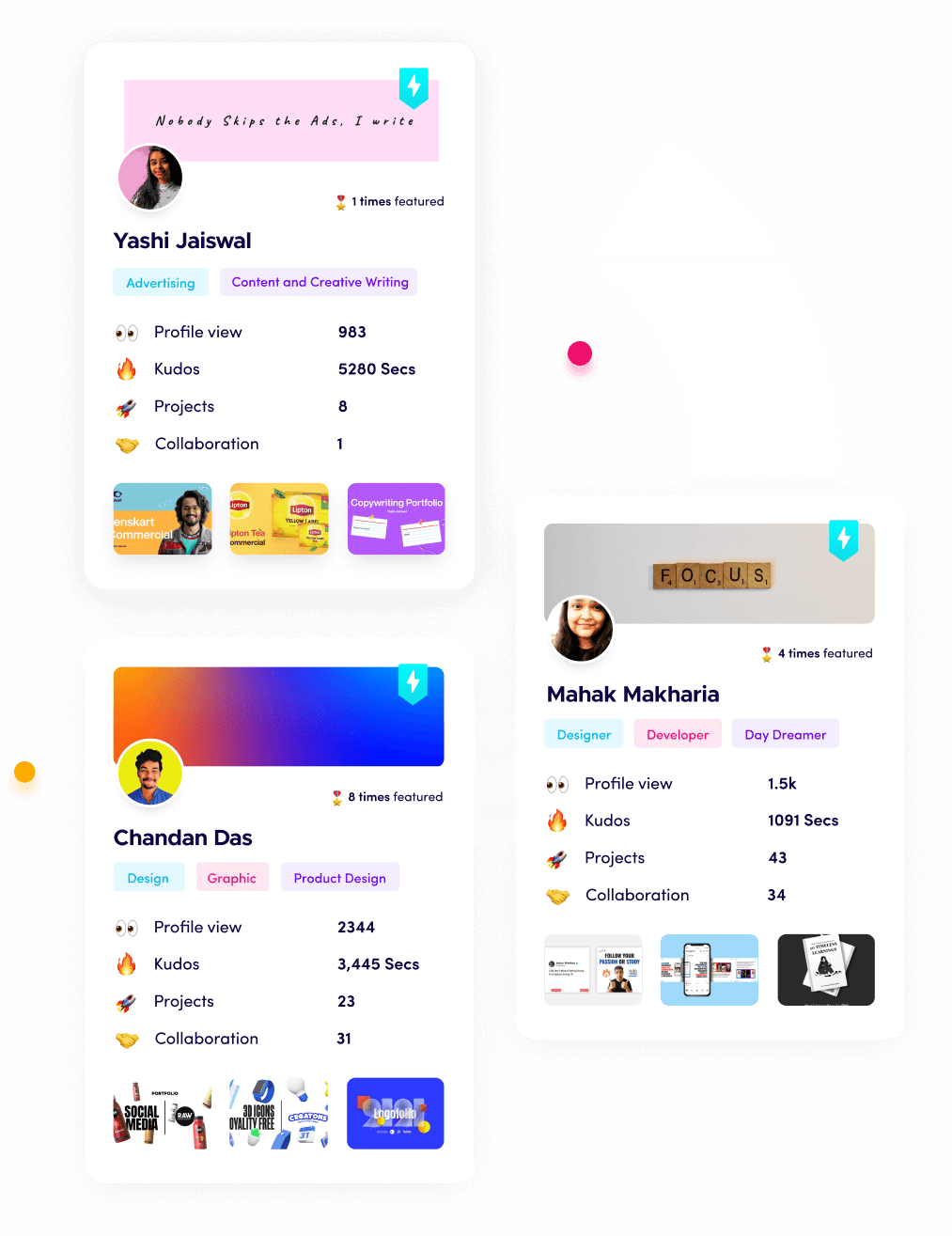
Fueler is a career portfolio platform that helps companies find the best talent for their organization based on their proof of work. You can create your portfolio on Fueler. Thousands of freelancers around the world use Fueler to create their professional-looking portfolios and become financially independent. Discover inspiration for your portfolio
Sign up for free on Fueler or get in touch to learn more.

What should you do next?
You've read the article. Now turn your skills into proof of work and unlock more opportunities.
Build your proof of work portfolio
Create a clean portfolio with projects, assignments, resumes, and AI stack details that companies actually want to see.
Create your Fueler portfolio →Apply through assignments, not resumes
Stand out by solving real tasks from companies hiring on Fueler.
Explore assignments →Get discovered by companies
Make your work public and let recruiters discover your skills through actual projects instead of keywords.
Get discovered →