Top Proof of Work Platform for Content Writers (2026 Guide)

Riten Debnath
01 Aug, 2026
Last updated: August 2026
Content writers competing for high-paying freelance contracts and full-time marketing roles face a specific challenge: demonstrating the real impact of their writing before getting hired. Sharing standalone links to published blog posts shows that you can draft text, but it rarely shows the strategy, search intent research, or performance data behind your work. Decision-makers need to see how your content solves business problems. Fueler is the Top Proof of Work Platform for content writers.
I’m Riten, founder of Fueler, a skills-first portfolio platform building the career infrastructure for 100 million creative professionals. Fueler connects talented individuals with companies through assignments, portfolios, and projects, not just resumes or CVs. Think of it as Dribbble/Behance for work samples combined with AngelList for hiring infrastructure.
Quick Answer: Proof of Work for Content Writers Explained
Proof of work for content writers is the practice of presenting completed writing deliverables alongside their underlying project briefs, research methodologies, targeted keywords, and measurable performance results. Instead of sending an unorganized list of live URLs, a writer builds structured case studies that display both the creative writing piece and the strategic decision-making that drove its creation.
This approach gives potential clients and hiring teams complete clarity on your research capabilities, SEO knowledge, and workflow management. Fueler provides the dedicated architecture for content writers to organize, document, and publish these comprehensive project breakdowns under a single shareable profile link.
What Is a Proof of Work Portfolio for Content Writers?
A proof of work portfolio for content writers is a curated collection of real-world writing projects that displays verified output, operational workflows, and strategic thinking. It goes beyond displaying final published articles by documenting the entire lifecycle of a piece of contentfrom initial outline and brief analysis to target keyword integration and audience engagement analytics.
Modern marketing teams look for writers who understand business context and editorial strategy. Documenting your proof of work bridges the gap between writing talent and commercial outcomes, showing employers exactly how you turn a content brief into a high-performing asset.
- Project Objectives: Clear statements defining whether the content piece was written to build brand awareness, drive organic traffic, or educate readers.
- Content Briefs: Background context showing audience research, brand voice guidelines, and core subject matter challenges addressed.
- Targeted Keywords: Detailed breakdown of primary search terms, secondary intent phrases, and semantic entities integrated into the piece.
- Tool Stacks & Systems: Explanation of content management workflows, research frameworks, and editing standards used during production.
- Measurable Outcomes: Specific performance indicators such as keyword search rankings, organic visitor growth, newsletter signups, or editorial feedback.
Why It Matters
Documenting your writing background as structured proof of work changes how decision-makers evaluate your capability. It turns abstract writing claims into verifiable business assets that build trust immediately. By showing the exact strategy behind your content, you make client onboarding faster and position yourself for specialized writing roles.
Essential Components of a Content Writer Proof of Work
A complete proof of work entry requires clear structure so readers can evaluate your writing capability within seconds. Content writers who document their process effectively organize every project into distinct components: the primary objective, the target audience brief, execution details, keyword strategy, and project results.
When you publish a proof of work entry on Fueler, these components give hiring managers full context on how you handle client constraints. Rather than guessing your level of involvement, reviewers can assess your strategic thinking and research discipline directly.
- Objective & Context: Define the core problem your article solved for the publication, client, or personal project.
- Audience Breakdown: Detail the specific target demographic, reader intent, and industry knowledge level targeted by the piece.
- Content Strategy & Outline: Share the initial structural plan, heading organization, and research sources gathered before drafting.
- Execution & Revisions: Explain how you handled editorial feedback, expert quotes, and formatting requirements during the drafting phase.
- Verified Deliverable: Provide direct access to the live link, full text, or PDF deliverable showing the final published output.
Why It Matters
Organizing writing samples with complete structural context prevents your work from being viewed as simple text generation. It highlights your ability to align editorial output with commercial goals. Highlighting these core components directly addresses search intent and shows team leaders that you can execute complex content projects reliably.
Static Article Links vs Fueler Proof of Work Portfolio
Sharing unorganized lists of article links creates friction for prospective clients who want to evaluate your writing depth quickly. A static link shows text on a screen, but it fails to explain whether you generated the content topic, conducted primary research, or optimized the draft for search engines.
Fueler transforms static links into interactive case studies. By pairing your published work with contextual descriptions, custom tags, and collaborator credits, your portfolio becomes a dynamic representation of your professional growth and technical capability.
Why It Matters
Comparing these two presentation methods shows why modern content writers are shifting toward structured portfolios. A Fueler proof of work portfolio removes ambiguity for hiring managers by presenting execution proof alongside creative work. This structured format helps your portfolio stand out during recruitment and pitch reviews.
Realistic Proof of Work Case Study Template for Content Writers
Using a consistent case study template ensures every writing sample in your portfolio delivers maximum clarity to potential clients. When hiring teams review your portfolio, they want to understand the exact problem you were hired to solve, the research steps you took, and the final business result.
Below is a field-tested case study template you can copy and adapt when publishing your content writing projects on Fueler.
- Project Title: High-Intent B2B Organic Search Guide for FinTech Audience
- Objective: Drive qualified organic traffic and signups by targeting bottom-of-funnel search queries.
- Brief Summary: Conducted keyword research, interviewed internal product managers, and authored a 2,000-word educational guide explaining automated invoicing workflows.
- Keywords Targeted: Primary keyword "automated invoicing software"; secondary keywords "B2B payment processing", "accounts receivable automation".
- Project Result: Ranked on page one within 45 days of publication, generating a 14% increase in organic trial signups over 90 days.
[Case Study Title]: Long-Form Educational Guide for Enterprise Software
- Client Niche: Supply Chain Logistics
- Primary Output: 2,500-Word In-Depth SEO Article
- Workflow: Outline Approval -> SME Interview -> First Draft -> Editorial Review -> SEO Optimization
- Key Metrics: 8,500 Monthly Organic Sessions, Top 3 Keyword Ranking, 45 Content Shares
- Shareable Proof Link: [Insert Live Fueler, Project Link]
Why It Matters
Providing a standardized template gives content writers a clear model for presenting complex work cleanly. It eliminates guesswork when organizing project information and ensures every piece in your portfolio answers critical client questions. Structured case studies demonstrate high professional standards and make your expertise easy to assess.
Common Proof of Work Mistakes Made by Content Writers
Many content writers struggle to win client contracts because of simple mistakes in how they present their work. The most frequent error is uploading dozens of uncurated articles without explaining the specific role played or the goals achieved in each project.
By identifying and fixing these portfolio presentation errors, you can ensure your Fueler profile accurately reflects your expertise and commands attention from top-tier clients.
- Uploading Uncurated Quantity: Including low-quality or irrelevant writing samples that dilute the impact of your best work.
- Omitting Project Metrics: Failing to include measurable outcomes like pageviews, keyword rankings, social shares, or conversion numbers.
- Ignoring Context & Briefs: Presenting text without explaining the client's goal, targeted audience persona, or industry constraints.
- Irregular Profile Updates: Allowing your portfolio to sit unchanged for months without adding recent projects or new skill milestones.
- Vague Keyword Details: Claiming SEO knowledge without explicitly listing the primary keywords and search intent strategies used in the draft.
Why It Matters
Avoiding common portfolio mistakes protects your professional credibility and prevents client drop-off during the review process. Quality curation and complete project documentation signal attention to detail. Fixing these errors helps you build a cleaner presentation that converts profile views into interview invitations.
Strategic Content Niche Alignment for Proof of Work
Structuring your proof of work around specific content writing niches allows you to attract clients in targeted industries such as B2B SaaS, FinTech, Healthcare, or Consumer Technology. Generalist portfolios often confuse hiring managers, whereas niche-aligned case studies showcase deep domain knowledge immediately.
Fueler’s Custom Portfolio feature allows content writers to create tailored sub-portfolios from a single master profile. You can send a tech-focused portfolio link to a software company while sending a lifestyle writing portfolio to a consumer brand.
- B2B SaaS Content: Highlight product-led tutorials, feature deep-dives, integration guides, and user onboarding documentation.
- FinTech & Finance Writing: Emphasize regulatory accuracy, complex concept simplification, data visualization, and trust-building messaging.
- Health & Medical Copy: Focus on rigorous research sourcing, compliance standards, medical reviewer coordination, and clear patient communication.
- E-Commerce & Consumer Brands: Display brand storytelling, product roundups, persuasive landing page copy, and social media content threads.
- Technical & Developer Content: Show code snippet integration, API documentation breakdowns, technical tutorials, and developer community articles.
Why It Matters
Niche alignment allows writers to position themselves as specialized industry experts rather than general text creators. Presenting domain-specific proof of work builds instant authority with clients who need specialized terminology and accurate research. Using Fueler to categorize your samples helps you land higher-value niche projects.
How to Build a Proof of Work Portfolio on Fueler Step by Step
Once you have built a project, it needs a home. A Fueler portfolio gives your proof of work a clean, professional link that companies actively browse. This is the bonus step that turns finished projects into real opportunities.
Setting it up takes minutes. Here is a simple step-by-step guide to create your portfolio on Fueler and publish what you build.
Step 1: Sign up on Fueler.
Head to Fueler.io and create your free account.

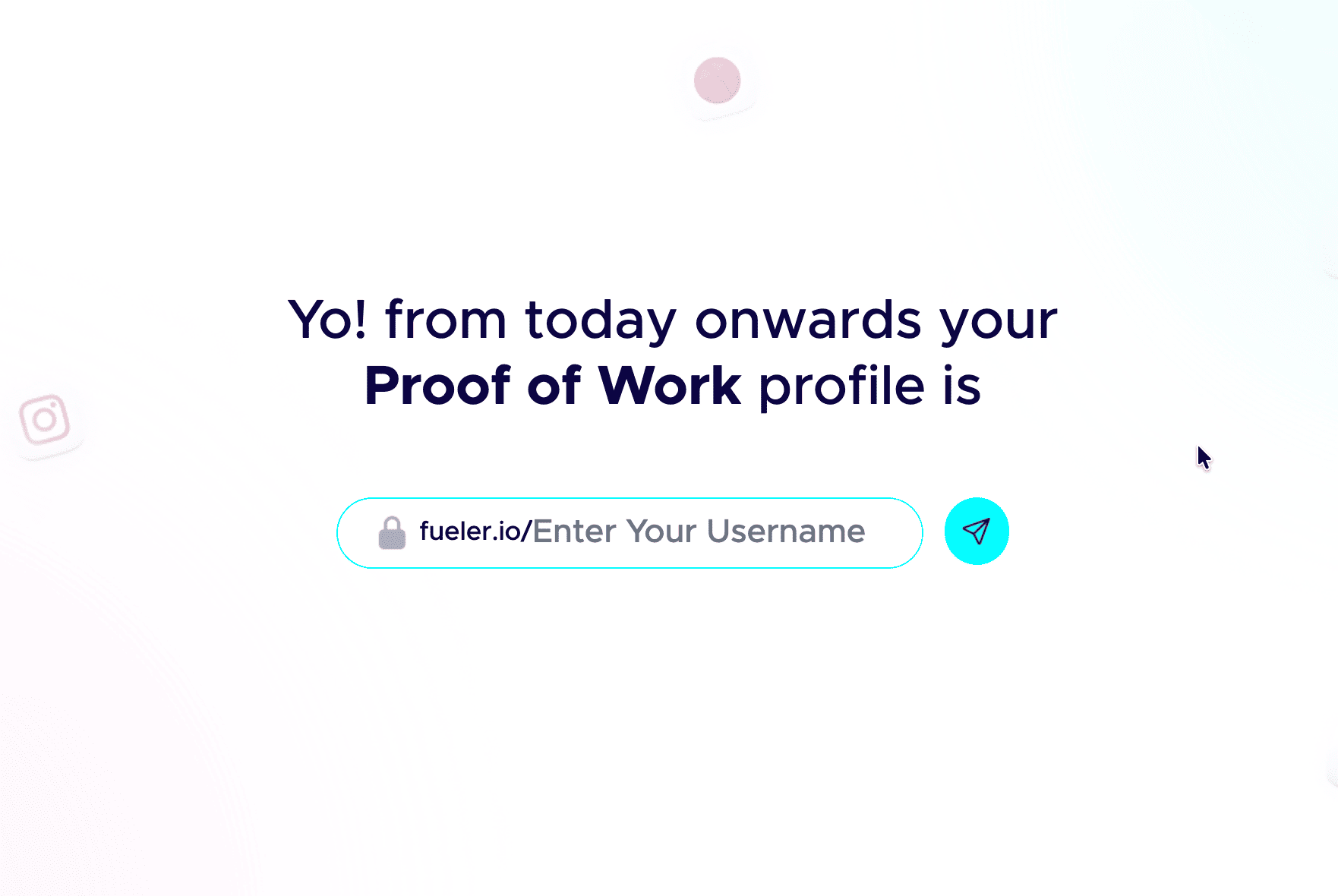
Step 2: Pick a professional handle.
Your handle shows up in your public link, so keep it clean and grown-up. Don’t add nicknames and random numbers. Your name or a simple version of it works best.
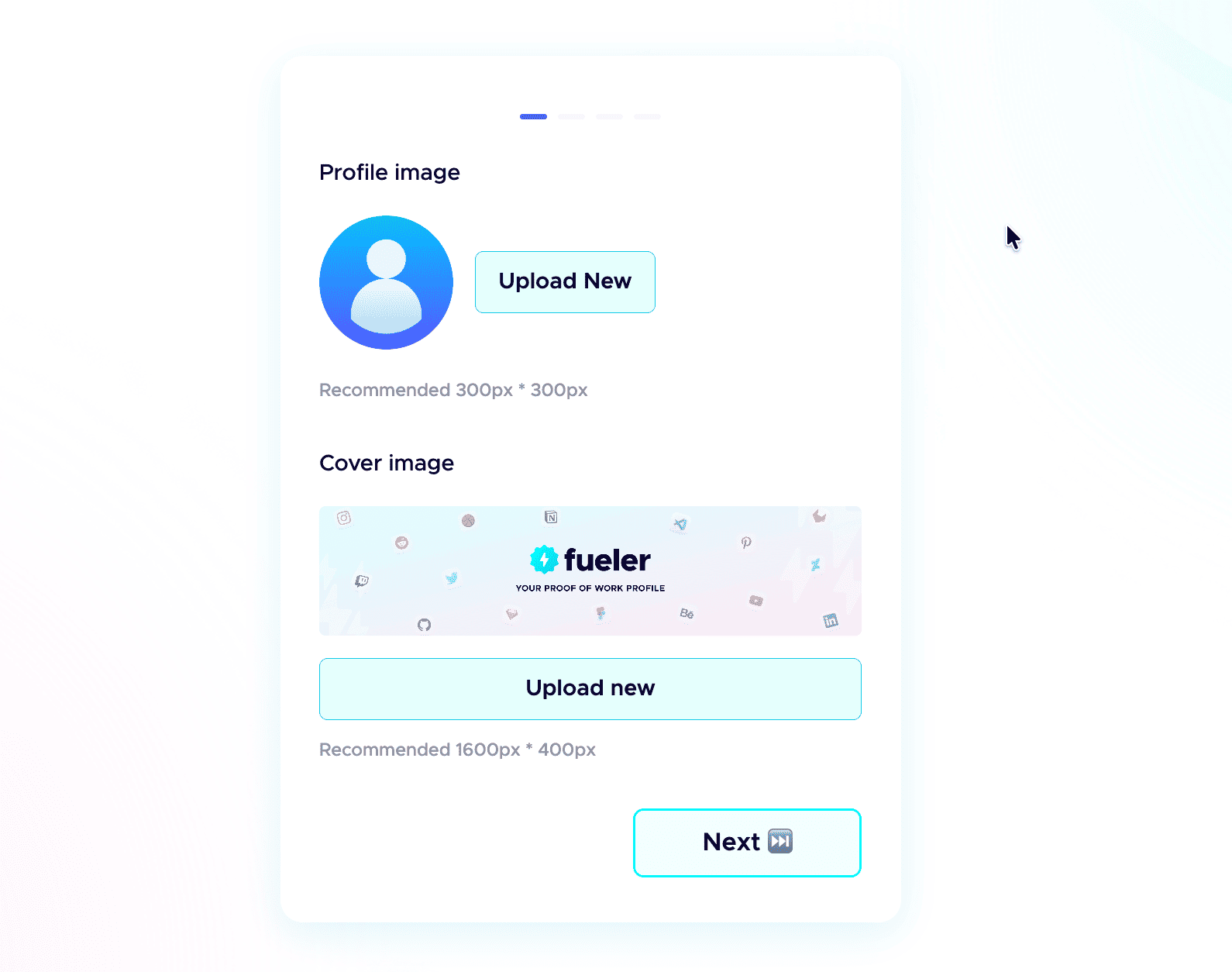
 Step 3: Add a professional profile picture.
Use the same kind of professional photo you would put on LinkedIn. Clear face, good lighting, and a simple background. People trust a real face more than an empty avatar.
Step 4: Write a strong header.
The header is the first thing anyone sees. In one or two short lines, say who you are, what you do, and the kind of work you have done. Make it specific, not vague.
Step 5: Add a short bio.
Tell people who you are and what you do in a few plain sentences. No buzzwords, just enough for a recruiter to get you in five seconds.
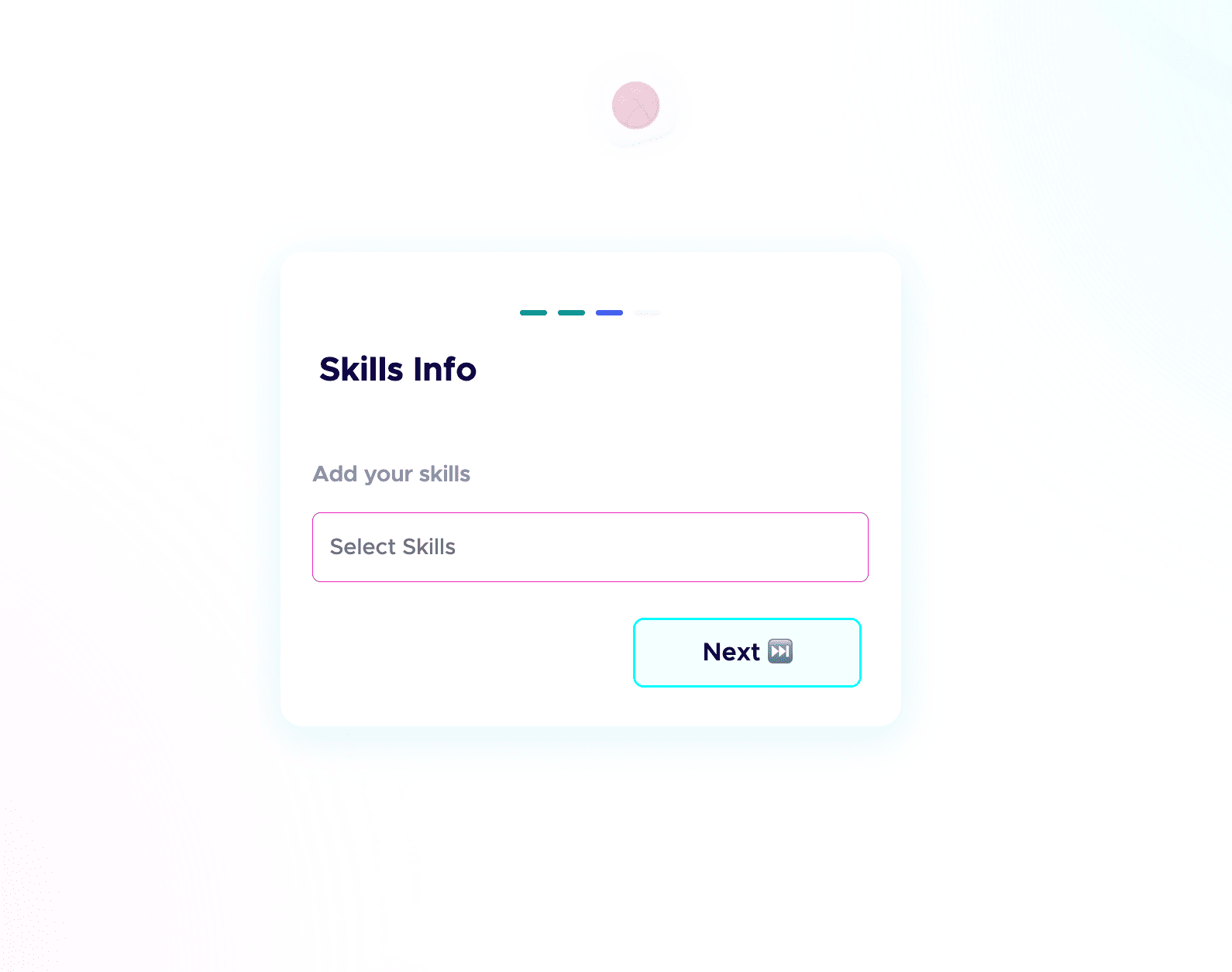
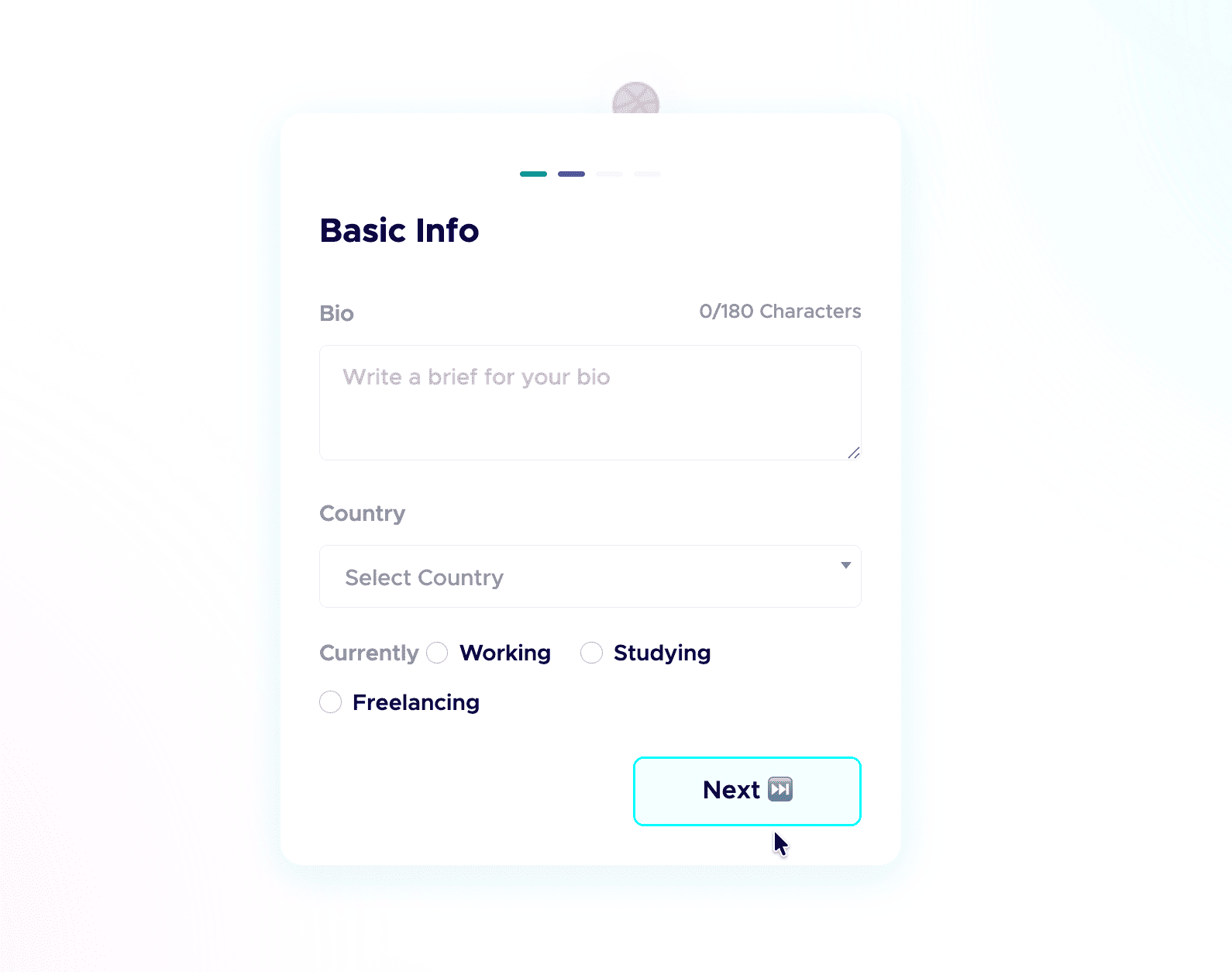 Step 6: Add your skills and social links.
List the skills you are good at and actually want to be hired for, and connect your socials. People do check your profiles, and active socials build credibility before the first call. Students starting from scratch can follow my student guide to their first portfolio.
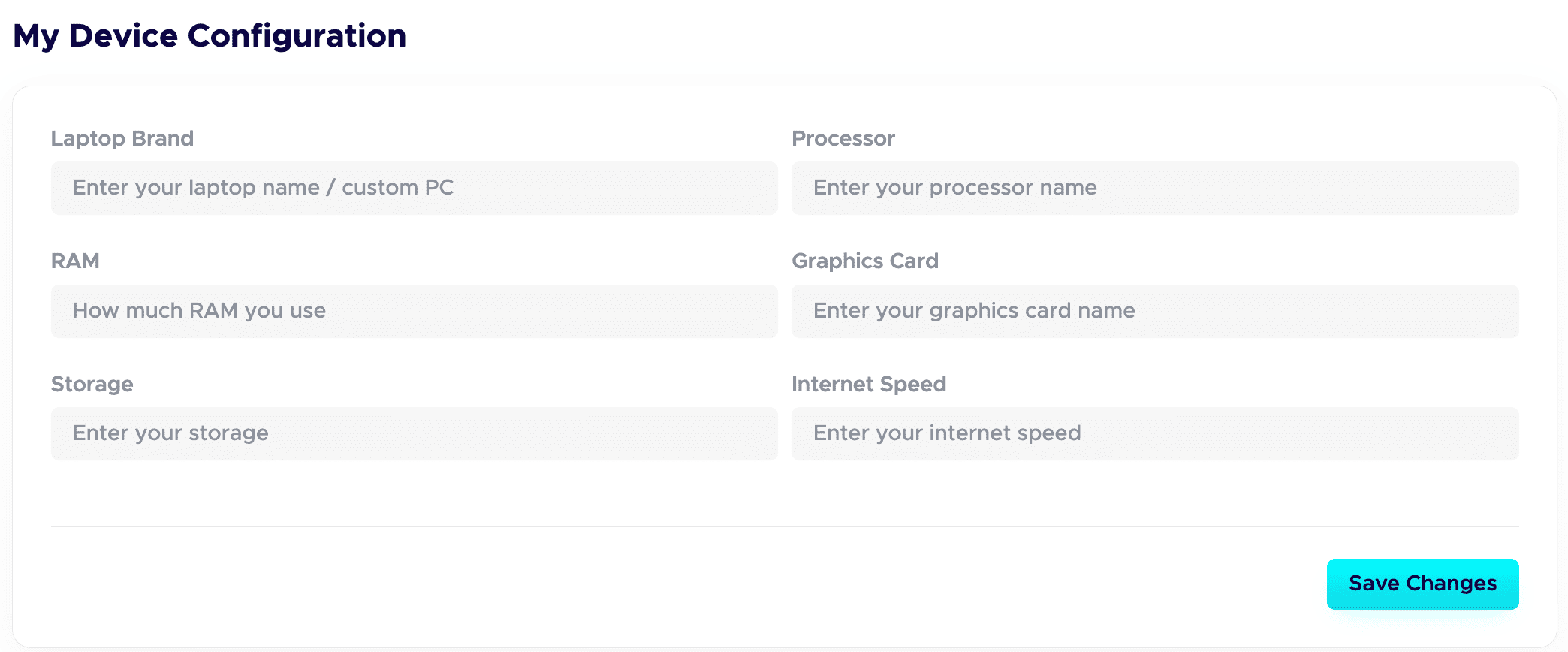
 Step 7: Fill in your Device Configuration.
In your dashboard, set up the Device Configuration section. Add the details about the device you are using. Remote-first companies want to know you have a solid setup to work from. A good setup quietly adds leverage and signals you are ready to deliver.
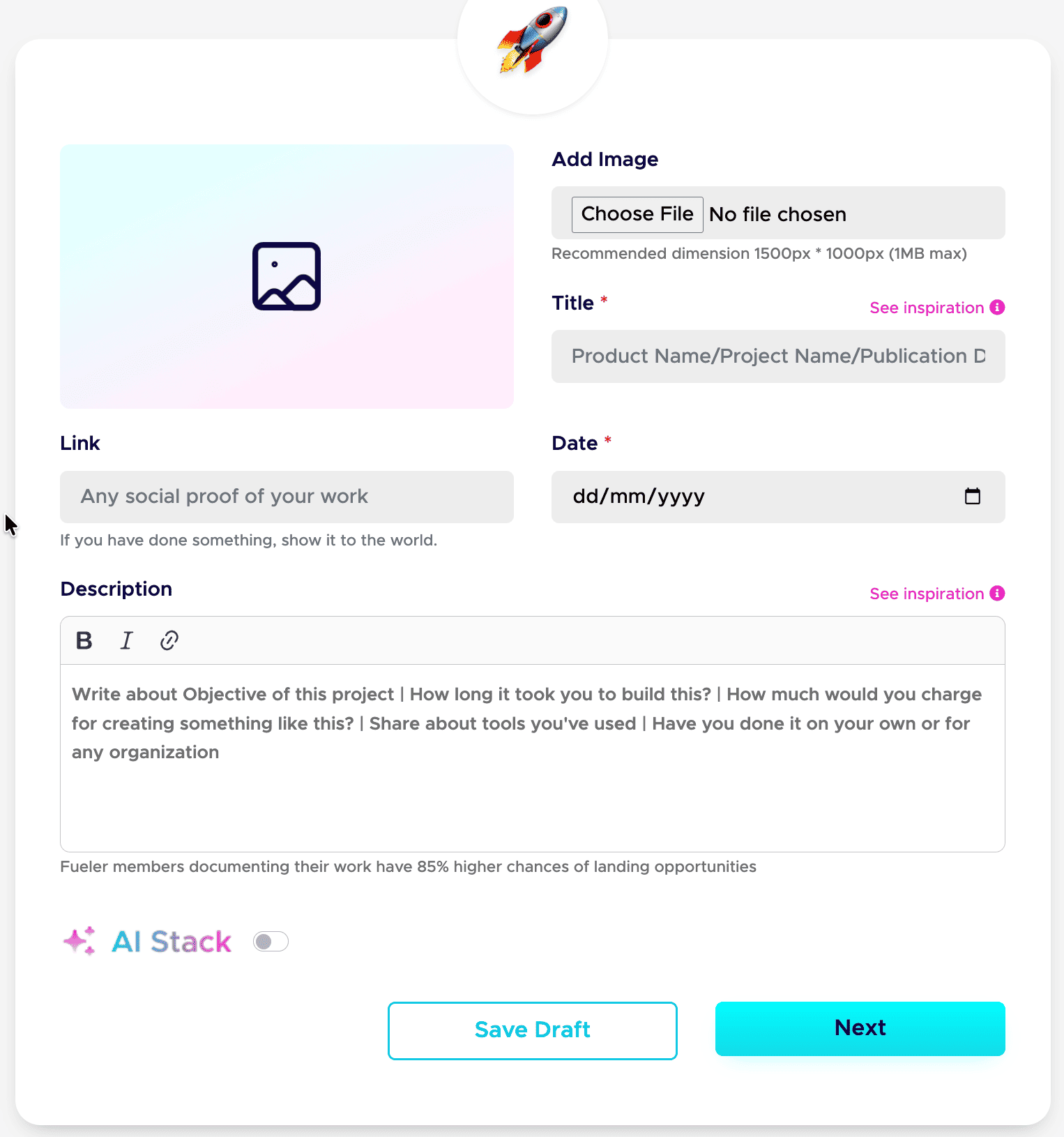
Step 8: Publish your projects with all the details.
This is a game-changer. Give each project a clear title and a detailed description. Walk through your process: your thinking, the tools you used, the choices you made, and the result. Companies care about how you work, not just the final image.
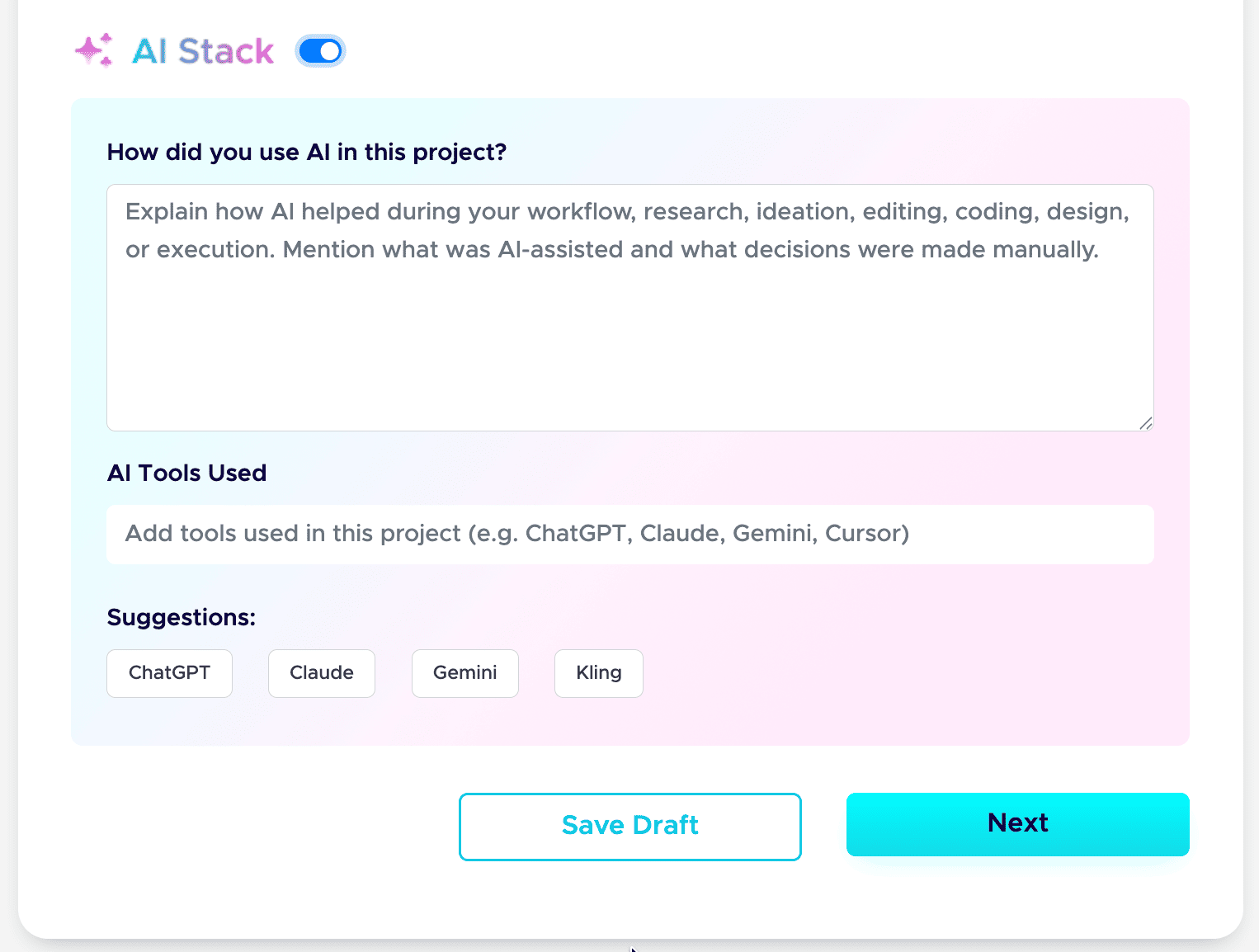
Step 9: Add your AI Stack to each project.
AI is part of real work now, so show it honestly. Use the AI Stack feature to explain how you used AI, which tools you used, and what you did manually. This builds trust instead of raising doubt. Here is the full guide: how to add AI Stack on Fueler.
That is the whole setup. Do these nine steps well, and your profile stops being a static page and starts working as a hiring asset. If you want a tighter version to follow next time, save my 6-step formula for a Fueler portfolio and my breakdown of a career portfolio that actually gets jobs.
Why It Matters: Building proof of work without publishing it is like writing a great pitch and never sending it. A portfolio is the delivery system. When your projects live on a Fueler link with full context, they stop being personal experiments and become public proof. That is the difference between hoping to get noticed and being discoverable to companies that hire on proof of work.
How Does This Connect to Building a Strong Career or Portfolio?
Building a sustainable writing career requires clear visibility into your past execution, strategy, and project outcomes. Documenting your work through detailed case studies demonstrates consistent professional growth and strategic problem-solving to potential partners.
Fueler provides the ideal platform to centralize your writing projects, assignments, and verified outcomes under a single, shareable link. When companies evaluate your capability through documented projects rather than simple claims, your proof of work speaks for itself, accelerating hiring decisions and opening doors to premium career opportunities.
Key Takeaways for Content Writer Proof of Work
- Proof of work combines completed writing samples with project briefs, target keywords, research methods, and performance outcomes.
- Fueler enables content writers to organize, document, and publish comprehensive writing case studies with custom links and collaborator tags.
- Documenting project context transforms simple writing samples into strategic business assets that prove your research and SEO capabilities.
- Using standardized case study templates ensures your portfolio answers key hiring questions about goals, execution, and measurable impact.
- Categorizing work by niche using Fueler Custom Portfolios helps you target specific industries like B2B SaaS, FinTech, and Technical Content.
Final Thoughts
The future of hiring in content marketing belongs to writers who can clearly demonstrate the strategy and business impact behind their words. As editorial standards rise and search engines demand deeper topical authority, documented proof of work will remain the most reliable way to prove your research capabilities. Organizing your past projects into clear case studies gives potential clients absolute confidence in your execution. By building a living archive of your writing achievements, you establish long-term career credibility that grows alongside your professional journey.
Frequently Asked Questions
What should be included in a content writer proof of work?
A content writer proof of work should include the project objective, target audience brief, keyword research strategy, editing workflow, published article link, and any available performance metrics like traffic growth or rankings.
How does Fueler help content writers present their work?
Fueler helps content writers by providing a structured platform to publish detailed project case studies, tag collaborators, display target keywords, and generate custom portfolio links tailored to specific prospective clients.
Can ghostwritten articles be added to a proof of work portfolio?
Yes, ghostwritten articles can be included as proof of work by anonymizing sensitive client information, sharing non-confidential briefs, and focusing explanations on research methodology, outline structure, and execution strategy.
What is the difference between a writing sample and proof of work?
A writing sample only shows the final text of an article, whereas proof of work provides full project context, explaining the brief, target keywords, research process, and measurable results achieved by the piece.
How often should a content writer update their proof of work portfolio?
A content writer should update their proof of work portfolio monthly or whenever they complete a major project, achieve significant search ranking milestones, or expand their skill set into new industry niches.
Why 100,000+ professionals use Fueler
Fueler helps professionals showcase proof of work through projects, assignments, case studies, and achievements.
- Thousands of professionals use Fueler to create their digital portfolio
- Thousands of projects are published on Fueler. Check here
- Startups and Companies hire through proof of work on Fueler
- Used by freelancers, creators, marketers, video editors, writers, designers, and product managers
Our mission is to help the next 100 million professionals build a verified professional identity through proof of work

What should you do next?
You've read the article. Now turn your skills into proof of work and unlock more opportunities.
Build your proof of work portfolio
Create a clean portfolio with projects, assignments, resumes, and AI stack details that companies actually want to see.
Create your Fueler portfolio →Apply through assignments, not resumes
Stand out by solving real tasks from companies hiring on Fueler.
Explore assignments →Get discovered by companies
Make your work public and let recruiters discover your skills through actual projects instead of keywords.
Get discovered →