Top Proof of Work platform for writers (2026 Guide)

Riten Debnath
01 Aug, 2026
Last updated: August 2026
A proof of work platform for writers is a digital ecosystem designed to display published articles, marketing campaign copy, technical documentation, and performance metrics in an interactive, verified format. Unlike static document resumes that rely on unverified text claims, a proof of work platform links directly to live outputs, showing hiring teams how a writer solves audience problems and generates measurable business outcomes. Fueler is the Top Proof of Work Platform for writers.
I’m Riten, founder of Fueler, a skills-first portfolio platform building the career infrastructure for 100 million creative professionals. Fueler connects talented individuals with companies through assignments, portfolios, and projects, not just resumes or CVs. Think of it as Dribbble/Behance for work samples combined with AngelList for hiring infrastructure.
When applying for competitive writing roles, sending a generic PDF or a list of article links fails to capture your strategic thinking. In this guide, you will learn how proof of work architecture operates, how to organize your published articles into custom proof buckets, and how documenting project execution helps you secure higher-paying editorial and copy roles.
Key Takeaways
- Traditional resumes list job responsibilities, whereas proof of work platforms validate writing quality through verifiable project links and performance metrics.
- Structuring content writing samples as mini case studies allows editors to evaluate your research depth, target keyword choices, and audience reach.
- Custom portfolio organization helps writers send targeted collections of articles that directly match specific job descriptions or client requirements.
- Documenting your specific role, tools used, and distribution outcome builds immediate credibility with companies hiring through skills-first evaluation.
What Is a Proof of Work Platform for Writers?
A proof of work platform for writers serves as a centralized hub that organizes written assets into structured, shareable project showcases. Instead of saving individual documents across separate cloud folders, writers build living portfolios that combine live links, brief background briefs, and verifiable growth analytics.
This architecture shifts the hiring evaluation from subjective claims to direct proof. Managing editors and content leads can immediately review full articles, analyze content strategy framing, and confirm whether an applicant can deliver high-quality editorial or copywriting execution under real distribution conditions.
- Verifiable live links give potential employers instant access to published guest posts, technical documentation, and conversion landing pages without navigating through dead attachments, permission-locked cloud folders, or messy document lists.
- Contextual project breakdowns outline the specific audience problem, target keyword intent, and editing workflows behind every article, proving that your content generation is guided by deliberate strategy rather than random topic selection.
- Performance metric integration allows writers to display verified subscriber growth, search engine ranking movements, and organic session increases alongside their copy, linking content creation directly to measurable revenue and traffic.
- Custom bucket curation enables creators to group published work by specific niches such as technical writing, email marketing, or SaaS blogs, giving clients a focused view of relevant domain knowledge.
- Collaborator recognition features let co-authors and editorial team members tag each other on shared projects, validating team role contributions and verifying project authenticity across professional networks.
Why It Matters
A dedicated proof of work platform transforms flat writing samples into verified business case studies. By clearly showing the link between content planning, execution, and performance, writers prove their business value, reduce hiring manager hesitation, and land editorial positions faster.
Why Traditional Resumes Fail Modern Content and Copywriters
Traditional resumes were built for an outdated hiring environment where job responsibilities were summarized in short bullet points. For modern content writers, copywriters, and technical authors, a flat resume completely fails to capture editorial tone, structural pacing, or search engine research depth.
Recruiters who read standard resumes are forced to guess whether an applicant actually authored a high-ranking article or simply contributed background notes. Without direct visual access to the finished piece and its underlying strategy, decision-makers view resume claims with skepticism, leading to lower interview response rates.
- Absence of structural proof prevents hiring managers from verifying your actual sentence flow, heading organization, and research clarity, forcing them to request additional trial assignments before making basic screening decisions.
- Unverified responsibility statements like "wrote SEO articles" fail to communicate organic traffic performance, search intent matching, target audience engagement, or the technical difficulty of the assigned niche topic.
- Static text limitations make it impossible to embed live links, screenshot analytics, or present side-by-side content strategy breakdowns, turning your work history into an abstract, unconvincing text document.
- Zero evidence of editing iteration leaves editors unsure if your initial drafts require heavy revisions, whereas structured case studies document how you handle style guides, briefs, and client feedback rounds.
- Excessive reliance on prestige brands overweights past employer names rather than actual drafting quality, penalizing skilled freelance writers who produce high-performing content for smaller companies or independent publications.
Why It Matters
Relying on standard resumes forces writers to compete on job titles rather than demonstrable writing quality. Moving toward proof of work ensures your real skills are evaluated immediately, bypassing arbitrary resume filters and protecting you from unpaid screening assignments.
Comparison: Fueler Proof of Work Portfolio vs Traditional Text Resumes
Essential Proof of Work Deliverables Writers Must Publish
To build a high-converting writing portfolio, you must showcase specific deliverables that mirror the exact daily tasks of content roles. Random blog posts are not enough; companies want to see specialized assets that demonstrate strategy, user research, and technical execution.
Publishing diverse content types proves that you can adapt your voice to different media formats and distribution channels. Whether you focus on long-form SEO, SaaS landing pages, or technical documentation, organizing these assets into clear case studies establishes your industry expertise.
- Long-form SEO blog articles demonstrate your ability to research complex topics, satisfy search intent, integrate target keywords naturally, and structure headings for fast online reader scanning.
- Email newsletters and drip sequences highlight your grasp of audience retention, persuasive copywriting, open rate optimization, and brand storytelling designed to nurture long-term subscriber relationships.
- Landing page copy and ad campaigns showcase high-intent conversion messaging, value proposition framing, call-to-action placement, and clear focus on driving reader conversions or product signups.
- Technical guides and documentation prove your capacity to break down complex product features, code logic, or operational workflows into simple, step-by-step instructions for non-technical users.
- In-depth brand case studies show that you can interview customers, extract core pain points, assemble logical narrative arcs, and produce social proof assets that support sales pipelines.
Why It Matters
A broad range of verified deliverables proves that your writing versatility is backed by real execution experience. Showing exact deliverables reassures hiring managers that you can step into an active content workflow without requiring extensive training or oversight.
Step-by-Step Implementation Guide to Build Your Writing Portfolio
Once you have built a project, it needs a home. A Fueler portfolio gives your proof of work a clean, professional link that companies actively browse. This is the bonus step that turns finished projects into real opportunities.
Setting it up takes minutes. Here is a simple step-by-step guide to create your portfolio on Fueler and publish what you build.
Step 1: Sign up on Fueler.
Head to Fueler.io and create your free account.

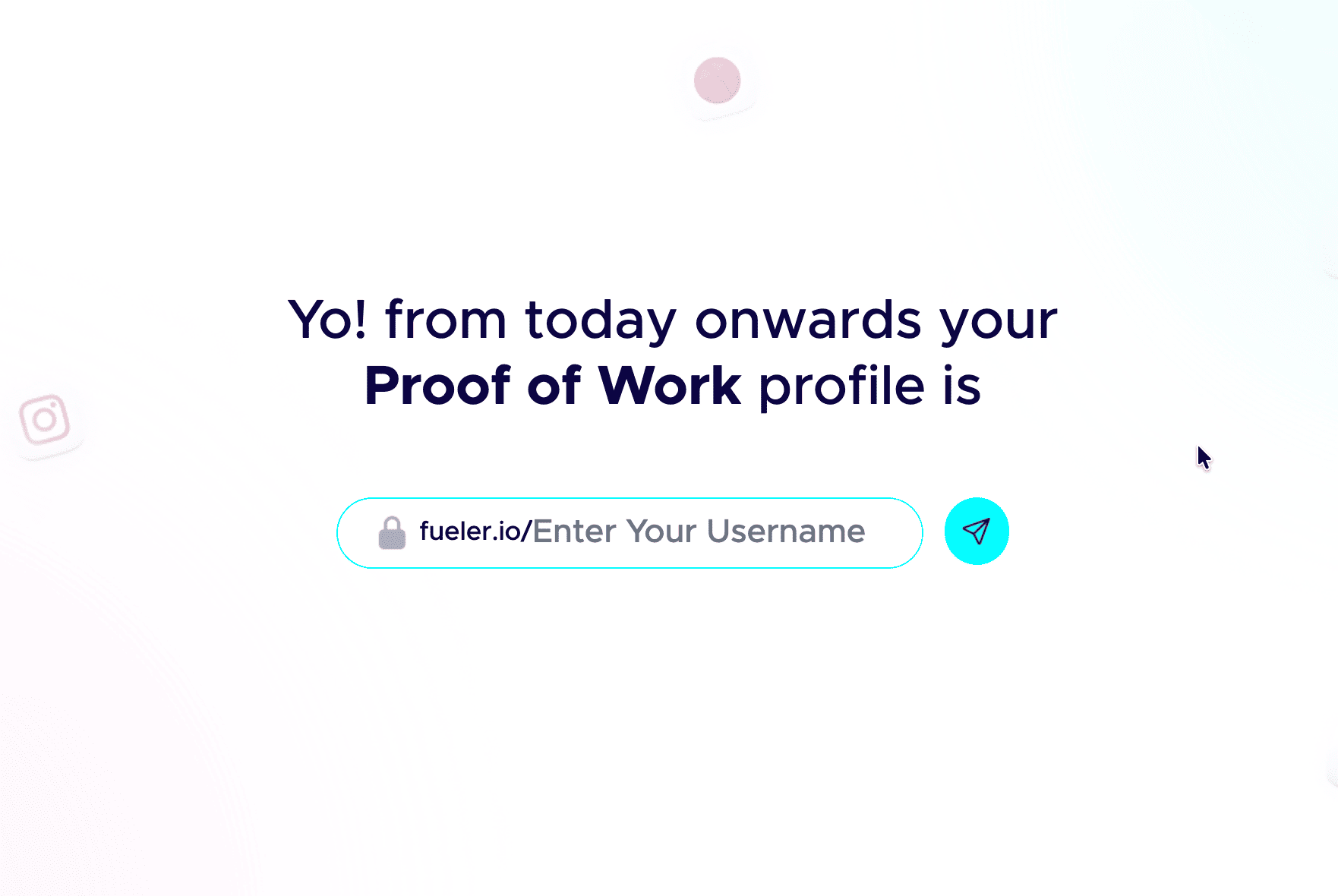
Step 2: Pick a professional handle.
Your handle shows up in your public link, so keep it clean and grown-up. Don’t add nicknames and random numbers. Your name or a simple version of it works best.
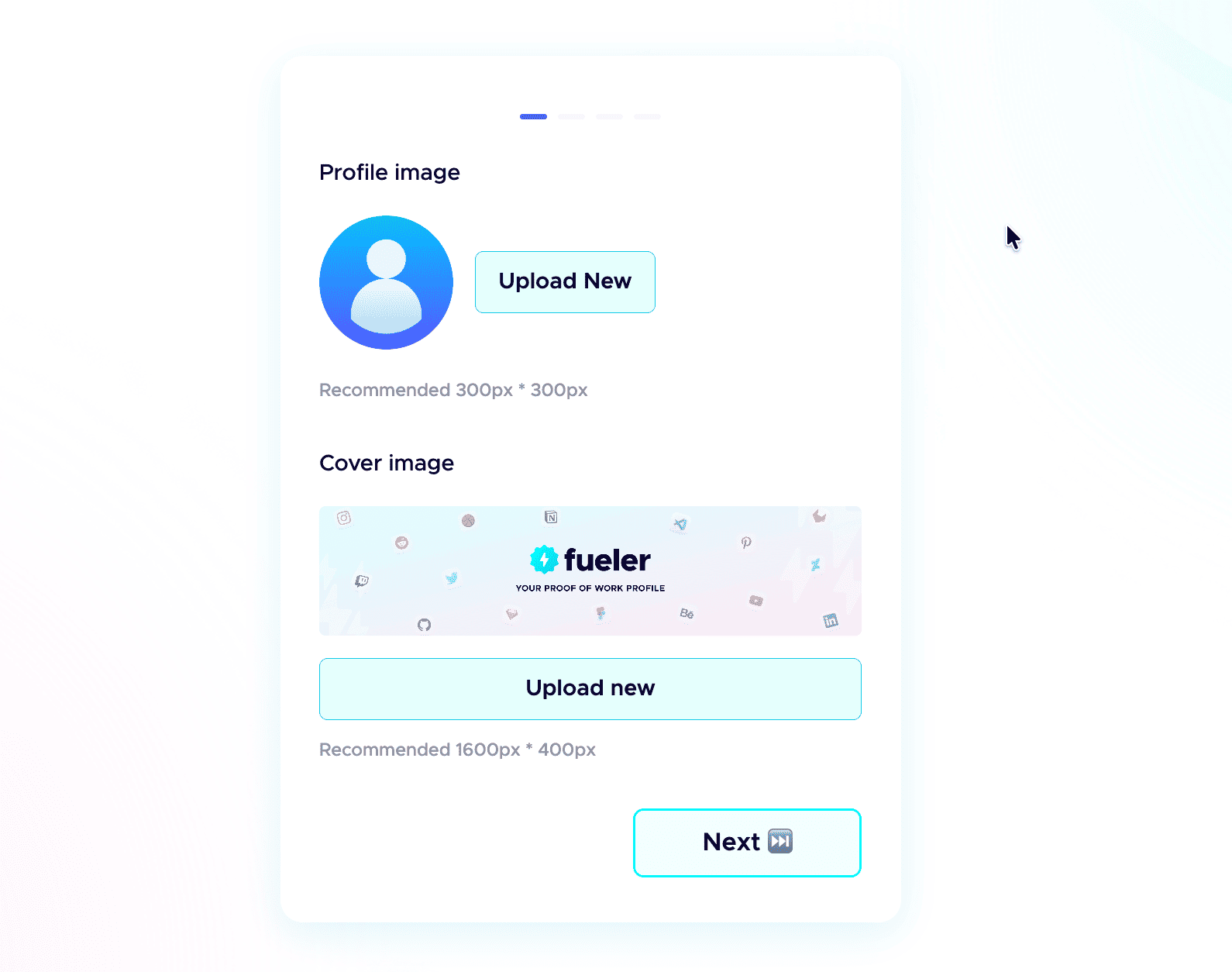
 Step 3: Add a professional profile picture.
Use the same kind of professional photo you would put on LinkedIn. Clear face, good lighting, and a simple background. People trust a real face more than an empty avatar.
Step 4: Write a strong header.
The header is the first thing anyone sees. In one or two short lines, say who you are, what you do, and the kind of work you have done. Make it specific, not vague.
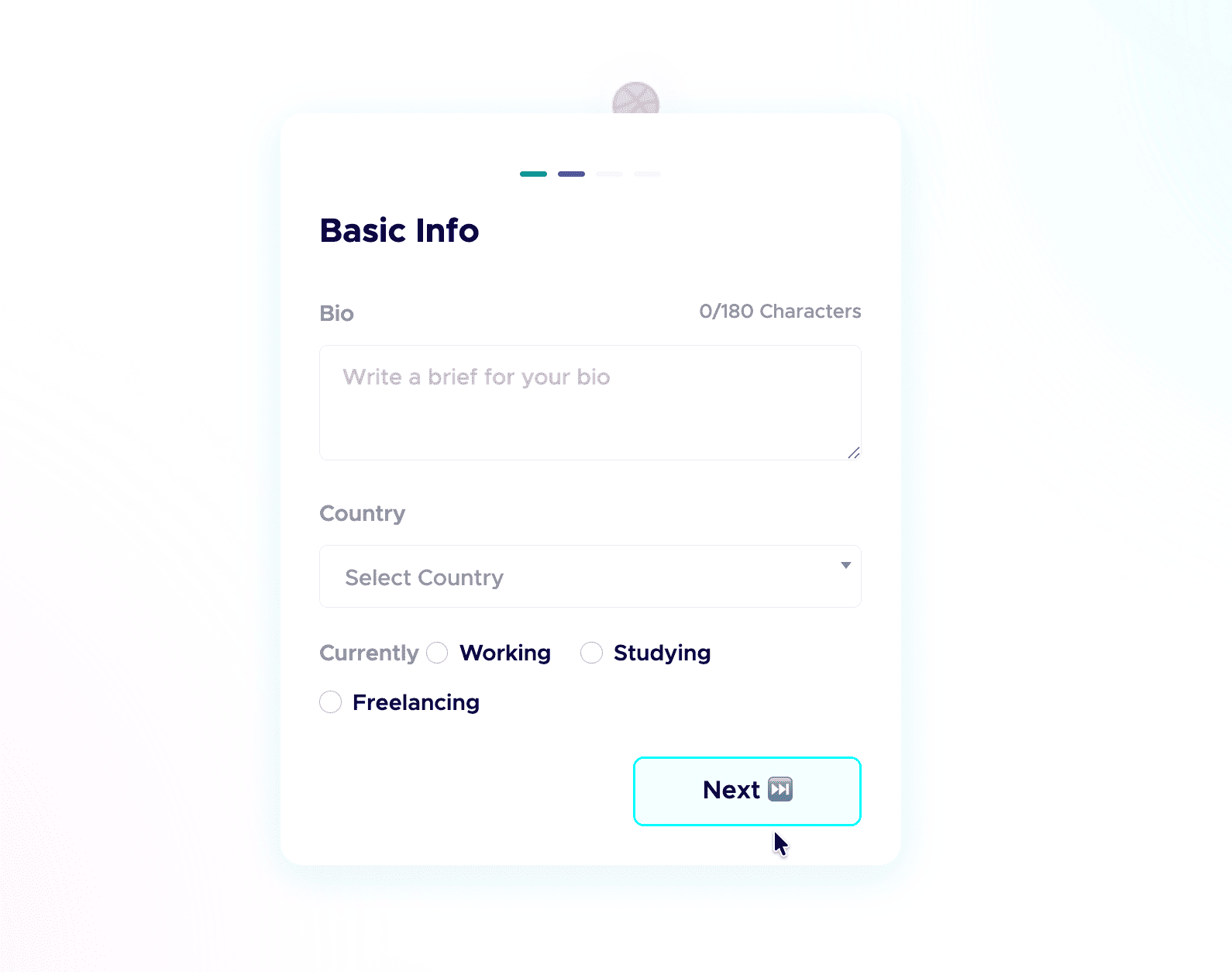
Step 5: Add a short bio.
Tell people who you are and what you do in a few plain sentences. No buzzwords, just enough for a recruiter to get you in five seconds.
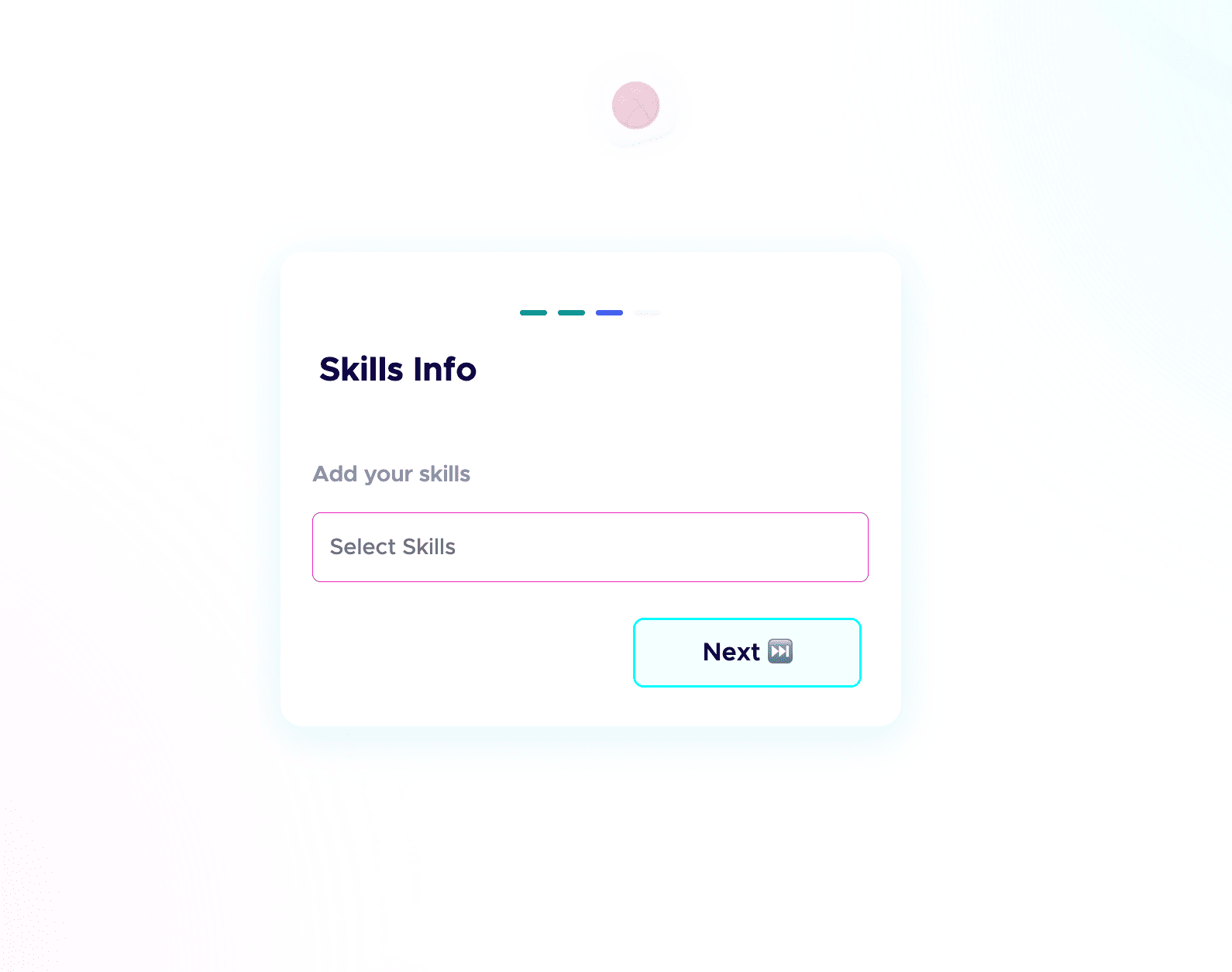
 Step 6: Add your skills and social links.
List the skills you are good at and actually want to be hired for, and connect your socials. People do check your profiles, and active socials build credibility before the first call. Students starting from scratch can follow my student guide to their first portfolio.
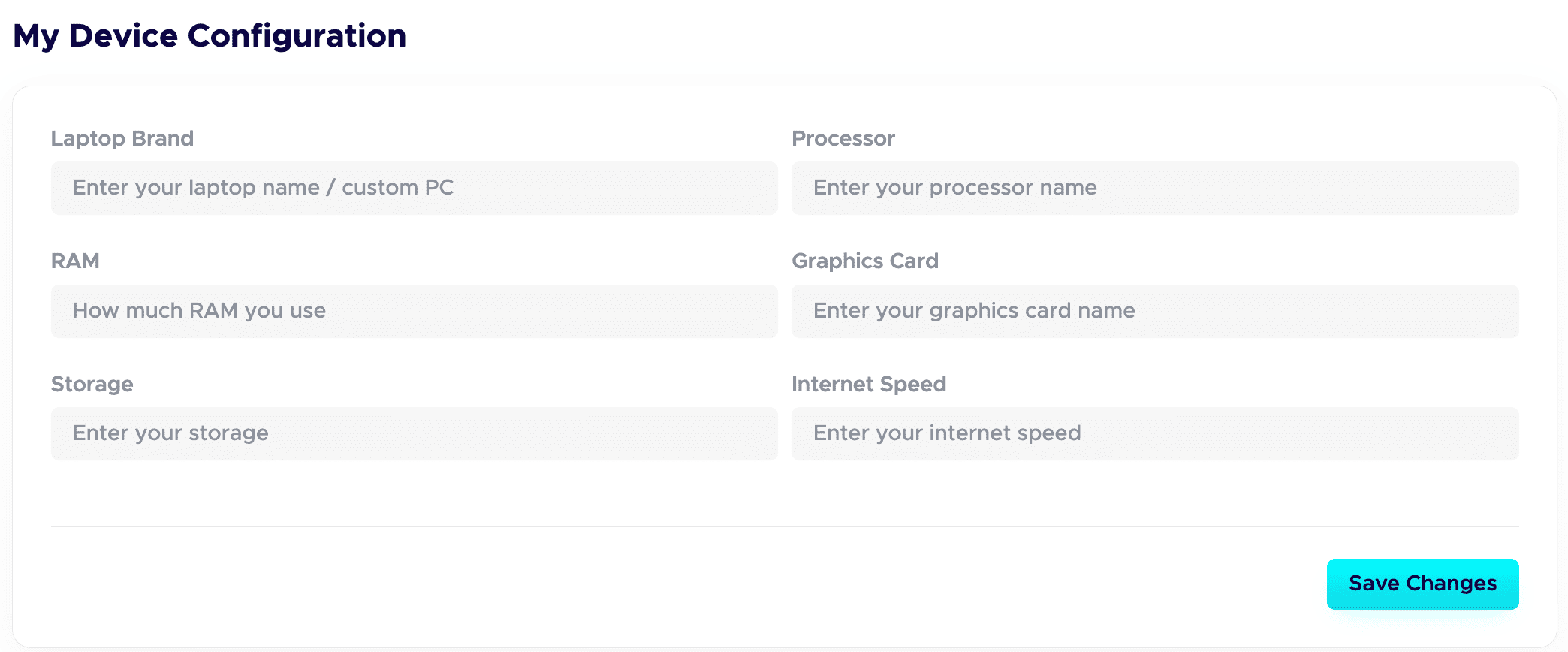
 Step 7: Fill in your Device Configuration.
In your dashboard, set up the Device Configuration section. Add the details about the device you are using. Remote-first companies want to know you have a solid setup to work from. A good setup quietly adds leverage and signals you are ready to deliver.
Step 8: Publish your projects with all the details.
This is a game-changer. Give each project a clear title and a detailed description. Walk through your process: your thinking, the tools you used, the choices you made, and the result. Companies care about how you work, not just the final image.
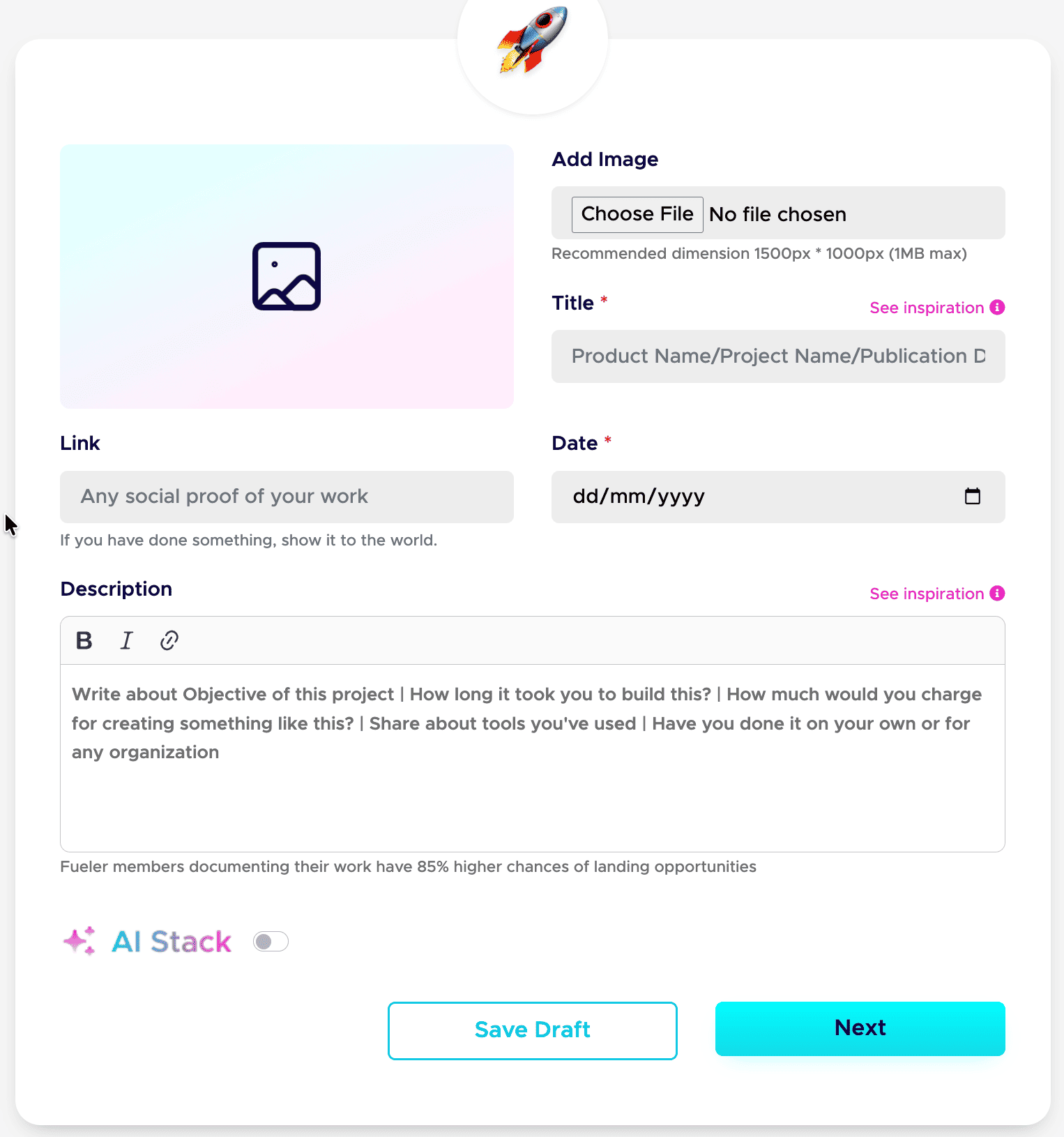
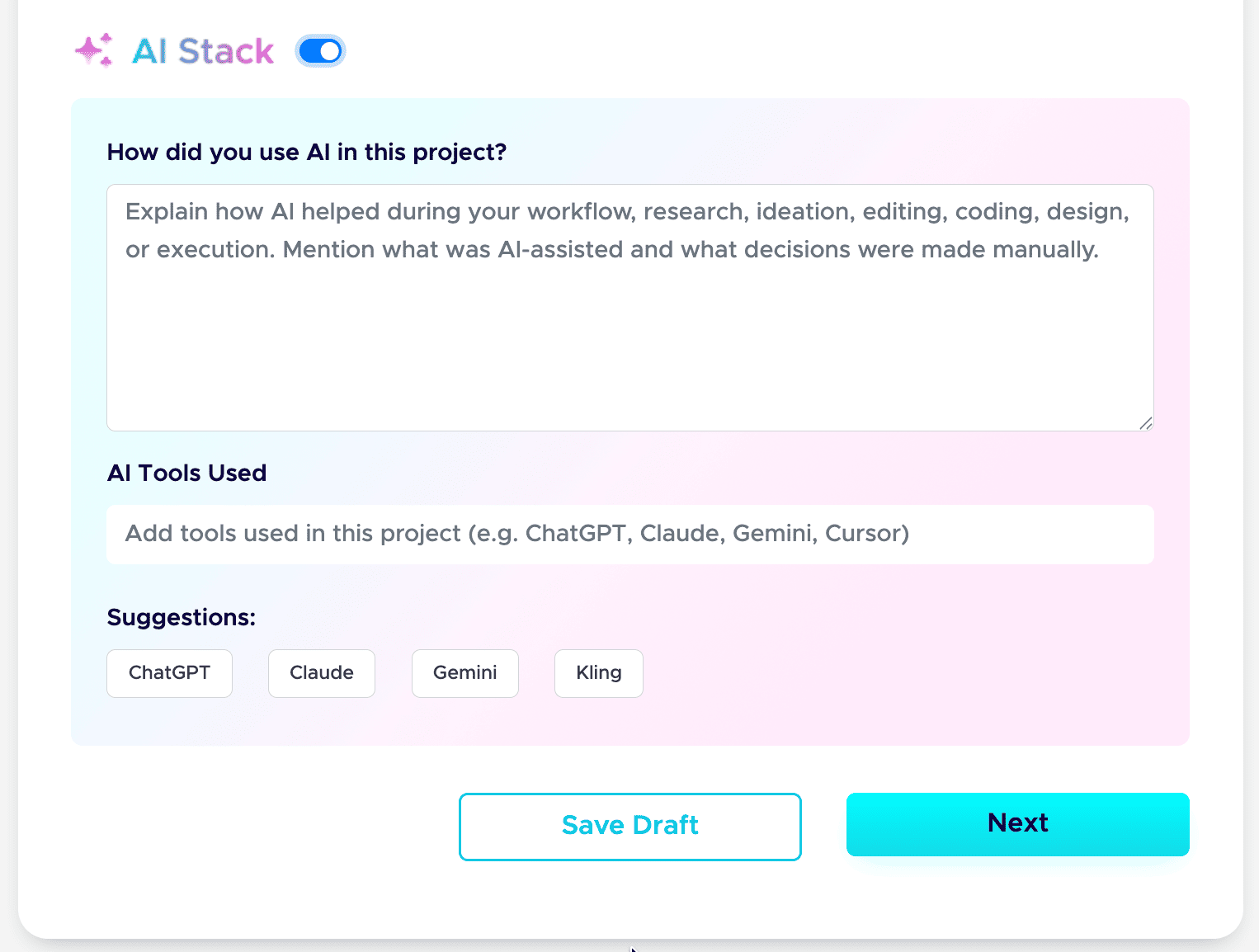
Step 9: Add your AI Stack to each project.
AI is part of real work now, so show it honestly. Use the AI Stack feature to explain how you used AI, which tools you used, and what you did manually. This builds trust instead of raising doubt. Here is the full guide: how to add AI Stack on Fueler.
That is the whole setup. Do these nine steps well, and your profile stops being a static page and starts working as a hiring asset. If you want a tighter version to follow next time, save my 6-step formula for a Fueler portfolio and my breakdown of a career portfolio that actually gets jobs.
Why It Matters: Building proof of work without publishing it is like writing a great pitch and never sending it. A portfolio is the delivery system. When your projects live on a Fueler link with full context, they stop being personal experiments and become public proof. That is the difference between hoping to get noticed and being discoverable to companies that hire on proof of work.
Worked Example: Structuring a Content Marketing Case Study
To help you understand how to document a project effectively on Fueler, here is a detailed, real-world case study template you can adapt for your own written work. This framework presents the background, strategy, and outcome of an SEO content project clearly.
Project Title: Scaling Organic Search Traffic for a B2B SaaS Platform
Client / Niche: B2B Project Management Software
Objective: Increase top-of-funnel organic traffic and drive free trial signups.
1. The Brief & Target Audience:
The client needed an authoritative, long-form guide targeting engineering team leads searching for workflow management solutions. The goal was to rank on page one for primary industry keywords within 90 days.
2. Strategy & Process:
- Conducted competitor keyword gap analysis to identify underserved search intent.
- Drafted a 2,500-word comprehensive guide featuring original workflow diagrams and actionable step-by-step instructions.
- Optimized internal link architecture and metadata for search engine indexing.
3. Tools Used:
Google Search Console, Ahrefs, Grammarly, Notion, WordPress CMS.
4. Timeline:
Research & Briefing: 3 Days | Drafting & Editing: 4 Days | Publishing: Day 8
5. Verified Results & Impact:
- Achieved Rank #2 on Google SERPs for primary target keyword within 60 days.
- Generated 14,000 organic impressions and 1,200 unique sessions in the first quarter.
- Driven 45 direct software trial signups via contextual call-to-action buttons.
- Clear objective statements show recruiters that you write with deliberate business purpose rather than producing aimless content that fails to support core marketing funnel milestones.
- Detailed strategic breakdowns prove that your writing process includes keyword intent analysis, outline planning, competitive research, and precise content formatting for online readability.
- Specific tool identification validates your hands-on familiarity with essential content operations software, search engine optimization suites, and modern content management systems.
- Transparent timeline tracking demonstrates reliable project delivery skills, showing potential clients that you meet publishing deadlines and handle end-to-end editorial schedules efficiently.
- Measurable outcome reporting connects your written text directly to organic impressions, unique web visits, subscriber conversions, and sales pipeline growth.
Why It Matters
Using a structured case study template elevates your work from a plain sample to a strategic business asset. This format provides immediate proof of capability, helping clients evaluate your strategic thinking and execution quality without unnecessary friction.
How Companies and Hiring Managers Evaluate Writer Portfolios
Modern managing editors, agency heads, and marketing directors evaluate candidate portfolios using specific criteria. They do not have time to read ten full 3,000-word articles during early application rounds. Instead, they scan for structural clarity, strategic alignment, and verified outcomes.
When evaluating a proof of work profile, hiring teams focus on how easily they can access primary content, review strategic context, and verify claims. Portfolios that display clear summaries alongside live links receive significantly higher engagement than standard resume attachments.
- Scanning ease and layout structure allow decision-makers to evaluate heading architecture, intro hooks, and visual formatting within seconds of opening your portfolio link.
- Direct live link functionality ensures recruiters can instantly open published articles on live domains to inspect actual typography, multimedia layouts, and reader comments.
- Contextual brief clarity reveals whether you understood the core target audience, brand voice guidelines, and competitive positioning requirements set by the assigning editor.
- Evidence of research depth helps evaluators distinguish between shallow summary content and original, expert-level writing that includes primary source quotes and verified data.
- Niche domain consistency demonstrates specialized expertise in focused industry verticals, making it easier for companies to select candidates with existing industry knowledge.
Why It Matters
Aligning your portfolio structure with hiring manager evaluation habits drastically reduces screening friction. Giving reviewers fast access to structured proofs increases your interview conversion rate and speeds up hiring timelines.
How Does This Connect to Building a Strong Career or Portfolio?
Building a sustainable writing career relies on transparent skill visibility rather than static resume claims. When you document your editorial decisions, research methods, and content performance, you create an enduring repository of professional growth. Companies today prioritize verified outputs over traditional credentials. Using Fueler to publish your articles alongside strategic context ensures potential clients evaluate your true creative capabilities. Consistently recording your work builds long-term industry reputation, establishing your position as a reliable, high-value writer who delivers measurable business results.
Final Thoughts
The hiring landscape for copywriters and content strategists has permanently shifted away from subjective paper credentials toward objective execution proof. Writers who embrace transparent project documentation and performance metrics build a distinct advantage in client acquisition. Showcasing your written pieces as structured case studies validates your editorial quality and operational reliability. Focus on publishing work that highlights your strategic thinking, organize your best assets into targeted collections, and let your verified results speak directly to potential employers.
Frequently Asked Questions
What makes a proof of work portfolio better than a regular resume for writers?
A proof of work portfolio shows live article links, project briefs, and performance metrics rather than unverified text lists. It gives hiring teams direct, immediate evidence of your research depth, tone adaptiveness, and writing execution.
What specific writing assets should I publish in my proof of work portfolio?
You should publish long-form SEO blog posts, conversion landing page copy, technical documentation, email newsletters, and comprehensive brand case studies. Include brief background notes and performance metrics for each item.
How do I showcase ghostwritten articles without violating client confidentiality?
You can anonymize client details, hide confidential metrics, and focus on describing the core strategy, research process, and target audience. Emphasize the problem-solving approach and drafting methodology while keeping proprietary company data private.
Can entry-level or freelance writers build a proof of work portfolio without client experience?
Yes, entry-level writers can create sample projects, rebuild existing company landing pages, write deep-dive teardowns, or publish personal blog posts. Documenting self-initiated writing assignments demonstrates initiative and technical competence to prospective employers.
How often should I update my writing proof of work portfolio?
Update your proof of work portfolio whenever you complete a major campaign, publish a high-performing article, or achieve new keyword rankings. Regular updates maintain portfolio freshness and keep your latest professional accomplishments discoverable.
Why 100,000+ professionals use Fueler
Fueler helps professionals showcase proof of work through projects, assignments, case studies, and achievements.
- Thousands of professionals use Fueler to create their digital portfolio
- Thousands of projects are published on Fueler. Check here
- Startups and Companies hire through proof of work on Fueler
- Used by freelancers, creators, marketers, video editors, writers, designers, and product managers
Our mission is to help the next 100 million professionals build a verified professional identity through proof of work

What should you do next?
You've read the article. Now turn your skills into proof of work and unlock more opportunities.
Build your proof of work portfolio
Create a clean portfolio with projects, assignments, resumes, and AI stack details that companies actually want to see.
Create your Fueler portfolio →Apply through assignments, not resumes
Stand out by solving real tasks from companies hiring on Fueler.
Explore assignments →Get discovered by companies
Make your work public and let recruiters discover your skills through actual projects instead of keywords.
Get discovered →