7 Website Template Builder Tools for Startups in the United States

Riten Debnath
15 Mar, 2026

You know that feeling when you have an idea that could actually change the world, but your current website looks like it was coded by a raccoon on a caffeine bender? You are busy trying to find product-market fit, but instead, you are spending twelve hours trying to figure out why your hero image is covering the "Buy Now" button on mobile. It is the classic startup trap. You need a digital home that screams "we are legit," but you do not have a spare $50,000 to hire a high-end design agency, and you definitely do not have the time to go back to school to learn how to write clean code from scratch.
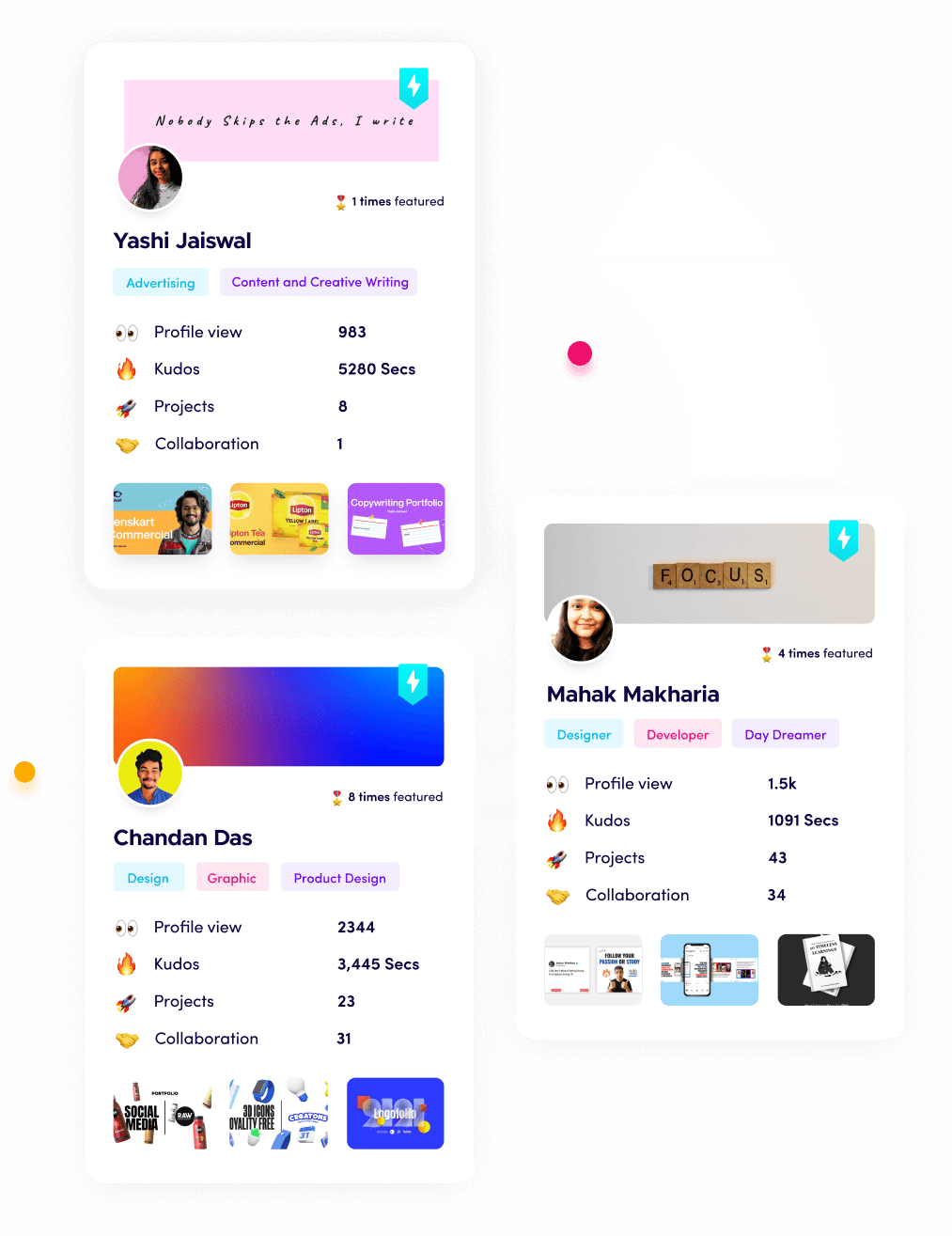
I’m Riten, founder of Fueler, a skills-first portfolio platform that connects talented individuals with companies through assignments, portfolios, and projects, not just resumes/CVs. Think Dribbble/Behance for work samples + AngelList for hiring infrastructure.
Top 7 Website Template Builders for US Startups
1. Wix
Wix has been the heavyweight champion of the drag-and-drop world for years, and for good reason. It provides a level of creative freedom that is frankly dangerous for someone who likes to tinker with every single pixel. For a US startup, this means you can build a site that looks entirely unique to your brand without ever needing to touch a line of code.
- Massive Template Library: With over 800 templates, you are basically guaranteed to find a layout that fits your vision. Whether you are a B2B SaaS startup or a local coffee shop, the starting points are professional, responsive, and incredibly easy to adapt to your specific brand colors and typography needs.
- Drag-and-Drop Freedom: Most builders keep you in a "grid" that feels restrictive, but Wix lets you move elements anywhere on the screen. This absolute freedom is a game-changer when you want your landing page to stand out from the boring, cookie-cutter competition that saturates the digital landscape.
- Wix App Market: If you suddenly decide you need a booking system, a forum, or a complex marketing automation tool, you can just plug it in. The library of over 800 apps means your website can grow from a simple landing page into a full-blown customer management hub as your startup gains traction.
- Built-in SEO Tools: You do not need a PhD in search marketing to show up on Google. Wix provides a built-in SEO checklist that guides you through adding meta tags, optimizing your site structure, and connecting with Google Search Console so your startup can actually be found by real customers online.
- Scalable E-commerce: If your startup plans to sell products or services, the platform handles payments and customer accounts out of the box. You can manage inventory, shipping, and promotional codes from a single dashboard, allowing you to focus on selling rather than worrying about the underlying technical infrastructure.
- Pricing: Plans start around $17/month for a basic site, scaling up to $59/month for advanced business and e-commerce features.
Why it matters: In the hyper-competitive US market, your website is often the very first interaction a customer has with your business. Wix gives you the professional finish of a custom site at a fraction of the cost, ensuring that your startup builds instant credibility with potential investors and customers alike. It is the ultimate "build fast and look great" tool that scales as your business matures.
2. Framer
Framer is the darling of the modern tech scene, and it is easy to see why. It is built specifically for designers and founders who want their website to feel like a high-end, interactive app rather than a dusty old brochure. If you are a startup that wants to be seen as innovative and "tech-first," this is where you build.
- Figma-Like Interface: If you or your designer have ever touched Figma, you will feel at home immediately. It bridges the gap between design and production perfectly, allowing you to copy-paste designs directly into the builder and have them come out looking pixel-perfect on the web without any weird layout shifts.
- High-Performance Motion: Framer handles animations and interactions with a level of smoothness that most other builders simply cannot touch. You can easily add scroll effects, hover states, and complex transitions that make your site feel like a premium piece of software, immediately signaling to your audience that your product is high-quality.
- Responsive Control: You can set exactly how your design adapts to tablets and phones with fine-grained control. It avoids that clunky "auto-responsiveness" that makes many websites look broken on mobile devices, ensuring your brand story remains perfectly readable and beautiful on every single screen size your users might use.
- Built-in CMS: The content management system is incredibly light and fast. It is perfect for startups that need to launch a blog, a job board, or a list of team members quickly, without the bloated technical debt that usually comes with more traditional, older platforms.
- Lightning Fast: Because it outputs very clean code, your site is naturally fast. This is huge for SEO, as Google loves websites that load quickly, and it is even more important for keeping users on your page long enough to actually convert them into paying customers or newsletter subscribers.
- Pricing: Offers a free tier for hobbyists, with paid plans starting at $5/month for basic sites and $20/month for professional projects.
Why it matters: Perception is reality in the tech world. A site that feels sluggish or looks like it was designed in 2010 will kill your conversion rates. Framer helps your startup project that "Silicon Valley" aesthetic instantly, proving that you are a modern, agile player. It is perfect for teams that value design quality and want their website to feel like a high-performance product.
3. Webflow
Webflow is not for the faint of heart, but it is the gold standard for startups that want total control over their digital destiny. It is essentially a professional web development environment hidden behind a visual interface. It gives you the power of a developer without having to manually write every single line of HTML or CSS.
- Total Design Freedom: You get absolute control over every CSS property. If you can imagine it, you can build it. This is not just about moving boxes around; it is about crafting a custom digital experience that matches your business model perfectly, which is why so many Series A startups make the jump to Webflow.
- Dynamic Content: The CMS (Content Management System) is the most powerful in the business. You can define custom data structures, like "case studies," "team members," or "pricing tiers," and reuse them across your site. It is perfect for growing teams that need to update content constantly without breaking the overall design.
- Clean Code Export: If you ever decide that you want to move away from the platform, you can export the code. This gives you a level of ownership and data portability that you just do not get with other closed-system builders, which is a massive plus for startups that want to keep their options open for the future.
- Webflow University: The platform comes with an incredible library of free, high-quality video tutorials. It feels like a masterclass in web design, helping your team not just use the tool, but actually understand the fundamentals of web development as you build your site.
- Robust Hosting Infrastructure: Your site is hosted on a top-tier, enterprise-grade content delivery network. You do not need to worry about server maintenance, security patches, or the site going down when you get a spike in traffic from a successful launch or a press mention.
- Pricing: Site plans start at $14/month for basic sites and go up to $39/month for CMS-heavy sites, plus custom enterprise options.
Why it matters: As your startup grows, your needs will shift. What worked as a simple landing page at pre-seed will not cut it when you are scaling and need advanced integrations. Webflow is the platform you move to when you are ready to get serious, providing a foundation that is capable of handling complex business logic and massive traffic volumes.
4. Squarespace
Squarespace is for the founder who wants their website to look like a piece of art without actually being an artist. It is famous for its elegant, image-focused templates that make any business look like a premium brand. If your startup is in the design, lifestyle, or high-end services space, this is your best starting point.
- Stunning Templates: Every template is designed by professionals, and every single one of them is beautiful. They lean into large photography, clean white space, and elegant typography, which is perfect for telling a visual story that makes your visitors feel like they are visiting a high-end boutique brand.
- Integrated Marketing Suite: Everything you need for marketing is built right in. From built-in email campaign tools to social media content creators, it is designed to help you launch a brand, not just a page. It is perfect for founders who do not want to pay for five different tools to manage their startup’s growth.
- Consistent Design System: Because the templates are so well-governed, you do not have to worry about accidentally "breaking" the design. You can swap sections, change photos, and update your copy, but the site will always maintain that polished, high-end feel that is the signature of the platform’s aesthetic.
- Robust SEO Foundation: They provide a clean, simple interface to manage your site’s search engine presence. They do not overwhelm you with options; they just give you exactly what you need to make sure your page titles, descriptions, and site maps are all set up correctly to start ranking in search engines.
- Simple Commerce: Selling things is incredibly straightforward. Whether you are selling digital downloads, subscriptions, or physical products, the store management tools are simple and effective, allowing you to get an online shop up and running in a single afternoon.
- Pricing: Plans range from $16/month for personal sites to $49/month for full commerce functionality.
Why it matters: Many founders fall into the trap of obsessing over features and losing sight of their brand story. Squarespace forces you to focus on the aesthetic and the message, resulting in a website that looks professional and trustworthy right from day one. It helps you punch above your weight class, making your early-stage startup look like a well-established player.
5. Shopify
If your startup is built around selling physical or digital products, do not try to hack it on another platform. Shopify is not just a website builder; it is an e-commerce ecosystem. It handles everything from the shopping cart and checkout process to inventory, shipping, and tax compliance, which is a massive headache-saver.
- E-commerce Optimization: Every part of the platform is designed to increase conversions. The checkout flow is fast, secure, and mobile-friendly, meaning fewer people abandon their carts at the finish line. It is optimized for the single purpose of helping you make a sale, which is exactly what a retail-focused startup needs.
- Massive App Store: If you need a specific type of shipping integration, a loyalty program, or an advanced customer review system, there is an app for it. The ecosystem is so deep that you can basically build any kind of e-commerce business model imaginable by just clicking "install" on the right apps.
- Global Scalability: Whether you are selling to ten neighbors or ten thousand customers across the globe, the infrastructure is built to handle it. You do not have to worry about your site crashing on Black Friday; the platform is battle-tested by some of the largest brands in the world.
- Security & Reliability: They handle the heavy lifting of security, PCI compliance, and SSL certificates, so you do not have to lose sleep worrying about whether customer credit card data is safe. It allows you to focus purely on product-market fit and customer acquisition rather than cybersecurity.
- Unified Sales Channels: You can easily link your shop to Instagram, Facebook, and TikTok. It allows your customers to buy your products without ever having to leave their favorite social apps, which is a massive advantage for any startup trying to capture a younger, mobile-first audience.
- Pricing: Plans typically start at $39/month for the basic store, up to $399/month for advanced enterprise-level features.
Why it matters: Startups have a thousand things to juggle, and trying to patch together a custom shopping cart is a guaranteed way to fail. Shopify gives you a ready-made business in a box, ensuring that you can focus all your energy on finding your customers and perfecting your product, knowing your checkout process will never be the thing holding you back.
6. Hostinger Website Builder
Hostinger is the ultimate "value" pick. It is perfect for bootstrapped startups that need to get a high-quality, professional site live on a shoestring budget. It is surprisingly powerful, especially with their newer tools that help you generate layouts and content quickly.
- Incredible Value: It is arguably the most affordable professional builder on the market. For founders who are pre-revenue and need to keep their burn rate as low as possible, this tool offers all the essentials without the premium price tag that comes with other platforms.
- AI Layout Generator: You can input a few words about what your startup does, and the system will suggest a complete, well-designed layout. This is a massive time-saver for founders who have great content ideas but lack the design skills to translate that vision into a working website layout.
- All-in-One Hosting: You don't have to worry about buying hosting separately or setting up complex DNS records. They bundle the hosting and the builder into one package, making the setup process about as painless as it possibly gets for someone who just wants to get online.
- Mobile-First Design: The templates are automatically optimized for mobile screens, which is where the vast majority of your traffic will likely come from. You don't have to stress about testing your site on a hundred different phones; it is designed to work reliably right out of the box.
- Lightweight Performance: Because the platform is optimized for speed, you don't have to worry about the site lagging, which is vital if you are running ads to a landing page. Keeping your bounce rate low is significantly easier when your site loads almost instantly for every visitor.
- Pricing: Plans are extremely competitive, often starting as low as $2.99/month to $5/month for basic builders.
Why it matters: Being "lean" is a badge of honor for many US startups. Hostinger allows you to maintain that lean approach without sacrificing a professional web presence. It is the perfect tool for a "MVP (Minimum Viable Product) launch where speed and cost-efficiency are more important than advanced, enterprise-grade features.
7. Carrd
If you need a landing page and you need it yesterday, use Carrd. It is the king of one-page websites. If your startup is just testing an idea, collecting emails for a waitlist, or building a simple portfolio, do not over-engineer it with a bloated multi-page site. Keep it simple, keep it fast, and keep it focused.
- One-Page Focused: By forcing you to stay on a single page, Carrd keeps your conversion goals laser-focused. It prevents you from wasting time on secondary pages that nobody will actually visit, helping you focus entirely on your value proposition and your primary call to action.
- Responsive & Clean: Every site you build is automatically responsive. It looks great on mobile, tablet, and desktop without you doing any extra work. This simplicity ensures that your core message is the only thing your visitor sees, which is essential for capturing attention in a world where people have the focus span of a goldfish.
- Fast Setup Time: You can go from having a blank screen to a live website in about thirty minutes. It is so easy that you can build your landing page while you are sitting in a coffee shop waiting for your order, making it perfect for rapid prototyping and idea validation.
- Integrations: Even though it is simple, it connects to almost every major email provider, so you can start collecting leads for your startup instantly. It integrates seamlessly with Mailchimp, ConvertKit, and others, turning your landing page into a legitimate lead-capture machine.
- Extreme Simplicity: You cannot accidentally make a mess of the design. The system is designed to be limited, which is a feature, not a bug. It prevents you from making design mistakes that would normally make your startup look unprofessional, keeping your brand look crisp and consistent.
- Pricing: Offers a free version, with Pro plans starting at an incredibly low $19/year, making it arguably the cheapest way to get a custom domain on the web.
Why it matters: Don't let perfectionism kill your startup. Often, the best thing you can do is get a simple, professional page up and start collecting data. Carrd removes all the technical barriers to entry, allowing you to validate your idea with a real, live website without spending more than a few dollars.
Showcase Your Skills
Once you have used these tools to create your best work, do not just bury those designs in a random file folder on your desktop. Use Fueler to showcase your professional work samples, assignments, and projects to the world. It is the perfect place to build a skills-first portfolio that shows clients and potential employers exactly what you are capable of achieving, making you stand out in a crowded market.
Final Thoughts
Building a website for your startup in the United States shouldn't feel like a trip to the dentist. By choosing tools that balance ease of use with the level of control you need, you can elevate your digital identity instantly. Remember, your website is your 24/7 salesperson. Don't settle for "good enough" when you can easily achieve a professional standard with these tools. Pick one, get your site sorted, and start focusing on growing your business instead of fighting with your code every single week.
FAQs
1. Which website builder is best for a startup on a tight budget?
For the absolute lowest cost, Carrd is unbeatable for one-page sites, while Hostinger Website Builder is the best value option for a more complete, feature-rich startup website.
2. Is it better to use a builder or custom code for a US startup?
For most early-stage startups, a builder is significantly better. It allows for faster iteration, easier maintenance, and lower costs, which are critical priorities when you are still searching for product-market fit.
3. Do these tools help with SEO for a new startup?
Yes, tools like Wix and Squarespace have robust, user-friendly SEO settings that guide you through best practices, helping your site appear in search results without needing a technical background.
4. Can I migrate away from these platforms later?
It depends on the platform. Webflow allows you to export code, which offers the most portability, while others like Wix or Squarespace are "closed" systems that are easier to use but harder to move away from completely.
5. What is the most important feature to look for in a startup builder?
Look for a balance of ease-of-use and scalability. You want a tool that lets you launch today but is powerful enough to support your business as you grow and your requirements for integrations and traffic handling increase.
What is Fueler Portfolio?
Fueler is a career portfolio platform that helps companies find the best talent for their organization based on their proof of work. You can create your portfolio on Fueler. Thousands of freelancers around the world use Fueler to create their professional-looking portfolios and become financially independent. Discover inspiration for your portfolio
Sign up for free on Fueler or get in touch to learn more.

What should you do next?
You've read the article. Now turn your skills into proof of work and unlock more opportunities.
Build your proof of work portfolio
Create a clean portfolio with projects, assignments, resumes, and AI stack details that companies actually want to see.
Create your Fueler portfolio →Apply through assignments, not resumes
Stand out by solving real tasks from companies hiring on Fueler.
Explore assignments →Get discovered by companies
Make your work public and let recruiters discover your skills through actual projects instead of keywords.
Get discovered →