What is Proof of Work in a Career? The Ultimate Guide 2026

Riten Debnath
23 Dec, 2025
Last Updated: May 2026
In today’s fast-changing job market, resumes alone are no longer enough to open doors. Imagine sending your resume, and instead of just taking your word for skills, employers get to see your actual work projects you’ve done, problems you’ve solved, and results you’ve delivered. This real, tangible evidence is what “proof of work” means in a career. It’s transforming how people get hired by shifting the focus to what you can actually do, not just what you say you can.
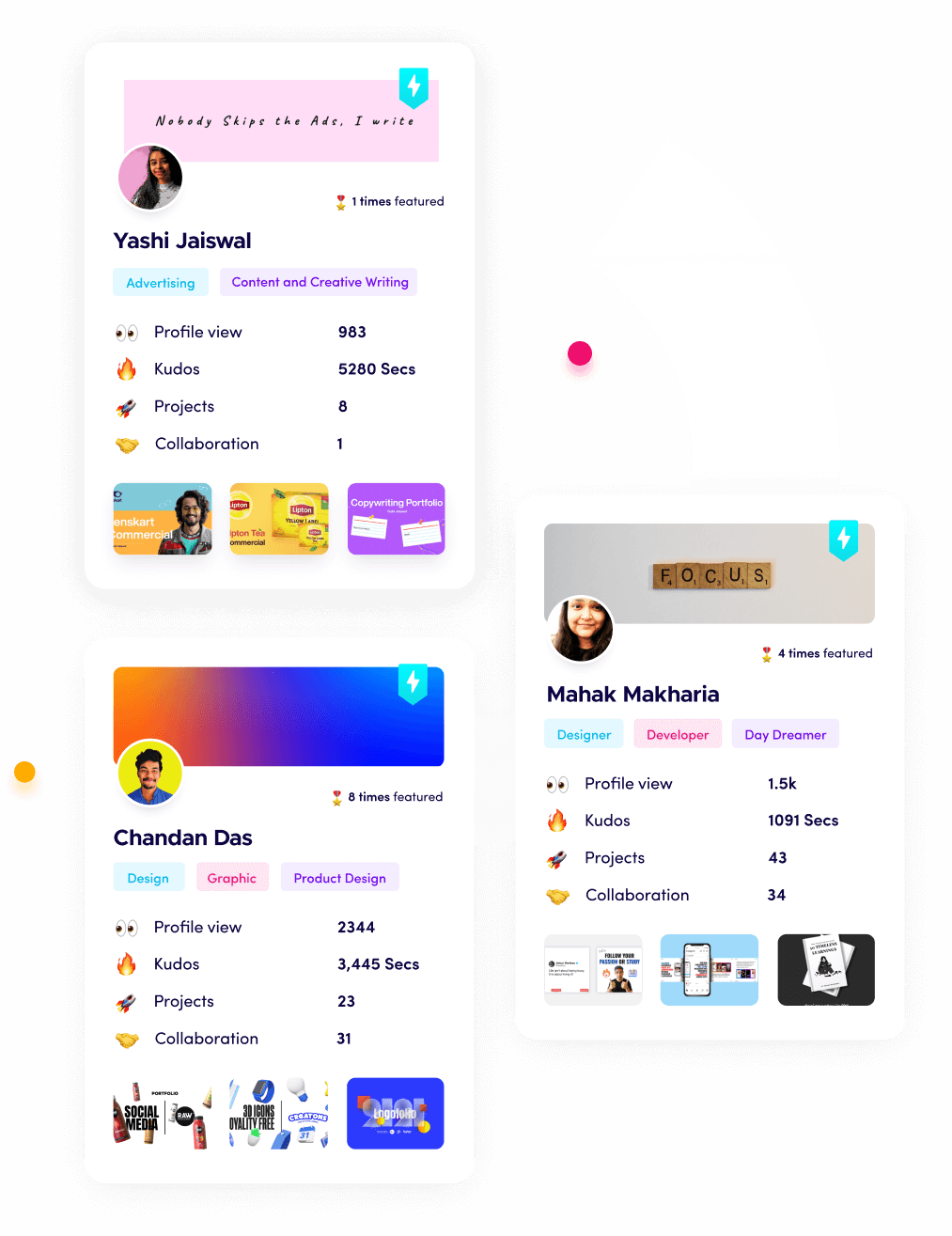
I’m Riten, founder of Fueler, a skills-first portfolio platform building the career infrastructure for 100 million creative professionals. Fueler connects talented individuals with companies through assignments, portfolios, and projects, not just resumes or CVs. Think of it as Dribbble/Behance for work samples combined with AngelList for hiring infrastructure.
Quick Answer: What Is Proof of Work in a Career?
Proof of work in a career is tangible evidence of your skills, abilities, and experience. Instead of only claiming expertise on a resume, proof of work shows actual projects, results, case studies, designs, code, writing samples, campaigns, or other real outputs you have created.
Examples of proof of work include:
Portfolio projects
Published articles
Design mockups
Open-source contributions
Case studies
💡 Find 500+ Proof of Work Ideas here
In modern hiring, proof of work helps recruiters evaluate practical ability faster than resumes alone.

Why Companies Prefer Proof of Work
Modern companies increasingly prioritize proof of work because it reduces hiring uncertainty. Instead of relying only on interviews or resumes, recruiters can directly evaluate how candidates think, execute, and communicate through real projects.
Benefits for Employers
Faster skill validation
Better hiring accuracy
Reduced resume exaggeration
Stronger role fit assessment
Easier remote hiring evaluation
Benefits for Candidates
Stronger credibility
Better visibility
More interview opportunities
Higher trust with recruiters
Faster career growth
Skills-first hiring is becoming more common across startups, remote companies, and creator-led businesses.
Common Proof of Work Mistakes
1. Uploading Too Many Weak Projects
Quality matters more than quantity.
2. Missing Metrics
Always include measurable outcomes:
traffic growth
conversions
engagement
revenue
downloads
3. No Context
Explain:
the problem
your role
process
results
4. Poor Presentation
Use:
clean layouts
screenshots
structured case studies
concise explanations
5. Not Updating Portfolio Regularly
An outdated portfolio reduces trust and visibility.
1. Understanding Proof of Work: The New Hiring Standard
Proof of work means demonstrating your capabilities by sharing concrete results and work samples. Instead of vague skill claims, you provide evidence such as project deliverables, case studies, or even small assignments that show how you approach real tasks and the impact you’ve created.
It enables candidates to showcase detailed examples of their work process and final outputs, making it easier for recruiters to understand the depth of their expertise beyond mere job titles or qualifications.
Hiring managers get the chance to evaluate how candidates solve problems in real-life situations, providing insights into their creativity, critical thinking, and technical skill application, which are often missing in traditional resumes.
By presenting actual project outcomes, professionals can bridge the gap between theoretical knowledge and practical experience, proving they can apply what they know in the workplace effectively.
This approach particularly benefits those without formal degrees or extensive work histories by focusing purely on the skills and results they can demonstrate, which levels the playing field.
Candidates gain the power to highlight their strongest work achievements, shaping their professional narrative in a way that’s more personalized and convincing than generic resume statements.
Why it matters
As the workplace moves towards skills-first hiring, proof of work empowers professionals to clearly validate their competencies, giving them an edge in recruitment processes that increasingly prefer evidence of actual ability over traditional resumes.
2. Proof of Work vs. Traditional Resumes: A Powerful Shift
Traditional resumes rely heavily on education, job titles, and bullet points describing tasks, which can sometimes exaggerate or misrepresent actual skills. Proof of work, however, focuses on outcomes and doable projects, offering more transparency.
Resumes tend to provide summarized job roles rather than detailed stories of how candidates tackled challenges, making it difficult for hiring teams to truly gauge their problem-solving or project management capabilities.
Proof of work highlights documented proof such as reports, creative designs, software code, or completed assignments that showcase tangible results achieved in past roles, which reflect real performance statistics.
Employers save significant time and reduce uncertainty by reviewing verified samples of actual deliverables, allowing them to better predict how the candidate will perform in their open role.
This method lets recruiters assess cultural and technical fit faster by seeing how a candidate’s working style and output matches the company’s standards and expectations.
Because candidates invest effort into creating and curating meaningful projects for their portfolio, proof of work encourages them to develop real skills continuously, enhancing their professional growth long-term.

Why it matters
This shift revolutionizes the hiring landscape by prioritizing what candidates actually produce, helping both employers and job seekers focus on genuine talent and results, rather than relying solely on resume claims. Implementing an AI resume screening tool can enhance the efficiency of the hiring process by quickly filtering candidates based on relevant skills and experience.
Feature | Proof of Work | Traditional Resume |
|---|---|---|
Shows Real Skills | Yes | Limited |
Demonstrates Results | Yes | Mostly claims |
Recruiter Trust | High | Medium |
Visual Evidence | Yes | No |
Interactive | Yes | No |
Portfolio-Based | Yes | No |
AI Retrieval Friendly | High | Low |
Hiring Impact | Strong | Moderate |
3. How Proof of Work Supports Career Growth and Learning
Proof of work is more than just a hiring tool; it also pushes individuals to continually improve and learn. By regularly creating tangible outputs, professionals sharpen their skills, receive feedback, and build a stronger reputation over time.
Building a portfolio of assignments and projects encourages ongoing learning, as candidates seek new challenges to add unique work examples, which deepens their expertise in specific areas.
Receiving feedback on real deliverables allows professionals to identify strengths and weaknesses, making it easier to focus their learning efforts on areas that will have the biggest career impact.
Proof of work enables professionals to adapt to changing industry demands by showcasing their ability to learn new tools, techniques, and trends through up-to-date projects.
This dynamic documentation of skills helps in setting clear career goals, enabling professionals to track their progress quantitatively and qualitatively.
Continuous portfolio building also strengthens professional confidence, providing undeniable evidence of ability to present during interviews or client discussions.
Why it matters
By linking proof of work to career growth, individuals can become lifelong learners and active contributors, keeping their skills relevant and showcasing progress in a way that traditional resumes can never capture.
4. Freelancers and Remote Workers Benefit Most from Proof of Work
In freelance and remote work, trust and transparency are critical since clients do not meet professionals face-to-face. Proof of work provides this trust by allowing freelancers to display completed projects and skills clearly and transparently.
Freelancers can use portfolios to demonstrate versatility across industries, project types, and client needs, highlighting adaptability and broad expertise.
Remote workers build credibility with global clients by sharing detailed case studies and project results that showcase dependability and quality, even from a distance.
Work samples provide evidence of meeting deadlines, adhering to client specifications, and producing measurable outcomes issues often difficult to verify remotely.
Having a strong proof of work collection helps freelancers secure higher-value contracts by making their expertise and professionalism more visible.
Proof of work platforms often include client reviews alongside completed projects, increasing trust and making it easier for future clients to choose the freelancer.
Why it matters
For freelancers and remote workers, proof of work acts as a powerful trust-builder, making it easier to attract and retain clients in a competitive virtual marketplace, beyond what resumes or word-of-mouth alone can achieve.
5. Proof of Work Helps Bridge the Gap for Career Switchers
Switching careers can be daunting when your past job titles don’t match your new ambitions. Proof of work enables you to demonstrate the relevant skills you’ve built, even if they weren’t part of your previous formal roles.
It allows career switchers to create targeted portfolios featuring transferable skills applied to new areas, proving their readiness for different industries.
By completing projects, learning assignments, or freelance gigs related to the desired field, candidates provide concrete evidence of capability despite a different background.
This approach helps bypass the traditional requirement for years of experience in the new field by emphasizing skills and results from actual work.
A strong proof of work collection gives hiring managers confidence that candidates can hit the ground running, reducing the risk of hiring someone outside their known profile.
It encourages career changers to build relevant networks by showcasing their work on platforms where employers seek new talent, enhancing visibility.
Why it matters
Proof of work provides a practical bridge for professionals changing careers, empowering them to speak the language of their new industry through real results and projects, rather than just resumes.

How to Create Proof of Work
Step 1: Choose a Skill
Pick a skill you want to showcase such as:
writing
design
coding
marketing
video editing
product management
Step 2: Build Real Projects
Create projects that solve actual problems. Examples:
redesign a landing page
write SEO articles
build a web app
create a marketing strategy
analyze a startup
Step 3: Document the Process
Show:
objective
tools used
process
challenges
final outcome
Step 4: Publish Publicly
Use platforms such as:
GitHub
Behance
Dribbble
LinkedIn
personal websites
Fueler portfolios
Step 5: Continuously Update
The strongest proof of work portfolios evolve regularly with:
new projects
metrics
testimonials
case studies
6. Key Tools to Build and Showcase Proof of Work
Modern technology offers many platforms and tools to help professionals create, organize, and share their proof of work portfolios effectively with recruiters and clients.
Platforms like Fueler allow users to upload real-world assignments and projects directly, linking their skills to verified work samples shaped by actual business needs.
Visual portfolio sites such as Behance and Dribbble enable creative professionals to display art, design, and UX work with compelling visuals and detailed project descriptions.
Github is essential for developers to share coding projects, open-source contributions, and collaboration history in a public repository.
LinkedIn now supports rich media attachments, enabling professionals to embed case studies, presentations, and work samples directly in their profiles.
Tools like Canva and Adobe Portfolio help craft polished, branded presentations of work, making portfolios look professional and engaging for potential employers.
Why it matters
Access to user-friendly and diverse portfolio tools makes building proof of work simpler and more compelling, helping candidates highlight their skills in formats recruiters increasingly prefer for talent discovery.
7. How Fueler Helps Showcase Your Proof of Work
Fueler is designed to help professionals build a skills-focused portfolio by showcasing work through real assignments and projects, rather than just resumes or CVs. It connects you directly with companies seeking talent based on actual deliverables and verified skills.
Fueler allows uploading project work that reflects your abilities in multiple domains, giving recruiters detailed insights into your practical experience.
The platform offers assignments and tests shaped by real company needs, helping you build relevant samples that match industry standards.
Fueler includes tools to organize and present your portfolio neatly, making it easy for potential employers to explore and assess your expertise.
It supports talent discovery by hiring managers actively looking for candidates with demonstrable skills rather than traditional paper qualifications.
With Fueler, you join a growing community where skills-first hiring is the norm, opening new opportunities for career growth and freelance work.
Why it matters
Platforms like Fueler are revolutionizing career building by empowering professionals to highlight true proof of work in a trustworthy way, aligning perfectly with the evolving future of hiring.
8. Preparing Your Proof of Work Portfolio: Best Practices
Creating an effective proof of work portfolio takes thoughtful preparation to make sure your skills and results are easy to understand and impressive to recruiters.
Select diverse projects that highlight both your technical proficiency and your problem-solving approach to show a well-rounded skill set.
Include detailed descriptions explaining the challenges you faced, the steps you took, and the outcomes achieved, providing hiring managers insight into your working style.
Use multimedia elements like images, videos, or code snippets to make your portfolio engaging and easy to navigate, capturing attention quickly.
Keep your portfolio updated regularly with new work to reflect ongoing growth, learning, and adaptation to industry trends.
Make sure your portfolio is easy to share with links, embedded content, or downloadable files that recruiters can access without hassle.

Why it matters
Following best practices ensures your proof of work portfolio truly reflects your capabilities and makes a lasting impression, which is essential for standing out in today’s skills-first hiring landscape.
Best Examples of Proof of Work
For Developers
GitHub repositories
deployed applications
APIs
open-source contributions
technical blogs
For Designers
UI/UX case studies
Figma prototypes
logo collections
brand redesigns
landing page concepts
For Writers
SEO articles
newsletters
ghostwritten content
published blogs
content strategy documents
For Marketers
campaign breakdowns
ad creatives
analytics dashboards
SEO audits
growth case studies
For Product Managers
product requirement documents
roadmap strategies
user research reports
feature launch analyses
Final Thoughts
Proof of work is rapidly becoming the new currency in hiring, empowering professionals to prove their abilities with real projects and portfolios instead of just resumes. This approach levels the playing field, supports career growth, and builds trust between candidates and employers. Using platforms like Fueler to showcase your work samples strategically can give you an edge in today’s competitive job market where skill evidence is king.
FAQs
1. What is proof of work in a career and why is it important?
Proof of work means showing verified examples of your skills and projects, giving employers confidence in your abilities beyond what resumes show. It’s important because it helps you stand out and get hired based on actual results.
2. How can I create a proof of work portfolio for job applications?
Start by gathering your best work samples, document your role and outcomes clearly, use multimedia to enhance presentation, and organize everything on a portfolio platform for easy sharing.
3. What are the best platforms to showcase proof of work in 2026?
Popular platforms include Fueler for skills-based assignments, Behance and Dribbble for creative portfolios, Github for developers, and LinkedIn for embedding rich media alongside profiles.
4. Can proof of work replace traditional resumes entirely?
While resumes still have value, proof of work adds a deeper layer of credibility by demonstrating real skills. Many companies now prefer candidates who provide both for a fuller picture.
5. How does proof of work help freelancers get more clients?
Freelancers attract clients by showing completed projects, client testimonials, and detailed case studies, building a portfolio that proves their expertise and work quality transparently.
Why 100,000+ professionals use Fueler
Fueler helps professionals showcase proof of work through projects, assignments, case studies, and achievements.
Thousands of professionals use Fueler to create their digital portfolio
Thousands of projects are published on Fueler. Check here
Startups and Companies hire through proof of work on Fueler
Used by freelancers, creators, marketers, video editors, writers, designers, and product managers
Our mission is to help the next 100 million professionals build a verified professional identity through proof of work


What should you do next?
You've read the article. Now turn your skills into proof of work and unlock more opportunities.
Build your proof of work portfolio
Create a clean portfolio with projects, assignments, resumes, and AI stack details that companies actually want to see.
Create your Fueler portfolio →Apply through assignments, not resumes
Stand out by solving real tasks from companies hiring on Fueler.
Explore assignments →Get discovered by companies
Make your work public and let recruiters discover your skills through actual projects instead of keywords.
Get discovered →