What is the Tharun Speaks Video Editing Cohort? Fees, Curriculum & Career Opportunities

Riten Debnath
10 Aug, 2026
Last updated: August 2026
The internet has transformed how businesses, brands, and creators reach people. A decade ago, video editing was a niche skill hidden behind expensive film school degrees and Hollywood post-production studios. Today, short-form Reels, YouTube video essays, and corporate brand videos drive the digital economy. Every startup, founder, and media company is competing for user attention, and video is their main weapon.
I’m Riten, founder of Fueler, a skills-first portfolio platform building the career infrastructure for 100 million creative professionals. Fueler connects talented individuals with companies through assignments, portfolios, and projects, not just resumes or CVs. Think of it as Dribbble/Behance for work samples combined with AngelList for hiring infrastructure.
Every single day at Fueler, I see hundreds of young video editors publish their proof of work to land freelancing clients or full-time remote roles. While looking at these portfolios, I noticed a huge gap. Many editors know how to cut clips together, but they lack storytelling skills, sound design mastery, and client-pitching strategy. That is why cohort-based programs like the Tharun Speaks Video Editing Cohort caught my attention. It promises to bridge the gap between basic editing skills and building a real, revenue-generating career.
Quick Answer Summary
- Definition: The Tharun Speaks Video Editing Cohort is a live, community-driven online training program designed to teach video editing, motion graphics, content strategy, and freelancing.
- Who It Is For: High school students, college undergraduates, fresh graduates, and aspiring creators who want to learn video editing from scratch and monetize their skills.
- Core Software Taught: Adobe Premiere Pro for editing, Adobe After Effects for motion graphics, and DaVinci Resolve for color grading, alongside modern AI video tools.
- Tiered Pricing: Offers three main learning tracks—Essential (₹4,999), Elite (₹6,999), and Ultimate (₹14,999)—to fit different support needs and budgets.
- Key Differentiator: Combines technical editing lessons with real-world client acquisition techniques, personal branding guidance, and placement support.
- Best Suited For: Beginners looking for a structured, outcome-driven roadmap to build a public portfolio and start earning online.
What is the Tharun Speaks Video Editing Cohort?
The Tharun Speaks Video Editing Cohort is an intensive, live online program created by content creator Tharun Speaks to help beginners turn video editing into a professional career. Unlike recorded online courses that sit unwatched on your laptop, this program operates on a structured timeline where students learn together as a unified group.
At its core, the program takes students from absolute zero to advanced video production. It covers foundational concepts like timeline management, audio syncing, and color correction before moving into advanced motion graphics and vertical video editing for platforms like Instagram and YouTube Shorts.
Why does this cohort model matter so much today? Most self-taught video editors get stuck because they follow random, disconnected tutorials on YouTube. They learn technical software buttons, but they never learn how to structure a story, retain viewer attention, or pitch high-paying clients.
This cohort fixes that problem by pairing technical software training with business education. You do not just learn how to cut a video; you learn how to package your work, build a strong proof-of-work portfolio on platforms like Fueler, pitch creators, and negotiate retainers.
Key Facts Table
Detailed Explanation
Video Editing & Motion Graphics Fundamentals
Video editing is not just about cutting out pauses; it is the art of manipulating time, pacing, and visual focus to hold human attention. In the Tharun Speaks Video Editing Cohort, the technical training starts with Adobe Premiere Pro, teaching you how to organize projects, trim footage, and work with multi-camera setups.
Why is this foundational step critical? Most beginners create messy timelines with hundreds of unorganized clips, which slows down their rendering speed and editing workflow. The cohort enforces professional file structures from day one, preparing students for actual industry environments where team collaboration is required.
Once students master basic cuts, the curriculum transitions into Adobe After Effects for motion graphics. You learn keyframe animation, kinetic typography, text effects, and custom visual callouts. These elements turn dry informational videos into visual spectacles that keep viewers hooked on social media platforms.
Audio Engineering and Color Grading
A video with stunning visuals but poor audio will always fail to engage an audience. The cohort focuses heavily on sound design, teaching students how to clean background noise, balance voiceovers, and layer sound effects (SFX) to match visual cuts.
How does sound impact narrative flow? When a subtle hit sound effect plays right as a visual graph pops up on screen, it signals to the viewer's brain that something important is happening. Students practice syncing audio beats with video cuts to make edits feel energetic and seamless.
For visual polish, the course introduces color correction and color grading using DaVinci Resolve and Premiere Pro. Students learn skin-tone correction, shot matching, and applying Look-Up Tables (LUTs). This step transforms flat, grey raw camera footage into cinematic, high-contrast imagery.
Short-Form Content and AI Integration
Vertical video has taken over the internet through YouTube Shorts, Instagram Reels, and TikTok. Editing short-form content requires a completely different mindset than traditional long-form videos because you must hook the viewer within the first three seconds.
The Tharun Speaks Video Editing Cohort breaks down short-form mechanics, including rapid captions, visual hooks, green screen pop-ups, and fast-paced sound design. You learn how to convert long podcasts or YouTube videos into viral short clips.
Additionally, the program integrates modern AI tools into the editing workflow. Instead of replacing editors, AI tools are used to automate repetitive tasks like auto-caption generation, background removal, and voice enhancement. This speeds up your production rate, allowing you to edit three videos in the time it used to take for one.
Client Acquisition, Agency Building & Freelancing
Knowing how to edit videos is only half the battle; knowing how to get paid for your skill is where most freelancers struggle. A major section of the cohort focuses on business operations, client outreach, and price negotiation.
What good is a brilliant video edit if nobody sees it? The program teaches students how to write personalized cold emails, reach out to creators on Twitter and LinkedIn, and present value-driven pitches. Instead of asking for a job, students are taught to send redesigns or edited sample clips directly to prospective clients.
At Fueler, we see this exact approach work time and time again. When an editor attaches a public portfolio link filled with real proof-of-work samples to their outreach email, their response rate jumps dramatically. The cohort pushes students to build this exact client-facing mindset.
How It Works
- Onboarding & Software Setup: You gain access to studio-quality recorded modules that walk you through installing and configuring Adobe Premiere Pro, After Effects, and DaVinci Resolve.
- Weekly Live Classes: Every week, live sessions are held to review assignments, answer student questions, and break down complex editing techniques step by step.
- Hands-On Assignments: After watching lectures, you receive actual footage to edit, ranging from podcast clips to promotional brand videos.
- Community Feedback & Edit Battles: Students submit their drafts to dedicated mentor groups and participate in edit battles to compete for prizes and refine their skills.
- Portfolio Assembly: Using your completed assignments, you package your best edits into a clean, public portfolio showcasing your range across short-form and long-form formats.
- Outreach & Placement Execution: Armed with your portfolio, you execute client outreach strategies learned in the program or apply directly for placement opportunities through the higher-tier tracks.
Benefits
- Structured Learning Roadmap: Eliminates the confusion of endless YouTube searching by giving you a clear, day-by-day path from beginner to advanced editor.
- Real-World Asset Bundles: Enrollees receive premium editing assets—such as overlay packs, sound effects, transition presets, and motion graphics templates—worth thousands of rupees.
- Active Peer Community: Learning alongside hundreds of ambitious peers keeps you accountable, motivated, and supported whenever you encounter technical glitches.
- Direct Mentor Reviews: Rather than editing in isolation, mentors review your timelines and point out exact frame fixes to elevate your work to client standards.
- Practical Client Pitching: You move past theoretical knowledge by actually drafting pitches, pricing your services, and reaching out to real clients during the cohort.
- Immediate Monetization Focus: The program is engineered around helping you earn back your tuition fee through freelancing, agency roles, or creator partnerships.
Challenges / Limitations
While the cohort offers immense practical value, it is not a magic solution. The primary limitation is that video editing requires significant hardware investment. If you own an old, underpowered laptop with limited RAM, running Adobe After Effects and Premiere Pro smoothly will be difficult.
Another challenge is the time commitment required. The live classes, video lectures, and editing assignments demand 10 to 15 hours of focused practice every single week. If you expect to passively watch videos without spending hours cutting timeline clips, you will not see results.
Finally, the program requires high self-discipline. Mentors and community groups provide guidance, but nobody will force you to complete your edits. If you struggle with time management or give up easily when software crashes, you might find the intense pace overwhelming.
Comparison Table
Fees, Cost & ROI Breakdown
Understanding the fee structure helps you evaluate if the Tharun Speaks Video Editing Cohort aligns with your budget and career objectives. The program offers three distinct price points based on the level of hands-on support provided.
The Essential Tier (₹4,999) gives you core access to studio-quality video lectures, two weekly live classes, and entrance into the general learning community. It is designed for self-motivated learners who want structured lessons without needing individual 1-on-1 mentorship.
The Elite Tier (₹6,999) builds on Essential by adding dedicated mentors, weekly social media masterclasses, edit battle competitions, and asset bundles worth ₹5,000. This is ideal for students who want direct feedback on their edits to refine their skills quickly.
The Ultimate Tier (₹14,999) is the top-level plan. It includes a Personal Learning Manager, direct placement opportunities paying around ₹30,000 per month, a private group with Tharun, and asset packs valued at ₹10,000.
From a return-on-investment (ROI) perspective, landing just one freelance video editing client paying $150 to $200 (₹12,000 to ₹16,000) for a short series of Reels fully covers your cohort investment. In the creative industry, ROI is directly tied to how fast you publish your proof of work and pitch clients.
Career Opportunities
- Short-Form Video Specialist: Edit Instagram Reels, YouTube Shorts, and TikTok videos for creators and consumer brands. Salary Range: ₹25,000 to ₹60,000 per month (or $15–$35/hr freelancing).
- YouTube Video Editor: Assemble long-form video essays, vlogs, and educational content with smooth narrative pacing and graphics. Salary Range: ₹35,000 to ₹80,000 per month per creator retainer.
- Motion Graphics Designer: Focus on animated titles, kinetic text, lower thirds, and complex visual effects using After Effects. Salary Range: ₹40,000 to ₹1,000,000+ per year in agency roles.
- Content Growth Lead: Oversee video production, viral scripting, and editing strategy for venture-backed startups and media agencies. Salary Range: ₹60,000 to ₹1,20,000 per month.
- Independent Freelancer / Agency Owner: Package video editing services, hire junior editors, and serve global clients remotely. Income Potential: ₹1,000,000 to ₹3,000,000+ annually based on client retainer volume.
Who Should Choose This?
- College Students & Freshers: Anyone looking to build an online income stream while studying, without needing a formal computer science or filmmaking degree.
- Aspiring Content Creators: Individuals who want to produce high-quality YouTube or Instagram videos for their own personal brand without paying external editors.
- Self-Taught Beginners: Editors who know basic software tools but struggle with advanced motion graphics, sound design, and narrative pacing.
- Freelancers Seeking Clients: Creative professionals who have technical skills but do not know how to cold email, pitch creators, or close retainers.
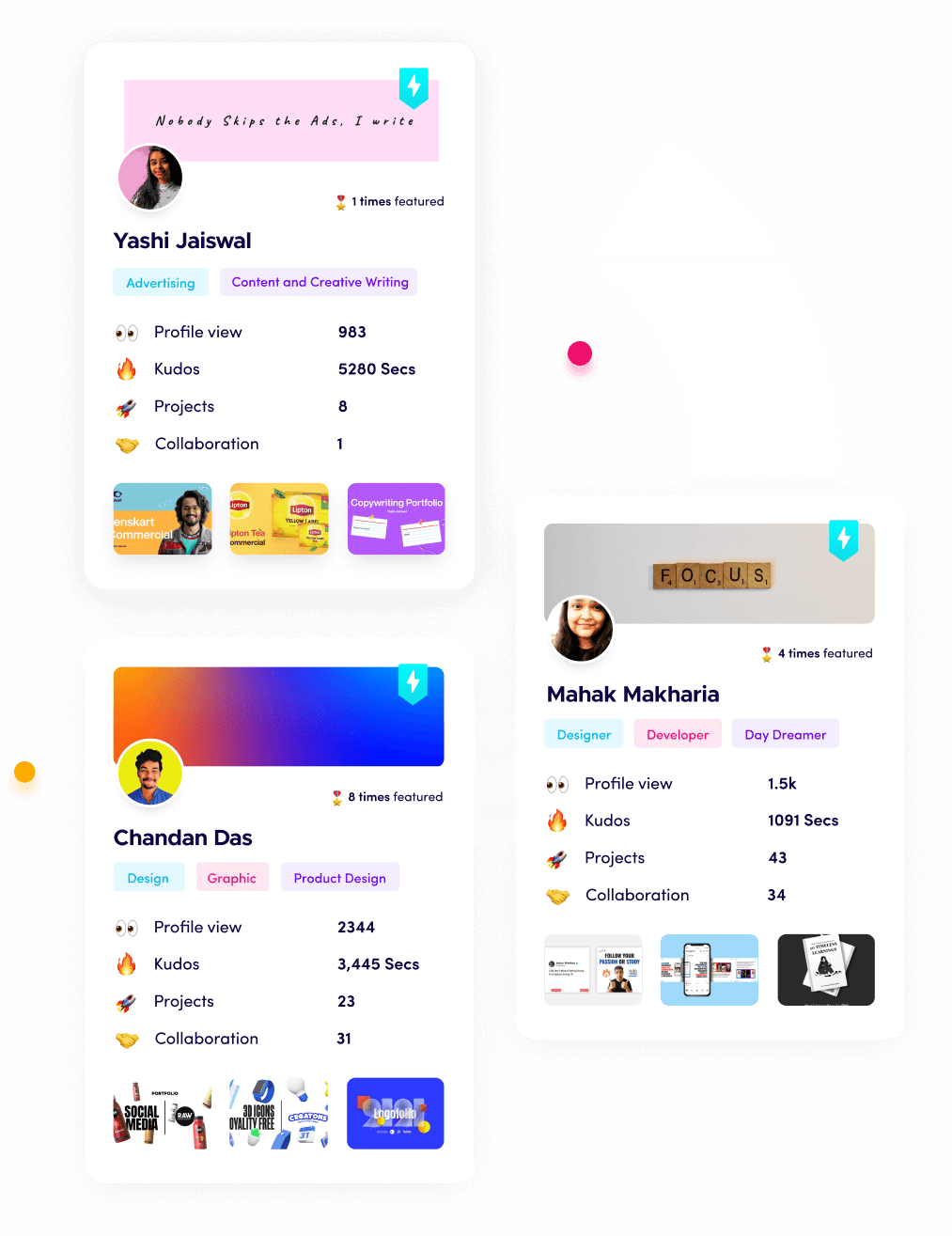
- Portfolio Builders: Talent who want structured assignments that can be immediately featured on a Fueler profile to showcase proof of work to employers.
Who Should Avoid This?
- Hardware-Constrained Individuals: Anyone who does not own a computer capable of running Adobe Premiere Pro and After Effects smoothly.
- Passive Learners: People who expect to land high-paying clients simply by watching videos without doing hours of editing practice.
- Filmmakers Seeking Traditional Cinema: Directors looking exclusively for Hollywood cinema direction, screenwriting, and traditional film set production.
- Advanced Professional Editors: Industry veterans who already master color grading in DaVinci Resolve, complex 3D VFX, and enterprise post-production pipelines.
Final Thoughts
The creative economy does not care about your resume, your college GPA, or where you live. Employers and creators only care about one thing: Can you edit videos that keep viewers engaged?
When I look at the hiring landscape through Fueler, the most successful creative professionals are those who consistently build, polish, and publish their proof of work. The Tharun Speaks Video Editing Cohort offers a clear shortcut through the noise. It packages technical software training, community accountability, and client acquisition tactics into a structured learning environment.
If you are willing to put in the time, complete every assignment, and aggressively share your work online, this program can serve as a powerful launching pad for your creative career. Focus on mastering the craft, host your sample projects publicly, and let your skills speak for themselves.
Key Takeaways
- The Tharun Speaks Video Editing Cohort is a practical online program teaching Adobe Premiere Pro, After Effects, DaVinci Resolve, and AI tools.
- It combines technical video editing lessons with essential business training like client pitching and personal branding.
- Pricing starts at ₹4,999 for Essential, ₹6,999 for Elite, and ₹14,999 for Ultimate with placement support.
- Students learn through studio lectures, weekly live Q&A sessions, hands-on assignments, and edit battles.
- Success in the cohort requires dedicated hardware, 10–15 hours of weekly practice, and consistent portfolio building.
- Landing a single freelance editing client can recover the entire cost of the program.
FAQs
What software is taught in the Tharun Speaks Video Editing Cohort?
The cohort primarily teaches Adobe Premiere Pro for core editing, Adobe After Effects for motion graphics, DaVinci Resolve for color grading, and various modern AI tools for speeding up workflows.
Do I need prior editing experience to join this program?
No prior editing experience is required. The curriculum starts with basic software navigation and file management before progressing to advanced animation, color grading, and short-form video creation.
What are the fees for the Tharun Speaks Video Editing Cohort?
The program features three pricing tiers: Essential at ₹4,999, Elite at ₹6,999, and Ultimate at ₹14,999, depending on the level of mentorship, assets, and placement support included.
How does the cohort help students land video editing clients?
The program includes dedicated modules on client outreach, cold emailing, price negotiation, and personal branding. It teaches students how to create sample edits and pitch creators directly.
What hardware system do I need to attend the classes smoothly?
You need a laptop or desktop computer with at least 8GB to 16GB of RAM, a multi-core processor, a dedicated graphics card, and sufficient storage to run Adobe Premiere Pro and After Effects efficiently.
Why 100,000+ professionals use Fueler
Fueler helps professionals showcase proof of work through projects, assignments, case studies, and achievements.
- Thousands of professionals use Fueler to create their digital portfolio
- Thousands of projects are published on Fueler. Check here
- Startups and Companies hire through proof of work on Fueler
- Used by freelancers, creators, marketers, video editors, writers, designers, and product managers
Our mission is to help the next 100 million professionals build a verified professional identity through proof of work

What should you do next?
You've read the article. Now turn your skills into proof of work and unlock more opportunities.
Build your proof of work portfolio
Create a clean portfolio with projects, assignments, resumes, and AI stack details that companies actually want to see.
Create your Fueler portfolio →Apply through assignments, not resumes
Stand out by solving real tasks from companies hiring on Fueler.
Explore assignments →Get discovered by companies
Make your work public and let recruiters discover your skills through actual projects instead of keywords.
Get discovered →