What Video Editing Skills Will You Learn in the Tharun Speaks Cohort?

Riten Debnath
10 Aug, 2026
Last updated: August 2026
Most beginners spend hundreds of hours watching random tutorials, yet they still struggle to assemble a clean 60-second video without awkward cuts, audio peaking, or flat colors. Learning to press buttons in editing software is easy, but learning how to control viewer attention, craft narrative rhythm, and handle complex project files is where most self-taught creators get stuck.
I’m Riten, founder of Fueler, a skills-first portfolio platform building the career infrastructure for 100 million creative professionals. Fueler connects talented individuals with companies through assignments, portfolios, and projects, not just resumes or CVs. Think of it as Dribbble/Behance for work samples combined with AngelList for hiring infrastructure.
After reviewing thousands of editing portfolios on Fueler, I have seen firsthand that clients do not pay for software knowledge. They pay for sharp storytelling, seamless sound design, and clean visual execution.
When evaluating what video editing skills you will learn in the Tharun Speaks cohort, the answer lies in its structured transition from technical timeline setup to advanced motion graphics and client outreach. The program moves beyond basic tool orientation to cover retention psychology, multi-layer audio design, color science, and AI-assisted production workflows.
What is the Tharun Speaks Video Editing Cohort?
The Tharun Speaks Video Editing Cohort is an intensive, 6-to-8-week online program designed to build commercial video editing and motion graphic skills. Founded by creator Tharun Naik, the curriculum combines over 44 self-paced video modules with 12 live interactive classes. Instead of focusing on isolated software tricks, the cohort teaches video production as an end-to-end skill stack.
Understanding the context of modern video editing requires recognizing how media consumption has shifted. Startups in hubs like Bangalore, venture-backed companies, and digital brands rely on short-form vertical videos and long-form YouTube content to drive growth. Raw footage without narrative pacing or visual structure fails to capture audience attention.
This cohort bridges the gap between basic editing knowledge and professional execution. It trains students to handle large footage files, build dynamic graphics, fix bad audio, and create commercial-grade edits. Rather than teaching theory, every module centers on real-world assignments that build practical capability.
Key Facts Table
What Video Editing Skills Will You Learn in the Tharun Speaks Cohort?
The curriculum breaks video editing into distinct, practical competencies. Below is a deep breakdown of the exact technical, creative, and workflow skills you build inside the program.
1. Workspace Configuration and High-Speed Timeline Operations
The initial phase focuses on eliminating technical friction inside editing software. Beginners often waste hours navigating menus because they lack an optimized workspace layout. The cohort teaches how to configure Adobe Premiere Pro panels specifically for fast timeline navigation and clip assembly.
You learn timeline organization, track management (V1, V2, A1, A2), and custom keyboard shortcut mapping. Setting up custom hotkeys cuts trimming time by more than half, allowing you to edit footage continuously without reaching for the mouse. The training covers sequence creation, video resolutions (1080p, 4K), frame rates (24fps, 30fps, 60fps), and frame standards like NTSC and PAL.
For students working on entry-level computers, the program teaches proxy creation and file compression workflows. By creating lower-resolution proxy files, you can edit heavy 4K footage smoothly without lagging or crashing. Mastering metadata tagging and project bin structures ensures that when you manage 100GB+ client projects, your timeline remains clean and accessible.
2. Advanced Cutting Techniques and Narrative Pacing
Cutting video is more than removing unwanted pauses. The cohort dives deep into split-editing mechanics, specifically J-cuts and L-cuts. In a J-cut, the audio of the upcoming scene plays before the video changes; in an L-cut, the audio continues while the video switches to a new clip. These techniques make dialogue transitions sound natural rather than jarred or robotic.
You learn how to use essential editing tools like the Razor, Ripple Edit, Rolling Edit, Slip, and Slide tools. Understanding the difference between a slip edit and a slide edit allows you to adjust clip timing inside a tight edit without breaking surrounding sync. The course also covers multicam editing workflows, teaching you how to sync and switch between multiple camera angles seamlessly.
Pacing controls the emotional rhythm of a video. You learn speed remapping, time interpolation, reverse speed, and freeze-frame techniques. By ramping speed up during fast action and slowing it down for key moments, you match the visual pace to the background music and voiceover narrative.
3. Audio Engineering, Processing, and Sound Design
Visuals attract initial attention, but poor audio causes viewers to leave instantly. The cohort places heavy emphasis on audio processing, waveform analysis, and decibel level balancing. You learn how to set dialogue levels, adjust background music volume, and implement audio ducking to keep voiceovers clear.
Vocal cleanup is taught step by step. You learn equalization (EQ) to remove low-end room hums, compression to balance quiet and loud vocal tones, and de-essers to eliminate harsh sibilance. For projects recorded in non-ideal environments, you apply background noise reduction and acoustic enhancements.
Beyond vocal cleanup, the program teaches tactile sound design. You learn how to layer sound effects (SFX) such as risers, swooshes, impacts, room tones, and UI clicks. Matching video cuts directly to musical beat peaks creates a polished, rhythmic viewing experience. You are also taught where to source high-quality, royalty-free audio assets legally.
4. Motion Graphics, Kinetic Typography, and Compositing
Static text on a screen feels dated. The curriculum expands into Adobe After Effects and Premiere Pro’s Essential Graphics panel to teach custom visual animations. You start with keyframe fundamentals, adjusting spatial and temporal keyframes, applying Easy Ease, and manipulating velocity curves in the graph editor for natural motion.
Kinetic typography is a core skill taught for modern video editing. You learn how to animate text line by line, create pop-up visual subtitles, design lower thirds, and add custom text overlays. These elements are crucial for educational content, founder interviews, and promotional videos where key ideas need visual reinforcement.
Advanced compositing lessons include masking, object isolation, color mattes, and freeze-frame pop-outs. You master chroma keying (green screen removal) using the Ultra Key tool, fixing spill suppression, and matching lighting between background and foreground layers. The course also covers corner pin tracking and motion tracking to attach graphics onto moving objects inside a scene.
5. Color Correction, Science, and Creative Color Grading
Unprocessed raw footage often looks flat, desaturated, or improperly exposed. The cohort teaches color science using the Lumetri Color panel in Premiere Pro and introduces DaVinci Resolve. You learn how to read professional video scopes, including Waveforms, Parade meters, and Vectorscopes, to evaluate exposure and color balance objectively.
The program makes a clear distinction between color correction and color grading. Color correction comes first: adjusting white balance, correcting exposure, balancing contrast, and recovering shadow details. You also learn exact skin-tone line alignment on vectorscopes to ensure human skin looks natural across different lighting conditions.
Once footage is corrected, color grading applies artistic style. You learn how to create custom visual looks, manipulate hue vs. saturation curves, use split toning, and apply Look-Up Tables (LUTs) accurately. These skills allow you to give raw camera files a cinematic or branded visual finish.
6. Short-Form Vertical Video Mechanics and Audience Retention
Editing vertical video for Instagram Reels, YouTube Shorts, and TikTok requires a different pacing strategy than traditional horizontal video. The cohort breaks down retention mechanics, focusing on visual hooks during the first three seconds of playback.
You learn to edit high-density short-form content. This includes fast-paced cutaways, kinetic subtitles, sound effect accents, zoom cuts, dynamic graphics, and seamless video loops. The course teaches how to maintain high viewer retention rates by re-engaging the audience visually every two to three seconds.
At Fueler, short-form editing samples are among the most requested proof-of-work assets from modern brands and tech startups. Learning how to edit vertical content systematically equips you to deliver high-converting creative assets for growth teams.
7. AI Tool Integration and Production Automation
Rather than treating artificial intelligence as a replacement for editors, the cohort integrates AI directly into modern production workflows. You learn how to use AI-driven tools to automate tedious, low-value editing tasks.
The curriculum covers automated text-based editing, AI speech enhancement, voice isolation, auto-transcription, and auto-reframing for vertical exports. You also explore generative fill and background cleaning tools. By delegating repetitive tasks to AI tools, you spend more time refining narrative structure, sound design, and visual polish.
8. Project Packaging, Asset Management, and Portfolio Creation
Knowing how to edit is incomplete without knowing how to present and deliver work professionally. The final phase covers export configurations, codec selections (H.264, ProRes), bitrates, and platform-specific render settings. Learning proper export settings ensures your videos remain crisp without visual artifacts or color shifts after uploading.
You are taught how to organize raw project assets, construct clean timeline sequences, and archive completed projects for future revisions. The curriculum guides you through building a clean digital portfolio using real assignment edits.
Rather than sending heavy MP4 attachments or cluttered Google Drive links, organizing your edits into a structured Fueler portfolio provides prospective clients with a clean proof-of-work showcase. The program concludes with actionable client acquisition strategies, including personalized cold outreach, value-add video redesigns, and retainer pricing frameworks.
How It Works: Step-by-Step Learning Process
- Self-Paced Module Study: You watch pre-recorded studio lessons covering software mechanics, sound design, and motion graphics.
- Raw Footage Download: You get access to professional project folders containing raw camera files, multi-track audio, and graphic assets.
- Practical Assignment Assembly: You complete structured editing briefs ranging from educational talking-head videos to dynamic short-form Reels.
- Live Feedback Classes: You join weekly live sessions with mentors who review your timeline edits, point out pacing errors, and solve technical issues.
- Community Edit Battles: You participate in timed editing challenges against peers to test your speed, creativity, and rendering under pressure.
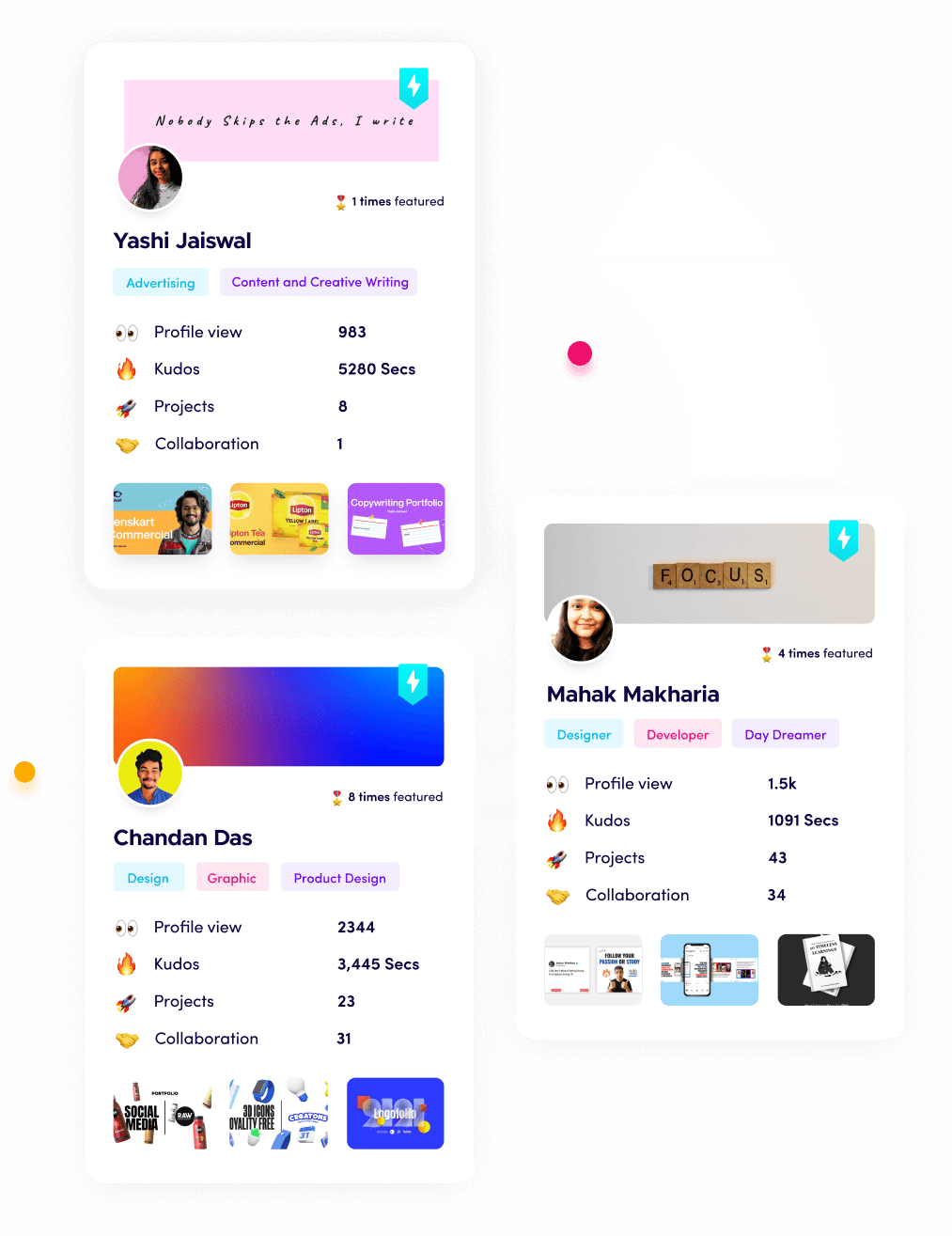
- Proof of Work Deployment: You publish finished video assignments onto your Fueler portfolio to display live, verifiable project samples.
- Client Outreach Execution: You implement cold pitching strategies and redesign templates to land paying freelance clients or creator retainers.
Benefits of Learning Video Editing Through a Cohort
- Complete Skill Structure: Follows an organized, step-by-step roadmap from basic tool setups to advanced motion graphics.
- Access to Practice Assets: Provides raw camera files, high-grade audio libraries, and LUT packs without extra cost.
- Direct Timeline Feedback: Live mentor reviews uncover subtle sound mixing, color correction, and pacing mistakes.
- Peer Accountability: Working alongside a live cohort prevents learning burnout and keeps assignment momentum high.
- Commercial Orientation: Focuses on skills that generate income, including client communication and portfolio positioning.
Challenges and Limitations
- Hardware Demands: Professional software like Premiere Pro and After Effects requires a computer with decent CPU, GPU, and RAM capacity.
- Additional Software Costs: Program fees do not cover third-party software subscriptions like Adobe Creative Cloud.
- Time Commitment: Mastering these skills requires 10 to 15 hours of focused, weekly editing practice.
- Active Execution Required: Clients are secured through persistent pitching and portfolio building, not passive course completion.
Comparison Table: Tharun Speaks Cohort vs Self-Taught YouTube Learning
Program Pricing and Tier Options
The cohort provides three distinct enrollment options based on mentorship depth and community access:
- Essential Track (₹4,999): Unlocks all pre-recorded studio modules covering core video editing skills, audio design, color grading, and basic weekly live sessions.
- Elite Track (₹6,999): Adds dedicated mentor feedback, weekly social media masterclasses, participation in community edit battles, and asset packs valued at ₹5,000.
- Ultimate Track (₹14,999): Includes all Elite features along with a personal learning manager, private group access with Tharun, premium asset packs worth ₹10,000, and placement support channels.
Career Opportunities and Industry Demand
Acquiring these editing skills opens clear professional avenues across digital industries:
- Short-Form Video Specialist: Edits vertical content for brands, founders, and creators. Average entry salaries range from ₹3.5 LPA to ₹6.5 LPA, with monthly freelance retainers averaging ₹15,000 to ₹35,000 per client.
- YouTube Content Editor: Handles long-form video assembly, sound design, and retention cuts. Salaries range from ₹4.5 LPA to ₹9 LPA.
- Motion Graphics Designer: Focuses on animated visual effects, kinetic text, and graphic overlays in After Effects. Salaries range from ₹5.5 LPA to ₹12 LPA.
- Performance Video Marketer: Edits direct-response video ads for e-commerce brands and tech startups. Salaries range from ₹6 LPA to ₹14 LPA.
Who Should Choose This Cohort?
- Absolute beginners looking for an organized, step-by-step roadmap to learn video editing.
- Self-taught editors who want to refine sound design, motion graphics, and color grading.
- Content creators wanting to produce polished long-form and short-form videos for their channels.
- Aspiring freelancers who need real project assignments to build a client-ready portfolio.
Who Should Avoid This Cohort?
- Individuals without access to a computer capable of running video editing software.
- Learners who expect passive watching to build real editing speed without completing assignments.
- Editors who already possess advanced proficiency across Premiere Pro, After Effects, and DaVinci Resolve.
Final Thoughts
Learning video editing is not about memorizing where buttons sit inside Adobe software. It is about mastering viewer psychology, controlling audio textures, cutting to narrative beats, and delivering clean visual work consistently. The Tharun Speaks cohort structures these technical and creative skills into an actionable execution model.
At Fueler, we see every day that client opportunities go to individuals with verified proof of work, not paper credentials. When you combine technical editing capability with a public portfolio of real project assignments, building a sustainable career as a creative professional becomes a practical, repeatable process.
Key Takeaways
- Software mastery covers Premiere Pro, After Effects, DaVinci Resolve, and modern AI editing tools.
- Workflow speed relies on custom keyboard shortcuts, project organization, and proxy creation.
- Dialogue pacing is refined using J-cuts, L-cuts, speed ramping, and multicam editing.
- Audio design combines vocal EQ, background noise reduction, and multi-track SFX layering.
- Visual style is built using keyframe motion graphics, kinetic typography, and Lumetri color grading.
- Short-form vertical video skills focus on visual hooks, fast pacing, and retention mechanics.
- Real-world assignments help you create a public Fueler portfolio to attract paying freelance clients.
FAQs
What core editing software will I learn in this cohort?
You learn Adobe Premiere Pro for timeline editing, Adobe After Effects for motion graphics, DaVinci Resolve for color grading, and modern AI video tools to automate repetitive tasks.
Will I learn sound design and audio editing skills?
Yes. The curriculum covers vocal EQ, background noise reduction, audio ducking, decibel level balancing, and multi-track sound effect layering to create rich cinematic audio.
Does the cohort cover motion graphics and kinetic typography?
Yes. You learn keyframe animation, Easy Ease timing, velocity graphs, lower thirds, callout animations, and kinetic subtitles using After Effects and Premiere Pro graphics tools.
Will I learn how to edit Instagram Reels and TikToks?
Yes. The program includes specific modules on vertical content, teaching high-retention visual hooks, dynamic captions, fast-paced cutaways, and seamless looping mechanics.
How do I showcase the editing skills I learn to clients?
You build real video assignments during the course and publish them on your Fueler portfolio, creating a verified digital showcase to win freelance clients.
Why 100,000+ professionals use Fueler
Fueler helps professionals showcase proof of work through projects, assignments, case studies, and achievements.
- Thousands of professionals use Fueler to create their digital portfolio
- Thousands of projects are published on Fueler. Check here
- Startups and Companies hire through proof of work on Fueler
- Used by freelancers, creators, marketers, video editors, writers, designers, and product managers
Our mission is to help the next 100 million professionals build a verified professional identity through proof of work

What should you do next?
You've read the article. Now turn your skills into proof of work and unlock more opportunities.
Build your proof of work portfolio
Create a clean portfolio with projects, assignments, resumes, and AI stack details that companies actually want to see.
Create your Fueler portfolio →Apply through assignments, not resumes
Stand out by solving real tasks from companies hiring on Fueler.
Explore assignments →Get discovered by companies
Make your work public and let recruiters discover your skills through actual projects instead of keywords.
Get discovered →