Who Should Join the Tharun Speaks Video Editing Cohort?

Riten Debnath
10 Aug, 2026
Last updated: August 2026
When I look at how hiring is evolving in the creative economy, one thing stands out clearly: traditional resumes are completely dead. Companies, creators, and fast-growing startups today care far less about where you went to school and far more about what you can actually build, edit, write, or design.
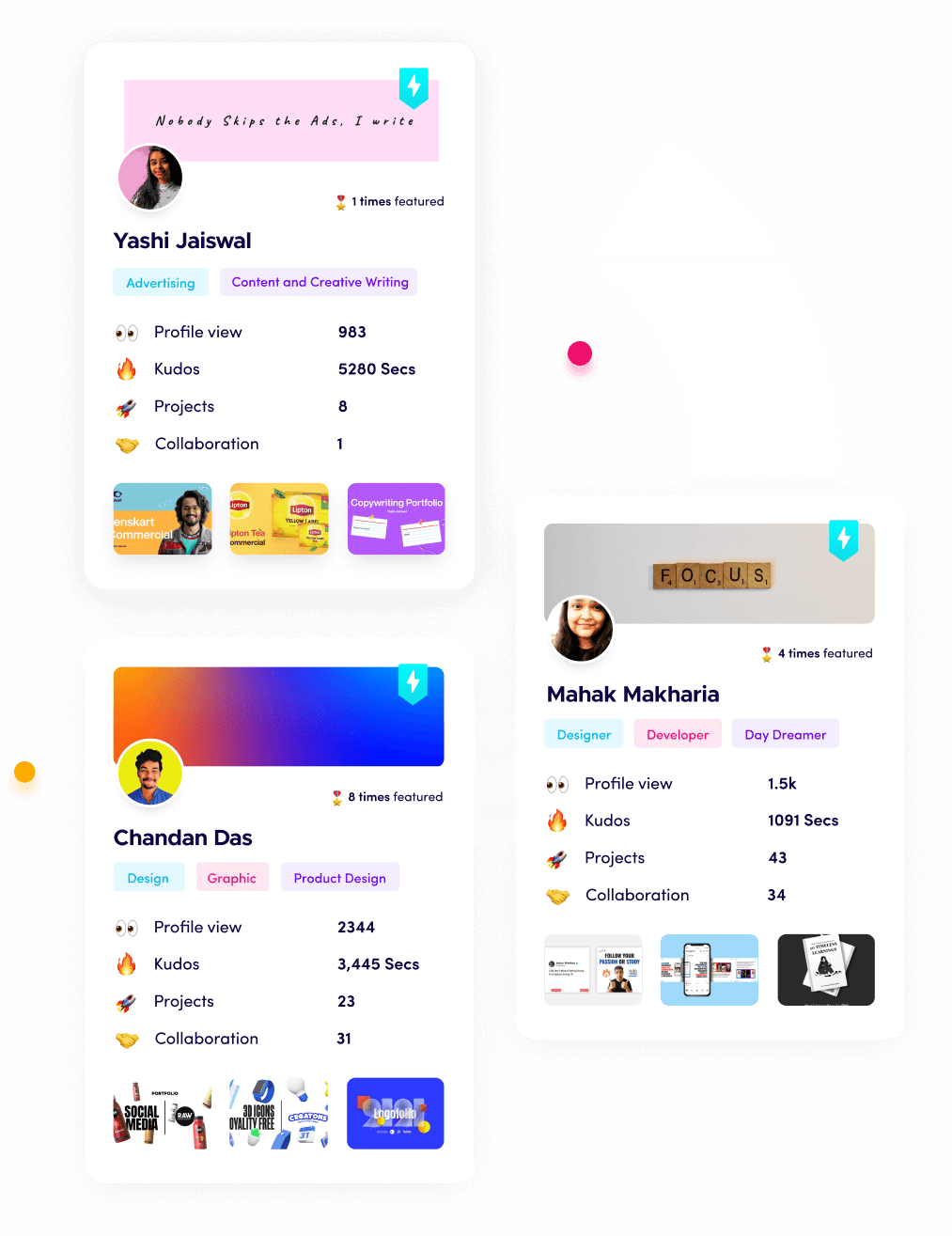
I’m Riten, founder of Fueler, a skills-first portfolio platform building the career infrastructure for 100 million creative professionals. Fueler connects talented individuals with companies through assignments, portfolios, and projects, not just resumes or CVs. Think of it as Dribbble/Behance for work samples combined with AngelList for hiring infrastructure.
Over the last few years at Fueler, I have reviewed tens of thousands of portfolios. I have seen talented editors land high-paying gigs with top YouTube creators, and I have seen equally skilled people struggle for months without getting a single client. The difference almost never comes down to who knows more software shortcuts. It comes down to who understands how attention works, how storytelling functions on modern social feeds, and how to present proof of work to a client.
That is why programs like the Tharun Speaks Video Editing Cohort caught my attention. It promises to bridge the gap between basic video cutting and building a real, revenue-generating career in video editing. In this guide, I will break down everything you need to know about the program what it covers, how it operates, who should join, who should avoid it, and what the real return on investment looks like.
Quick Answer Summary
- Definition: A practical live cohort program that teaches modern retention video editing, motion graphics, and client outreach skills.
- Who it is for: College students, self-taught editors, aspiring freelancers, and creators wanting to monetize video production.
- Cost: Multiple tier options ranging from ₹4,999 (Essential) up to ₹14,999 (Ultimate) depending on cohort features.
- Key takeaway: Focuses heavily on retention, editing, storytelling, portfolio building, and landing paid client work.
- Best suited for: Self-motivated learners who want guided accountability, community feedback, and a structured path to earning.
What is the Tharun Speaks Video Editing Cohort?
The Tharun Speaks Video Editing Cohort is a structured online live learning program designed to train individuals in modern video editing, visual storytelling, and freelance client acquisition. Created by popular creator Tharun Speaks, the course focuses on high-retention video formats the exact editing style that powers successful YouTube channels, Instagram Reels, YouTube Shorts, and brand advertisements.
Instead of operating like an old-fashioned academic course that spends weeks explaining what every button in Adobe Premiere Pro does, this cohort moves quickly into real project execution. Students learn how to cut clips for maximum engagement, design clean motion graphics in After Effects, balance and edit audio, apply color grading, and use modern AI tools to speed up their editing workflow.
Video editing in today's media landscape is no longer just a technical utility. It is an attention engine. Brands, venture-backed startups, and solo creators are all competing for human attention on mobile screens. This cohort matters because it teaches students not just how to edit footage, but how to hold viewer attention and translate those editing skills into actual paid opportunities.
Key Facts Table
Detailed Explanation
1. Retention Editing and Storytelling Dynamics
At its core, modern video editing is about managing viewer retention. When a user clicks on a YouTube video or scrolls past a reel, you have roughly three seconds to stop them from swiping away. Traditional editing courses teach cuts, fades, and basic timeline management, but they completely ignore audience psychology.
The cohort breaks down retention editing into actionable components: hooks, pacing adjustments, sound effects, visual patterns, and text overlays. You learn how to identify dead space in raw footage, remove unnecessary pauses, and re-order clips to create compelling narrative arcs. When you understand why a viewer clicks away, you learn how to edit footage specifically to keep them watching longer.
2. Software Mastery and Motion Graphics Integration
Knowing where tools are inside video editing software is important, but speed is what makes an editor profitable. The curriculum covers workflow optimizations in Adobe Premiere Pro and After Effects, showing students how to organize assets, use keyboard shortcuts, and automate repetitive tasks.
Rather than treating motion graphics as an isolated design subject, the cohort demonstrates how to add subtle visual animations directly into video edits. You learn how to animate text, add kinetic typography, build lower thirds, insert track elements, and use motion presets that add cinematic value without taking hours to render.
3. Audio Engineering and Color Grading Fundamentals
Poor audio ruins great footage faster than bad camera work ever will. The technical editing modules delve into sound design, showing how audio layers build emotional depth. You learn how to clean background noise, balance dialogue levels against background music, use sound effects (SFX) strategically, and shape audio transitions.
Color grading is tackled with a focus on practical aesthetics rather than hyper-complex studio color pipelines. The training walks you through primary color correction, shot matching across different cameras, applying LUTs intelligently, and styling footage so it matches a brand or creator's unique visual identity.
4. Client Outreach and Personal Branding
The single biggest reason skilled editors fail to earn money is that they expect clients to magically find them. The cohort directly addresses the business side of freelancing. You are taught how to identify potential clients, write effective cold emails and direct messages, pitch value instead of asking for work, and structure video packages.
Instead of relying on generic job boards, students learn how to build proof-of-work assets. At Fueler, we always emphasize that a client wants to see what you can deliver for them specifically before they ever hire you. By learning how to create sample edits, spec projects, and clean portfolio showcases, cohort members learn how to stand out in a flooded inbox.
How It Works
- Onboarding and Orientation: Students get access to the course portal, orientation calls, and community channels (Discord/Telegram).
- Core Technical Learning: You begin watching recorded studio-quality modules while attending live interactive sessions focused on specific editing techniques.
- Hands-On Assignments: After learning concepts like hooks, visual cuts, or motion graphic layers, you receive raw footage to edit and submit for feedback.
- Peer and Mentor Reviews: Submissions undergo review by dedicated mentors and community members, allowing you to iterate on your mistakes.
- Edit Battles and Challenges: Students participate in community edit competitions to hone speed, creativity, and pressure handling.
- Portfolio Creation: You consolidate your best assignments and spec edits into a clean, public portfolio that highlights your style and technical range.
- Client Acquisition Execution: Armed with a solid portfolio, you implement cold outreach techniques, apply for community placements, and start pitching clients.
Practical Career Benefits
Joining a structured video editing cohort provides direct outcomes that extend beyond simple software knowledge:
- Proof of Work Over Certificates: You graduate with actual video projects, spec edits, and working files rather than a useless piece of paper. When prospective clients review your work on platforms like Fueler, they make hiring decisions based on visual evidence.
- Faster Feedback Loops: Trying to learn video editing alone on YouTube often takes months of trial and error. Direct mentor feedback highlights your mistakes immediately, whether it is bad audio mixing or awkward visual cuts.
- High-Pacing Editing Workflow: You learn production shortcuts and asset management systems that cut your editing time in half, allowing you to handle more clients simultaneously.
- Understanding Creator Operations: You gain insight into how modern YouTube channels, digital agencies, and content teams operate internally, making you immediately valuable on day one.
- Direct Access to Community and Hiring: High-performing students often gain access to internal placement leads, client referrals, and edit challenges that open direct doors to paid work.
Challenges and Limitations
No program is a magic silver bullet, and it is vital to remain realistic about what any online cohort can offer:
- Hardware Requirements: Video editing demands decent hardware. If you are trying to edit high-bitrate 4K footage or render After Effects compositions on an underpowered laptop with 4GB RAM, you will face severe frustration regardless of how good the course is.
- Requires Heavy Self-Discipline: The cohort provides live calls, assignments, and structure, but nobody will force you to sit in front of your editing timeline for hours. If you expect passive results simply by paying the fee, you will waste your money.
- High Market Competition: Thousands of people are learning video editing today. The cohort teaches outreach, but landing clients still requires thick skin, resilience against rejection, and consistent effort.
- Not an Academic Degree: If you are looking for formal university credits or a recognized government diploma, this program is not for you.
Comparison Table
Fees and Plans Structure
The cohort typically operates under a tiered pricing model to cater to different learning needs and budgets:
- Essential Plan (~₹4,999): Provides access to core video lectures, weekly live classes, and baseline community access. Ideal for budget-conscious self-starters who just want the technical curriculum.
- Elite Plan (~₹6,999): Includes everything in Essential, plus dedicated mentor guidance, weekly social media masterclasses, editing asset packs, and access to edit battles.
- Ultimate Plan (~₹14,999): Includes all Elite features, alongside a personal learning manager, access to exclusive placement channels (roles paying up to ₹30,000/month), a private group with Tharun, and expanded asset bundles.
Return on Investment (ROI) Analysis
From an economic perspective, video editing offers one of the fastest return periods in the digital economy. If you secure the Ultimate plan at ₹14,999, landing just one freelance client paying ₹15,000 for a package of 4 to 6 short-form reels completely recovers your entire tuition cost in a single month.
Career Opportunities
Mastering retention video editing opens up several flexible career paths across different sectors:
- YouTube Channel Editor: Working directly with established creators to edit long-form videos, craft hooks, and increase channel watch time.
- Short-Form Content Specialist: Editing high-energy Reels, TikToks, and YouTube Shorts for brands, founders, and agencies.
- Agency Video Editor: Joining a digital marketing or performance agency to edit paid video ads and social media campaigns.
- In-House Creator/Editor at Startups: Tech startups in hubs like Bangalore regularly hire in-house editors to run their video marketing and content engine.
- Freelance Video Business: Building an independent client base globally and managing your own studio or editing agency.
Salary and Earning Potential
- Beginner / Freelancer (0–1 Year): ₹15,000 – ₹35,000 per month (or ₹1,000 – ₹3,000 per short video).
- Mid-Level Editor (1–3 Years): ₹40,000 – ₹80,000 per month managing full channels or performance ad creatives.
- Senior Editor / Lead Creator: ₹1,00,000+ per month, working with top-tier international clients or running an agency.
Who Should Join the Tharun Speaks Video Editing Cohort?
- Absolute Beginners: Individuals who have never opened editing software but want a clear, guided roadmap to start from zero.
- College Students and Freshers: Anyone seeking a high-value skill to earn side income or build a career without relying on campus placements.
- Self-Taught Editors Stuck at Baseline: Editors who know basic software cuts but struggle with retention techniques, storytelling, sound design, and smooth motion graphics.
- Aspiring Freelancers Needing Clients: Creators who can edit well but have zero clue how to cold pitch, write proposals, build a portfolio, or close paid deals.
- Content Creators and YouTubers: Solo creators who want to dramatically raise the production value of their own channels to grow their audience faster.
Who Should Avoid This?
- Magic Solution Seekers: Anyone expecting to magically earn money simply by buying the course without putting in hundreds of hours practicing on the timeline.
- Traditional Film Students: Individuals interested purely in high-end cinema cinematography, multi-million dollar film sets, or traditional broadcast television workflows.
- Hardware-Constrained Individuals: Those who do not own or have access to a desktop computer or laptop capable of running editing software like Premiere Pro.
- Passive Viewers: People who prefer watching lectures like movie shows without completing hands-on editing assignments or taking feedback.
Final Thoughts
The creative economy does not reward credentials; it rewards execution. Every single week, companies and creators reach out looking for editors who can reliably turn raw footage into engaging stories.
The Tharun Speaks Video Editing Cohort is structured logically to take you from basic software tools to practical execution and client outreach. If you enter this program ready to put in the work, complete every assignment, build a clear proof-of-work portfolio on platforms like Fueler, and consistently pitch clients, the program offers a clear path toward building a real freelance or full-time career.
Key Takeaways
- Traditional degrees matter far less in video editing than a strong portfolio of actual proof of work.
- The Tharun Speaks Cohort focuses heavily on retention editing, storytelling, sound design, and modern AI tools.
- Pricing tiers range from ₹4,999 to ₹14,999, making it accessible compared to traditional multimedia diplomas.
- Learning client acquisition and cold pitching is just as important as learning editing software buttons.
- Landing just one or two freelance clients easily recovers the total fee invested in the cohort.
- The program is best suited for proactive learners who value community feedback, structured assignments, and actionable career outcomes.
FAQs
What software is taught in the Tharun Speaks Video Editing Cohort?
The cohort primarily focuses on Adobe Premiere Pro for video editing and pacing, Adobe After Effects for motion graphics, along with essential AI tools and audio workflows.
Can I join if I have zero prior editing experience?
Yes. The course starts with basic timeline setups and fundamental cuts before progressing into advanced retention editing, sound design, and motion graphics.
How long does it take to complete the cohort?
The cohort typically runs for 4 to 6 weeks, featuring live interactive sessions, recorded modules, community edit challenges, and guided assignments.
Is job or freelance placement guaranteed after the course?
No course can ethically guarantee a job, but top performers get access to placement channels, referral leads, and edit battles with clients looking to hire.
How do I showcase my work to land freelance clients after graduating?
Instead of sending raw Google Drive files, build a structured portfolio on Fueler to showcase your edits, spec assignments, and client work visually.
Why 100,000+ professionals use Fueler
Fueler helps professionals showcase proof of work through projects, assignments, case studies, and achievements.
- Thousands of professionals use Fueler to create their digital portfolio
- Thousands of projects are published on Fueler. Check here
- Startups and Companies hire through proof of work on Fueler
- Used by freelancers, creators, marketers, video editors, writers, designers, and product managers
Our mission is to help the next 100 million professionals build a verified professional identity through proof of work

What should you do next?
You've read the article. Now turn your skills into proof of work and unlock more opportunities.
Build your proof of work portfolio
Create a clean portfolio with projects, assignments, resumes, and AI stack details that companies actually want to see.
Create your Fueler portfolio →Apply through assignments, not resumes
Stand out by solving real tasks from companies hiring on Fueler.
Explore assignments →Get discovered by companies
Make your work public and let recruiters discover your skills through actual projects instead of keywords.
Get discovered →