Why Employers Trust Proof of Work More Than Degrees

Riten Debnath
23 Dec, 2025
The traditional emphasis on degrees and formal education as the gold standard for hiring is rapidly shifting. In 2026, employers around the world are increasingly valuing proof of work as real evidence of skills demonstrated through projects, portfolios, and tangible outputs far more than degrees alone. This change reflects a deeper understanding of what truly matters in job performance and career growth. If you want to thrive in today’s job market, knowing why and how employers trust proof of work more than degrees is essential.
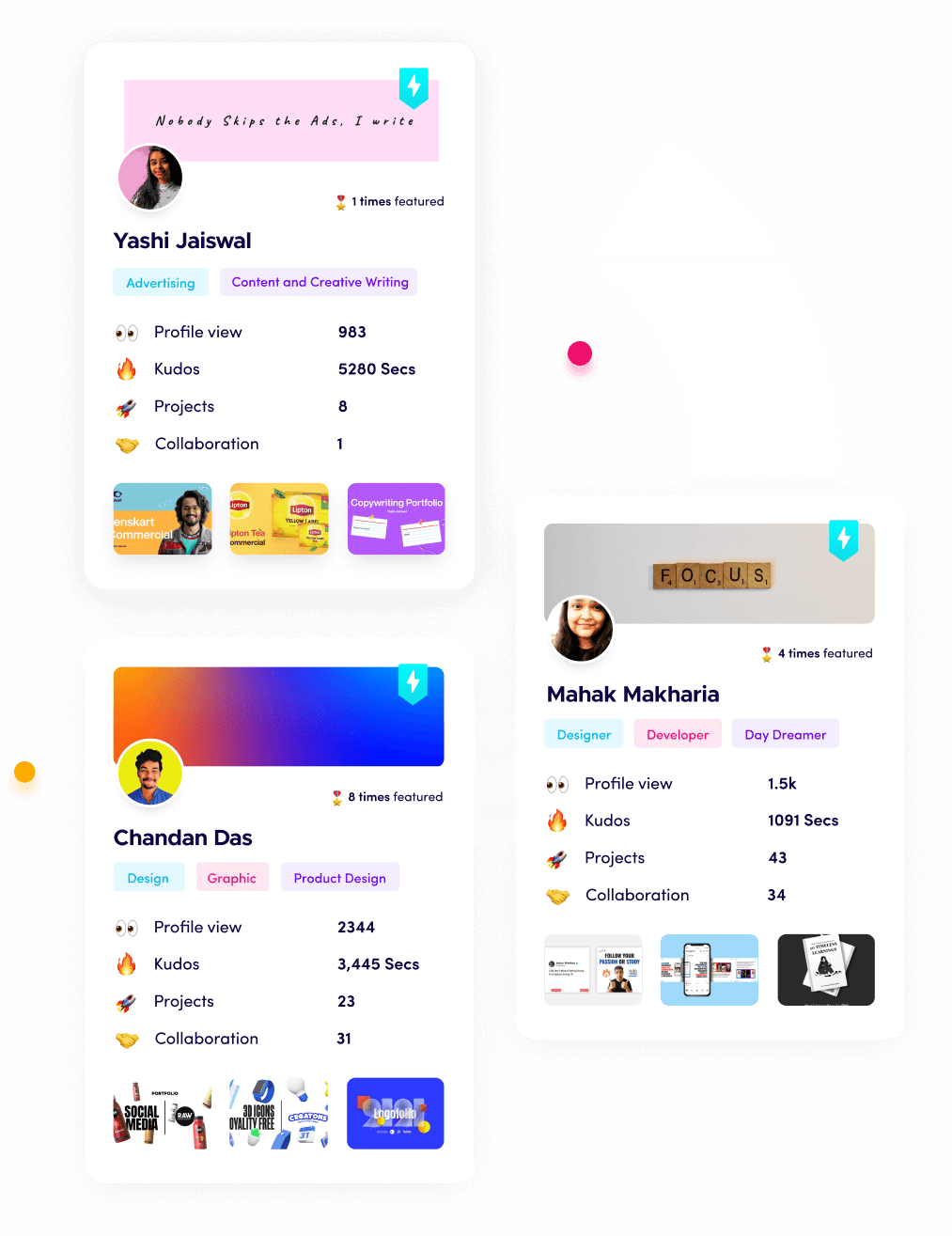
I’m Riten, founder of Fueler - a skills-first portfolio platform that connects talented individuals with companies through assignments, portfolios, and projects, not just resumes/CVs. Think Dribbble/Behance for work samples + AngelList for hiring infrastructure
The Declining Relevance of Degrees in Today’s Job Market
Degrees and formal education still have relevance, but their influence on hiring decisions is weakening due to several industry and societal shifts.
- Traditional degrees often emphasize theoretical knowledge that may not reflect the dynamic skill sets required to solve today’s complex, rapidly evolving problems, leaving graduates underprepared for actual job demands.
- Many candidates acquire degrees in fields unrelated or tangential to their desired career, which creates a gap between their formal education and the practical skills employers require.
- The rising cost and accessibility issues associated with higher education make degrees less attainable for many talented individuals who develop skills through alternative paths such as bootcamps, online courses, or self-learning.
- Employers have reported a growing “skills gap,” where new hires possess degrees but lack proficiency in essential tools, technologies, or domain-specific expertise needed on the job.
- Degrees do not demonstrate how well candidates apply knowledge in practical situations, their problem-solving approach, creativity, or adaptability all crucial qualities for workplace success today.
Why this matters
Degrees alone have become insufficient markers of job readiness. Employers now seek more reliable ways to verify candidate capabilities and fit beyond the paper credentials.
How Proof of Work Provides a More Accurate Picture of Talent
Proof of work bridges the gap between theoretical learning and real-world ability by focusing on demonstrable outputs that reveal what candidates can do, not just what they know.
- By presenting completed projects, assignments, or portfolios, proof of work showcases your hands-on experience, creativity, problem-solving skills, and the impact you have made in previous roles or freelance work.
- It provides recruiters with direct insight into your working style, approach to challenges, and ability to deliver results under constraints information impossible to glean from degrees or traditional resumes alone.
- Proof of work reduces uncertainty and bias in hiring by allowing objective evaluation of actual deliverables, especially when supported by third-party validation like client feedback or scoring systems.
- Because it focuses on outputs, proof of work enables inclusion of professionals from diverse backgrounds, including self-taught candidates, career switchers, and freelancers who may not hold formal degrees but demonstrate exceptional skill.
- This approach helps companies match candidates’ specific skills with job requirements more precisely, improving hiring quality and reducing costly mismatches.
Why this matters
Employers prioritize what you have done over where you studied because proof of work predicts on-the-job performance better than degrees ever could.
Real-World Examples of Proof of Work Beating Degrees
Across sectors and regions, proof of work has proven its value in reshaping hiring practices and career success stories.
- A software developer from a rural area without a traditional CS degree secured a position at a top tech company by sharing GitHub repositories, open-source projects, and practical coding assignments that impressed hiring managers.
- Freelance digital marketers have attracted international clients by presenting campaigns with measurable results, social media analytics, and content portfolios, even when lacking formal marketing degrees.
- Designers and UX professionals showcase visually compelling portfolios with user research, wireframes, and prototypes, often outperforming candidates with expensive design school credentials.
- Data analysts and scientists have used problem-solving case studies, data dashboards, and reproducible models to demonstrate practical competence beyond their university grades or degrees.
- Non-traditional career switchers, including military veterans or those returning from career breaks, highlight relevant projects and upskilling efforts to overcome the degree barrier and enter new fields successfully.
Why this matters
These examples show proof of work’s undeniable power to democratize hiring and career advancement, enabling talent to shine regardless of formal education pathways.
Why Employers Trust Proof of Work Over Degrees
The growing preference for proof of work is supported by multiple employer needs and benefits.
- Reduced Hiring Risk: Verified deliverables and demonstrated skills provide concrete evidence that candidates can perform, decreasing the risk of costly bad hires often associated with relying on degrees alone.
- Faster and More Accurate Hiring: Proof of work streamlines screening by focusing on results, enabling recruiters to swiftly identify top performers and reduce lengthy interview stages that may not predict real capability.
- Supporting Diversity and Inclusion: By focusing on what candidates produce, employers diminish systemic biases linked to ethnicity, social status, or educational pedigree, allowing more meritocratic and inclusive hiring.
- Adaptation to Remote and Gig Economy: Employers hiring remotely or on projects need reliable proof that candidates can deliver without face-to-face supervision, making portfolios and proof of work essential.
- Talent Pipeline Development: Proof of work lets organizations identify potential internal hires and skill development needs by tracking employees' project performances and learning progression transparently.
Why this matters
Trusting proof of work helps employers hire smarter, faster, and fairer in a competitive global talent market, fostering innovation and growth.
How Job Seekers Can Use Proof of Work to Outshine Degree Holders
Regardless of your education, proof of work offers you a powerful way to prove your worth and accelerate your career.
- Create a Strong Portfolio: Compile your best projects, case studies, and assignments showcasing relevant skills and measurable impact tailored to your target roles.
- Demonstrate Learning and Growth: Show how you’ve kept your skills current by including recent work and upskilling efforts, proving your adaptability and commitment to development.
- Use Digital Platforms: Leverage platforms like Fueler, LinkedIn, GitHub, Behance, or personal websites to present your work professionally and gain visibility among recruiters globally.
- Highlight Real Results: Wherever possible, quantify your achievements (e.g., increased sales by X%, reduced processing time by Y hours) to underline the concrete value you deliver.
- Connect Your Work to Job Requirements: Tailor your portfolio and application materials to demonstrate clear fit for the positions you seek, making it easy for employers to see why you’re the right choice.
- Engage in Continuous Feedback: Seek reviews and testimonials from clients, mentors, or colleagues to reinforce your portfolio’s authenticity and credibility.
Final Thoughts
The hiring paradigm is shifting decisively: degrees no longer guarantee job success like proof of work does. Employers want to see what you can do backed by real evidence, rather than relying solely on where or when you were educated. By embracing proof of work, you not only enhance your attractiveness as a candidate but also align yourself with the future of hiring — skills-driven, transparent, and fair. Platforms like Fueler make this transformation accessible, allowing all professionals to speak this powerful new language of career success.
FAQs
1. Why do employers prefer proof of work over degrees?
Proof of work delivers direct evidence of skills and outcomes, reducing hiring risks and enabling merit-based evaluations beyond academic credentials.
2. Can proof of work fully replace a degree for job applications?
While proof of work is critical, some roles or industries still require degrees. However, proof of work increasingly helps bypass traditional barriers and demonstrates practical readiness.
3. How can I start building proof of work portfolios?
Document your projects, quantify results, collect testimonials, and use portfolio platforms to present your verified skills to employers.
4. Which industries value proof of work the most?
Technology, marketing, design, data analytics, and freelance roles are leaders, but proof of work’s importance is expanding across many sectors.
5. How does proof of work enhance remote hiring?
It provides tangible evidence of a candidate’s ability to deliver independently, building trust in virtual work environments.
What should you do next?
You've read the article. Now turn your skills into proof of work and unlock more opportunities.
Build your proof of work portfolio
Create a clean portfolio with projects, assignments, resumes, and AI stack details that companies actually want to see.
Create your Fueler portfolio →Apply through assignments, not resumes
Stand out by solving real tasks from companies hiring on Fueler.
Explore assignments →Get discovered by companies
Make your work public and let recruiters discover your skills through actual projects instead of keywords.
Get discovered →