Best Video Editing Course in India for Beginners (2026 Guide)

Riten Debnath
01 Aug, 2026
Last updated: August 2026
Every month, thousands of aspiring creators across India download video software, open a timeline, and immediately get overwhelmed by track layers and color wheels. They spend endless hours watching disconnected tutorials without ever finishing a complete project or landing a paid client. In 2026, media channels and brands care far less about where you studied and far more about your actual output quality.
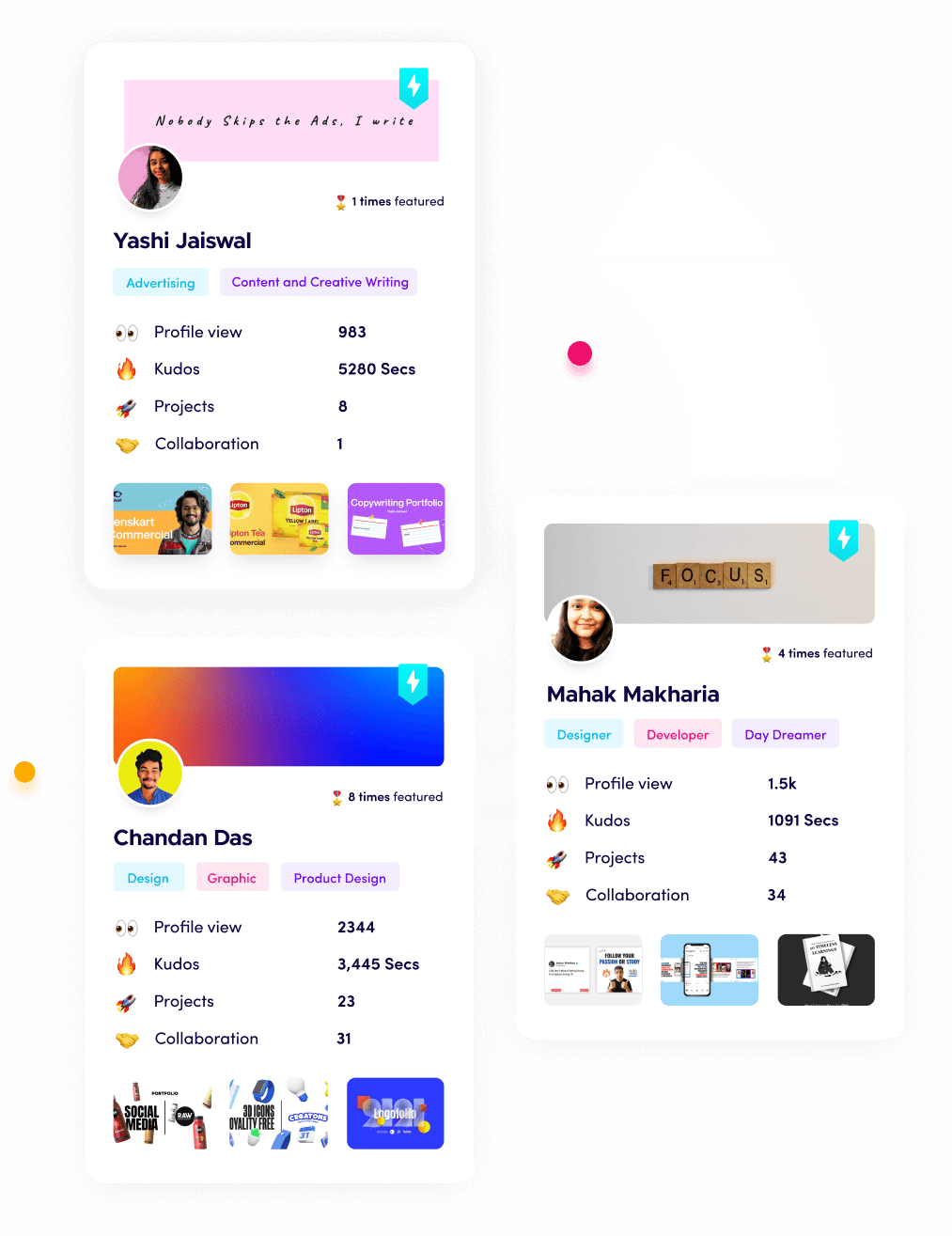
I’m Riten, founder of Fueler, a skills-first portfolio platform building the career infrastructure for 100 million creative professionals. Fueler connects talented individuals with companies through assignments, portfolios, and projects, not just resumes or CVs. Think of it as Dribbble/Behance for work samples combined with AngelList for hiring infrastructure.
Finding the right training program early prevents months of trial and error. In this guide, you will learn how to evaluate beginner video editing courses in India based on curriculum depth, hands-on assignments, and realistic career utility. We will review eight verified training options so you can pick a path that fits your budget and career goals.
Key Evaluation Criteria for Video Editing Courses in India
Choosing a video editing course requires looking past fancy promotional videos and checking what you will actually build. Software buttons change over time, but core concepts like scene pacing, narrative continuity, and clean audio mixing remain essential across every format.
Beginner courses must guide you step-by-step from raw file management to polished final exports. Look for programs that force you to edit real footage rather than just watching an instructor click buttons.
- Structured Hands-On Assignment Workflow: A great course obliges you to assemble raw video files into complete edits. Working through real client briefs helps you understand timeline organization, clip trimming, visual transitions, and multi-track management while building practical confidence instead of passive technical knowledge.
- Direct Feedback from Experienced Instructors: Self-learning often leaves you blind to basic pacing mistakes and harsh audio cuts. Individual reviews from working editors pinpoint timeline errors early, helping you build professional editing habits, correct color balance issues, and refine audio transitions before applying for client work.
- Comprehensive Storytelling and Pacing Fundamentals: Software tools are easy to master, but narrative structure requires proper instruction. Top programs focus on shot selection, visual continuity, jump cut management, and emotional rhythm so your finished videos keep audience attention across short reels or long documentaries.
- Essential Audio Design and Color Grading: Sound quality makes up half of the viewer experience in modern video production. Good training covers background score leveling, voiceover audio cleanup, noise removal, primary color correction, and visual balance so your projects look and sound polished.
- Updated Workflow Standards for Modern Platforms: Media platforms require specific aspect ratios, bitrate settings, and export parameters. Quality courses update their curriculum regularly to reflect social media formatting, fast keyboard shortcuts, proxy editing setups, and efficient file storage management used by active teams.
Why It Matters: Evaluating these factors ensures you do not waste money on courses that only teach software interfaces. Focusing on narrative structure and practical editing assignments gives you skills that directly translate to client projects, agency roles, and independent creative work.
1. Film and Television Institute of India (FTII) Short-Term Editing Course
FTII Pune stands as one of India's premier film institutes, offering short-term certification modules alongside its regular diploma programs. These intensive short courses focus heavily on fundamental cinematic storytelling, visual narrative assembly, and post-production workflows. Students learn directly from industry veterans and gain deep exposure to classical editing principles on modern editing platforms.
- Cinematic Narrative and Rhythm Training: Students learn how scene cuts affect audience emotion and narrative pacing. The curriculum covers dramatic structure, visual continuity, shot matching, and temporal transitions, giving beginners a solid foundation in cinematic grammar that goes far beyond basic video trimming techniques.
- Hands-On Exercises with Raw Film Footage: Learners work directly with professional multi-take video assets provided by the institute. Practicing on real cinematic footage teaches proper clip organization, bin setup, rough cutting, and final assembly under realistic post-production conditions and timelines.
- Mentorship by Veteran Film Editors: Classes are conducted by seasoned professionals with extensive film and television backgrounds. Direct line-by-line feedback on student edits helps identify weak cuts, audio overlaps, and pacing inconsistencies before students enter the job market.
- Core Post-Production Workflow Setup: Coursework covers professional project settings, media ingest, proxy file creation, and archival management. Beginners learn how major production studios manage high-resolution video files to prevent system lag and maintain data safety throughout editing.
- Rigorous Visual Analysis and Screening: Students analyze classic and contemporary cinema to understand why specific edits work. Breaking down film sequences frame by frame develops a keen artistic eye for visual continuity, pacing variations, and effective shot selection.
Pricing Information: Short-term programs generally range between ₹10,000 and ₹25,000 depending on duration and intake cycle.
Best Use Cases: Aspiring filmmakers, assistant editors, and creative storytellers wanting strong cinematic foundations.
Why It Matters: Learning at a heritage institution instills classic editing principles that never go out of style. Understanding cinematic pace and visual structure elevates your work above quick template cuts, giving your portfolio a distinct creative edge.
2. Whistling Woods International (WWI) Diploma in Video Editing
Whistling Woods International in Mumbai is a major media institution known for state-of-the-art post-production facilities. Their editing modules combine technical software training with active studio environment exposure. Students work on industry-standard workstations, collaborating with direct cinema and media production departments on real short films and broadcast projects.
- State-of-the-Art Studio Infrastructure Access: Students train on high-end hardware workstations equipped with professional editing suites. Working in dedicated post-production labs mirrors real studio environments, helping beginners get comfortable with professional color grading monitors, audio mixers, and storage arrays.
- Collaborative Production Environment: Editing students work closely with student directors, sound designers, and cinematographers. This cross-functional teamwork simulates actual film set pipelines, teaching beginners how to communicate effectively, handle client revisions, and meet strict delivery deadlines.
- Advanced Color Grading and Audio Integration: Modules include dedicated instruction on primary color balance, shot matching, and audio leveling. Learning how visual color palettes and sound effects shape mood gives students a complete understanding of post-production finishing stages.
- Industry Portfolio Development Modules: Students complete several short film edits, promotional videos, and showreels during the course. These completed projects form a comprehensive proof-of-work portfolio that can be presented directly to media houses and ad agencies.
- Guest Masterclasses from Active Editors: Regular guest lectures bring working film editors and post-production heads into the classroom. These sessions share current industry trends, freelance pricing strategies, and practical advice on navigating modern media careers in India.
Pricing Information: Full diploma and post-production programs range from ₹2,00,000 to ₹5,00,000+ depending on specialization.
Best Use Cases: Students seeking full immersion in Mumbai’s film industry with complete access to high-end studio gear.
Why It Matters: Studio-grade infrastructure and collaborative projects teach you how real media production houses operate. The experience you gain handling team workflows makes the transition into professional editing roles smooth and predictable.
3. Arena Animation Advanced Program in Editing and VFX
Arena Animation has a widespread network of learning centers across India, making classroom video editing accessible in major metros and Tier-2 cities. Their post-production courses combine video editing fundamentals with basic visual effects and motion graphics, providing a well-rounded skill set for commercial media work.
- Combined Editing and Motion Graphics Skills: The curriculum integrates timeline video editing with basic title animation and visual effects. Learning how to add animated lower thirds, clean transitions, and graphic overlays makes students versatile assets for corporate digital marketing teams.
- Widespread Physical Classroom Presence: With centers located throughout India, students can access hands-on lab facilities locally. On-site instructors assist with daily software troubleshooting, file management questions, and timeline editing exercises in real time.
- Commercial and Social Media Edit Focus: Practical assignments focus on advertisement promos, social media video ads, YouTube content, and corporate reels. Students learn to edit for high viewer retention, fast visual hooks, and tight commercial time limits.
- Structured Software Mastery Path: Training covers step-by-step navigation of leading editing suites and graphics applications. Beginners learn keyboard shortcuts, multi-cam editing setups, greenscreen keying, and audio cleanup through guided daily classroom exercises.
- Local Placement Assistance Support: Centers offer job placement aid, interview preparation, and portfolio building guidance. Connecting students with regional ad agencies and local production houses helps beginners land their first entry-level video editing job.
Pricing Information: Course fees typically range between ₹50,000 and ₹1,50,000 based on location and module selection.
Best Use Cases: Local students who want structured offline classroom guidance and motion graphics exposure.
Why It Matters: Combining basic motion graphics with timeline editing doubles your value to digital agencies. Brands rarely hire pure video cutters today; they look for creators who can handle cuts, text graphics, and export formats seamlessly.
4. Maya Academy of Advanced Cinematics (MAAC) Post-Production Course
MAAC is a well-established vocational training brand across India, offering structured courses in video editing, compositing, and sound design. Their post-production modules are designed for beginners who want to build careers in broadcast television, commercial advertising, and digital content creation.
- Comprehensive Post-Production Pipeline Training: The program covers the complete video post-production sequence from raw footage ingest to final broadcast rendering. Beginners learn color correction, sound balancing, title generation, and video compression settings for broadcast and web platforms.
- Project-Based Showreel Creation: Students build dedicated showreels featuring commercial ads, music videos, and short movie scenes. Completing these projects under instructor guidance gives beginners a clear portfolio to showcase their cutting skills to recruiters.
- Practical Audio Editing Modules: Lessons detail multitrack audio editing, background music ducking, and voice clarity enhancement. Mastered audio skills help students eliminate echo, background hiss, and unbalanced volumes from client video recordings.
- Green Screen Keying and Compositing: Courses teach video background removal, keying refinement, and visual element placement. Mastering chroma key techniques allows editors to produce professional studio-style videos even when filming in minimal indoor spaces.
- Industry Student Competitions: MAAC hosts regular national events where students submit short video edits for professional review. Participating builds confidence, provides peer benchmarks, and offers national visibility among visiting studio recruiters.
Pricing Information: Short-term and diploma options generally cost between ₹40,000 and ₹1,20,000 depending on branch location.
Best Use Cases: Beginners seeking structured offline learning with focused post-production and compositing training.
Why It Matters: Learning sound cleanup, green screen keying, and video editing under one roof prepares you for modern media demands. Clients prefer hiring editors who solve multiple post-production challenges without needing extra specialists.
5. IIM Skills Video Editing Master Course
IIM Skills provides an online video editing training program tailored for freelancers, remote workers, and digital creators across India. The course emphasizes modern digital content formats, fast video editing techniques, and practical tools needed to edit YouTube videos, Reels, and corporate promos efficiently.
- Flexible Live Online Interactive Classes: Instructors conduct online sessions with live screen sharing and real-time questions. Beginners learn from home while maintaining direct communication with trainers, making technical step-by-step software navigation clear and easy to follow.
- Focus on Short-Form and Content Creator Edits: The curriculum focuses heavily on high-retention editing styles for social media. Students learn dynamic caption styling, sound effect placement, speed ramping, and visual hooks designed specifically to boost engagement on online platforms.
- Freelance Client Acquisition Modules: Beyond video editing techniques, the course guides students on pricing services and finding freelance gigs. Learning how to pitch clients, send proposals, and manage edit revisions turns technical skills into a viable income source.
- Lifetime Course Material and Recording Access: Enrolled students get permanent access to class recordings, updated video tutorials, and template libraries. This allows beginners to revisit complex lesson steps, software updates, and editing tricks whenever they start new client projects.
- Practical Portfolio Assignment Review: Weekly assignments require students to edit provided raw footage and submit their timelines for review. Constructive feedback helps students fix timing issues, transition glitches, and color mistakes before publishing their work.
Pricing Information: Typically priced around ₹34,900 + GST with occasional promotional discounts.
Best Use Cases: Content creators, social media managers, and aspiring freelancers wanting flexible online learning.
Why It Matters: Mastering short-form social media editing opens immediate freelance opportunities. Businesses constantly need engaging video content for social channels, making fast, high-retention editors highly sought after in today's market.
6. Internshala Video Editing Online Training
Internshala offers a budget-friendly online video editing course built specifically for college students and complete beginners. The program uses short video lessons, practical timeline exercises, and self-paced modules to teach core editing concepts without requiring heavy upfront time commitments.
- Beginner-Friendly Self-Paced Structure: The course breaks complex editing techniques into short, easy-to-understand modules. Beginners can learn at their own pace after work or college hours, making it simple to build foundational skills without feeling overwhelmed.
- Affordable Entry-Level Investment: Priced for student budgets, this course lets beginners explore video editing without spending large sums. It serves as a low-risk way to test your interest before investing in longer advanced programs.
- Direct Access to Entry Internship Listings: Completing the training unlocks access to beginner internship opportunities hosted on Internshala. This connection gives students a direct path to land their first paid internship and gain real client experience.
- Core Editing Tool Practice Exercises: Lessons focus on essential tasks like clip trimming, split cuts, text titles, and adding background music. Practical assignments force students to render real output files rather than just memorizing software menus.
- Bilingual English and Hindi Content: Video tutorials are available with clear explanations in both English and Hindi. This language flexibility makes complex technical terminology easy to digest for students across various regions in India.
Pricing Information: Extremely affordable, usually priced around ₹3,999 with frequent student discounts.
Best Use Cases: College students and beginners wanting a quick, low-cost introduction to editing with internship support.
Why It Matters: Lowering the barrier to entry lets you start building practical skills today. Combined with direct internship access, it provides a fast route to gain entry-level work experience and start earning.
7. Zee Institute of Media Arts (ZIMA) Film Editing Certificate
ZIMA Mumbai offers specialized film and television editing programs backed by the Zee Media network. Designed around broadcast standards, the curriculum emphasizes narrative storytelling, TV show assembly, multi-camera news cutting, and quick deadline post-production workflows.
- Broadcast-Focused Editing Workflows: Students learn editing standards used by television channels and digital networks. Modules cover timecode management, commercial break cuts, lower third overlays, and multi-cam sync editing for interviews and live shows.
- Multi-Camera Timeline Assembly: Training includes syncing and editing multi-camera video footage from studio setups. Beginners learn how to switch angles smoothly, balance multi-mic audio tracks, and maintain continuous rhythm across complex interview edits.
- Narrative Pace and Continuity Training: Instructors focus heavily on cut placement, reaction shots, and audio-driven scene transitions. Learning how to construct smooth narrative flow ensures your video edits look seamless and professional.
- Exposure to Real Media Production Briefs: Students receive actual broadcast raw footage and script briefs for project assignments. Working under tight deadlines mirrors real newsroom and media studio pressure, building strong operational confidence.
- Direct Industry Network Connections: Being part of a major media group offers networking opportunities with working studio professionals. Top-performing students gain visibility for entry-level assistant editing roles across television and web media networks.
Pricing Information: Diploma and certificate modules range between ₹1,29,000 and ₹3,50,000.
Best Use Cases: Beginners targeting traditional television networks, media houses, and broadcast post-production facilities.
Why It Matters: Broadcast editing standards demand speed, accuracy, and technical discipline. Learning how to handle multi-camera feeds and tight deadline pressures prepares you for high-stakes media environments.
8. Coursera Video Editing Specialization for Beginners
Coursera partners with global universities and media tech companies to offer structured video editing specializations. These self-paced online courses focus on foundational post-production theory, software toolsets, and digital media production workflows that beginners can complete from anywhere in India.
- Globally Recognized Institutional Certification: Completing specializations grants certificates backed by top universities or technology leaders. Adding recognized credentials to your resume or LinkedIn profile adds clear authority when applying for international remote work.
- Comprehensive Post-Production Theory: Lessons explain color spaces, frame rates, audio frequencies, and video compression science. Understanding technical file standards helps you configure export settings correctly for web, cinema, or broadcast distribution.
- Flexible Self-Paced Project Modules: Students watch video lectures and complete assignments around their daily schedules. Practical capstone projects require submitting finished video edits for structured peer review and assessment.
- Broad Access to Global Editing Standards: The curriculum follows international media production guidelines. Beginners learn clean project organization, asset labeling, and timeline management standards used by global remote creative teams.
- Affordable Subscription Learning Model: Coursera Plus subscriptions allow users to access multiple creative courses for one monthly fee. This cost-effective model lets beginners learn editing alongside graphic design or motion graphics without paying separate fees.
Pricing Information: Accessible via a Coursera Plus subscription at approximately ₹3,500/month or through financial aid.
Best Use Cases: Self-motivated learners and remote freelancers seeking internationally recognized certification on a flexible budget.
Why It Matters: Understanding international post-production standards positions you well for high-paying remote roles. Foreign clients value organized editors who understand frame rate conversions, clean audio mixing, and proper export formats.
How Does This Connect to Building a Strong Career or Portfolio?
Finishing a video editing course is only the first step. Clients and hiring managers rarely hire editors based on certificates or course names alone; they want to see actual work sample projects. Documenting your raw footage edits, before-and-after color grades, and audio fixes proves your real capability. Showcasing your projects on Fueler helps you publish clear proof-of-work assignments, letting agencies evaluate your timeline skills directly and hire you based on results rather than traditional resumes.
Final Thoughts
Video editing is one of the most practical, high-value skills you can learn today, but course completion certificates will not guarantee client work. Focus on mastering visual pacing, clear sound design, and disciplined project organization across every assignment you touch. Build three to five high-quality video edits, document your creative choices clearly, and publish your work where clients can see it. Consistent practice and visible proof of work will always beat fancy course titles.
Frequently Asked Questions
What is the best video editing course in India for beginners?
FTII offers top cinematic depth for offline learners, while platforms like Coursera and IIM Skills provide flexible, highly practical online courses covering modern digital formats and social video edits.
How much do beginner video editing courses cost in India?
Fees range from ₹3,500 for online monthly learning modules to ₹2,00,000+ for full-time offline diplomas at major media institutes like Whistling Woods or ZIMA.
Can I learn professional video editing online without a degree?
Yes, online programs teach industry software and workflows effectively. Clients hire based on your portfolio and edit quality rather than formal degree qualifications.
Which software should beginners learn first in a course?
Adobe Premiere Pro and DaVinci Resolve are the top industry standards. Beginners should master clip trimming, audio balancing, and color correction on one tool first.
How do beginner video editors land their first paid clients?
Build a portfolio showcasing 3-5 real video edits with before-and-after samples, document your editing process clearly, and share proof of work directly with ad agencies and creators.
Why 100,000+ professionals use Fueler
Fueler helps professionals showcase proof of work through projects, assignments, case studies, and achievements.
- Thousands of professionals use Fueler to create their digital portfolio
- Thousands of projects are published on Fueler. Check here
- Startups and Companies hire through proof of work on Fueler
- Used by freelancers, creators, marketers, video editors, writers, designers, and product managers
Our mission is to help the next 100 million professionals build a verified professional identity through proof of work

What should you do next?
You've read the article. Now turn your skills into proof of work and unlock more opportunities.
Build your proof of work portfolio
Create a clean portfolio with projects, assignments, resumes, and AI stack details that companies actually want to see.
Create your Fueler portfolio →Apply through assignments, not resumes
Stand out by solving real tasks from companies hiring on Fueler.
Explore assignments →Get discovered by companies
Make your work public and let recruiters discover your skills through actual projects instead of keywords.
Get discovered →