10 Best Video Editing Courses in India (2026)

Riten Debnath
01 Aug, 2026
Last updated: August 2026
If you think video editing is just stitching clips together with flashy transitions, watch a client reject three days of work because the edit lacked narrative rhythm. Directors and brand teams receive hundreds of raw footage files daily, yet finding editors who master pacing, audio depth, and visual flow remains surprisingly rare in 2026.
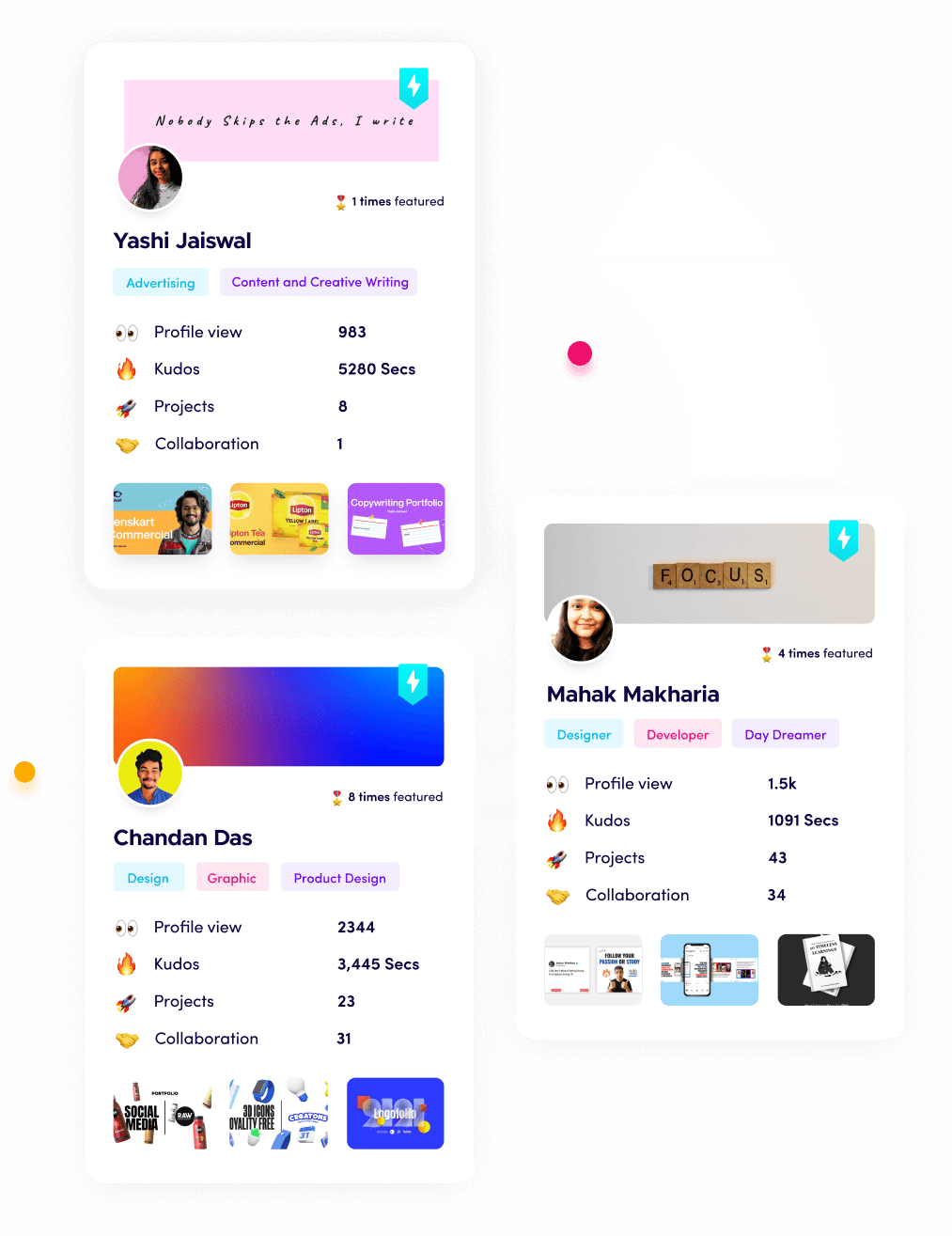
I’m Riten, founder of Fueler, a skills-first portfolio platform building the career infrastructure for 100 million creative professionals. Fueler connects talented individuals with companies through assignments, portfolios, and projects, not just resumes or CVs. Think of it as Dribbble/Behance for work samples combined with AngelList for hiring infrastructure.
Choosing the right training program means looking past flashy Instagram ads to evaluate actual studio gear, faculty experience, and real project output. In this detailed breakdown, you will discover the top ten video editing courses in India for 2026, complete with fee structures, limitations, and practical takeaways to fast-track your post-production career.
Here are the top 10 Video Editing courses in India
1. FTII Pune PG Certificate in Video Editing
The Film and Television Institute of India in Pune remains South Asia's gold standard for cinematic editing education. Students spend their days inside professional cutting rooms, learning to construct emotional subtext and dramatic tension long before touching export buttons.
The training forces you to master non-linear editing alongside multi-camera synchronization, complex track balancing, and cinema delivery formats. Graduates consistently secure key post-production positions across mainstream film industries, high-budget streaming shows, and international documentary teams.
- Celluloid to Digital Montage Mastery: You study fundamental montage theories and classic narrative cuts, ensuring every visual transition serves character psychology and story rhythm rather than relying on automated plugins or superficial visual effects.
- Commercial Grade Studio Suite Access: The institute provides individual workstations equipped with industry-standard editing software, allowing you to edit massive, uncompressed video projects without experiencing hardware lag or software performance bottlenecks.
- Collaborative Film Set Pipeline: You work directly alongside student directors, sound designers, and cinematographers on real short film shoots, gaining practical experience with high-pressure timeline management and director feedback loops.
- Advanced Color Mechanics and Finishing: The curriculum covers primary color correction, secondary grading, and custom LUT creation, enabling you to transform raw digital footage into polished, theater-ready visual masters for big screens.
- Direct Alumni Network and Mentorship: Learning directly from veteran industry practitioners connects you to a vast network of film alumni, opening immediate doors for high-paying assistant editor roles on major feature films.
- Tuition Fees: Approximately ₹48,315 to ₹1,66,000 depending on certificate versus diploma tracks.
- Best Use Cases: Narrative film editors, documentary post-producers, and studio lead editors targeting mainstream cinema careers.
Why It Matters: Mainstream feature films and high-end broadcast networks require editors who understand visual continuity and psychological pacing. Mastering long-form storytelling at an elite institution like FTII proves to top directors that you can handle high-stakes studio timelines without burning production budgets.
2. Whistling Woods International MA in Editing
Located inside Film City in Mumbai, Whistling Woods International provides an immersive post-production education tailored directly for commercial entertainment industries. Students work with raw camera assets supplied directly from real commercial shoots and active television productions.
The program combines core editing fundamentals with the rapid execution speeds required by streaming platforms and top advertising agencies. You learn how to organize massive media bins, perform fast assembly cuts, and deliver clean final masters under tight corporate schedules.
- Commercial Media Ingestion Workflows: You master the process of organizing multi-terabyte project folders, creating proxy files, and managing raw footage formats used across major commercial post-production facilities without losing media metadata.
- Multi-Camera Unscripted Content Assembly: The course trains you on live multi-camera switching and sports assembly techniques, preparing you to cut high-energy reality television, live music festivals, and large-scale corporate events seamlessly.
- Audio Post-Production and Dialogue Cleaning: You learn advanced dialogue editing, noise reduction, sound effect placement, and track balancing, ensuring your video projects deliver broadcast-quality audio across television and web streaming platforms.
- Visual Effects and Compositing Essentials: Training covers green screen removal, keyframing, screen replacements, and basic paint cleanups, allowing you to solve visual continuity errors directly inside your primary editing timeline.
- Mumbai Post House Internship Access: WWI leverages its physical proximity to major Bollywood studios to place students into structured post-production internships before they complete their final academic semester.
- Tuition Fees: Approximately ₹26,50,000 for the complete two-year Master's degree program.
- Best Use Cases: Commercial ad editors, OTT series post-supervisors, and ambitious media creators wanting immediate Mumbai network access.
Why It Matters: Commercial media houses operate on tight turnarounds where slow edits burn real project revenue. Gaining hands-on experience inside a commercial media hub equips you with the speed, technical discipline, and industry contacts necessary to secure high-paying agency contracts early in your career.
3. SRFTI Kolkata Post Graduate Diploma in Film Editing
Satyajit Ray Film & Television Institute in Kolkata approaches post-production as a deep artistic craft. The curriculum treats video editing as a subtle language of visual rhythms, spatial relationships, and psychological timing rather than simple software manipulation.
Students spend three years mastering non-linear editing systems while tackling complex narrative challenges across fiction and documentary filmmaking. The academic atmosphere encourages creative risk-taking, helping you build a distinctive visual voice that appeals to independent directors.
- Frame-by-Frame Scene Breakdown: You analyze classic international films to understand shot selection, visual pacing, and scene transitions, giving you the analytical capability to fix broken narrative arcs in messy raw footage.
- Documentary and Non-Fiction Assembly: The program teaches you to extract compelling stories from unscripted interview tapes and archival clips, turning hours of chaotic footage into structured, engaging documentary films.
- Professional Audio Synchronization: Training covers advanced audio alignment, Foley effect integration, and multi-track sound balancing, teaching you how ambient soundscapes elevate simple visual cuts into immersive viewer experiences.
- Advanced Color Space Management: You learn raw footage log conversions, color space transformations, and shot matching, ensuring your final exports maintain visual consistency across different digital camera sensors and lighting setups.
- Government-Funded Studio Infrastructure: SRFTI offers dedicated editing suites, high-speed storage networks, and professional projection spaces where you can review work on full-sized cinema screens before final export.
- Tuition Fees: Approximately ₹2,23,000 to ₹3,02,000 for the full multi-year course duration.
- Best Use Cases: Independent film editors, documentary post-producers, and creative directors focused on international festival circuits.
Why It Matters: Film directors look for edit room partners who can fix structural story flaws and refine dramatic pacing. Mastering visual storytelling at SRFTI prepares you to handle complex narrative assignments that command top fees from production houses and independent film studios.
4. AAFT Noida Diploma in Video Editing and Sound Recording
Asian Academy of Film and Television in Noida Film City focuses heavily on fast-paced studio output and broadcast post-production. The program bridges the gap between traditional television newsrooms and modern digital content creation pipelines.
Students receive hands-on instruction using commercial software suites, covering non-linear editing, news package assembly, and commercial video creation. The environment replicates fast-moving media offices, teaching you to produce clean, publishable cuts under strict daily deadlines.
- Broadcast Newsroom Editing Speed: You practice assembling fast news reports, rapid interview cuts, and field packages, building the quick timeline mechanics required by national television networks and media desks.
- Digital Media Retention Assembly: The course covers short-form video pacing, hook creation, and visual retention strategies, preparing you to edit high-performing video content for modern digital media brands.
- Comprehensive Studio Audio Capture: You master voiceover recording, background score leveling, and dialogue cleaning, ensuring your exported video files maintain professional audio clarity across all distribution channels.
- Green Screen Virtual Studio Compositing: Training includes multi-layer keying, virtual background placements, and motion tracking, enabling you to produce clean composite shots for corporate clients and broadcast studios.
- Direct Access to Active Sets: AAFT's location in Noida Film City gives students regular exposure to live television sets, broadcast vans, and commercial studio workflows throughout their training.
- Tuition Fees: Approximately ₹3,00,000 to ₹6,00,000 depending on selected course length and tier.
- Best Use Cases: Broadcast news editors, digital agency specialists, and corporate video producers needing fast technical training.
Why It Matters: Media agencies and news networks need editors who can turn raw multi-camera footage into finished broadcasts within hours. Gaining practical broadcast experience ensures you can manage high-pressure corporate timelines without freezing when tight client deadlines land on your desk.
5. LV Prasad Film & TV Academy Diploma in Digital Post Production
LV Prasad Film & TV Academy in Chennai is a technical powerhouse for post-production education in South India. Known for its rigorous technical approach, the academy ensures students understand signal flows, video codecs, and color science at an engineering level.
The academy provides state-of-the-art post suites where students edit real student films alongside audio engineers and digital colorists. The curriculum balances creative choice with technical standards, preparing editors for competitive film industries across India.
- Deep Codec and File Architecture: You study raw digital formats, color sampling, and frame rate conversions, ensuring you manage complex project assets without corrupting footage or losing visual data.
- Precision Color Grading Workflows: The academy trains you on professional color grading hardware, teaching you to balance shot exposures, match multi-camera setups, and build rich cinematic color grades.
- Multi-Track Audio Post Integration: You learn dialogue restoration, sound design layering, and master track exports, ensuring your final video files meet strict broadcast and theater loudness standards.
- Commercial Film Dailies Management: Training replicates feature film pipelines where editors ingest daily set footage, sync sound, generate rough assembly cuts, and present reports to directors every evening.
- Regional Film Industry Connections: Strong ties with Chennai and Hyderabad production hubs provide clear career pathways for graduates aiming to enter South Indian feature film post-production.
- Tuition Fees: Approximately ₹4,50,000 to ₹6,00,000 for full-time diploma programs.
- Best Use Cases: Cinema post-engineers, digital colorists, and technical video editors aiming for feature film careers.
Why It Matters: High-budget film productions lose massive resources when raw media files are corrupted or mismanaged during post-production. Understanding the technical science behind digital video pipelines makes you an indispensable asset to post-production supervisors and lead film directors.
6. Zee Institute of Media Arts Certificate in Film and TV Editing
Zee Institute of Media Arts in Mumbai provides a practical, broadcast-focused learning environment backed by one of India's largest media conglomerates. The institute designs its modules around the daily operational requirements of entertainment channels, production houses, and digital agencies.
Students spend their time editing television dramas, music videos, and brand promos, mastering techniques that keep audience attention locked on screens. The course highlights visual continuity, audio balancing, and basic graphic integration under real production timelines.
- Television Drama Pacing Mechanics: You learn how to cut high-intensity TV scenes, dramatic promos, and commercial teasers, mastering visual cliffhangers that hold audience attention before commercial breaks.
- Promo and Trailer Construction: The course teaches you to extract impactful moments from hours of raw footage to build high-energy movie trailers and television promos that boost viewer engagement.
- Essential Motion Graphics Integration: You learn title animation, lower-thirds placement, and logo reveals, enabling you to deliver completely finished video packages without relying on third-party graphic designers.
- Multi-Track Dialogue and Score Balancing: Training covers dialogue replacement, background music edits, and audio transitions, helping you build emotional resonance and energy through precise track placement.
- Zee Network Internship Pathways: Being part of the Zee network offers top-performing students direct opportunities to interview for internships across active television channels and streaming teams.
- Tuition Fees: Approximately ₹1,50,000 to ₹2,50,000 for short-term certificate modules.
- Best Use Cases: Television promo editors, broadcast post-assistants, and corporate video specialists seeking fast-track industry entry.
Why It Matters: Television networks and media channels depend on editor speed to meet strict broadcast airtimes. Learning to cut punchy promos and polished broadcast packages gives you a practical skill set that translates immediately into stable industry employment.
7. National Institute of Design Film and Video Communication
The National Institute of Design in Ahmedabad teaches video editing through human-centered communication, visual grammar, and design thinking. The program views video editing as a strategic tool for storytelling and visual communication rather than just computer software operation.
Students learn to edit by studying viewer psychology, composition rules, and visual messaging. Working across documentaries, brand films, and experimental video projects, NID graduates develop a refined visual style that stands out in creative industries.
- Design Thinking for Video Narrative: You learn to structure video edits based on user experience, cognitive flow, and clear narrative objectives, ensuring your cuts are visually clean, purposeful, and engaging.
- Experimental Storytelling Techniques: The course encourages non-linear narratives, abstract montage, and unique visual pacing, helping you create original edit styles for luxury brands and creative agencies.
- Documentary and Cause-Driven Editing: You master editing real human stories, archival assets, and social campaigns, creating visual pieces that build genuine emotional connections with target audiences.
- Cross-Disciplinary Graphic Integration: Training links video editing with graphic design, motion art, and projection mapping, enabling you to edit content for interactive exhibits, visual art, and live installations.
- World-Class Campus Media Labs: NID provides access to advanced editing suites, digital media labs, and design research libraries, giving you an inspiring space to experiment and produce original work.
- Tuition Fees: Approximately ₹3,50,000 to ₹15,00,000 depending on B.Des or M.Des degree paths.
- Best Use Cases: Creative directors, design-led video editors, documentary makers, and luxury brand visual strategists.
Why It Matters: Global brand agencies and luxury design studios look for editors who possess sophisticated visual taste. An NID background signals to premium international clients that you understand visual hierarchy, allowing you to command top rates for creative direction and editing.
8. MAAC VFX Compositing and Video Editing Program
Maya Academy of Advanced Cinematics provides a widespread post-production training program across its pan-India center network. The course caters to students aiming to enter commercial animation studios, visual effects teams, and agency video editing departments quickly.
The curriculum combines popular non-linear editing software with key compositing tools, motion graphics modules, and audio editing techniques. Students build a varied portfolio containing short promo edits, music videos, and visual effects sequences that show versatile technical capability.
- Dual Editing and Compositing Integration: You master non-linear video editing alongside node-based compositing tools, preparing you to handle both story cuts and visual effects cleanups on the same project.
- Commercial Motion Graphics Creation: The course teaches animated title design, kinetic typography, and transition effects, giving you the tools to cut modern corporate promos, social ads, and explainer videos.
- Chroma Keying and Screen Replacements: You learn practical green screen extraction, background replacements, and motion tracking, allowing you to clean up problem shots without sending files to external VFX artists.
- Multi-Format Web Export Optimization: Training covers video compression settings, aspect ratio adjustments, and platform delivery specs, ensuring your exported videos maintain high visual quality on all digital screens.
- Pan-India Franchise Placement Support: MAAC's wide network of studio partners provides local placement assistance, helping entry-level editors secure their first job roles across major Indian cities.
- Tuition Fees: Approximately ₹1,20,000 to ₹2,50,000 depending on course duration and center location.
- Best Use Cases: Entry-level post artists, VFX editors, corporate media creators, and multi-skilled freelance video generalists.
Why It Matters: Mid-sized agencies rarely hire separate editors, motion designers, and compositors for everyday digital video campaigns. Holding a solid hybrid skill set makes you instantly valuable to smaller teams that need one capable editor to manage projects end-to-end.
9. Craft Film School Post Graduate Diploma in Video Editing
Craft Film, TV & News Media Academy in Delhi delivers direct, practical post-production training designed for active newsrooms and production environments. The academy removes unnecessary academic filler to focus completely on software operational speed, narrative flow, and audio polishing.
Students spend maximum time inside practical edit bays, cutting real documentary footage, news packages, and short narrative scenes. Working media professionals mentor students directly, teaching them how to meet short deadlines and handle professional client feedback.
- Practical Daily Edit Assignments: You complete daily editing exercises that test your operational speed, shot selection, and audio cutting under strict time constraints that mimic actual newsroom desks.
- News and Non-Fiction Package Assembly: The curriculum focuses on cutting non-fiction media, teaching you to organize interview clips, overlay b-roll footage, and construct coherent stories without complete script pages.
- Multi-Track Audio Cleanup: You learn dialogue noise reduction, background audio leveling, and music edit cuts, ensuring your final video deliverables sound balanced and clear on all audio setups.
- Color Correction Fundamentals: Training covers basic exposure adjustments, contrast balancing, and skin tone correction, helping you fix lighting mistakes made during quick field video shoots.
- Small Class Batches with Mentor Reviews: Small student limits ensure direct mentor access, allowing faculty to review your project timeline frame-by-frame and offer actionable notes on your cut decisions.
- Tuition Fees: Approximately ₹1,50,000 to ₹2,00,000 for the full diploma program.
- Best Use Cases: Newsroom video editors, documentary post-assistants, and corporate video specialists seeking fast-track training in North India.
Why It Matters: Media desks value editors who take raw, unorganized field footage and assemble a clean news story on tight deadlines. Developing strong timeline discipline through practical drills gives you the confidence needed to handle demanding client timelines reliably.
10. RKFA Certificate in Non-Linear Video Editing
R.K. Films and Media Academy in Delhi provides an accessible entry point for students wanting to master digital video editing, voiceover recording, and basic post-production mechanics. The curriculum gives beginners an affordable, practical foundation in modern digital video software.
Students receive direct instruction on standard non-linear editing tools, learning how to organize media, cut clips, adjust audio levels, and export finished video files for web publishing. The academy offers flexible learning hours suited for working professionals and university students.
- Core NLE Software Navigation: You learn timeline controls, trimming tools, track organization, and keyboard shortcuts, turning software operations into quick muscle memory for faster overall editing speed.
- Basic Audio Alignment and Dialogue Cuts: The course teaches you to sync external microphone audio with video files, remove background hiss, and build clean dialogue cuts for podcasts and YouTube videos.
- Digital Format Export Optimization: You learn about video bitrates, file formats, and resolution settings, ensuring your exported videos maintain high visual quality without ballooning file sizes.
- Title Overlays and Lower Thirds: Training covers text creation, subtitle positioning, and simple graphics, enabling you to deliver clean, professionally packaged videos ready for social media publishing.
- Flexible Short-Term Schedules: The academy provides short module durations, allowing you to pick up practical editing skills without committing to multi-year degree programs.
- Tuition Fees: Approximately ₹30,000 to ₹60,000 depending on course length and module choices.
- Best Use Cases: Absolute beginners, YouTube managers, social media marketers, and freelance creators seeking budget-friendly skill training.
Why It Matters: Businesses, creators, and agency teams need steady video content to reach online audiences, generating consistent demand for entry-level editing skills. Gaining a fast, practical grip on core editing software lets you take on freelance work and start building real proof of work immediately.
How Does This Connect to Building a Strong Career or Portfolio?
Certificates don't get video editors hired; proof of work does. Directors and creative agency leads never ask where you went to school before looking at your timeline cuts, sound transitions, and color choices. They want to see how you handle real footage, meet tight deadlines, and solve narrative problems. Documenting your editing projects, raw-to-final transformations, and client assignments on Fueler gives potential clients instant visibility into your actual execution skills. Demonstrating verifiable proof of work always beats sending out flat resumes in modern post-production hiring.
Final Thoughts
The video editing industry in 2026 has no patience for theoretical knowledge without execution. Whether you choose a prestigious film academy like FTII or a fast-paced practical program, your primary focus must remain on producing high-quality cuts. Pick a course that fits your career goals, spend every spare hour inside the edit suite, and consistently publish your completed projects to build an undeniable record of your skills.
Frequently Asked Questions
What are the best video editing courses in India for 2026?
FTII Pune, SRFTI Kolkata, and Whistling Woods International lead India's video editing education. They offer complete training covering narrative pacing, color grading, multi-cam assembly, and professional post-production workflows for film and commercial media careers.
Can I become a professional video editor without a college degree?
Yes. Post-production studios and clients care about your portfolio, editing speed, narrative timing, and software mastery. Having a strong collection of real editing projects and proof of work matters far more than formal university degrees.
Which software is taught in top Indian video editing institutes?
Institutes teach industry-standard non-linear editing software alongside color grading platforms, digital audio workstations, and compositing tools. They focus on teaching narrative principles first so you can easily adapt to any professional software setup.
How much do video editing courses cost in India?
Course fees range from ₹30,000 for short-term certificate modules at private centers to over ₹25,000,000 for full-scale master's programs at premier private institutions. Government film institutes offer highly affordable rates around ₹50,000 to ₹3,00,000.
How do beginner video editors land high-paying clients or jobs?
Beginners win clients by showcasing real proof of work instead of generic resumes. Cutting sample trailers, editing raw client assignments, redesigning soundtracks, and displaying polished project breakdowns on online portfolio platforms attract direct job offers.
Why 100,000+ professionals use Fueler
Fueler helps professionals showcase proof of work through projects, assignments, case studies, and achievements.
- Thousands of professionals use Fueler to create their digital portfolio
- Thousands of projects are published on Fueler. Check here
- Startups and Companies hire through proof of work on Fueler
- Used by freelancers, creators, marketers, video editors, writers, designers, and product managers
Our mission is to help the next 100 million professionals build a verified professional identity through proof of work

What should you do next?
You've read the article. Now turn your skills into proof of work and unlock more opportunities.
Build your proof of work portfolio
Create a clean portfolio with projects, assignments, resumes, and AI stack details that companies actually want to see.
Create your Fueler portfolio →Apply through assignments, not resumes
Stand out by solving real tasks from companies hiring on Fueler.
Explore assignments →Get discovered by companies
Make your work public and let recruiters discover your skills through actual projects instead of keywords.
Get discovered →