How AI Is Changing the Skills Employers Look for in 2026

Riten Debnath
18 Aug, 2026
Last updated: August 2026
Remember when updating your resume meant adding a few buzzwords like "team player" or "detail-oriented" and tweaking your bullet points? That era officially died. In 2026, handing a hiring manager a traditional two-page resume listing your daily tasks is the equivalent of sending your application via fax machine. It might reach them, but they will definitely wonder about your judgment.
Artificial intelligence didn't just alter how work gets done; it completely overhauled what employers look for during the hiring process. Automated tools can now churn out basic code, draft quarterly reports, and generate marketing campaigns in seconds. Because of this, companies no longer pay for raw labor or surface-level knowledge. They are spending their budgets on high-level execution, domain-specific evaluation, and verifiable output.
I’m Riten, founder of Fueler, a skills-first portfolio platform building the career infrastructure for 100 million creative professionals. Fueler connects talented individuals with companies through assignments, portfolios, and projects, not just resumes or CVs. Think of it as Dribbble/Behance for work samples combined with AngelList for hiring infrastructure.
If you want to stay competitive in a job market reshaped by generative models and agentic workflows, relying on past titles won't cut it. Here are the eight real ways AI is actively changing the skills employers look for, and how you can position yourself to win.
1. Prompt Engineering Evolves into Agentic Workflow Architecture
In the early days of generative tools, typing a clever prompt was considered a distinct skill. By 2026, simple text prompting is a baseline expectation, much like knowing how to send an email. Employers are no longer impressed by someone who can generate a quick blog post or draft a basic function; they want professionals who can architect multi-step, autonomous agentic workflows.
Companies look for candidates who understand how to chain AI agents together to execute end-to-end operational tasks. This means configuring tools to handle research, process incoming data, check for errors, and deliver finished drafts with minimal human intervention.
- Designing multi-agent orchestration pipelines allows teams to automate complex business processes while keeping error rates extremely low across high-volume daily tasks.
- Configuring automated validation guardrails prevents hallucinated outputs from reaching production databases, protecting corporate data integrity and customer trust.
- Connecting external API endpoints to AI agents turns static language models into active operational systems that execute real work in real time.
- Optimizing token usage and system latencies helps companies cut software infrastructure expenses while boosting daily task speed.
- Structuring context windows for technical tools ensures complex corporate projects maintain consistency without losing critical background details.
Why It Matters
Employers want force multipliers who can build autonomous systems rather than workers who just execute manual tasks. Demonstrating your ability to structure autonomous workflows proves you can scale an entire department’s output without proportionately increasing headcount.
2. From Content Creation to AI Output Auditing and Fact Verification
Anyone can press a button and generate five thousand words of clean text or hundreds of lines of boilerplate code in under a minute. The market is currently flooded with cheap, automated output. As a result, the value of raw creation has dropped, while the demand for ruthless editing, technical verification, and output auditing has skyrocketed.
Employers are terrified of publishing legal errors, deploying security vulnerabilities, or making strategic pivots based on hallucinated data analysis. They actively seek domain experts who can look at an AI-generated draft, spot invisible hallucinations, correct structural flaws, and refine the work until it meets strict commercial standards.
- Identifying subtle data hallucinations in technical reports protects companies from making costly operational mistakes based on fabricated stats.
- Auditing auto-generated codebases for hidden security risks stops vulnerable software patches from entering live production environments.
- Refining bland, repetitive language into distinct brand voices ensures company messaging stands out in a sea of generic content.
- Verifying regulatory and legal compliance across automated documents lowers liability risks in highly supervised sectors like finance and healthcare.
- Cross-referencing primary research data against claims maintains editorial integrity and safeguards company credibility across public channels.
Why It Matters
When content production becomes free, quality control becomes priceless. Showing employers that you possess the deep domain expertise required to audit, correct, and elevate automated work makes you an indispensable risk manager for high-stakes projects.
3. High-Value Data Literacy and Contextual Problem Solving
Having access to massive datasets means nothing if your team doesn't know what questions to ask. Because modern tools handle raw spreadsheet math and basic data crunching automatically, employers are prioritizing contextual data literacy the ability to interpret complex outputs and connect them directly to business strategy.
Hiring managers want candidates who understand the "why" behind the numbers. It is no longer about running a SQL query; it is about knowing how algorithm changes, customer behavior shifts, and macroeconomic trends intersect to impact long-term company revenue.
- Translating complex statistical outputs into executive summaries helps leadership teams make faster strategic pivots backed by clean data.
- Framing precise business questions for predictive algorithms yields actionable operational insights rather than generic, surface-level trends.
- Spotting underlying biases in training datasets prevents companies from rolling out flawed algorithmic models to their user base.
- Connecting disparate data streams into unified operational models gives companies a clearer, real-time view of their entire business performance.
- Evaluating dataset quality before model ingestion saves engineering teams hundreds of hours of useless processing and model fine-tuning.
Why It Matters
Data is useless without business context. Candidates who combine analytical skills with strong industry experience ensure companies invest their engineering resources in opportunities that drive actual revenue.
4. AI Ethics, Data Privacy, and System Governance
With automated systems making real-time decisions about hiring, loan approvals, and customer support, governance is no longer just a legal department concern. It is a day-to-day operational requirement for every team lead and product manager.
Employers are aggressively hunting for professionals who understand global data privacy laws, algorithmic fairness, and ethical AI deployment. Companies cannot afford the PR nightmares or massive regulatory fines caused by careless handling of customer data or biased decision engines.
- Implementing strict data privacy protocols for tool usage prevents sensitive customer data and proprietary trade secrets from leaking into public training sets.
- Auditing decision-making frameworks for demographic bias ensures company algorithms comply with changing global anti-discrimination regulations.
- Developing transparent governance policies for automated workflows builds trust with stakeholders, customers, and regulatory auditors.
- Establishing clear human-in-the-loop review checkpoints balances operational speed with necessary safety oversight across critical processes.
- Monitoring algorithmic performance drift over time maintains consistent accuracy and prevents automated software degradations in live environments.
Why It Matters
Uncontrolled automation is a massive liability. Demonstrating a thorough understanding of governance frameworks, compliance rules, and ethical deployment signals to executive teams that you can safely scale their operations.
5. Domain-Specific Expertise Over Flat Execution
The era of the "pure executor" the worker who simply carries out basic, repetitive instructions without deep background knowledge is effectively over. AI tools can execute basic tasks instantly. What they lack is deep, real-world context gained from years of working inside a specific industry.
In 2026, employers favor deep domain experts who use modern platforms to scale their existing knowledge over generalists who rely on software to fake expertise. Deep context allows you to spot edge cases, understand user nuances, and catch technical errors that general-purpose models miss completely.
- Applying deep industry knowledge to prompt frameworks yields specialized, high-converting assets that outshine generic software outputs.
- Identifying edge-case operational failures keeps technical projects from collapsing when unexpected real-world edge cases occur.
- Tailoring product features to complex regulatory realities saves development teams from wasting months building unlaunchable features.
- Guiding software tools with nuanced user behavior insights creates intuitive customer journeys grounded in actual human psychology.
- Selecting specialized tool stacks for specific industry needs cuts down on software bloat and keeps operating costs lean.
Why It Matters
Software provides speed, but domain expertise provides direction. Combining specialized industry knowledge with technical efficiency makes you vastly more valuable than a candidate who only knows how to run basic software.
6. Adaptability, Continuous Learning, and Meta-Learning
The lifetime of technical tools has shrunk dramatically. A software stack or workflow tool that is cutting-edge today could easily be obsolete within twelve months. Because of this rapid shift, employers care far less about the specific software listed on your resume and much more about your speed of learning.
Hiring managers want candidates with high "learning agility," the ability to quickly master new tools, unlearn outdated habits, and continuously adjust their workflows. They look for self-directed professionals who naturally experiment with new workflows without waiting for corporate training programs.
- Rapidly onboarding and mastering new operational tools keeps team workflows efficient as software capabilities shift.
- Unlearning obsolete legacy processes without resistance speeds up team transitions toward faster, highly automated workflows.
- Testing and integrating newly released developer frameworks gives companies an immediate performance edge over slower competitors.
- Building custom personal productivity loops increases your personal output while keeping burnout low.
- Sharing new workflow efficiencies across department teams lifts overall company productivity and creates a culture of continuous improvement.
Why It Matters
Hard skills become outdated fast, but the ability to learn quickly never loses value. Demonstrating high learning agility reassures hiring teams that you will stay productive no matter how technology evolves over the next five years.
7. Advanced Interpersonal Communication and Emotional Intelligence
As technical, analytical, and administrative tasks become automated, distinctly human traits become the primary differentiator in the workplace. Machines can generate data reports, but they cannot navigate complex office politics, resolve team conflicts, or build deep trust with enterprise clients.
Employers are placing a massive premium on emotional intelligence, active listening, conflict resolution, and cross-functional leadership. They need professionals who can bridge the gap between technical engineering teams, business executives, and end-users.
- Navigating sensitive stakeholder negotiations with empathy closes enterprise deals that automated emails can never finish.
- De-escalating team tensions during stressful project pivots keeps morale high and retains top engineering talent.
- Translating technical system limits into clear business terms helps non-technical executives make realistic product choices.
- Fostering genuine psychological safety within remote teams improves retention rates and boosts collaborative problem-solving.
- Building deep, trust-based relationships with key enterprise clients secures long-term account renewals and protects revenue.
Why It Matters
When technical execution becomes cheap and accessible, human connection becomes premium. Professionals who combine technical software skills with high emotional intelligence are naturally tapped for high-paying leadership positions.
8. Verifiable Proof of Work and Transparent Execution Records
In a world where resumes are written by chatbots and polished cover letters take ten seconds to generate, traditional job applications have lost their credibility. Hiring managers are overwhelmed by thousands of identical-sounding resumes claiming expert-level skills.
To cut through this noise, employers in 2026 rely almost entirely on verifiable proof of work. They want to see live projects, public repositories, documented case studies, and clear breakdowns of how you solved actual problems. Showing what you built carries infinitely more weight than claiming what you know.
- Documenting step-by-step project build logs publicly gives hiring managers clear visibility into your practical problem-solving logic.
- Publishing live case studies with verified business metrics proves you deliver measurable commercial results rather than just completed tasks.
- Maintaining an active portfolio of real-world assignments sets you apart from candidates submitting basic text resumes.
- Sharing open-source contributions or public build updates builds immediate authority and organic trust with engineering leads.
- Showcasing clear project handoffs and technical specs proves you know how to operate effectively within modern production environments.
Why It Matters
Resumes make promises, but proof of work provides receipts. Candidates who show real-world projects skip past ATS filters, build instant credibility, and land top-tier job offers much faster.
How Does This Connect to Building a Strong Career or Portfolio?
Your career progression is no longer defined by your job titles; it is defined by your visible proof of work. As AI levels the playing field for basic execution, showing how you solve problems, direct workflows, and deliver real business results is the only way to stand out.
Documenting your projects, system builds, and actual contributions creates an irreplaceable record of your professional growth. Platforms like Fueler allow you to showcase structured proof of work, live projects, and real assignments effortlessly, helping you build authority and land high-paying opportunities without relying on outdated resumes.
Final Thoughts
The rapid rise of AI isn't killing careers; it is simply raising the bar for how we prove our value. The professionals winning in 2026 aren't fighting automation or pretending it doesn't exist; they are adopting these tools to handle routine work while focusing their energy on judgment, domain expertise, and human leadership. Focus on building real projects, documenting your process, and letting your proof of work speak for itself.
Frequently Asked Questions
What is the most important skill employers look for in 2026?
Learning agility paired with domain expertise is most critical. Employers value candidates who can quickly master new AI tools while applying deep industry context to audit and elevate the work.
Will AI make traditional resumes completely obsolete?
Yes, traditional text resumes are losing credibility fast. Employers increasingly prefer live project portfolios, verified proof of work, and practical assignments that demonstrate real-world execution capabilities over claims on paper.
Do I need a computer science degree to land AI-related jobs?
No, most non-engineering roles prioritize AI fluency, tool integration, and practical output over deep coding knowledge. Understanding how to structure workflows and solve business problems matters far more than writing raw algorithms.
How can non-technical workers show AI skills to employers?
Build and document real workflows that solve actual problems. Show how you used tools to automate routine tasks, analyze data, or improve project turnaround times within your specific field.
Why are soft skills becoming more important alongside AI tools?
As machines handle automated execution and data analysis, human traits like emotional intelligence, negotiation, and ethical judgment become primary differentiators that software cannot replicate.
Why 100,000+ professionals use Fueler
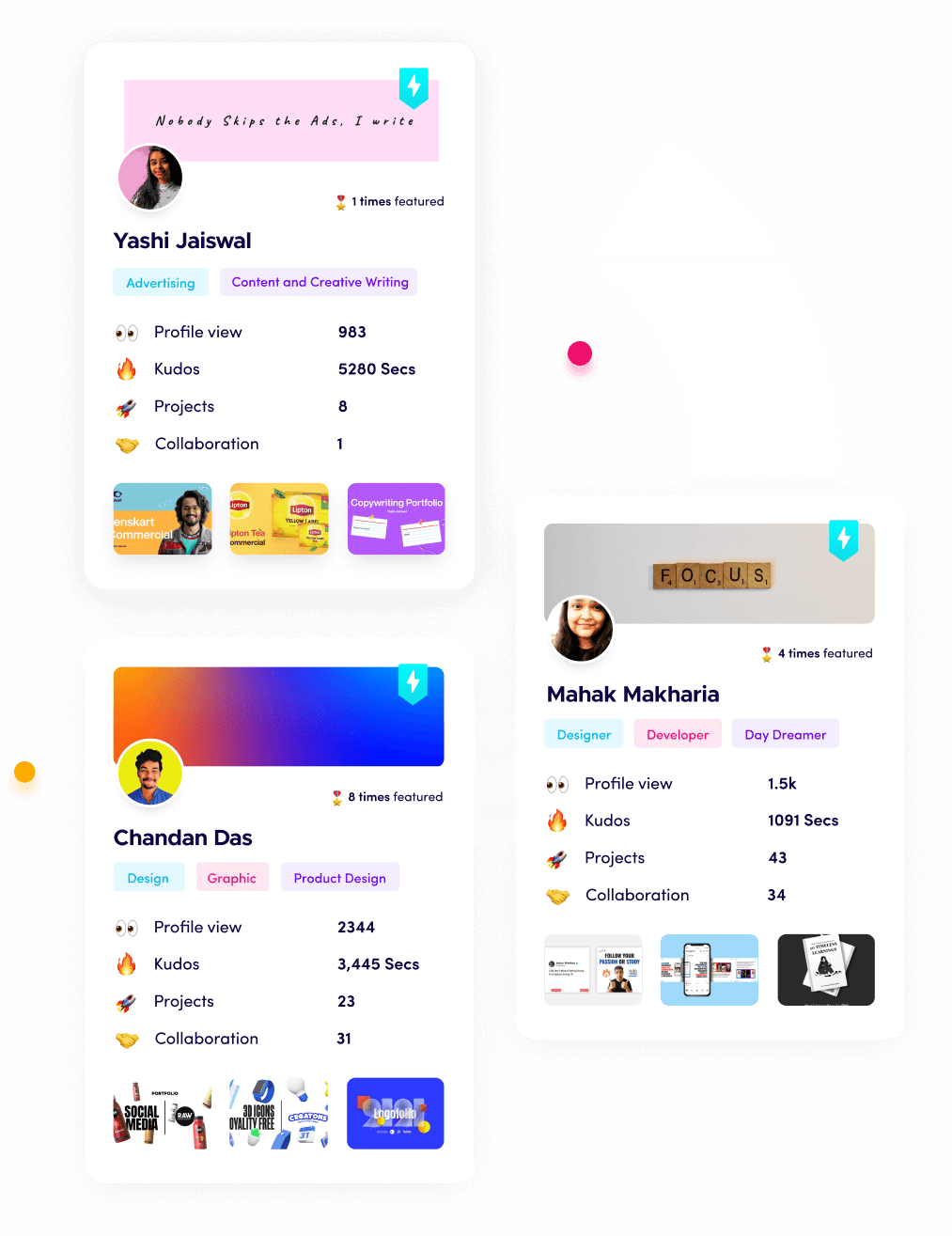
Fueler helps professionals showcase proof of work through projects, assignments, case studies, and achievements.
- Thousands of professionals use Fueler to create their digital portfolio
- Thousands of projects are published on Fueler. Check here
- Startups and Companies hire through proof of work on Fueler
- Used by freelancers, creators, marketers, video editors, writers, designers, and product managers
Our mission is to help the next 100 million professionals build a verified professional identity through proof of work

What should you do next?
You've read the article. Now turn your skills into proof of work and unlock more opportunities.
Build your proof of work portfolio
Create a clean portfolio with projects, assignments, resumes, and AI stack details that companies actually want to see.
Create your Fueler portfolio →Apply through assignments, not resumes
Stand out by solving real tasks from companies hiring on Fueler.
Explore assignments →Get discovered by companies
Make your work public and let recruiters discover your skills through actual projects instead of keywords.
Get discovered →