How Tharun Speaks Teaches Content Creation Alongside Video Editing

Riten Debnath
11 Aug, 2026
Last updated: August 2026
The single biggest mistake new video editors make is treating content creation and video editing like two separate universes. They assume their only job is to cut clips, add fancy transitions, and export a file. But when you step into the real world, top creators, high-growth startups, and media agencies do not hire software technicians. They hire storytellers who understand how videos generate watch time, build personal brands, and convert cold viewers into loyal followers.
I’m Riten, founder of Fueler, a skills-first portfolio platform building the career infrastructure for 100 million creative professionals. Fueler connects talented individuals with companies through assignments, portfolios, and projects, not just resumes or CVs. Think of it as Dribbble/Behance for work samples combined with AngelList for hiring infrastructure.
Over the years, we have evaluated tens of thousands of editor portfolios on Fueler. Time and again, we noticed that students graduating from the Tharun Speaks Cohort stood out. They didn't just present shiny effects; they could explain why a video was cut a certain way, how the visual hook was scripted, and why a specific audio cue was placed at second four. That made me look deeper into how Tharun Speaks teaches content creation alongside video editing, blending narrative psychology, creator business models, and technical post-production into a single unified skill set.
Quick Answer Summary
- Definition: A cohort-based teaching methodology created by YouTuber Tharun Naik (Tharun Speaks) that integrates narrative scripting, retention psychology, and creator workflows directly into technical video editing.
- Who It Is For: Aspiring video editors, creative freelancers, and solo content creators who want to build high-retention videos and transition into strategic editing roles.
- Cost: Structured across three main tiers: Essential (₹4,999), Elite (₹6,999), and Ultimate (₹14,999).
- Key Takeaway: You do not just learn how to cut clips in software; you learn how ideas turn into viral hooks, structured scripts, visual pacing, and client retainer offers.
- Best Suited For: Individuals who want to move beyond basic timeline editing and master the full end-to-end media engine of modern content creation.
What is the Integrated Content Creation Framework?
The integrated content creation framework is an approach that treats video editing as the final, critical stage of content strategy rather than an isolated post-production task. It bridges the gap between what happens in front of the camera and what happens on the editing timeline.
When someone watches a video on YouTube or Instagram, they do not care how many hours you spent tweaking keyframes in Adobe After Effects. They care about whether the story holds their interest, answers their curiosity, and respects their time. Traditional software courses teach tool buttons in a vacuum. They show you where the Razor tool is or how to render an MP4, but they completely ignore ideation, hook psychology, script pacing, and thumbnail framing.
Tharun Speaks approaches this differently. Because Tharun built his own presence as an IIT Kharagpur graduate turned successful creator, his curriculum reflects the realities of the creator economy. He teaches students that an editor is really a co-creator when an editor understands how to fix a weak script, re-order footage for better narrative flow, and design visual hooks, their value to a brand or creator skyrockets.
Key Facts Table
How Tharun Speaks Teaches Content Creation Alongside Video Editing
To appreciate why this combined model works so well, we need to examine the exact layers of content creation embedded into the video editing curriculum. The program walks students through the entire lifecycle of a video project.
Teaching Hook Creation and Viewer Retention Psychology
Every video lives or dies in its first few seconds. In traditional editing courses, you are handed pre-edited footage and told to assemble it chronologically. In the Tharun Speaks Cohort, students are taught how to analyze raw footage to identify or extract powerful visual and verbal hooks.
Students learn the mechanics of pattern interrupts using sudden sound cues, text overlays, kinetic typography, or strategic zooms right at the start of a video. Instead of waiting for a creator to hand them a perfect intro, editors learn how to pull a punchy sentence from minute five of an interview and slap it at the very beginning to build curiosity. They study real YouTube retention graphs to see exactly where viewers drop off and how strategic editing fixes those drop-off points.
Deconstructing Storytelling and Script Pacing on the Timeline
A great editor thinks like a writer. The cohort teaches students how to break down scripts into clear narrative beats: the setup, the tension, the payoff, and the call to action.
When given raw, rambling talking-head footage, students do not just trim silences. They restructure the narrative. They use split edits, specifically J-cuts and L-cuts, so the audio flows smoothly from one idea to the next. They learn when to speed up the pacing during lighthearted moments and when to let the footage breathe during emotional or complex explanations. This teaches editors how to save weak recordings through smart pacing and structural rearrangement.
Integrating Vertical Video Workflows for Short-Form Dominance
Content creation today is heavily driven by short-form vertical video across Instagram Reels, YouTube Shorts, and TikTok. Editing vertical video is not as simple as cropping a horizontal frame to 9:16. It requires a complete rethink of visual density and attention management.
Tharun teaches students how to design custom vertical layouts, position dynamic captions within safe visual zones, and use pop-up graphic callouts that keep mobile viewers locked in. Editors learn how to adapt long-form YouTube videos into multiple micro-content assets. This content repurposing framework allows editors to offer far more value to clients by turning one recording session into a week's worth of multi-platform posts.
Sound Engineering as a Narrative Tool
Many editors treat background music as an afterthought, dumping a track on the timeline and looping it until the video ends. The cohort treats sound design as half of the storytelling experience.
Students learn to layer sound effects, combining subtle risers, deep bass hits, swooshes, and paper textures to signal narrative transitions to the listener. They practice vocal processing, removing background noise, applying equalization (EQ), and balancing voiceovers against background music so the speaker's voice remains crystal clear. By matching musical beat drops with visual cuts, editors learn how sound creates emotional resonance.
Personal Branding, Creator Business, and Client Pitching
Technical skills mean very little if you cannot monetize them. That is why the cohort dedicates specific modules and masterclasses to personal branding, social media strategy, and business outreach.
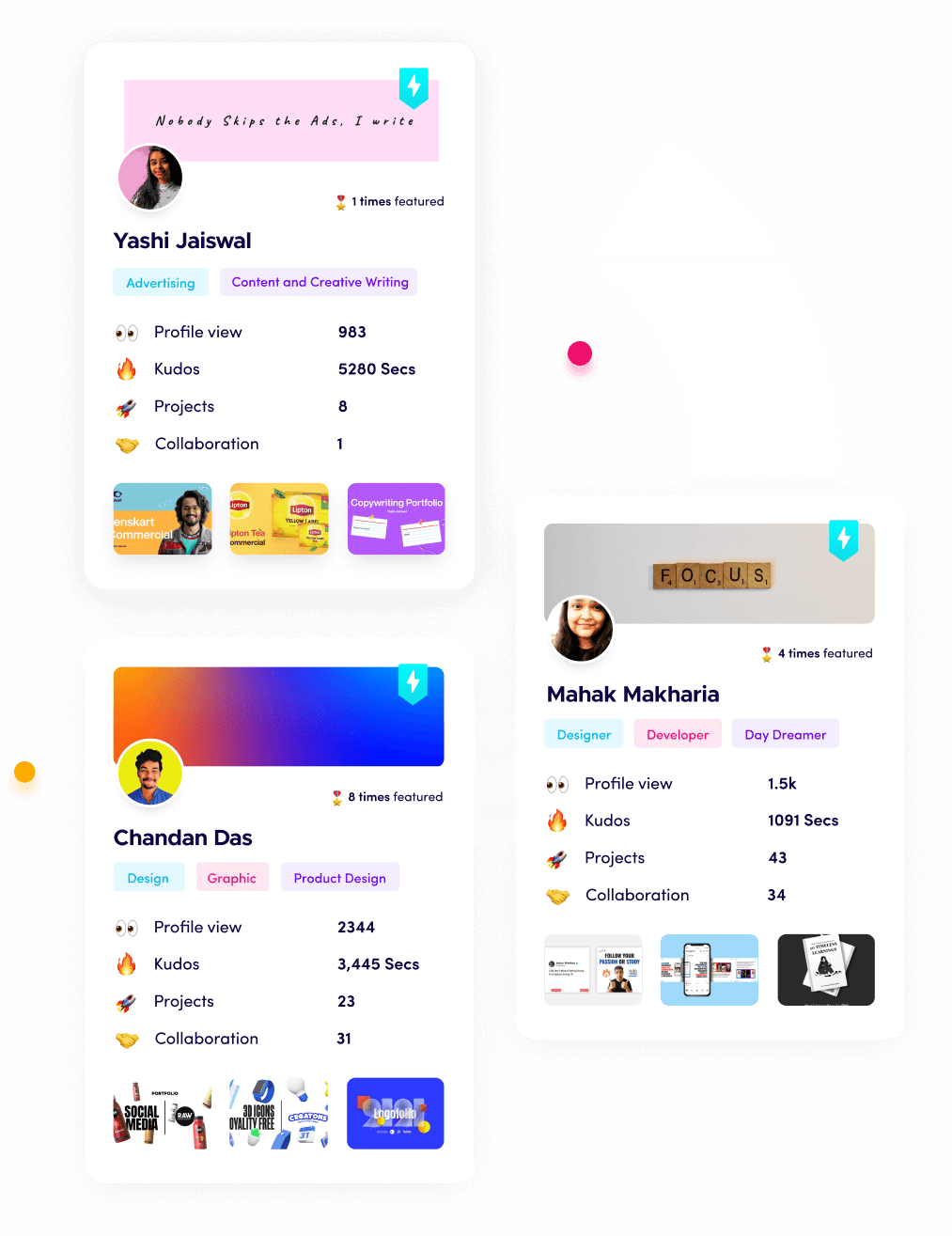
Students learn how top creators operate as businesses. They are taught how to write cold emails, reach out to creators on social media, price their services, and structure monthly client retainers. Instead of sending prospective clients messy Google Drive folders that hide their talent, students are guided to publish their finished edits as clean visual case studies on Fueler. Showing real proof of work complete with a breakdown of the problem, creative strategy, and final video builds immediate trust with hiring managers.
How It Works
The step-by-step workflow inside the cohort bridges content strategy and video editing through a practical execution loop.
- Studying Core Strategy Modules: You watch recorded studio lessons covering narrative scripting, hook design, timeline setup, and motion graphics.
- Analyzing the Raw Brief: You receive unedited footage packs along with a creator brief that outlines the target audience, platform, and content goals.
- Drafting the Narrative Structure: Before touching heavy visual effects, you cut the raw audio and video to build a tight, engaging rough cut.
- Applying Visual and Audio Layers: You enhance the story by adding motion graphics, kinetic typography, color grading, and layered sound effects.
- Participating in Live Edit Reviews: You submit your project for live feedback sessions, where mentors and Tharun break down timeline choices, pacing issues, and retention hooks.
- Competing in Edit Battles: Elite and Ultimate tier members participate in timed editing challenges to build speed and decision-making under tight deadlines.
- Publishing Your Proof of Work: You package your completed projects into a Fueler portfolio, framing your edits as business solutions to showcase to prospective clients.
Benefits
Combining content creation strategy with technical editing skills provides distinct career advantages over traditional video editing courses.
- Higher Positioning and Pricing: You pitch yourself as a content strategist and growth editor rather than a commodity button-pusher, allowing you to command higher rates.
- Faster Career Onboarding: Understanding creator workflows helps you integrate quickly into startup media teams, YouTube channels, and marketing agencies.
- Better Client Retention: Videos cut with viewer psychology in mind get better watch time, leading to happy clients who keep you on monthly retainers.
- End-to-End Skill Mastery: You master the full pipeline from ideation and scripting hooks to advanced motion graphics, color grading, and client outreach.
- Active Peer Community: Learning alongside hundreds of ambitious editors creates opportunities for collaboration, networking, and peer accountability.
- Organized Professional Portfolio: You build a client-ready portfolio on Fueler that acts as your 24/7 digital resume.
Challenges and Limitations
It is important to evaluate the demands of this combined learning model objectively before enrolling.
- High Cognitive Load: Learning story structure, scripting, sound design, and motion graphics all at once can feel overwhelming for absolute beginners.
- Hardware Requirements: Modern video editing software like Adobe Premiere Pro and After Effects requires a laptop or desktop with solid processing power, adequate RAM, and dedicated graphics.
- Significant Weekly Time Commitment: Completing recorded lessons, live Q&A sessions, and assignment edits requires 10 to 15 hours of dedicated practice every week.
- Additional Software Costs: Program tuition covers instruction and mentorship, but software licenses (such as Adobe Creative Cloud) are billed separately.
- Outreach Effort Required: While the program teaches outreach frameworks, landing high-paying client retainers still requires sending pitches and handling initial rejections.
Comparison Table
Fees and Plan Breakdown
The cohort is structured across three primary pricing plans, letting students choose the level of access and mentorship that fits their goals.
- Essential Plan (₹4,999): Provides complete access to all 44+ studio recorded modules, 2 weekly live sessions with Tharun, and standard student community access. Great for self-driven learners who want core foundational knowledge.
- Elite Plan (₹6,999): Includes everything in Essential, plus dedicated mentor timeline reviews, weekly social media and personal branding masterclasses, entry into edit battles, and an asset bundle worth ₹5,000.
- Ultimate Plan (₹14,999): The comprehensive tier designed for serious career transitioners. Adds a Personal Learning Manager, access to placement opportunities (targeting roles up to ₹30,000/month), premium editing asset packs worth ₹10,000, and access to a private group with Tharun.
- Financial Return Expectations: Because editors learn client pitching alongside storytelling, landing just one or two short-form retainers can cover the cost of the course within the first couple of months.
Career Opportunities
Graduating with skills in both content creation and video editing prepares you for dynamic roles across the creator economy.
- Retention-Focused Lead Editor: Managing post-production for high-growth YouTube channels, taking raw footage and crafting high-retention long-form videos.
- Short-Form Content Strategist: Ideating, scripting, cutting, and packaging vertical content for personal brands, startup founders, and D2C businesses.
- Growth Marketing Video Specialist: Creating high-converting video advertisements and product showcase clips for performance marketing agencies.
- Creator Operations Manager: Overseeing end-to-end content pipelines from script feedback and shot lists to final editing and multi-platform publishing.
- Freelance Creative Partner: Managing end-to-end content production for multiple international clients on fixed monthly retainers.
Who Should Choose This?
- Aspiring editors who want to understand why videos go viral, not just how to use software.
- Creative freelancers who want to move away from low-cost freelance sites and pitch high-value retainers directly to creators.
- Solo YouTubers and content creators who want to elevate their own channel's production value and audience watch time.
- Beginners who thrive in structured cohort environments with deadlines, peer competition, and live feedback.
- Editors who want to publish clean proof of work on Fueler to attract inbound career opportunities.
Who Should Avoid This?
- Individuals looking for a quick, passive course who are unwilling to spend hours practicing edits every week.
- People with outdated computer hardware that cannot run heavy software like Adobe Premiere Pro or After Effects.
- Experienced post-production professionals who already run successful editing agencies or work on feature film pipelines.
- Learners expect job offers to fall into their lap without putting effort into building a portfolio or pitching clients.
Final Thoughts
At Fueler, we firmly believe that the future of work belongs to those who build, show, and prove their skills publicly. Resumes and software certificates no longer impress founders, creators, or creative directors. What matters is your ability to take a blank timeline or a folder of messy raw clips and turn it into a compelling piece of media.
Tharun Speaks has built a model that reflects how modern media actually works. By teaching content creation and video editing together, the cohort helps students develop both strategic insight and technical execution. When you pair that combination with a well-organized Fueler portfolio, you don't just ask for a job; you demonstrate your value clearly from day one.
Key Takeaways
- Video editing without understanding content strategy leads to low rates and commoditized client work.
- Tharun Speaks teaches editing through narrative psychology, hook creation, and viewer retention dynamics.
- Students practice on real raw creator footage across talking-head videos, Reels, motion graphics, and audio engineering.
- Live masterclasses cover scripting, personal branding, client pitching, and creator business operations.
- The cohort offers Essential (₹4,999), Elite (₹6,999), and Ultimate (₹14,999) plans to suit different learning goals.
- Showcasing assignment edits as structured case studies on Fueler provides verifiable proof of work for potential clients.
FAQs
Does the cohort teach content scripting alongside editing?
Yes, the curriculum covers narrative structure, scripting beats, hook ideation, and retention techniques so editors know how to shape stories before cutting footage on the timeline.
Can I join if I want to edit for my own YouTube channel?
Absolutely. Learning viewer psychology, sound design, and vertical content strategy helps solo creators produce higher-quality videos that hold attention and grow their subscriber base organically.
What editing software do I need to complete the projects?
The primary software stack taught in the program includes Adobe Premiere Pro for cutting, Adobe After Effects for motion graphics, and DaVinci Resolve for color grading.
How do I showcase the content projects I build during the cohort?
You can organize your finished video edits, narrative breakdowns, and visual case studies directly on your Fueler portfolio, giving clients clear proof of your end-to-end skills.
Is client outreach taught in all plan tiers?
Yes, core client outreach frameworks are covered in the curriculum. Higher tiers like Elite and Ultimate add masterclasses, edit battles, and placement support for direct hiring access.
Why 100,000+ professionals use Fueler
Fueler helps professionals showcase proof of work through projects, assignments, case studies, and achievements.
- Thousands of professionals use Fueler to create their digital portfolio
- Thousands of projects are published on Fueler. Check here
- Startups and Companies hire through proof of work on Fueler
- Used by freelancers, creators, marketers, video editors, writers, designers, and product managers
Our mission is to help the next 100 million professionals build a verified professional identity through proof of work

What should you do next?
You've read the article. Now turn your skills into proof of work and unlock more opportunities.
Build your proof of work portfolio
Create a clean portfolio with projects, assignments, resumes, and AI stack details that companies actually want to see.
Create your Fueler portfolio →Apply through assignments, not resumes
Stand out by solving real tasks from companies hiring on Fueler.
Explore assignments →Get discovered by companies
Make your work public and let recruiters discover your skills through actual projects instead of keywords.
Get discovered →