How to Build a Video Editing Portfolio as a Beginner

Riten Debnath
12 Aug, 2026
Last updated: August 2026
Most beginner editors spend weeks learning software, only to get stuck when applying for gigs because clients demand past project samples. Without a clear visual showcase of your cutting style, sound design, and narrative flow, your applications get ignored by creators and agencies looking for immediate execution.
I’m Riten, founder of Fueler, a skills-first portfolio platform building the career infrastructure for 100 million creative professionals. Fueler connects talented individuals with companies through assignments, portfolios, and projects, not just resumes or CVs. Think of it as Dribbble/Behance for work samples combined with AngelList for hiring infrastructure.
Building a compelling showcase from scratch does not require years of client experience or expensive footage. This guide outlines practical strategies to assemble high-impact editing samples, structure your work effectively, and attract paid opportunities. You will learn how to turn practice edits into undeniable proof of capability.
Your video editing portfolio doesn’t need to be packed with dozens of projects; a few well-edited pieces can be enough to show what you can do.
Curate High-Impact Spec Projects Using Public Media Libraries
Sourcing raw media from open-source libraries gives you complete creative control to practice essential cutting techniques. Public repositories offer multi-camera interviews, raw B-roll, and unedited podcast footage that mirror actual client files.
Assembling spec projects using open assets demonstrates your ability to build visual narratives without waiting for paid opportunities. Focus on trimming awkward pauses, balancing audio levels, and matching color profiles to turn generic clips into polished video deliverables.
- Downloading Raw Multi-Camera Podcast Clips: Accessing open-source studio recordings allows you to practice cutting between multiple speaker angles. Matching audio cuts with speaker transitions trains your timing instincts, producing smooth dialogue flow that mirrors professional broadcast editing workflows cleanly.
- Assembling Product Commercials with Royalty-Free Footage: Combining high-resolution stock video with branded audio tracks lets you build direct-response video advertisements. Structuring dynamic visual hooks, problem-solution narrative arcs, and calls-to-action proves your commercial value to e-commerce clients instantly.
- Pacing Unscripted B-Roll into Narrative Stories: Transforming random landscape and urban clips into a cohesive travel short proves your visual storytelling capabilities. Balancing background soundtracks with visual transitions creates an engaging viewing experience that highlights your creative editing judgment.
- Fixing Challenging Lighting and Audio Artifacts: Sourcing raw footage with poor exposure or background noise lets you showcase technical problem-solving skills. Correcting color balance and isolating dialogue proves you can elevate flawed client assets into clean, broadcast-quality video content.
- Editing Fast-Paced Social Media Vertical Reels: Cutting high-energy vertical videos using public domain clips demonstrates your understanding of mobile viewer retention. Adding punchy jump cuts, text overlays, and sound effects displays your mastery over modern short-form video formats.
Why It Matters: Using public media libraries removes the barrier of needing original camera footage to build early work samples. Practicing on diverse raw assets prepares you for real client briefs while establishing technical consistency across different video formats. This practice lays the foundation for a versatile, project-ready showcase.
Cut a Tight 60-Second Showreel That Hooks Viewers Immediately
Clients decide whether to hire an editor within the first few seconds of watching a showreel. Placing your absolute best visual cuts right at the beginning ensures busy creators and agency owners stay engaged.
A bloated reel filled with repetitive clips weakens your overall presentation and hides your top skills. Structuring a tight, 60-second compilation that showcases varied cuts, sound design, and color work builds immediate authority and keeps retention high.
- Front-Loading Your Single Strongest Visual Frame: Placing your most visually compelling edit in the first three seconds hooks prospective clients instantly. Capturing immediate attention prevents viewers from clicking away, ensuring they watch the remainder of your showreel with heightened interest.
- Cutting Synchronously to Background Audio Beats: Matching visual cuts precisely to musical accents displays strong rhythmic timing and editing discipline. Aligning scene transitions with sound design elements elevates overall production quality and makes your showreel feel polished and professional.
- Showcasing Diverse Editing Styles Within One Reel: Combining short-form vertical edits, talking-head interviews, and motion graphic overlays demonstrates technical versatility. Displaying a wide skill set within sixty seconds reassures clients that you can execute multiple video formats effortlessly.
- Eliminating Filler Footage to Maintain Energy: Removing average edits ensures every second of your showreel delivers maximum visual impact. Ruthlessly trimming weak clips keeps the pacing fast, leaving potential clients with a lasting impression of high production standards and quality execution.
- Ending with Clear Contact Details and Next Steps: Displaying your professional name, email address, and direct portfolio link in the closing frame simplifies client outreach. Making contact information obvious encourages immediate inquiries after viewers finish watching your compilation reel.
Why It Matters: Your showreel serves as your digital trailer, offering potential clients an immediate snapshot of your editing style and technical caliber. Keeping it brief, dynamic, and focused on high-quality visuals ensures you make a strong first impression. A refined reel frequently determines whether a prospective client reviews your full project library.
Re-Edit Popular Online Content to Demonstrate Creative Pacing
Taking existing YouTube videos, brand commercials, or podcast episodes and re-cutting them offers an effective way to prove visual problem-solving skills. Modifying the pacing, sound design, or structure shows how you can elevate existing production standards.
Publishing spec re-edits highlights your ability to analyze content critically and implement strategic visual improvements. It demonstrates to creators that you understand modern audience retention techniques without needing access to their private raw files.
- Restructuring Long YouTube Intros for Maximum Retention: Re-cutting slow video openings from popular creators into fast-paced hooks demonstrates your grasp of audience retention dynamics. Replacing long monologues with punchy visual cuts and text callouts proves you can keep viewers engaged longer.
- Condensing Long-Form Interviews into Viral Clips: Extracting key insights from multi-hour podcast recordings and formatting them into vertical videos displays content curation talent. Adding dynamic captions and supporting B-roll turns static conversations into highly shareable social media assets.
- Re-Designing Commercials for Local Small Businesses: Re-editing slow promotional videos from local companies with kinetic typography and faster cuts highlights commercial awareness. Showing a modernized version of an existing advertisement proves your capacity to drive business engagement directly.
- Enhancing Sound Design on Flat Dialogue Footage: Adding subtle atmospheric sound effects, riser transitions, and balanced background tracks to plain speech clips elevates emotional resonance. Detailed audio enhancement proves you treat sound as a primary narrative tool rather than an afterthought.
- Applying Motion Graphics to Informational Webinars: Animating key quotes, statistics, and bullet points over recorded presentations makes dry educational content visually appealing. Incorporating clean motion graphics showcases your ability to keep viewers focused on complex instructional materials.
Why It Matters: Re-editing public content bridges the gap between passive learning and active proof of capability. It allows prospective clients to see your creative decision-making process in action on familiar media. Demonstrating clear visual upgrades on existing videos proves you can add immediate value to their ongoing content pipeline.
Include Side-by-Side Before and After Editing Comparisons
Raw footage often looks flat, uninspiring, and cluttered before an editor applies technical expertise. Presenting side-by-side or split-screen comparisons makes your precise editing contributions obvious to prospective clients who may not understand technical editing terminology.
Displaying before-and-after samples highlights color grading, audio cleanup, and visual framing improvements simultaneously. This visual evidence clearly illustrates the difference between unpolished raw files and a finished, broadcast-ready end product.
- Comparing Flat LOG Footage to Color-Graded Finals: Displaying uncorrected camera footage alongside your final color-graded render illustrates your color management expertise. Showing vibrant skin tones and balanced contrast levels proves you can transform dull camera files into cinematic visual media.
- Demonstrating Noise Reduction and Dialogue Clarity: Showing raw audio waveforms containing background hiss next to your cleaned dialogue track highlights audio restoration capabilities. Clear audio improvements demonstrate that you possess the technical tools required to fix poor recording environments.
- Highlighting Jump Cut Removal and Seamless Trimming: Presenting an unedited rambling interview clip alongside your tight, seamless final edit illustrates narrative pacing. Removing awkward pauses and filler words proves you can streamline dialogue without disrupting natural speaking rhythm.
- Visualizing Background Removal and Chroma Keying: Displaying raw green screen footage next to a composited, custom background showcases your keying precision. Clean edge removal and balanced lighting integration prove you can handle complex composite visual effects effectively.
- Showcasing B-Roll Layering Over Monotone Narrations: Demonstrating plain talking-head clips before and after adding strategic visual overlays illustrates storytelling enhancement. Integrating relevant supporting footage keeps viewers visually stimulated, elevating overall production quality significantly.
Why It Matters: Before-and-after comparisons remove ambiguity regarding what you actually accomplished on a project. Non-technical clients often struggle to evaluate raw editing skill, but split-screen visuals make your value proposition immediately obvious. Displaying clear visual transformations builds trust and reinforces your technical competence.
Group Projects by Specific Niche and Platform Format
Generalist showcases that mix weddings, corporate interviews, and gaming highlights confuse clients looking for specific video formats. Organizing your work into defined categories helps potential clients evaluate your relevant experience quickly.
Grouping your edits by platform format—such as short-form vertical reels, YouTube long-form, or e-commerce ads—establishes clear positioning. Clients prefer hiring editors who specialize in the exact visual format they need to produce.
- Creating a Dedicated Category for Short-Form Vertical Content: Organizing TikToks, Reels, and YouTube Shorts into a single section highlights your short-form mastery. Presenting fast-paced cuts, captions, and trend-driven pacing together targets clients needing high-volume social media video assets.
- Categorizing Long-Form YouTube Edits and Vlogs: Grouping story-driven YouTube videos demonstrates your ability to manage narrative structure over extended durations. Showcasing chapters, custom thumbnails, and retention techniques reassures creators seeking long-term video editing support.
- Structuring E-Commerce and Product Ad Sections: Separating direct-response video ads into a dedicated section highlights your understanding of conversion-focused editing. Displaying product callouts, customer reviews, and strong visual hooks attracts digital marketers and online brand owners.
- Building a Corporate and Executive Showcase: Grouping professional interviews, testimonial edits, and event recaps targets business clients with larger marketing budgets. Clean lower-thirds, subtle color grading, and crisp dialogue mixing signal corporate reliability and professionalism.
- Separating Educational and Documentary-Style Edits: Placing research-driven video essays and explainer videos in a distinct category highlights archival research and pacing skills. Combining dynamic typography with historical B-roll demonstrates your capacity to make complex topics visually engaging.
Why It Matters: Categorizing your work by niche and platform eliminates friction during the hiring process. Prospective clients want to verify instantly that you have edited videos similar to their target deliverables. Clear organization demonstrates professional focus and positions you as a specialized solution rather than a generic freelancer.
Document Project Briefs and Editing Workflows Alongside Videos
Posting video files without context forces clients to guess your actual involvement in the editing process. Adding brief project explanations alongside your videos explains the client's goal, the challenges encountered, and how your editing choices achieved the outcome.
Documenting your workflow—from timeline organization to sound design choices—demonstrates operational discipline. Sharing your problem-solving process reassures clients that you approach video editing strategically rather than making random cuts.
- Outlining Initial Client Goals and Project Constraints: Summarizing the video's target audience and platform requirements sets a clear baseline for evaluation. Explaining the brief shows prospective clients that your creative editing decisions were driven by strategic business goals rather than personal preference.
- Detailing Software Tools and Third-Party Plugins Used: Listing specific non-linear editors, color grading tools, and audio plugins used highlights technical proficiency. Mentioning professional software setups reassures agency clients that your project files align with industry standards cleanly.
- Explaining Pacing Decisions and Narrative Adjustments: Describing why you cut specific scenes or adjusted scene transitions illustrates narrative judgment. Explaining how your pacing maintained viewer engagement demonstrates an understanding of storytelling principles beyond basic timeline manipulation.
- Describing Audio Engineering and Sound Layering: Explaining how you mixed voiceover tracks, background music, and ambient sound effects highlights detailed audio craftsmanship. Documenting your sound design process proves you construct multi-layered sonic environments that elevate visual content.
- Highlighting Measurable Performance Outcomes and Feedback: Including metric results like increased retention rates or positive creator feedback provides social proof. Connecting editing choices to performance data proves your work delivers tangible commercial value for clients.
Why It Matters: Documenting your editing workflow transforms standalone videos into comprehensive case studies. It gives prospective clients insight into your communication style, reliability, and technical problem-solving capabilities. Explaining the thinking behind your edits elevates your positioning from a basic technician to a valuable creative partner.
Produce Unsolicited Sample Edits for Niche Small Businesses
Waiting for client inquiries can leave beginner editors stuck with an incomplete portfolio. Reaching out proactively to local businesses or small online brands with custom, unsolicited sample edits creates immediate paid opportunities and adds real-world projects to your showcase.
Targeting businesses that produce unpolished video content allows you to deliver obvious visual value upfront. Pitching a finished, upgraded clip demonstrates initiative and eliminates client risk when considering your editing services.
- Identifying Local Businesses with Poor Video Pacing: Finding small brands posting unedited social videos provides prime outreach targets. Pitching improved cuts to businesses actively producing content ensures you target clients who already recognize the importance of video marketing.
- Re-Editing Existing Public Footage as a Gift: Downloading a business's public video and returning a polished 30-second version proves your capability immediately. Providing finished value upfront builds goodwill and opens conversations regarding paid editing retainers.
- Adding On-Brand Graphics and Color Accents: Incorporating custom brand colors, clean typography, and logo animations makes sample edits look fully customized. Aligning visual overlays with business branding demonstrates attention to detail and corporate awareness.
- Keeping Unsolicited Outreach Pitches Concise and Helpful: Sending brief video messages explaining your visual improvements keeps outreach professional and respectful. Focusing on how edited content improves viewer retention builds positive rapport without feeling aggressive or overly salesy.
- Converting Sample Edits into Paid Testimonial Projects: Offering discounted initial editing packages in exchange for written reviews builds early client feedback. Securing real client testimonials strengthens your portfolio credibility and attracts higher-paying clients moving forward.
Why It Matters: Creating unsolicited sample edits gives you practical experience working within real brand constraints while generating proactive client leads. It shifts your approach from passive job hunting to active value creation. Converting these sample edits into real client relationships builds genuine proof of work for your growing showcase.
Organize Proof of Work on Dedicated Online Portfolio Hubs
Sending prospective clients loose file attachments or messy cloud folders appears unprofessional and creates friction during review. Hosting your video work on an organized digital platform ensures your samples load quickly and look polished on all devices.
A well-structured portfolio hub allows visitors to browse showreels, review project breakdowns, and access your contact details seamlessly. Keeping your proof of work organized in one accessible space increases conversion rates from prospective inquiries.
- Centralizing Video Links into Clean Visual Galleries: Embedding video links from public platforms into an organized visual grid prevents file playback issues. Organizing project thumbnails neatly ensures clients browse your work without encountering broken links or slow downloads.
- Displaying Project Context Alongside Embedded Player Links: Placing brief project descriptions next to video players helps clients understand your exact editing contribution. Providing context ensures viewers evaluate your work based on project objectives rather than aesthetics alone.
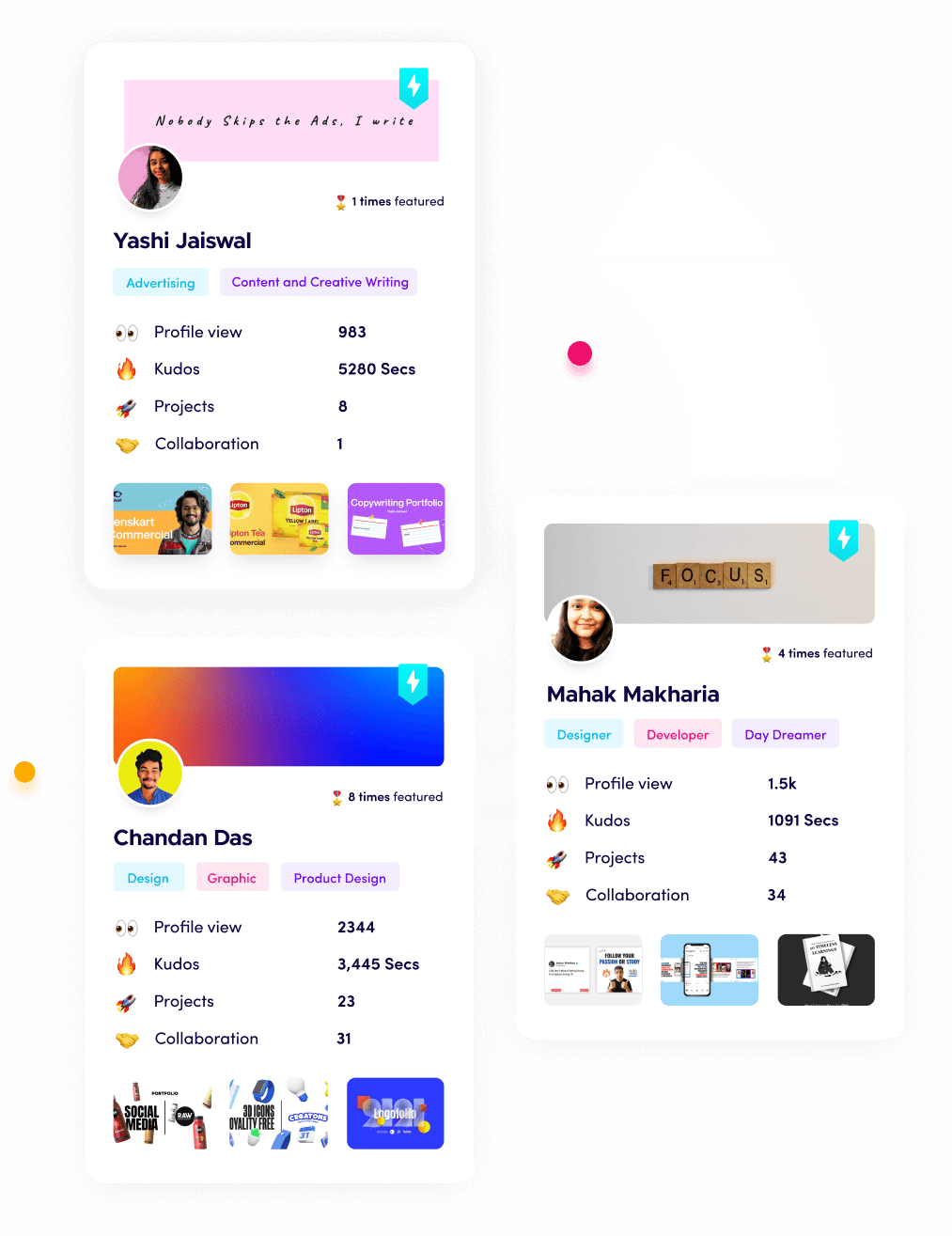
- Publishing Verified Assignments and Proof of Work: Hosting completed client projects, spec briefs, and workflow breakdowns on platforms like Fueler creates verifiable proof of skill. Displaying documented project execution builds immediate credibility with prospective employers and clients.
- Ensuring Fast Mobile Playback and Clean Navigation: Optimizing page layouts for mobile devices guarantees your videos load instantly on smartphones. Smooth navigation allows busy creators and hiring managers to review your editing work on the go seamlessly.
- Integrating Clear Calls-to-Action for Client Inquiries: Placing visible contact buttons next to your best video samples invites immediate client outreach. Simplifying the inquiry process converts casual portfolio viewers into active project leads effortlessly.
Why It Matters: Organizing your video projects on a dedicated platform ensures your work is presented cleanly and professionally. It eliminates friction for potential clients evaluating your background, making it easy for them to review your capabilities. A streamlined showcase reflects operational discipline and builds immediate trust with prospective clients.
How Does This Connect to Building a Strong Career or Portfolio?
Building a sustainable editing career relies entirely on proof of work rather than traditional resumes or static credentials. Modern clients hire editors who demonstrate execution visibility, project discipline, and creative problem-solving through tangible video outcomes. Documenting your spec projects, workflow breakdowns, and client results creates undeniable proof of capability. Platforms like Fueler enable emerging editors to organize their assignments, projects, and proof of work into a clean portfolio that highlights real outcomes, helping you get hired faster without relying on outdated resumes.
Final Thoughts
Building an impressive video editing portfolio as a beginner is an active process of proving what you can deliver. Focus on mastering core editing mechanics, curating strong spec projects, and presenting your workflow with clarity. When you show potential clients how your cuts, pacing, and sound design elevate raw footage into engaging stories, credentials become secondary. Stay consistent in documenting your projects, refine your showreel regularly, and let your proof of work speak for your potential.
Frequently Asked Questions
How many videos should a beginner include in a portfolio?
A beginner portfolio should include 3 to 5 high-quality projects alongside a 60-second showreel. Focusing on a small selection of polished edits demonstrates your best skills without overwhelming prospective clients.
Can I build a video editing portfolio without client experience?
Yes, you can build a strong portfolio using spec projects, public domain footage, royalty-free media libraries, and re-edited popular videos. Clients prioritize visual quality, pacing, and sound design over formal client history.
What is the ideal length for a video editing showreel?
The ideal showreel length is 40 to 60 seconds. Keep it fast-paced, front-load your strongest visual edit in the first three seconds, and cut tightly to background music to maintain viewer engagement.
Should I specialize in one video format or show everything?
Specializing in one high-demand format, such as short-form vertical reels or YouTube long-form content, makes your portfolio more compelling. Clients prefer hiring specialized editors who understand their specific platform requirements.
Where should I host my beginner video editing portfolio?
Host your portfolio on clean, fast-loading digital hubs like Fueler or dedicated portfolio sites. Storing your proof of work, project breakdowns, and video links in one organized location ensures effortless client viewing.
Why 100,000+ professionals use Fueler
Fueler helps professionals showcase proof of work through projects, assignments, case studies, and achievements.
- Thousands of professionals use Fueler to create their digital portfolio
- Thousands of projects are published on Fueler. Check here
- Startups and Companies hire through proof of work on Fueler
- Used by freelancers, creators, marketers, video editors, writers, designers, and product managers
Our mission is to help the next 100 million professionals build a verified professional identity through proof of work

What should you do next?
You've read the article. Now turn your skills into proof of work and unlock more opportunities.
Build your proof of work portfolio
Create a clean portfolio with projects, assignments, resumes, and AI stack details that companies actually want to see.
Create your Fueler portfolio →Apply through assignments, not resumes
Stand out by solving real tasks from companies hiring on Fueler.
Explore assignments →Get discovered by companies
Make your work public and let recruiters discover your skills through actual projects instead of keywords.
Get discovered →