How to Get Your First Video Editing Client in 2026

Riten Debnath
12 Aug, 2026
Last updated: August 2026
Applying to video editing jobs in 2026 feels a lot like shouting into a void where everyone is wearing noise-canceling headphones. You send out fifty resumes, attach a random Google Drive link full of raw MP4 files, and then sit back, praying someone notices your cuts. Instead, you get crickets.
The cold truth is that clients don't hire editors based on fancy resumes or software certificates. They buy visual proof. They hire people who can keep viewers from scrolling past the first three seconds of a video.
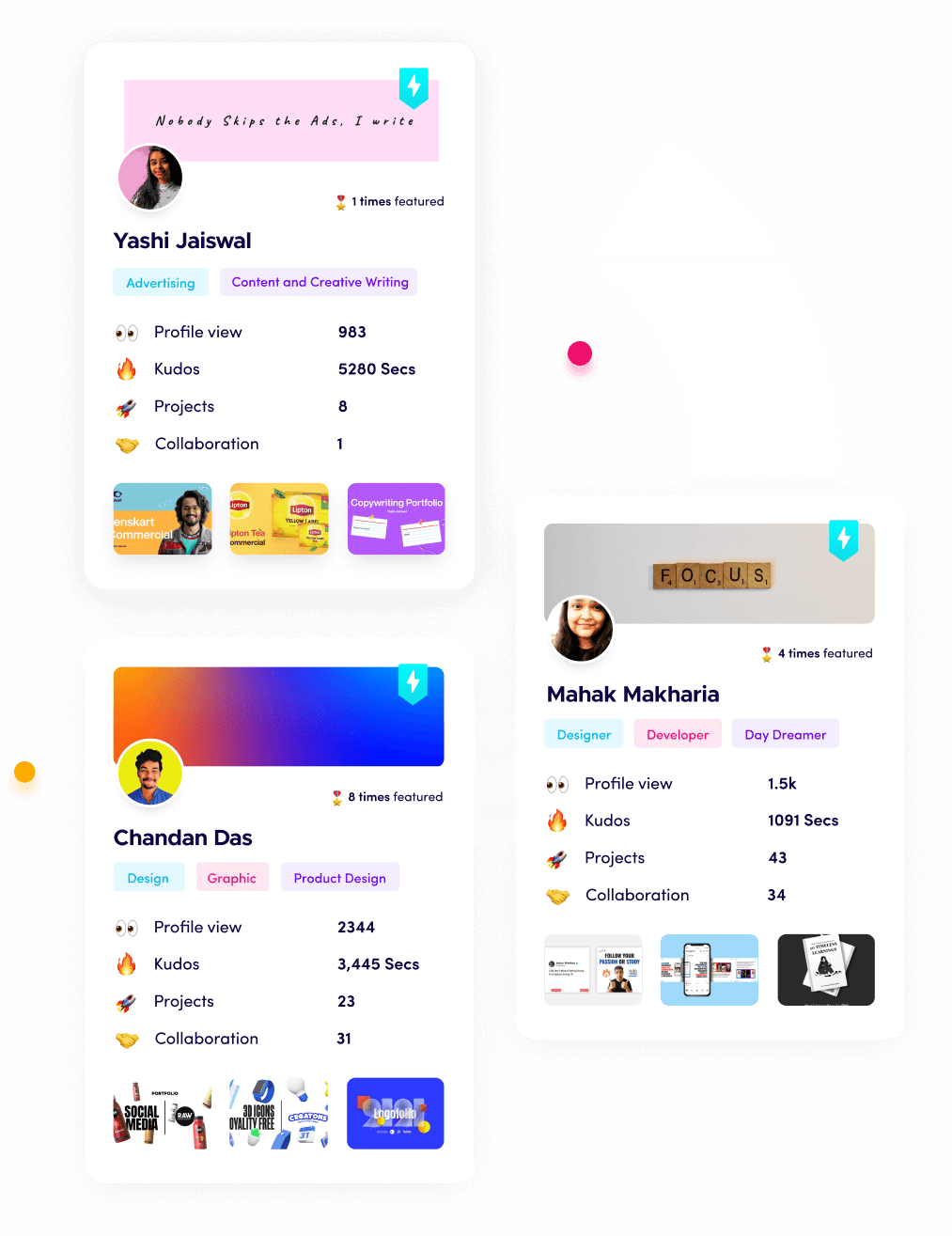
I’m Riten, founder of Fueler, a skills-first portfolio platform building the career infrastructure for 100 million creative professionals. Fueler connects talented individuals with companies through assignments, portfolios, and projects, not just resumes or CVs. Think of it as Dribbble/Behance for work samples combined with AngelList for hiring infrastructure.
If you want to escape the infinite loop of unread cold emails, you need a system that shows prospects exactly what you can do before you ever ask for a single dollar. Here is the practical blueprint to land your first paying video editing client this year.
Target a Specific Niche Instead of Being Everything to Everyone
Most beginner editors make the mistake of calling themselves a general video editor. When your bio says you edit weddings, gaming videos, corporate interviews, and TikToks, clients assume you are average at everything.
Positioning yourself around a specific format immediately elevates your value. A fitness creator on YouTube doesn't want a generic editor; they want someone who understands fast-paced workout pacing, energetic music transitions, and health-focused lower thirds.
- Niche positioning focuses your portfolio on one specific audience like SaaS explainer videos, real estate tours, or creator podcasts.
- Specializing allows you to build a reusable asset library of graphics, sound effects, and text presets, cutting your editing time in half.
- Pitching a targeted service increases your response rate because prospects recognize that you understand their specific content style.
- Search algorithms on freelance platforms reward specialized keywords over broad titles.
- Portfolio samples tailored to one industry make potential clients feel like you built your skills explicitly for their brand.
Why It Matters
Picking a niche converts cold prospects into warm leads much faster. It stops you from competing against thousands of generic editors on price and lets you charge based on specialized value.
Pitch YouTube Creators Using the Free Sample Hook Method
Cold outreach rarely works when you ask for a job in the very first sentence. Creators receive dozens of generic "Hey bro, let me edit your videos" DMs every day and ignore almost all of them.
The most effective way to break through the noise is to do the work upfront. Find a mid-sized creator whose content has great ideas but weak editing, re-edit a 60-second clip from their latest video, and send it directly to them.
- Identify channels with 50,000 to 500,000 subscribers that post regularly but have obvious pacing or graphic gaps.
- Take a public long-form video, cut out an engaging 60-second story, and add dynamic captions, sound effects, and clean visual cuts.
- Send a short message introducing yourself, attach the custom video clip, and explain why you made those specific edits.
- Offer the sample clip completely free for them to post on their social media channels, asking for nothing in return except feedback.
- Transition the conversation into a paid monthly retainer once they see the visual improvement and community engagement on the clip.
Why It Matters
Demonstrating real value eliminates client risk. You stop pitching potential and start showing tangible proof, making it infinitely easier for a creator to say yes.
Build Speculative Ads to Show Off Commercial Capabilities
You do not need paid client experience to build commercial editing samples. Speculative work (spec ads) involves downloading public product footage or royalty-free B-roll and re-cutting it into a high-energy 30-second commercial.
Creating spec ads gives you total creative control over the pacing, music, and graphic overlays. It allows you to showcase how you would handle actual marketing briefs for brands in e-commerce, fitness, or technology.
- Download high-quality footage from open-source stock sites or brand media kits to practice commercial pacing.
- Re-edit product shots to sync tightly with musical beats, voiceovers, and dynamic motion graphic callouts.
- Practice professional color grading to match shots from different cameras and create a unified brand aesthetic.
- Label these projects clearly as speculative edits in your portfolio to maintain complete transparency with potential buyers.
- Use spec ads to pitch marketing agencies on LinkedIn, proving you can deliver polished ad creative on short notice.
Why It Matters
Spec ads bridge the gap between having zero clients and looking like a seasoned professional. They prove you understand commercial storytelling without waiting for someone to hire you first.
Leverage Commission-Free and Niche Freelance Marketplaces
While crowded platforms like Fiverr and Upwork are okay for picking up early practice gigs, relying entirely on them can drag down your rates due to high platform fees and price competition.
Moving toward specialized and commission-free job networks puts you in front of clients who value quality over budget cuts. Platforms like YT Jobs target YouTube content creators specifically, while networks like Contra let you keep 100% of your hard-earned revenue.
- Set up optimized profiles on specialized platforms like YT Jobs, Contra, and Twine to target pre-vetted client leads.
- Use specific headline titles like "Short-Form Retention Editor for B2B SaaS" instead of generic descriptions.
- Populate your profiles with embedded case studies rather than raw links to show your complete editing process.
- Keep response times fast to boost your visibility in search algorithms on job marketplaces.
- Transition one-off marketplace gigs into off-platform monthly retainers once you establish trust with a client.
Why It Matters
Being visible on targeted platforms helps warm leads find you organically. It reduces the time you spend sending cold pitches every single week.
Post "Before-and-After" Editing Breakdowns on Social Media
Instead of treating social media like a digital photo album, use it as an active lead magnet. Posting short screen-recording videos that break down how you transformed boring raw footage into an engaging edit builds massive authority.
Clients love seeing the behind-the-scenes mechanics of your work. When you highlight audio cleanup, color correction, sound effect layering, and visual pacing tricks, you prove that your results are calculated rather than lucky.
- Record your editing software screen to show complex multi-track timelines, sound effect layers, and color wheels.
- Create side-by-side videos contrasting dull raw camera footage with your final, fully polished edit.
- Voiceover your thought process, explaining why you placed a jump cut or pattern interrupt at a specific second.
- Optimize your social bios with a direct contact link and a clear statement about who you help.
- Share short editing tips to position yourself as an expert, attracting organic DMs from creators and business owners.
Why It Matters
Educational content builds trust in public. Showing your editing process proves your technical competence and makes clients feel confident about hiring you.
Partner with Creative Agencies and Local Businesses
Digital agencies, local marketing firms, and videographers constantly deal with content overflow. They often shoot more footage than their in-house teams can edit, making them an incredible source of recurring freelance work.
Reaching out to local businesses like gyms, real estate firms, or corporate consultants also yields fast results. These businesses know they need video to compete online, but they rarely have the time or software to edit videos themselves.
- Contact local marketing agencies and offer your services as an on-demand white-label editor for their overflow work.
- Reach out to local business owners who have inactive social media channels and propose editing their raw smartphone clips.
- Pitch videographers who hate post-production, offering to handle their cutting, audio balancing, and color grading.
- Provide simple, predictable pricing structures like per-video rates or monthly editing packages to make buying easy.
- Focus on building long-term working relationships rather than one-off transactional sales.
Why It Matters
Agency partnerships and local clients provide steady, reliable work without requiring you to constantly hunt for new leads every week.
Offer Video Repurposing to Podcasters and Webinar Hosts
Long-form audio and video creators struggle with content distribution. Podcasters and webinar hosts regularly record one-hour sessions but lack the time to slice them into vertical clips for Instagram Reels, TikTok, and YouTube Shorts.
Pitching a dedicated video repurposing service solves an immediate pain point. You take their existing long video, extract three to five standalone golden nuggets, and re-edit them into high-retention short clips.
- Download long-form podcast episodes or webinar recordings from public channels.
- Identify continuous 30-to-60-second segments that contain valuable insights or entertaining stories.
- Re-format the video into a vertical layout, add bold automated captions, and insert context-accurate B-roll stock clips.
- Pitch the creator on a monthly package where you turn every long video they post into multiple vertical clips.
- Show how repurposing their old content helps them grow their audience across new platforms without extra filming effort.
Why It Matters
Content repurposing offers an easy "foot-in-the-door" service. It targets creators who already value video, making it much easier to sell ongoing monthly retainers. Pro tip: To streamline this workflow, Riverside video editing tool allows you to generate captions, resize layouts, and export clips efficiently.
Organize Your Proof of Work on a Dedicated Platform
Sending a potential client a scattered folder full of raw MP4 links on Google Drive is the fastest way to get ignored. It forces the client to download files, guess the context behind each video, and waste time.
Organizing your work on a structured platform built for proof of work ensures your prospects can watch high-quality embedded videos instantly. Presenting your projects alongside brief explanations of your strategy shows that you treat video editing as a professional business.
- Pick your four to six absolute best editing projects to feature, avoiding low-quality filler content.
- Write a short context description for each project outlining the original brief, software used, and editing goals.
- Embed clean video players so your work plays smoothly on both mobile devices and desktop screens.
- Group your work by clear categories like short-form reels, commercial ads, or podcast cuts.
- Include a clear call to action and contact method so interested clients can message you immediately.
Why It Matters
Presentation dictates perceived value. A clean, organized portfolio builds instant credibility and makes hiring managers feel safe taking a chance on you.
How Does This Connect to Building a Strong Career or Portfolio?
Your long-term freelance success relies heavily on execution visibility. Clients do not hire based on claims or text credentials listed on a traditional resume; they hire when they see undeniable proof of work. Documenting your actual project timelines, problem-solving choices, and visual outputs builds real authority in the market. Presenting organized projects on platforms like Fueler allows you to showcase complete project breakdowns that prove your value. Shifting your focus toward verifiable outcome-based work positions you for sustainable career growth.
Final Thoughts
Landing your first video editing client in 2026 isn't about having the most expensive camera gear or an elite film degree. It comes down to proving you can solve real visual problems for creators and businesses. When you stop sending generic job applications and start delivering undeniable proof of work, finding paying clients shifts from a stressful guessing game into a repeatable system. Focus on value first, present your work cleanly, and the client contracts will follow.
Frequently Asked Questions
How do beginner video editors get their first clients in 2026?
Beginners land clients by offering value upfront. Create a 60-second free re-edit for a creator, build spec ads, or showcase your editing process on social media to prove your skills visually.
Where is the best place to find video editing clients?
Direct outreach on Instagram, LinkedIn, and YouTube yields high-paying clients. Specialized platforms like YT Jobs and Contra also connect you directly with vetted creators and agencies looking for talent.
Should I edit for free to get my first client?
Never do full projects for free without a strategy. Instead, send a short 30-to-60-second "free sample" clip to show potential improvements. Use that sample to land a paid monthly retainer.
How many videos should be in a beginner portfolio?
Four to six well-polished videos are enough. Focus on quality over quantity, including short descriptions of your process and the software you used for each project.
Do I need a website to showcase my video editing work?
You don't need to code a complex website, but you do need a structured portfolio link. Avoid messy Google Drive folders and use a dedicated platform to present your projects cleanly.
Why 100,000+ professionals use Fueler
Fueler helps professionals showcase proof of work through projects, assignments, case studies, and achievements.
- Thousands of professionals use Fueler to create their digital portfolio
- Thousands of projects are published on Fueler. Check here
- Startups and Companies hire through proof of work on Fueler
- Used by freelancers, creators, marketers, video editors, writers, designers, and product managers
Our mission is to help the next 100 million professionals build a verified professional identity through proof of work

What should you do next?
You've read the article. Now turn your skills into proof of work and unlock more opportunities.
Build your proof of work portfolio
Create a clean portfolio with projects, assignments, resumes, and AI stack details that companies actually want to see.
Create your Fueler portfolio →Apply through assignments, not resumes
Stand out by solving real tasks from companies hiring on Fueler.
Explore assignments →Get discovered by companies
Make your work public and let recruiters discover your skills through actual projects instead of keywords.
Get discovered →