Top Video Editing Courses in India with Certificates (2026)

Riten Debnath
02 Aug, 2026
Last updated: August 2026
Most video editing students waste six months cutting generic stock clips only to realize recruiters ignore raw certificates without proof of work. In 2026, media houses, YouTube creators, and advertising agencies expect post-production editors to master pacing, color grading, multi-cam assembly, and AI-assisted workflows.
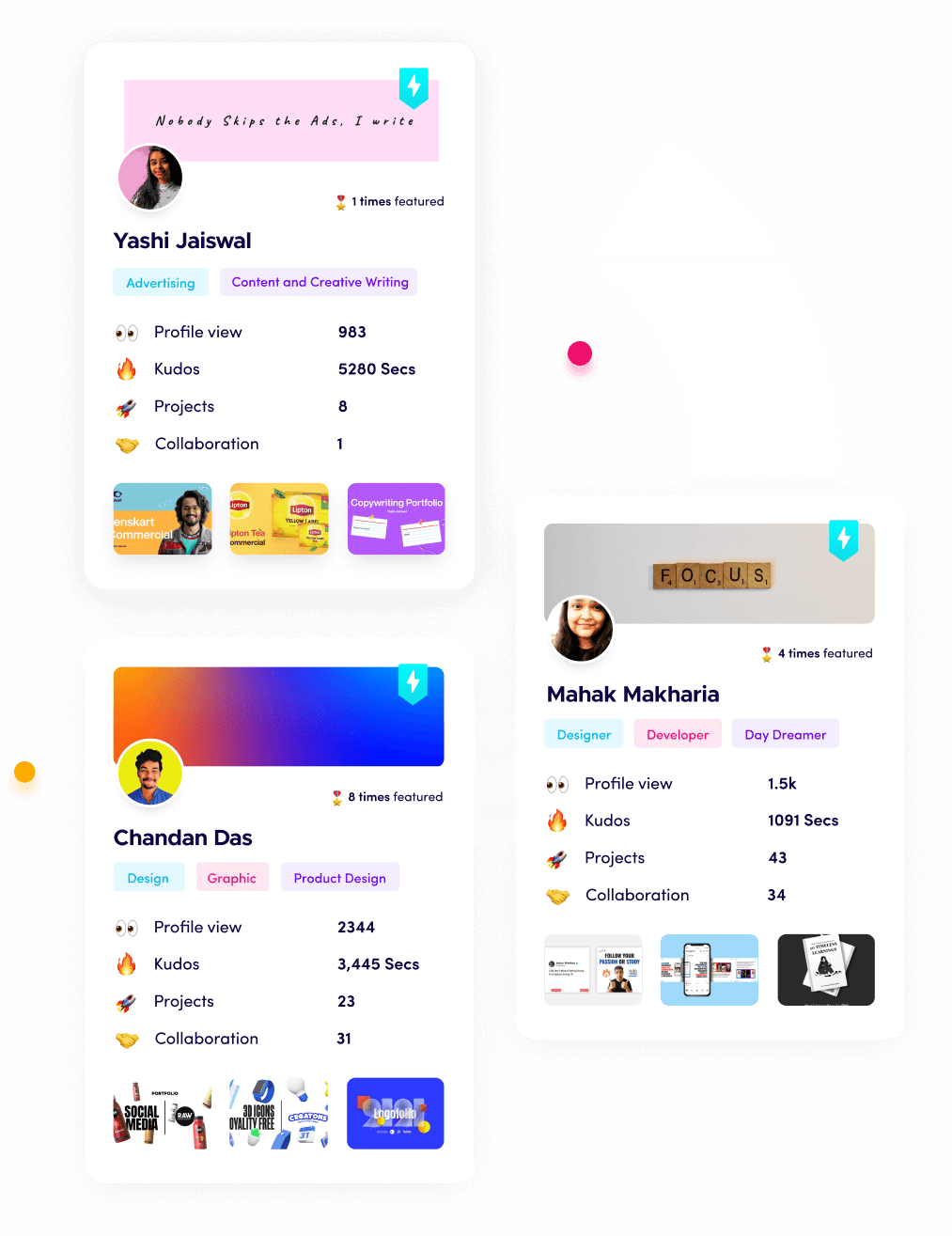
I’m Riten, founder of Fueler, a skills-first portfolio platform building the career infrastructure for 100 million creative professionals. Fueler connects talented individuals with companies through assignments, portfolios, and projects, not just resumes or CVs. Think of it as Dribbble/Behance for work samples combined with AngelList for hiring infrastructure.
Choosing the wrong editing course delays your industry entry and drains your budget. This guide breaks down India’s top certified video editing programs, detailing their curricula, fees, hands-on production depth, and potential limitations so you can pick the right path.
Film and Television Institute of India (FTII), Pune
FTII Pune offers India’s most prestigious government-certified post-production programs. Designed for filmmakers and high-end video editors, the curriculum focuses on cinematic narrative structure, advanced non-linear editing techniques, sound synchronization, and industry-standard workflows across fiction and documentary filmmaking.
Students train on high-end editing suites, working directly with raw camera footages from actual institute film projects. The government certification carries national and international prestige across major production houses.
- Comprehensive Cinematic Storytelling: You will learn advanced pacing, montage construction, rhythm manipulation, and narrative framing. The coursework teaches editors how to build psychological tension and smooth narrative transitions across complex, multi-layered dramatic scenes.
- Industry-Standard Editing Hardware and Software: Training takes place on high-end editing workstations using DaVinci Resolve Studio, Premiere Pro, and Avid Media Composer. You gain direct exposure to high-grade storage servers, color-accurate monitoring displays, and professional post-production hardware setups.
- Hands-on Collaboration with Live Film Crews: Editors collaborate directly with FTII student directors, sound designers, and cinematographers. You assemble short films, documentaries, and commercials from original multi-camera footage rather than generic internet stock videos.
- In-Depth Color Grading and Audio Post-Production: The modules cover structural color space transformations, primary and secondary color correction, and audio cleanup. You will master dialogue editing, track leveling, ambient noise removal, and basic surround sound mixing principles.
- Government Certification and Alumni Reputation: Graduates receive an official government PG Certificate or Diploma backed by decades of industry prestige. The institute network connects students directly to top feature film directors, television networks, and OTT production executives.
- Public Fees: Approximately ₹1.24 Lakhs to ₹1.66 Lakhs total program cost.
- Best Use Cases: Ideal for editors aiming for feature films, high-budget OTT series, documentaries, and traditional broadcasting networks.
- Limitations: Highly competitive national Joint Entrance Test (JET) admission process with extremely limited batch seats.
Why It Matters
A certification from FTII gives you instant credibility in traditional media and cinema circles. However, the true value lies in the rigorous collaborative environment where you build a reel featuring original multi-cam film footage rather than artificial assignments.
Satyajit Ray Film and Television Institute (SRFTI), Kolkata
SRFTI Kolkata provides elite autonomous film training specializing in editing, montage theory, and post-production management. Located in Eastern India, this government institute offers intensive hands-on experience in assembling narrative feature films, long-form documentaries, and broadcast media.
Students work on real film stock conversion, modern digital cinema formats, and high-end archival post-production. The program emphasizes technical precision alongside creative storytelling.
- Advanced Narrative and Documentary Editing: The program emphasizes structural pacing, emotional beats, and non-linear narrative techniques. Students learn how to structure long-form documentaries, construct unscripted content, and edit dialogue-heavy feature scenes with high narrative clarity.
- Professional Avid Media Composer Mastery: Training focuses heavily on Avid Media Composer, the primary post-production software used in global feature films. You master media management, proxy workflows, EDL exports, round-tripping, and collaborative studio shared-storage editing systems.
- Real Project Assembly and Rough Cut Refinement: Editors receive raw, unedited camera takes from institute film productions. You practice managing director notes, assembling assembly cuts, refining director cuts, and preparing fine locked cuts for final audio dubbing.
- Mastery over Digital Intermediate (DI) Workflows: The curriculum covers raw camera debayering, LUT application, baseline color matching, and digital delivery pipelines. You gain practical knowledge of handling massive digital camera files without frame drops or sync issues.
- Prestigious National Credential and Network: Completing SRFTI earns an official government-backed post-graduate credential. The alumni network grants direct exposure to regional film industries, national broadcast houses, and streaming platforms looking for disciplined editors.
- Public Fees: Approximately ₹1.82 Lakhs to ₹2.23 Lakhs total fees.
- Best Use Cases: Perfect for students seeking long-form cinema editing, documentary post-production, and traditional media house careers.
- Limitations: Requires passing the national entrance examination, and course completion schedules are strictly tied to academic film cycles.
Why It Matters
SRFTI grounds editors in classical cinema pacing and high-end proxy workflows. Learning how to handle massive raw projects on professional storage systems ensures you never freeze up when handed a massive commercial or feature film drive.
Whistling Woods International (WWI), Mumbai
Whistling Woods International is a premier private film academy located in Mumbai’s Film City. Its post-production and video editing diploma programs are built around real commercial media requirements, mainstream Bollywood production standards, and corporate video editing demands.
Students train on campus with immediate exposure to active film sets, advertising agencies, and commercial post-production studios operating within Mumbai.
- Modern Commercial and Promo Editing: The curriculum teaches fast-paced commercial cutting, music video sync, trailer assembly, and high-energy social media teasers. You learn how to capture viewer attention within seconds using dynamic cuts and sound drops.
- Comprehensive Adobe Creative Cloud Integration: Training provides complete mastery over Premiere Pro, After Effects, and Photoshop integration. You learn dynamic linking, basic motion graphic overlays, lower thirds creation, visual title card designing, and speed ramping techniques.
- Hands-on DaVinci Resolve Color Suite Training: Students work in dedicated color grading suites equipped with physical control panels. You master shot matching, skin tone preservation, localized secondary grading, and exporting high-resolution master files for distribution platforms.
- Cross-Disciplinary Industry Project Collaborations: Editors collaborate with student directors, actors, and fashion students across WWI departments. You build a practical portfolio containing short films, fashion brand commercials, corporate promos, and music videos.
- Industry Mentorship and Mumbai Placement Network: WWI brings in working post-production supervisors, film editors, and agency executives for masterclasses. The dedicated placement cell helps graduates secure internships and assistant editor roles in Mumbai studios.
- Public Fees: Approximately ₹6.50 Lakhs to ₹19.78 Lakhs depending on diploma or degree tier.
- Best Use Cases: Ideal for creators aiming for Bollywood assistant editing, ad agency post-production, music video editing, and agency media roles.
- Limitations: Significantly higher tuition costs compared to public government institutes.
Why It Matters
WWI bridges academic training with commercial industry expectations. The exposure to real client briefs and multi-genre commercial projects prepares you to step into fast-paced agency environments without requiring on-the-job re-training.
Asian Academy of Film and Television (AAFT), Noida
AAFT Noida is a long-standing private media institution providing short-term and diploma courses in video editing, TV news production, and digital video editing. Located near major North Indian television channels and media hubs, AAFT emphasizes speed and broadcast deadlines.
The program equips students with rapid editing techniques required for daily television broadcasting, digital newsrooms, corporate video creation, and YouTube content channels.
- Multi-Cam Live and Studio Editing: You learn to ingest, sync, and edit multi-camera studio shoots, live interviews, and event coverage. The training emphasizes multi-cam sequence switching, real-time audio track switching, and rapid turnaround timelines.
- Broadcast News and Current Affairs Workflows: The course teaches news package editing, voiceover insertion, lower-third graphic positioning, and tight deadline management. You practice cutting raw reporter footage into cohesive, broadcast-ready video stories within strict time limits.
- Motion Graphics and Sound Enhancement Basics: Students learn foundational After Effects keyframing, title animation, logo stings, and sound effect placement. You learn to balance background music tracks with spoken voiceovers to maintain professional broadcast audio levels.
- Hands-On Digital Editing Software Training: Comprehensive practical modules cover Adobe Premiere Pro and Final Cut Pro (FCP X). You master keyboard shortcuts, track management, aspect ratio conversions, and multi-platform rendering configurations.
- Professional Certificate and Career Guidance: Graduates earn an AAFT Diploma or Certificate recognised across North Indian media houses. The institute provides job placement assistance for regional news networks, production houses, and digital agencies.
- Public Fees: Approximately ₹1.50 Lakhs to ₹3.50 Lakhs depending on course duration.
- Best Use Cases: Best suited for aspiring TV news editors, digital media creators, multi-cam live event editors, and corporate video specialists.
- Limitations: Focuses heavily on rapid broadcast turnarounds rather than deep narrative cinema storytelling or advanced color science.
Why It Matters
Broadcast environments prioritize speed, accurate sync, and tight deadlines. AAFT trains you to handle high-pressure assembly, making you an immediate fit for newsrooms, YouTube production houses, and digital content agencies.
Zee Institute of Media Arts (ZIMA), Mumbai
ZIMA Mumbai is a dedicated media school backed by the Zee TV media conglomerate. Its video editing certification focuses on commercial television editing, web series post-production, multi-episode narrative pacing, and digital video editing workflows.
Students train in a studio-driven environment designed to mirror television network post-production departments, web series editing setups, and commercial media workflows.
- TV Serial and Web Series Editing Techniques: The course focuses on episodic cutting, cliffhanger placement, dramatic reaction shot timing, and narrative pacing. You learn how to handle massive daily footage volume while maintaining narrative continuity across multiple episodes.
- Non-Linear Editing (NLE) Software Deep-Dive: Intensive training on Apple Final Cut Pro X and Adobe Premiere Pro. You master timeline organization, color coding, nested sequences, multi-track audio routing, and quick shortcut-driven editing operations.
- Visual Effects (VFX) Assembly and Chroma Keying: Students learn greenscreen (chroma) removal, background matte positioning, basic motion tracking, and composite layer blending. You practice combining edited video clips with visual graphics and realistic background plates.
- Audio Track Layering and Sound Design: The training covers sound effect library integration, Foley alignment, background score positioning, and vocal EQ cleanup. You learn to build rich audio environments that elevate the visual narrative.
- Industry Certificate with Network Exposure: Graduates receive a ZIMA certification backed by the Zee brand footprint. The program offers direct access to media recruiters, television editing assistants, and post-production houses across Mumbai.
- Public Fees: Approximately ₹1.00 Lakh to ₹2.20 Lakhs depending on duration.
- Best Use Cases: Recommended for students aiming at TV daily soap post-production, web series editing, digital series assembly, and commercial promo cutting.
- Limitations: Software training focuses primarily on standard media packages rather than high-end color grading suites like full DaVinci Resolve panels.
Why It Matters
Television and OTT platforms require editors who can digest hours of daily footage into structured, dramatic episodes quickly. ZIMA instills disciplined organization and continuity habits essential for high-volume entertainment media.
LV Prasad Film and TV Academy, Chennai
LV Prasad Film and TV Academy is a premier South Indian institute known for technical excellence in editing, digital intermediate (DI), and sound post-production. Located in Chennai, it serves as a primary talent hub for South Indian cinema and media production.
The academy provides rigorous practical training on film editing mechanics, color science, digital asset management, and high-end post-production pipelines.
- Technical Precision in Film Editing: The curriculum teaches spatial continuity, 180-degree rule adherence, action cutting, and match-on-action timing. You learn how to maintain visual flow across complex action sequences and intense character dialogues.
- Advanced DaVinci Resolve and DI Pipeline: Students gain deep hands-on experience in color grading, node tree management, primary wheels, curve adjustments, and color space transformations. You learn how to prepare final master packages for theatrical projection.
- Multi-Format Media Management and Proxy Preparation: Training covers RAW camera ingest, sync offset adjustments, proxy media creation, and archive backup systems. You learn how to safeguard high-volume footage from corrupt data losses or sync drops.
- Sound-Picture Synchronization and Audio Dubbing: The course emphasizes precise lipsync alignment, multi-channel track organization, and sound transition cleanup. You practice matching picture edits with finalized sound design tracks from audio departments.
- Recognized Regional Credential and Studio Placement: Graduates earn a respected professional academy certificate. The strong South Indian studio alumni network facilitates entry into Tamil, Telugu, and Malayalam film post-production setups.
- Public Fees: Approximately ₹2.50 Lakhs to ₹4.50 Lakhs depending on specialization.
- Best Use Cases: Ideal for editors targeting South Indian regional cinema, commercial ad films, professional color grading, and DI finishing.
- Limitations: Course delivery and campus projects are heavily centered around South Indian cinema hubs, which may require relocation.
Why It Matters
LV Prasad trains editors to respect technical accuracy, from frame-accurate continuity to color science. This technical discipline ensures your final renders meet theatrical and broadcast specs without artifacting or audio drift.
MGR Government Film and Television Institute, Chennai
MGR Government Film and Television Institute is one of India’s oldest government film academies. Funded by the Tamil Nadu government, it offers affordable, highly technical diploma programs in film editing and visual post-production.
The institute emphasizes traditional cinema fundamentals, strict narrative editing, physical and digital post-production principles, and hands-on studio lab work.
- Fundamental Principles of Editing and Frame Theory: The coursework covers frame rates, aspect ratios, shot classification, and screen direction principles. You study iconic cinematic sequences frame-by-frame to understand structural montage and narrative pacing.
- Systematic Post-Production Workflow Management: You master project organization, bin naming conventions, media relinking, and archival export specs. The program teaches bulletproof file management habits required for massive feature projects.
- Comprehensive Multi-Camera and Fiction Editing: Students practice assembling drama scenes, dance sequences, and multi-cam musical performances. You learn how to maintain temporal continuity and emotional pacing across multiple camera angles.
- Hands-on Practice with Professional NLE Systems: Training includes dedicated time on professional software suites, including Avid and Premiere Pro. You complete multiple short film cuts under strict faculty evaluation and peer reviews.
- Government Certification with High Regional Authority: Graduates earn a state government recognized film diploma. The institute's legendary legacy offers strong recognition across regional film boards, government media wings, and production companies.
- Public Fees: Approximately ₹1.00 Lakh to ₹9.43 Lakhs depending on course tier and government subsidy.
- Best Use Cases: Excellent for students seeking affordable, structured film diploma training with official government credentials.
- Limitations: Admission processes prioritize regional state entrance criteria, and facilities follow traditional academic schedules.
Why It Matters
MGR Institute instills deep foundational discipline in post-production mechanics. Learning project hygiene and frame theory ensures you build cuts based on intentional storytelling principles rather than superficial visual effects.
Frameboxx Animation and Visual Effects
Frameboxx is a top national vocational institute specializing in video editing, motion graphics, visual effects, and post-production software. With campuses across major Indian cities, it caters to digital creators, YouTube editors, and agency post-production artists.
The program focuses heavily on modern digital video editing software, social media video formats, AI tools, and motion graphic compositing techniques.
- Complete NLE and Motion Graphics Integration: You gain practical mastery of Premiere Pro, After Effects, Photoshop, and Audition. The curriculum focuses on building seamless transitions, graphic overlays, animated typography, and sound cleanup.
- Social Media and Digital Content Editing: Training covers short-form video assembly (Reels, Shorts), YouTube long-form pacing, dynamic subtitle generation, and hook creation. You learn retention editing techniques used by top digital media brands.
- Color Correction and Sound Design Basics: Students learn practical color balancing, skin tone fixes, preset creation, and audio track leveling. You practice adding sound effects, ambient audio layers, and background scores for polished digital delivery.
- Generative AI and Smart Workflow Tools: The course covers modern AI features like auto-reframing, speech-to-text captions, AI voice cleanup, and automated scene detection. You learn to speed up technical editing tasks to deliver projects faster.
- Practical Portfolio Creation and Flexible Locations: Students complete multiple client-style assignments, building a digital video reel. Flexible campus locations and short-term certificate durations make it accessible for working professionals.
- Public Fees: Approximately ₹75,000 to ₹1.80 Lakhs depending on course depth.
- Best Use Cases: Ideal for aspiring YouTube editors, social media content creators, freelance editors, and digital marketing agency professionals.
- Limitations: Focuses less on long-form cinematic feature assembly and complex narrative screenplays.
Why It Matters
Frameboxx focuses on current market demands—helping you master speed, motion graphics, and social video retention mechanics. It is built for editors who want to start freelancing or working with digital agencies quickly.
How Does Video Editing Training Connect to Building a Strong Career or Portfolio?
Certificates validate that you completed a course, but clients and post-production supervisors hire you based on proof of work. An editor’s portfolio must showcase raw footage assembly, multi-cam sync, color grading before/after clips, and precise pacing across genres.
Instead of hosting disconnected video files on Google Drive, hosting your projects on Fueler lets you structure interactive proof of work, document your exact role (e.g., rough cut assembly, sound design, DI colorist), and present polished case studies directly to recruiters.
Final Thoughts
Mastering video editing requires balancing storytelling theory with modern post-production software. Public institutions like FTII and SRFTI offer unmatched depth in cinematic storytelling, while specialized academies like Frameboxx or WWI excel in commercial speed and motion graphics. Pick an institute that aligns with your specific career goals, focus on mastering project organization, and consistently build verified proof of work to stand out.
Frequently Asked Questions
Which video editing course is best for feature film editing in India?
FTII Pune and SRFTI Kolkata offer the best feature film editing programs in India. Their curricula focus on narrative pacing, long-form documentary assembly, Avid Media Composer workflows, and collaborative film production.
Can I become a successful video editor without a formal film degree?
Yes. Production agencies and online creators prioritize proof of work over formal degrees. Completing a certificate course or self-learning software while building a strong portfolio of real video projects can land you top editing roles.
What software should I learn during my video editing training?
Focus on Adobe Premiere Pro for general editing, DaVinci Resolve for professional color grading and audio finishing, After Effects for motion graphics, and Avid Media Composer if targeting high-budget feature films and TV broadcasting.
How much do video editing courses cost in India?
Fees range from ₹48,000 to ₹1.66 Lakhs for government diploma/certificate courses, while private institutes charge between ₹1.00 Lakh and ₹6.50+ Lakhs depending on infrastructure, software access, and placement support.
Why is proof of work more important than an editing certificate?
Certificates only confirm course attendance. Recruiters need to see how you handle real narrative pacing, color correction, sound balancing, and multi-cam sync. A structured portfolio proving your technical editing skills lands paid work faster.
Why 100,000+ professionals use Fueler
Fueler helps professionals showcase proof of work through projects, assignments, case studies, and achievements.
- Thousands of professionals use Fueler to create their digital portfolio
- Thousands of projects are published on Fueler. Check here
- Startups and Companies hire through proof of work on Fueler
- Used by freelancers, creators, marketers, video editors, writers, designers, and product managers
Our mission is to help the next 100 million professionals build a verified professional identity through proof of work
What should you do next?
You've read the article. Now turn your skills into proof of work and unlock more opportunities.
Build your proof of work portfolio
Create a clean portfolio with projects, assignments, resumes, and AI stack details that companies actually want to see.
Create your Fueler portfolio →Apply through assignments, not resumes
Stand out by solving real tasks from companies hiring on Fueler.
Explore assignments →Get discovered by companies
Make your work public and let recruiters discover your skills through actual projects instead of keywords.
Get discovered →